


What is Chania best known for?
Chania is one of the most popular holiday destinations in Greece – and for good reason. The name refers both to the city of Chania and the wider region of western Crete, stretching from the north coast to the Libyan Sea. From the charm of the Old Town to remote beaches and mountain villages, it’s a place where history and landscape share the spotlight.
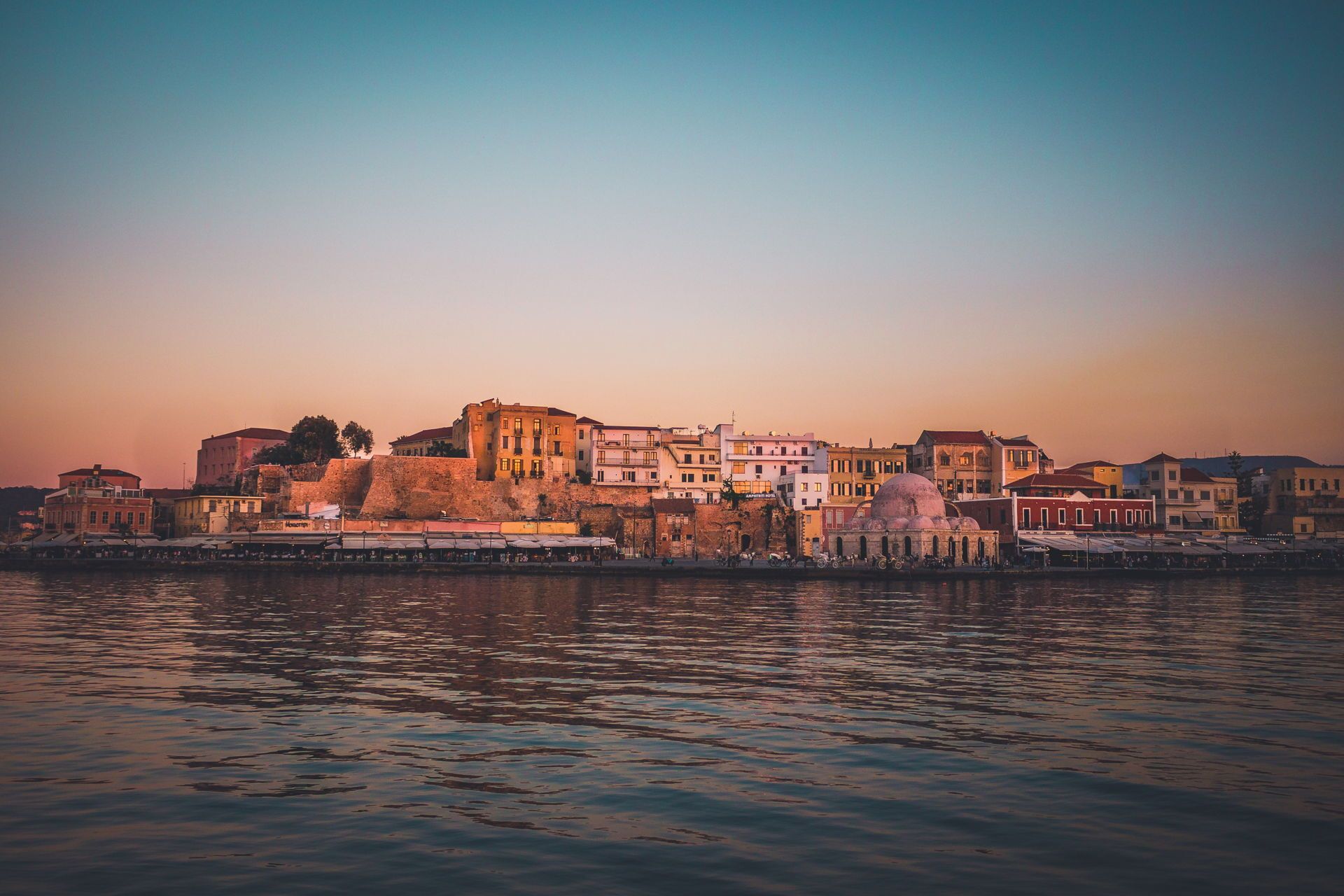
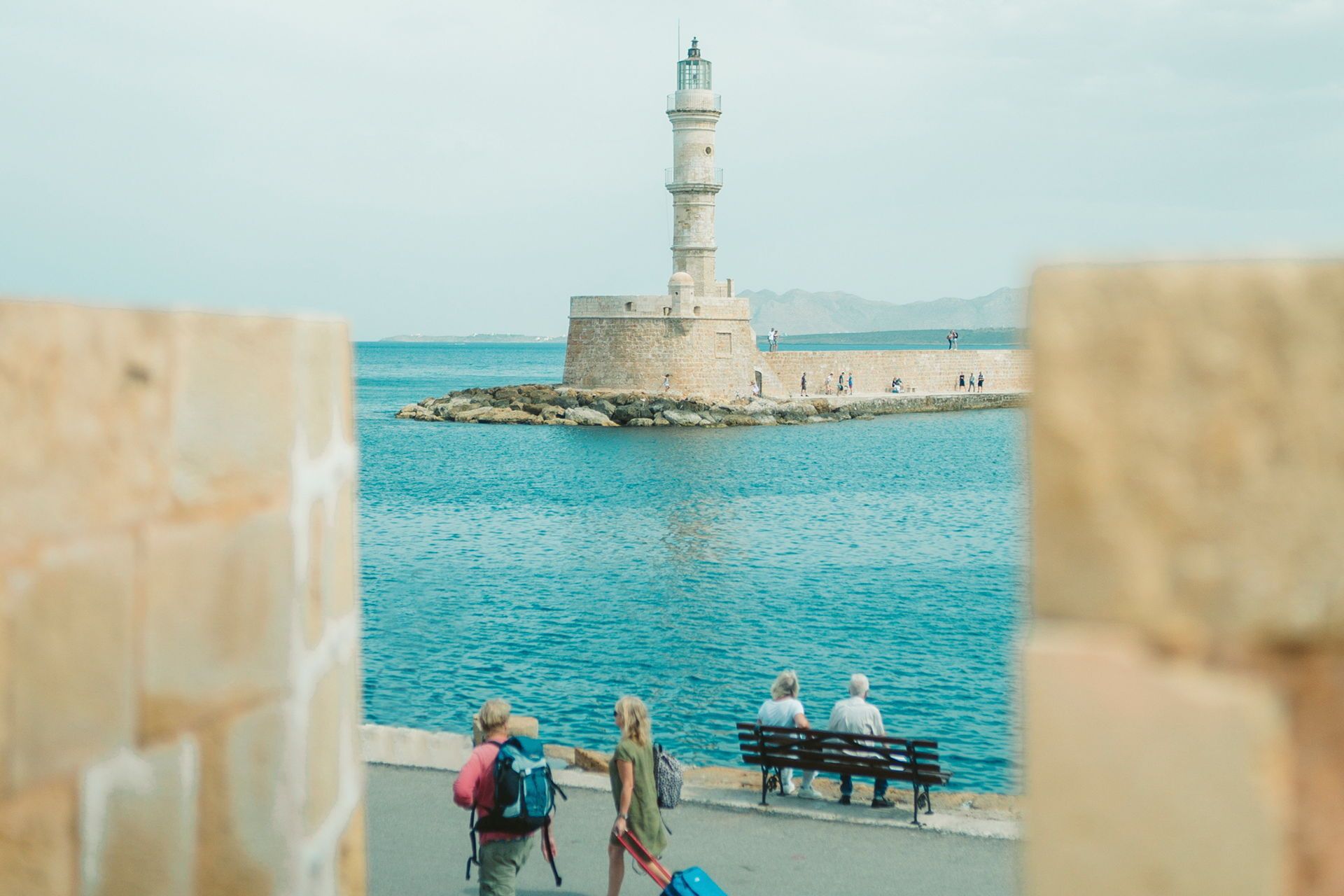
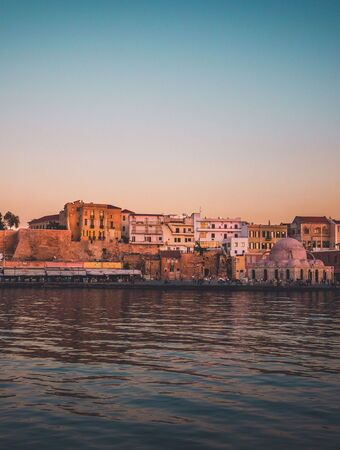
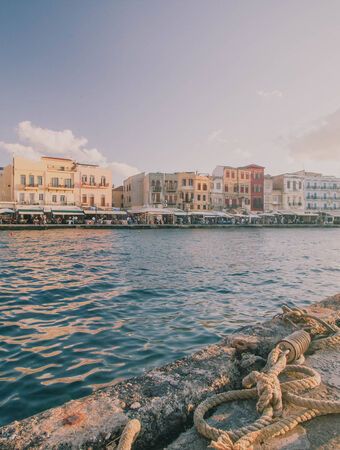
The cultural identity of Chania runs deep. It was built on the foundations of ancient Kydonia, one of the most important cities of Minoan Crete, and shaped over centuries by Romans, Byzantines, Venetians and Ottomans. Of all these, the Venetian period (1252–1645) left the strongest mark – especially around the Old Town and harbour, with its iconic lighthouse, shipyards and sea walls that reflect a proud maritime past.
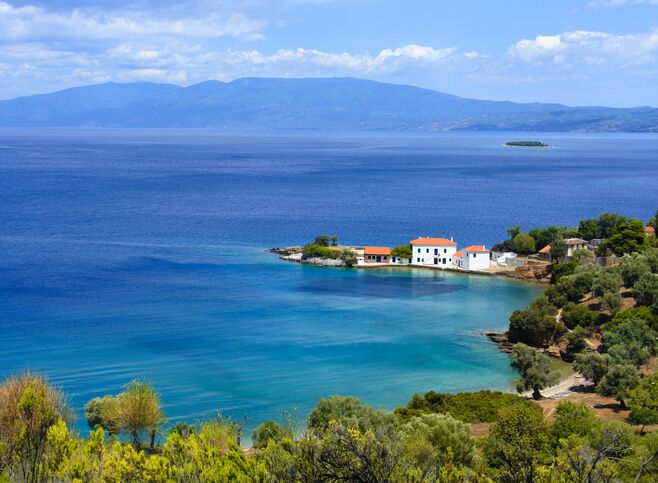
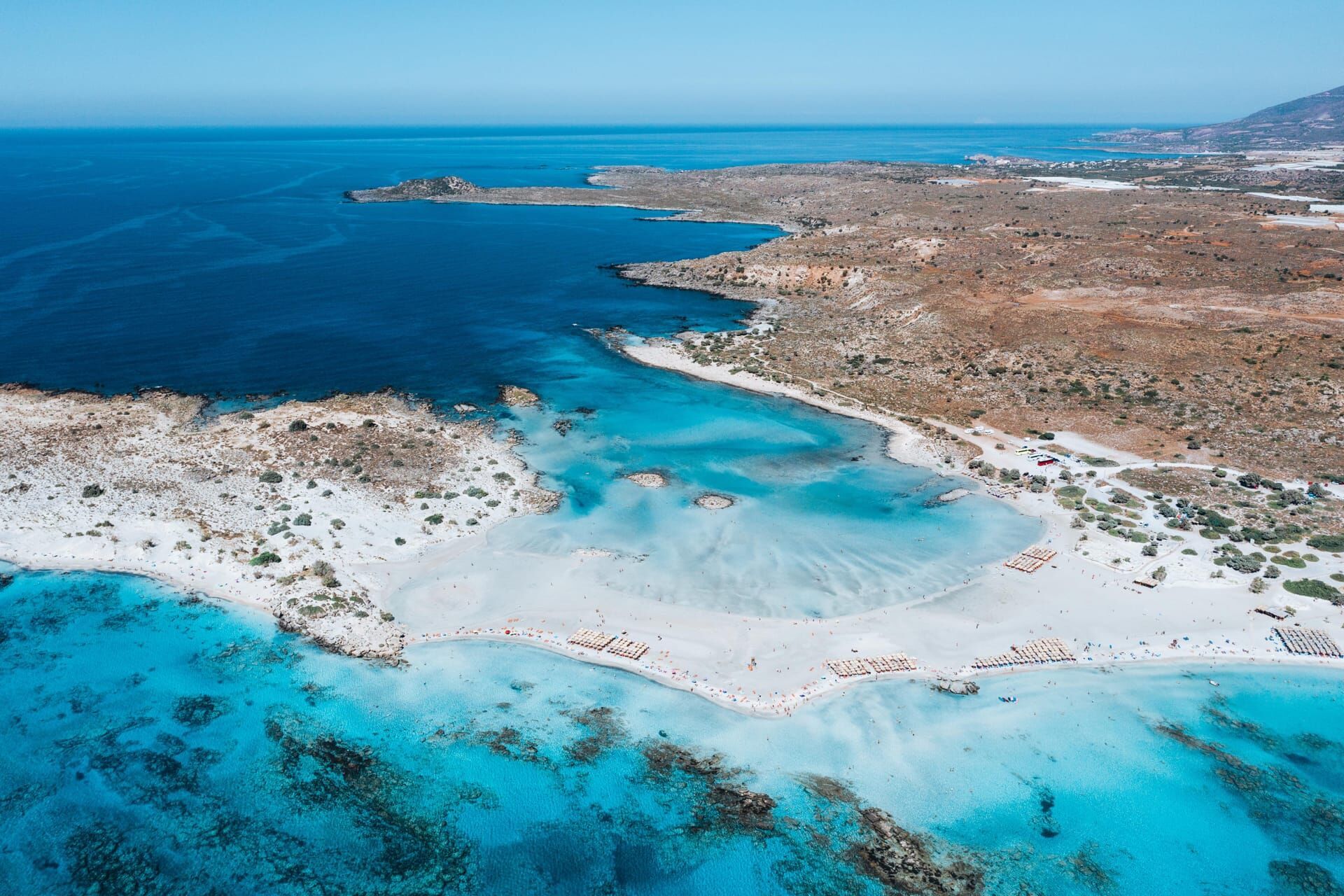
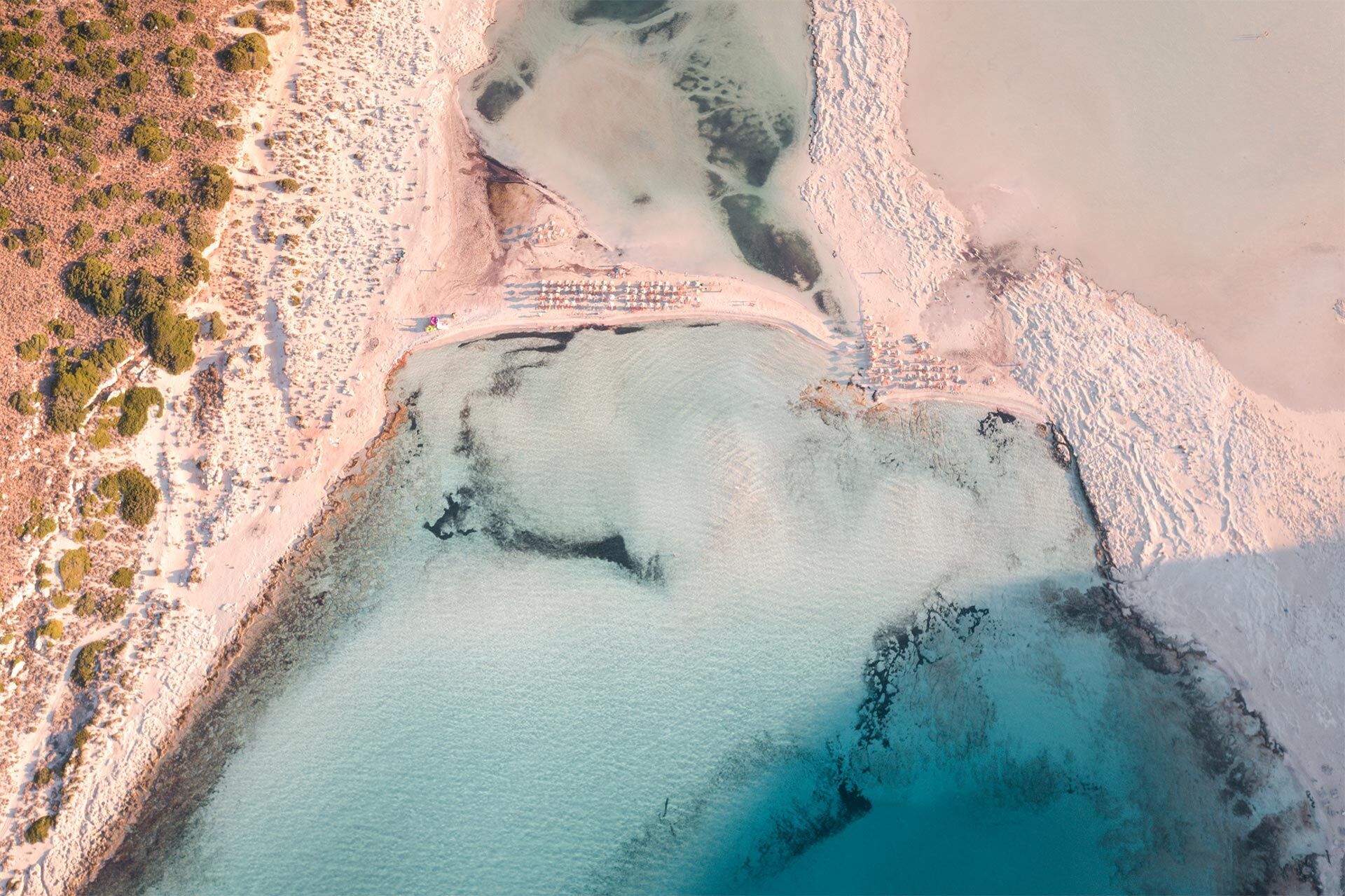
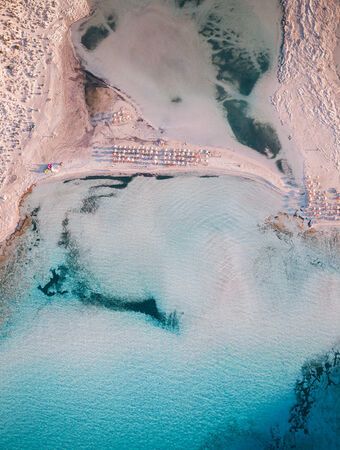
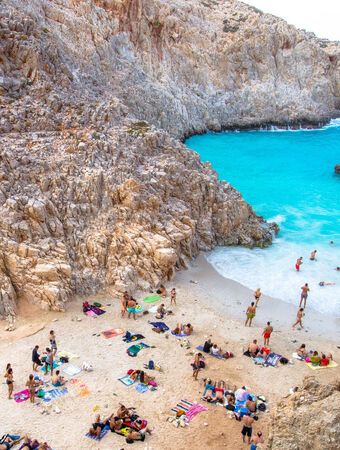
Just as famous are the beaches, at the heart of Chania’s reputation as a family favourite for summer holidays. Balos’ tropical lagoon and Elafonisi’s pink-tinged sands are world-famous, but the coastline is full of wonderful swimming spots – whether in the north, west or on the more rugged southern shore.
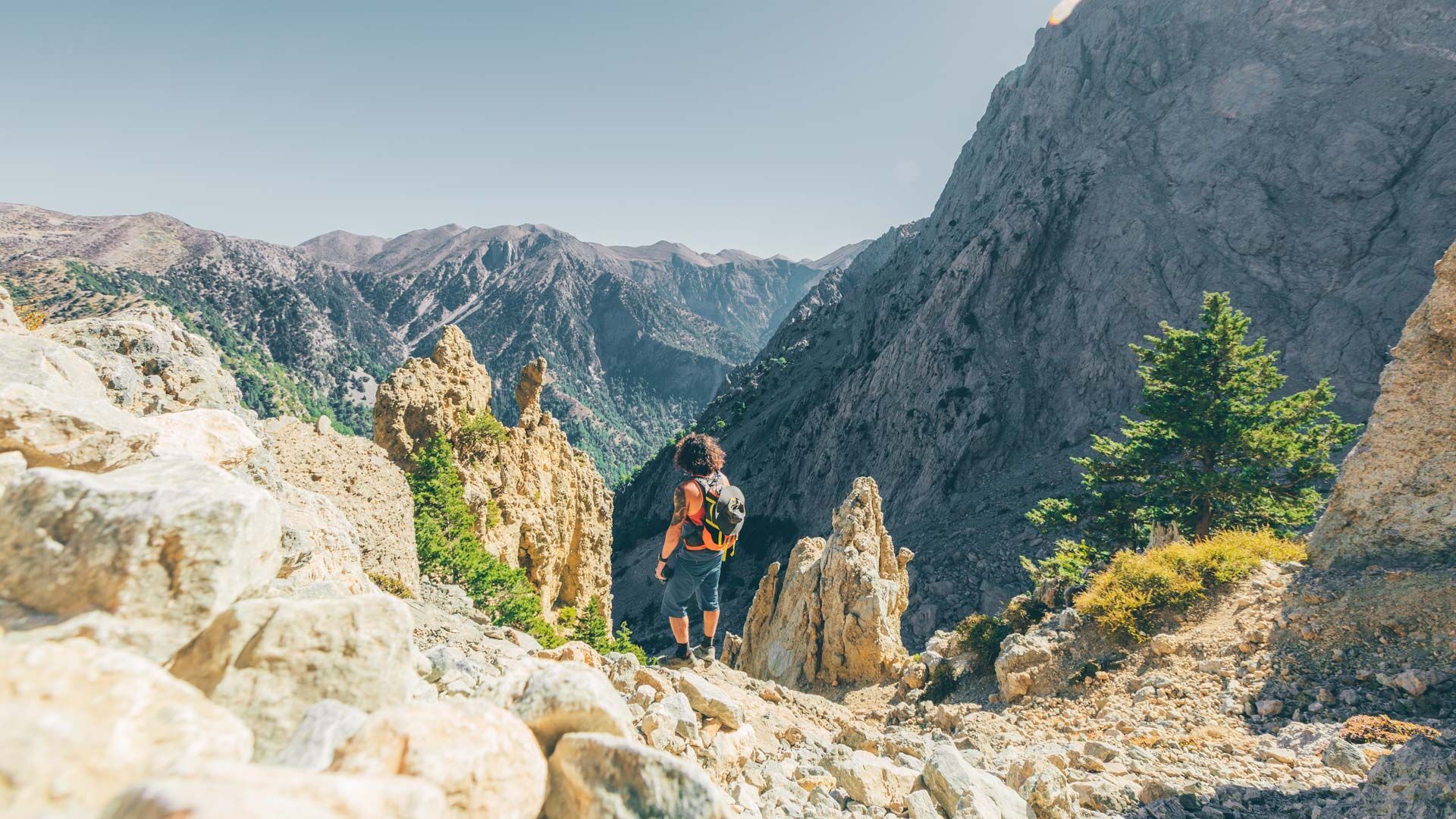
In the heart of the region rise the White Mountains, a dramatic range that sets the tone for Chania’s wilder side. It’s here that you’ll find the Samaria Gorge – the longest of Crete’s many gorges, carving its way to the Libyan Sea.
It’s no surprise that Chania is also growing in popularity with digital nomads, who are drawn by its quality of life, natural beauty and year-round charm.
What to do in Chania
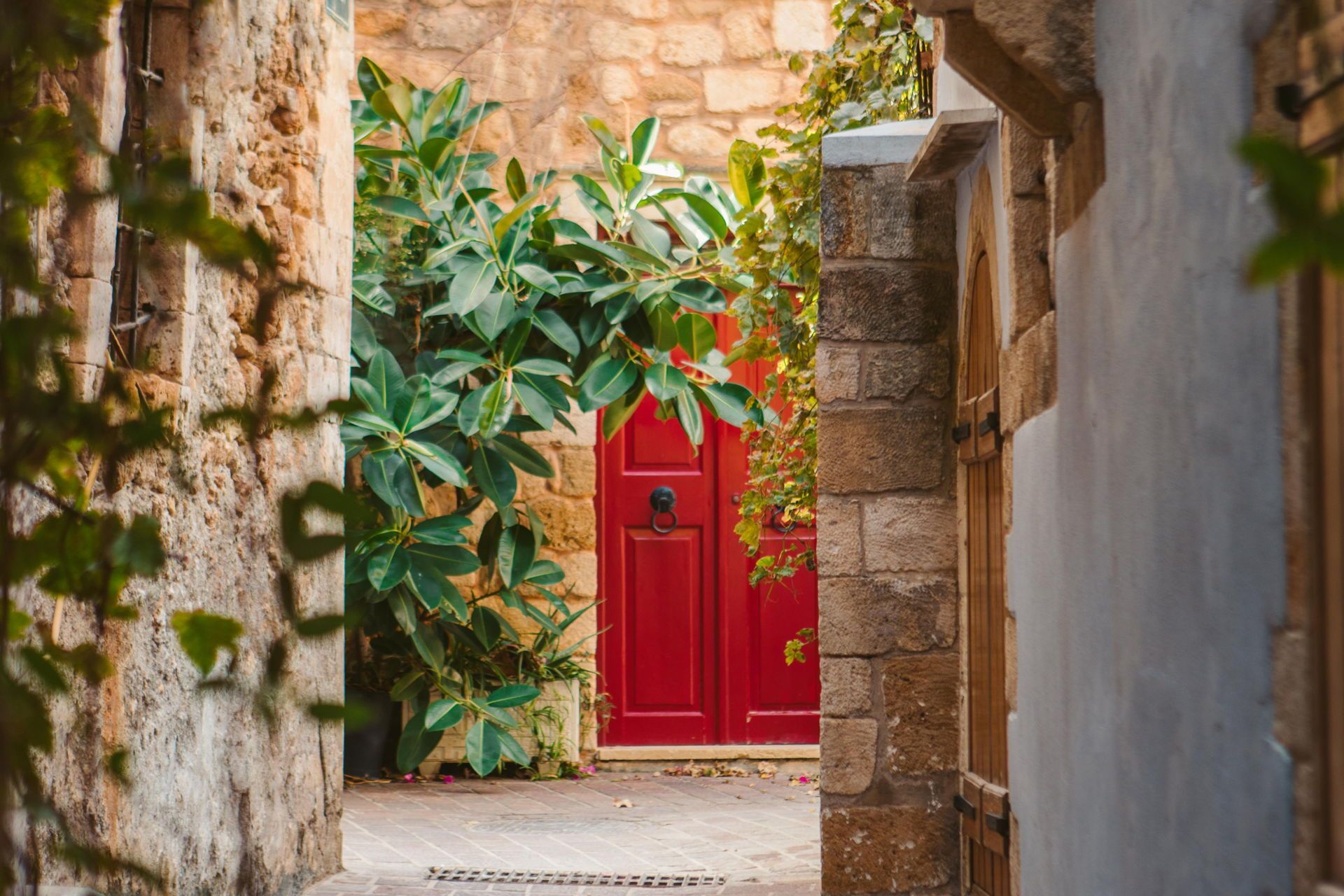
There is plenty to do in Chania, no matter what time of year you visit. On a walking tour of the Old Town you’ll pass landmarks shaped by a tapestry of cultures – the Venetian shipyards and Egyptian lighthouse in the harbour, the Byzantine and Ottoman baths, and the old Jewish and Turkish districts, including Splatzia Square (renamed 1821 Square to mark the Greek Revolution against the Ottomans). Lined with artisan shops, cafes and tavernas, the Old Town is a living monument to Chania’s past.
Away from the Old City, make time to explore neighbourhoods like Koum Kapi, with its cafe-lined seafront, and Halepa, known for its 19th-century mansions. You can end your walk at the Eleftherios Venizelos Memorial, a tribute to one of modern Greece’s most influential statesmen, who was born in Chania. The views from here are some of the best in the city. Also in Halepa is the Archaeological Museum of Chania, tracing the region’s history from Neolithic to Roman times, with finds from ancient Kydonia, Minoan artefacts, statues, mosaics and more. Another up-and-coming neighbourhood is Tabakaria, once home to leather tanneries and now a pocket of creativity.
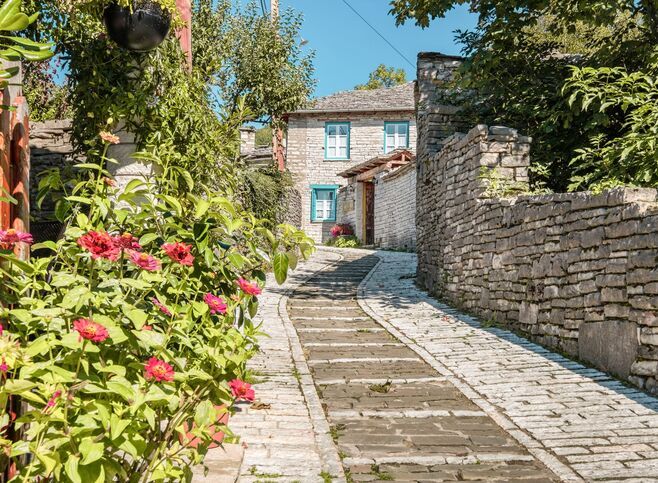
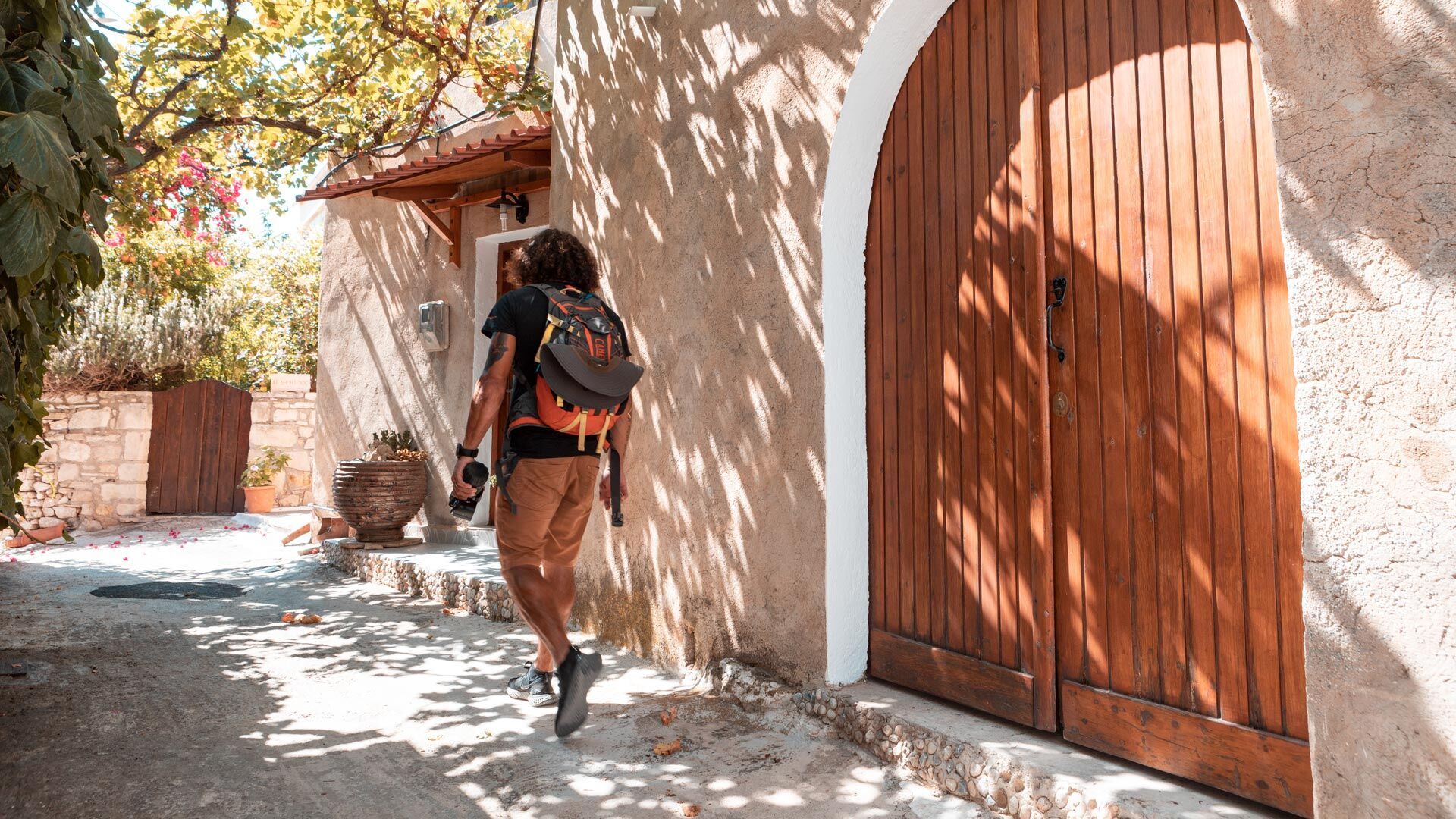
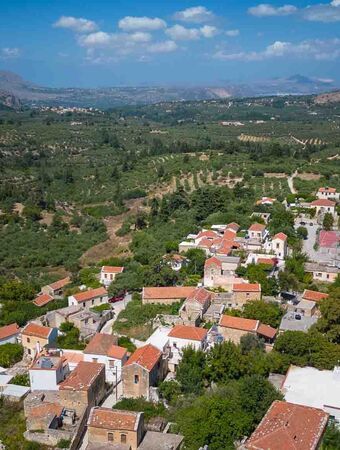
Whether you're in Chania town or travelling around the region, you’ll enjoy Cretan cuisine in traditional tavernas. But for a deeper appreciation, join a cookery class, where you’ll learn more about local products and family recipes. You can also visit a winery or olive press, especially if you combine it with a trip to the region’s villages. Vamos, Gavalochori and Douliana are part of the Apokoronas villages that welcome you with local architecture, traditional coffee shops and a slower pace of life. You’ll find cheese-makers, rakokazana (raki distilleries), and time-honoured crafts.
Many villages overlook the White Mountains, whose foothills are filled with hiking and cycling routes. The best-known trail in Chania is in the Samaria Gorge. At 16 km, it’s the longest gorge in Greece and one of Europe’s most memorable hikes.
On Chania’s south coast, you’ll enjoy a very different side of Crete – wilder, more remote and deeply authentic. There are sections of the E4 European long-distance hiking route and Byzantine chapels, as well as the archaeological site of Ancient Lissos. A highlight on the south coast is a boat trip to Loutro, a tiny whitewashed village accessible only by water or on foot.
With such a range of experiences, from buzzing town life to peaceful villages and outdoor adventures, it’s no wonder Chania is also an ideal digital nomad destination, with plenty of facilities and year-round appeal.
Best Beaches in Chania
Chania is blessed with some of the most iconic beaches in Greece. The north coast is the most developed and easily accessible, but don’t overlook the wild beauty of the south or the hidden gems along the west coast.
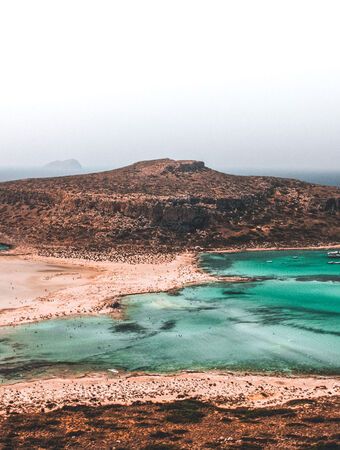
Topping most beach lists are Balos and Elafonisi. About 56 km west of Chania town, Balos is a turquoise lagoon of white sand and shallow water, tucked between the Gramvousa peninsula and Cape Tigani. Elafonisi, on the other hand, lies on the southwest tip of Crete and is known for its pink-tinged sand and protected-nature-reserve feel. Its shallow waters are perfect for children and sun-seekers alike. Both beaches are postcard-pretty, but they’re no longer secrets – so in the high season, it’s best to go early in the morning or later in the afternoon to avoid the crowds. And there are plenty of alternatives that you’ll adore discovering.
On the north coast, closer to the city, you’ll find a string of organised beaches with plenty of facilities and water sports. Agia Marina, Platanias and Marathi are popular with families, while Chrissi Akti (Golden Beach) is more laid-back but still close to town. Further west, Falasarna offers long stretches of golden sand, plenty of water sports and famously good sunsets.
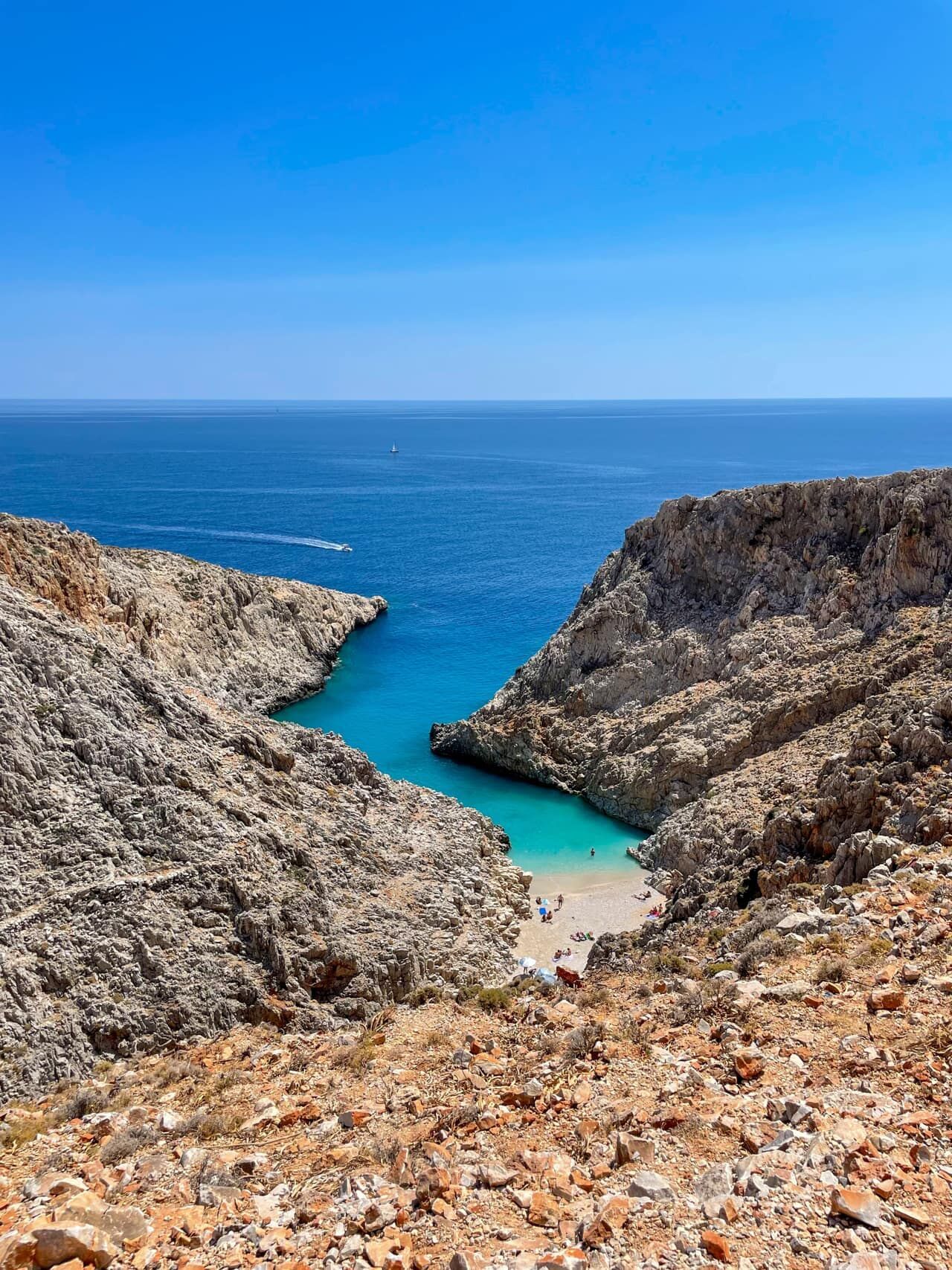
The scenery becomes more rugged and untamed as you reach the south coast. Paleochora has an array of beaches and Fragokastello is named after a 14th-century fortress visible from the beach. Glyka Nera and Loutro, meanwhile, are accessible only by foot or boat.
Whether you're after water sports, family fun, or total escape, the beaches of Chania offer it all – each with its own mood and magic.
Best time to visit Chania
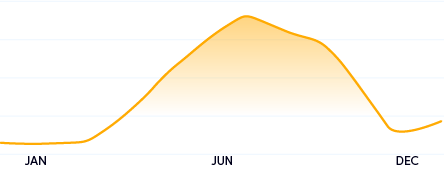
With so many great beaches, it’s no surprise that Chania is a summer favourite. But like much of Crete, July and August are the busiest months – so for a more relaxed experience, the best time to visit is in early or late summer (May-June and September-October). The weather is still warm, the sea is perfect for swimming, and you’ll enjoy quieter beaches and a more relaxed vibe.
Chania’s old town and mountain villages have a timeless charm all year round and are wonderful escapes in the quieter months – especially in autumn and winter when life slows down and you get a deeper sense of local rhythms. Spring and autumn are also the ideal seasons for hiking and exploring Chania’s natural landmarks.
How to get to Chania
Getting to Chania is easy, whether you’re arriving from within Greece or abroad.
By air: Chania International Airport (Daskalogiannis) is just 15 km from the city centre and welcomes direct international flights from many European cities during the summer months, as well as year-round domestic flights from Athens (around 1 hour).
By ferry: You can also reach Chania by ferry from Piraeus Port (Athens) to Souda Port, just 6 km from Chania town. Ferries run daily throughout the year, typically overnight, making it a relaxing way to arrive.
Ferry Schedules to Chania
Chania, one of Crete’s most picturesque cities, is connected to mainland Greece via Piraeus Port.
From Piraeus:
- Conventional ferry: ~8 hr to Souda Port (Chania)
From Cycladic islands (seasonal, summer months only):
- High-speed ferry (via Heraklion): ~4 hr to ~6 hr total travel time
Ferries usually offer vehicle decks, numbered seats, and cabins for overnight travel.
Luggage is typically included in the ticket, with storage spaces available on board.
In summer, you can also find direct or connecting routes between Chania and other islands like Santorini, Paros, and Mykonos, usually via Heraklion.

Plan Your Chania Itinerary
Get AI-powered suggestions or work with expert travel specialists
Tours & Activities in Chania
Discover authentic local experiences and secure your bookings for activities and tours with our official online rates.
8-Day Hiking in the White Mountains of C...
Chania to Rodopou: Hidden Beaches and Ca...
From Heraklion: Full Day Trip to Preveli...
Chania: Half Day Powerboat Tour to Theod...
Chania: Paragliding Tandem Flight
Where to stay in Chania
Meliti Villa Chania
Alianthos Suites
Odyssey Studios
Be on Holidays
Caldera Creta Paradise
Blue Dome Hotel
Book your transfers now
Discover the highest-rated ground transportation services for travelers, based on reviews across Google, Tripadvisor, and Trustpilot.
Welcome Pickups offers a seamless, safe, and enjoyable experience for travelers
Trained Drivers
Hand picked & trained drivers
Low prices
Same price as a regular taxi from the line
Arrival monitoring
Drivers are always on time
Quality support
24/7 email & phone support

Book your Ferry Now
Ferries to & from Chania
Find routes, ports & schedules - search below
Chania offers a variety of accommodation options to suit different budgets, from luxury hotels to budget-friendly guesthouses. The Old Town area is popular for its historical buildings and boutique hotels, while coastal resorts like Georgioupolis and Almyrida provide larger luxury hotels with extensive facilities. For a more traditional setting, areas such as Sfakia in southern Chania offer accommodation close to nature and away from the crowds. You can find more information on our accommodation page.
Getting around Chania is convenient with various transportation options. Chania International Airport connects the city to many European destinations, and there are frequent ferries from the port of Piraeus in Athens. Public buses are reliable and cover most tourist areas, and taxis are also readily available. Renting a car is recommended if you plan to explore more remote areas and beaches.
Chania is renowned for its rich culinary scene, offering both traditional and modern Cretan dishes. Must-try local specialities include tsigariasto (slow-cooked goat), boureki (courgette and potato pie) and fresh seafood. Dining options range from local tavernas and fish tavernas to gourmet restaurants. The Old Town and the Venetian Harbour are popular areas for dining in Chania town, with many restaurants offering traditional and innovative cuisine. More on the local gastronomy can be found in our Chania Food Tour.
Chania is generally safe for travellers, but it's always wise to be cautious, especially in crowded tourist areas. Keep your belongings secure and avoid displaying valuables. The emergency number for all services, including medical emergencies, is 112. Chania has a hospital and several health clinics providing comprehensive medical services. Pharmacies are widely available and can offer over-the-counter medications as well as prescription drugs. Tap water is safe to drink, although bottled water is preferable, and the island's food safety standards are high, making it safe to enjoy local cuisine. For more health and safety tips, you can visit our practical info page.
Chania is both a prefecture and city in western Crete and can easily be reached by plane or boat. The airport receives international and domestic flights (around 45mins from Athens and 1hr30min from Thessaloniki). There are daily ferry connections from Piraeus and periodically from islands in the Cyclades and Dodecanese. High-speed ferries (seasonal) reach Chania in 5-7hrs from Piraeus and conventional ferries take 9-12hrs.
The city of Chania in Greece is 15km from the airport (25-30 minutes). You can reach it by hire car or taxi. Alternatively, a shuttle bus runs from the airport to the town. Tickets are bought on the bus.
Chania has some of the most famous beaches on Crete. Falassarna, Balos, Elafonisi, Agia Marina and Platanias are just a few of them. Some beaches are sandy, whilst some have pebbles. Many have all the facilities that will allow you to spend the whole day there.
Chania is famous for its exotic and family-friendly beaches, cultural landmarks (especially in the Old Town) and Cretan cuisine. The most famous natural landmarks are the White Mountains and the Samaria Gorge, as well as the coastal and mountain villages (eg the Apokoronas villages).
Chania (and Crete generally) benefits from very good weather for most of the year, with summer conditions starting earlier and ending later than elsewhere in Greece. It does get busy in the peak summer holiday months (July and August), so come in May-June or September if you can. The ideal months to enjoy the outdoor activities are April-May and September-November.