



What Crete is best known for
Beautiful landscape
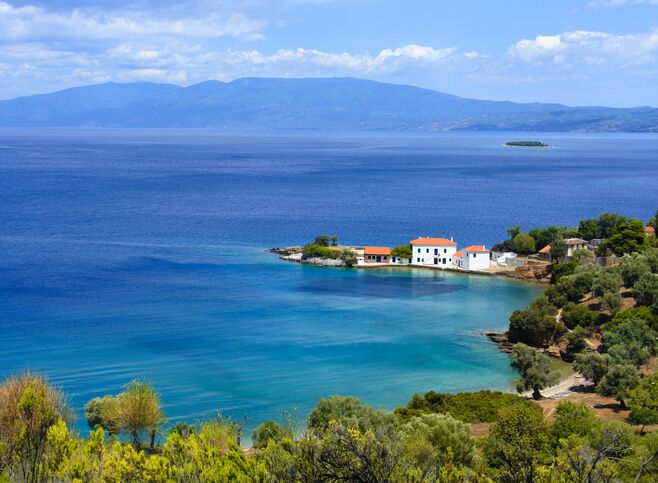
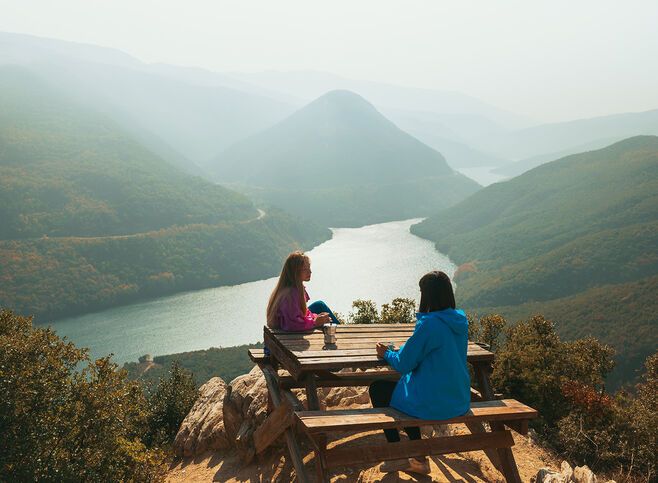
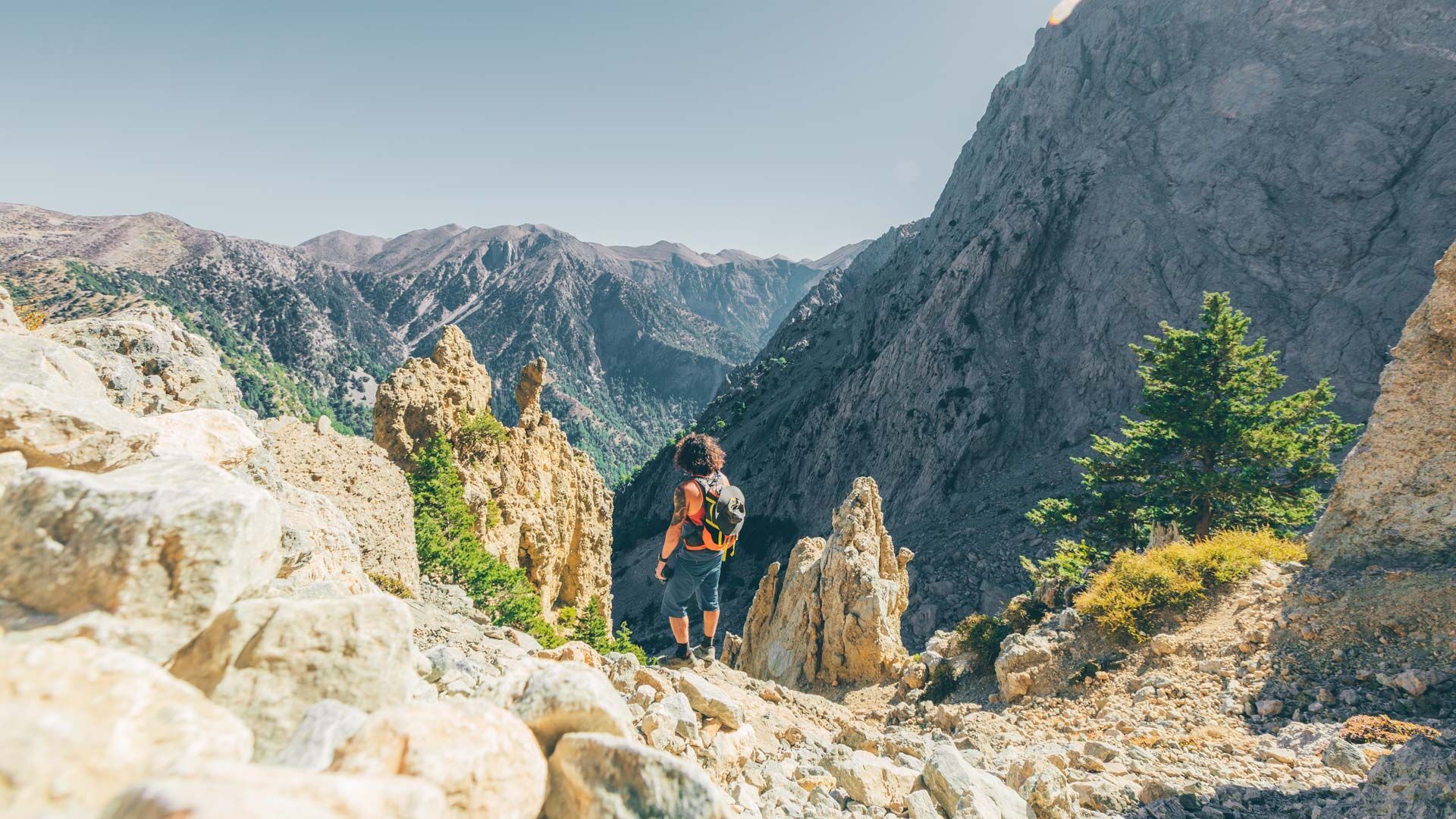
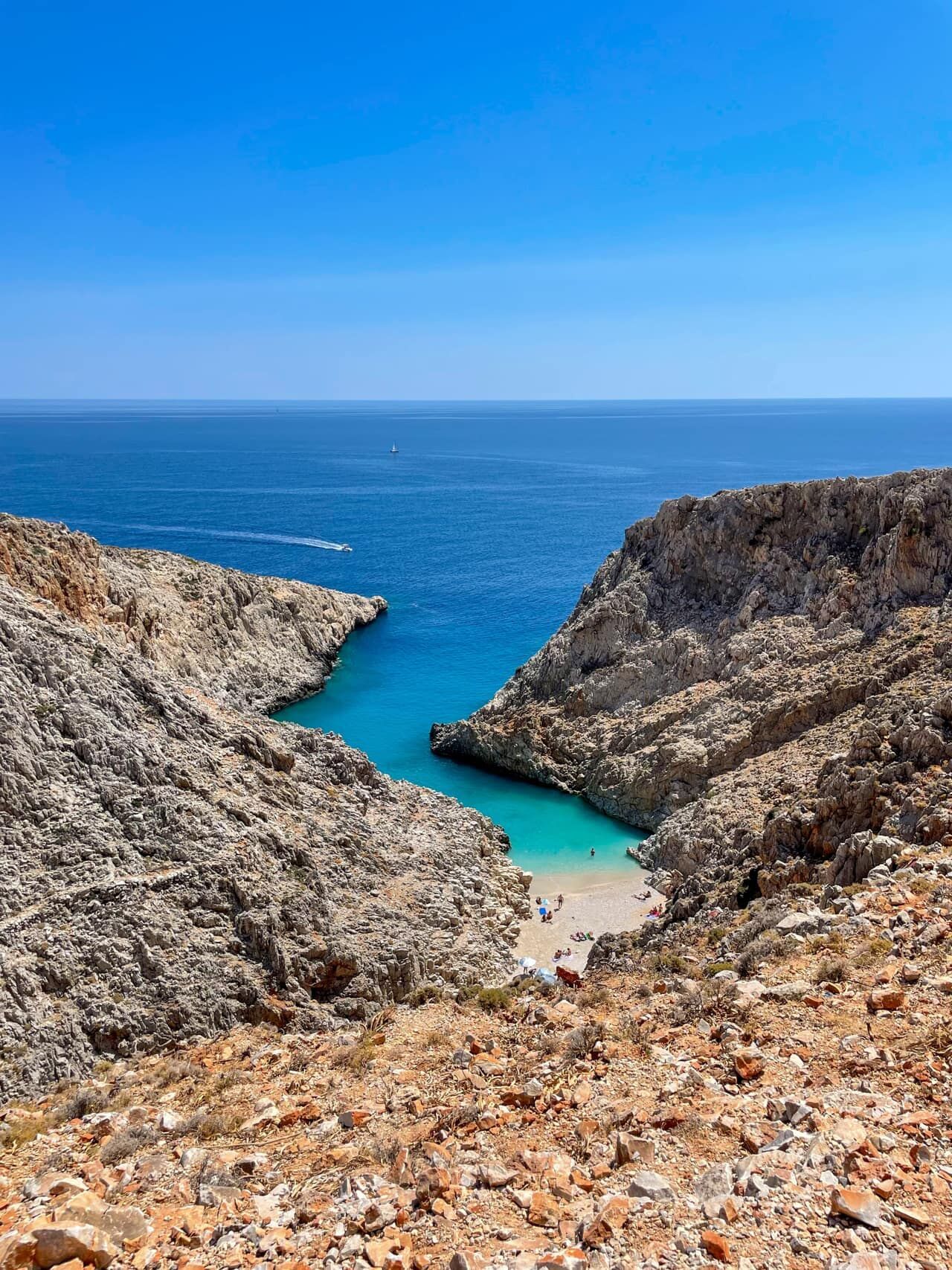
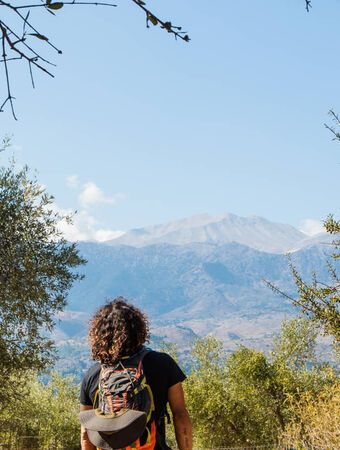
Crete’s scenery is full of impressive mountains, dramatic gorges and sweeping coastlines that make it a holiday favourite for all seasons. Dominating the skyline are three main mountain ranges – the White Mountains (Lefka Ori), Psiloritis (Mount Ida) and the Dikti Mountains – each offering panoramic views and unforgettable settings for nature activities. Among the many gorges, the awe-inspiring Samaria Gorge steals the show, drawing visitors eager to explore one of Europe’s longest ravines. But there are plenty of smaller gorges and hiking paths within Natura 2000-protected landscapes to discover. Along the coast, long bays melt into hidden coves and shimmering waters, creating an unforgettable setting.
Beach holidays
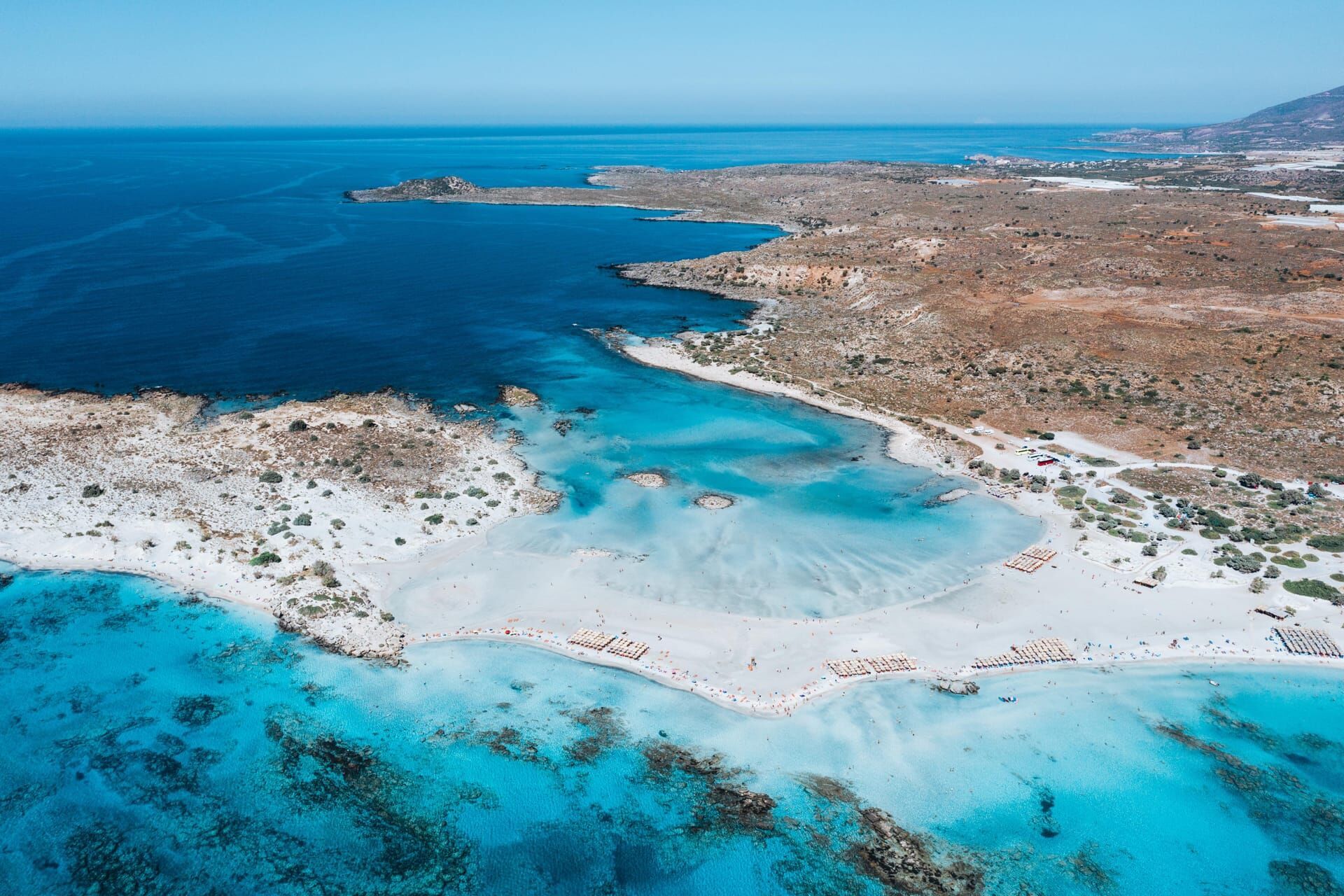
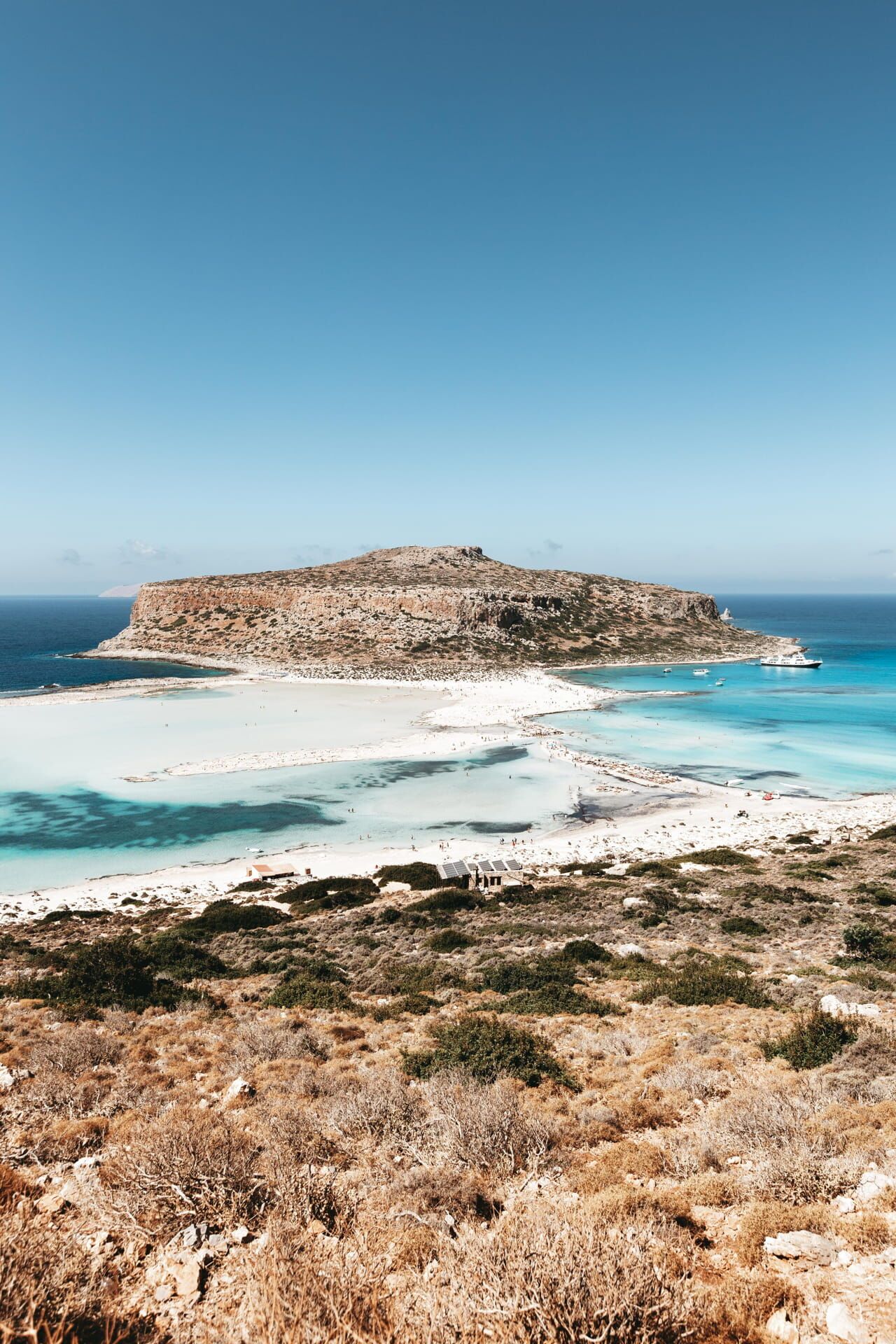
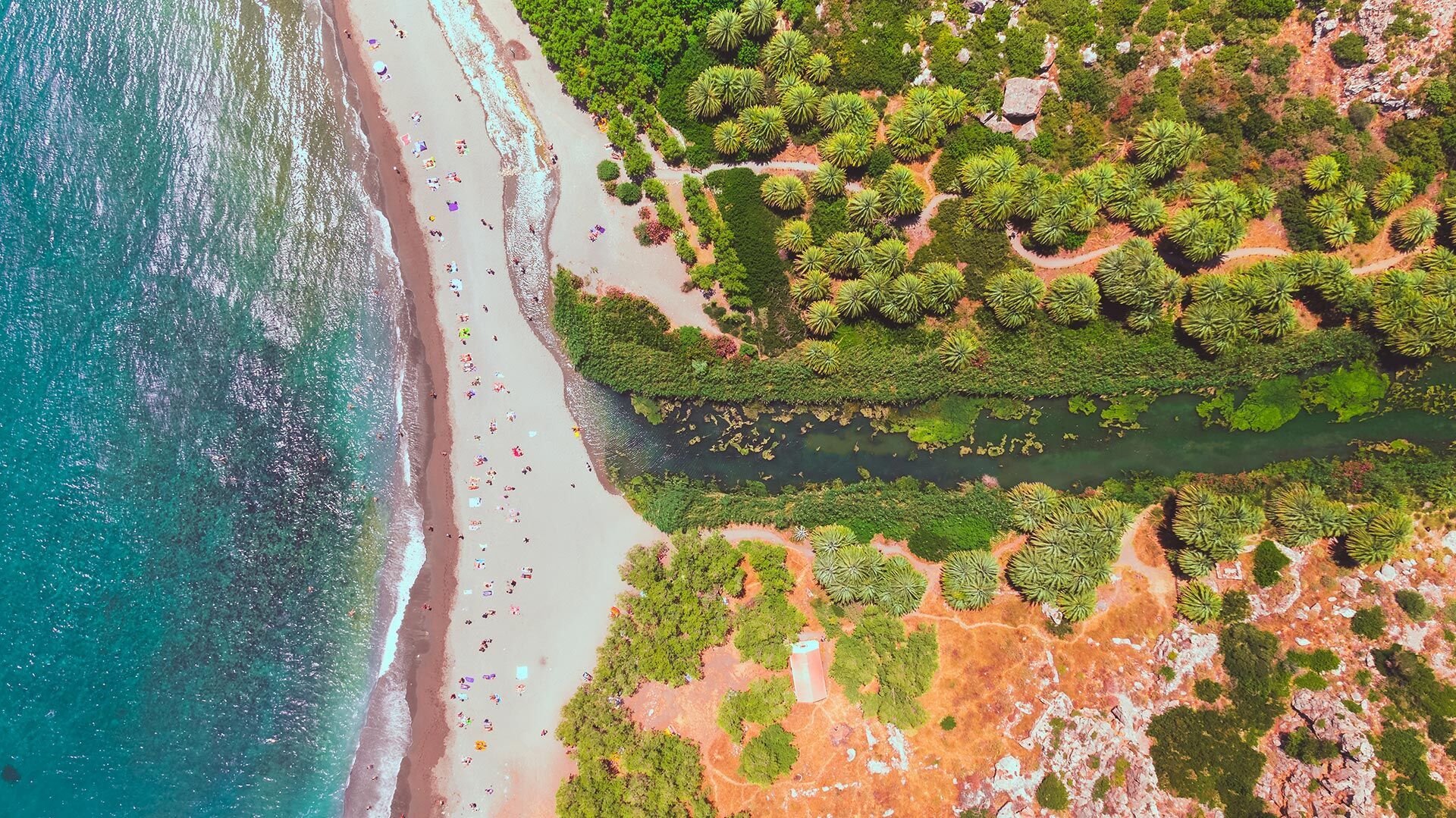
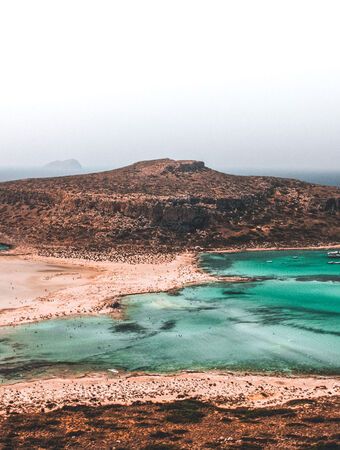
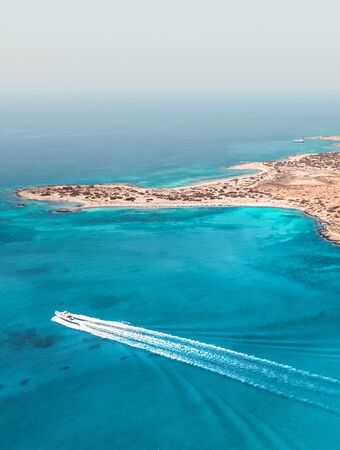
From the exotic sands of Elafonisi to the mesmerising colours of Balos Lagoon in the Gramvousa peninsula, Crete boasts some of the best beaches in Greece. There are hundreds of beaches in Crete, all the way along its 1,000km coastline, ranging from small, secluded gems to more developed, family-friendly stretches of sand. Favourite sun and beach destinations include Elounda, known for its relaxed luxury, and Malia and Hersonissos, famous for their mix of vibrant nightlife and sun-soaked fun. The beaches in Falasarna and Preveli also have reputations that have travelled the world.
Discover 15 of the best beaches in Crete
Cretan hospitality
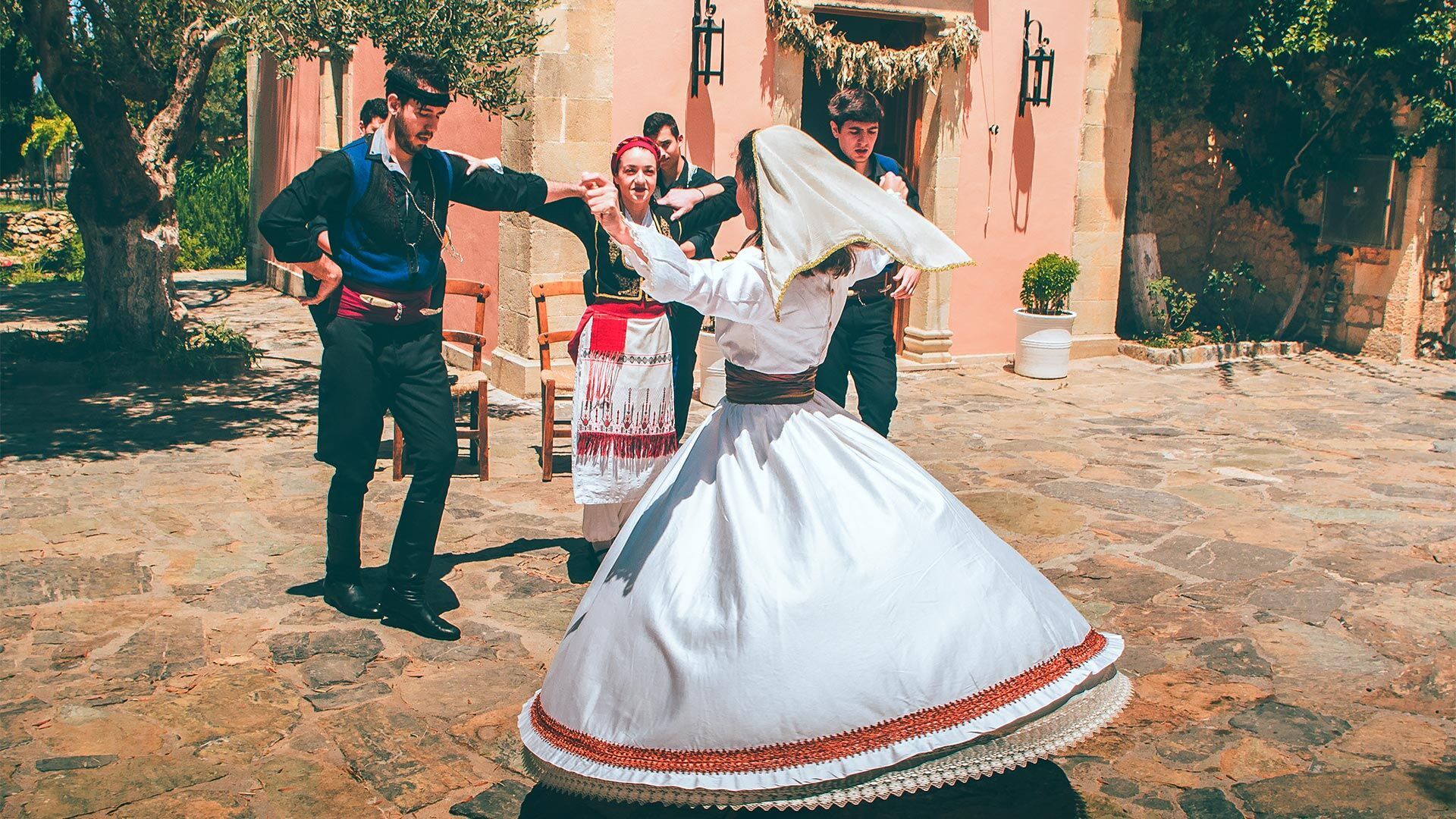
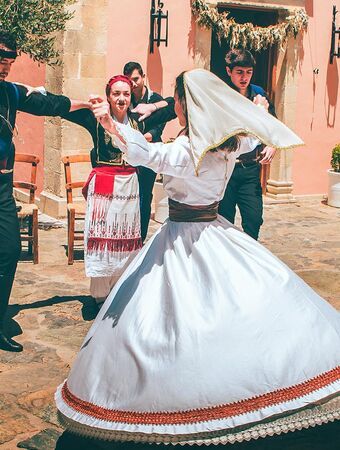
Cretan hospitality displays the same characteristics as the island’s famous landscape: grand, generous and infinitely welcoming. From the moment you set foot on Crete, you’ll be greeted by a warm welcome – often accompanied by a toast of raki or another local product. In traditional tavernas, conversation flows as easily as the wine, and families take pride in sharing their traditions with curious guests. Whether you’re at a village festival or simply chatting with a shopkeeper, you’ll quickly discover that Cretan hospitality is about connection and community – a spirit that stays with you long after your holiday ends.
Mediterranean diet
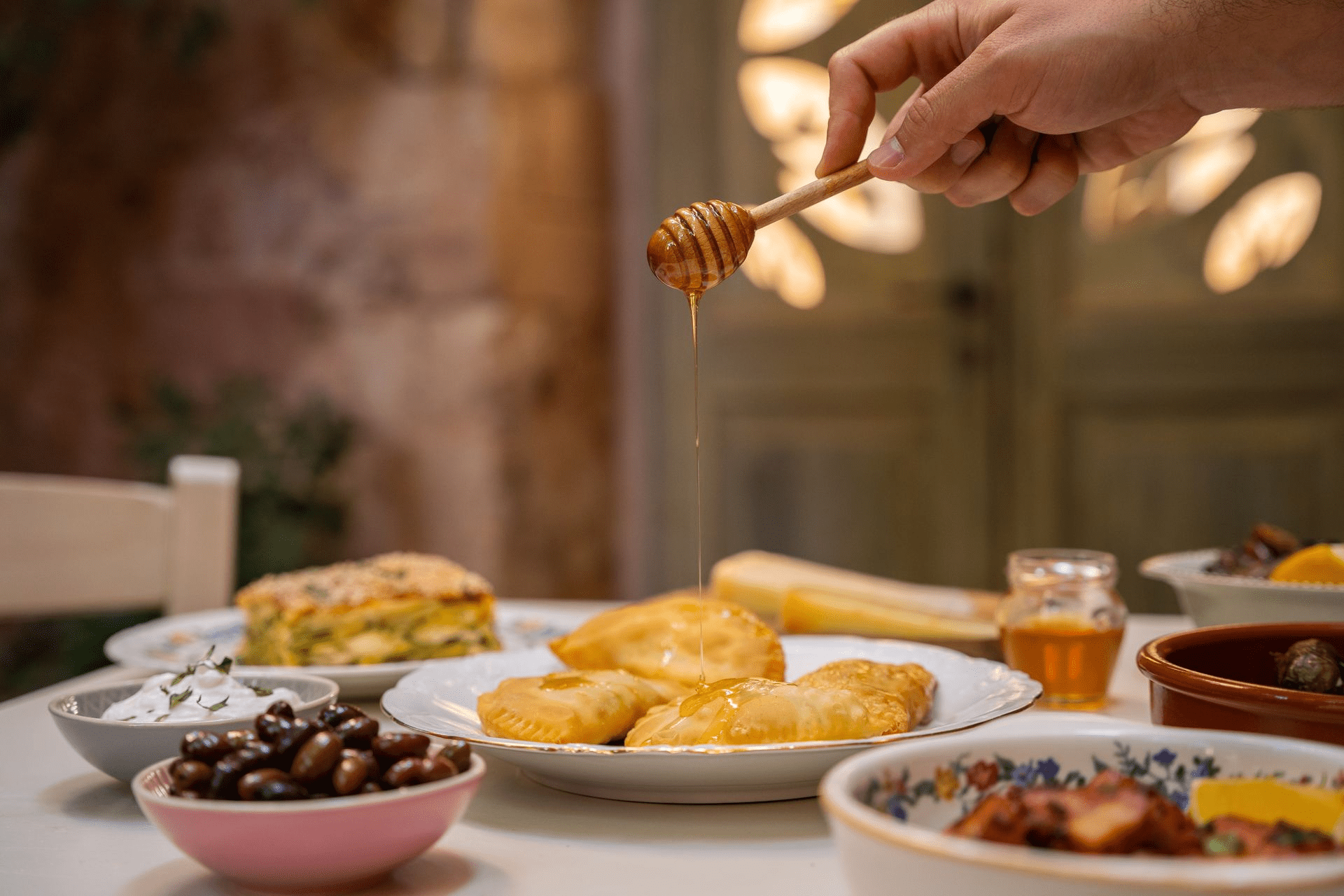
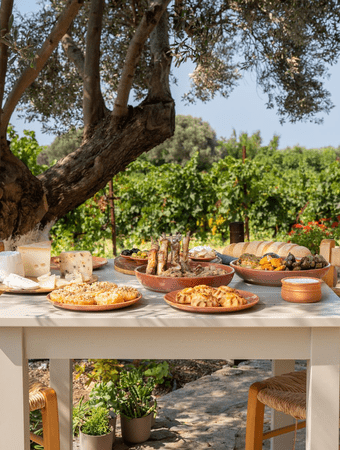
Synonymous with the Mediterranean diet, Crete is renowned for its fresh, seasonal ingredients prepared with simple yet delicious flair. Sun-ripened fruit and vegetables and wild mountain greens are at the heart of local dishes, complemented by the liberal use of locally produced extra-virgin olive oil. Pulses, lean meats and cheeses add depth and flavour to Cretan cuisine, which is recognised for its health benefits and for contributing to long life as well as the tradition of sharing great food.
Culture and history
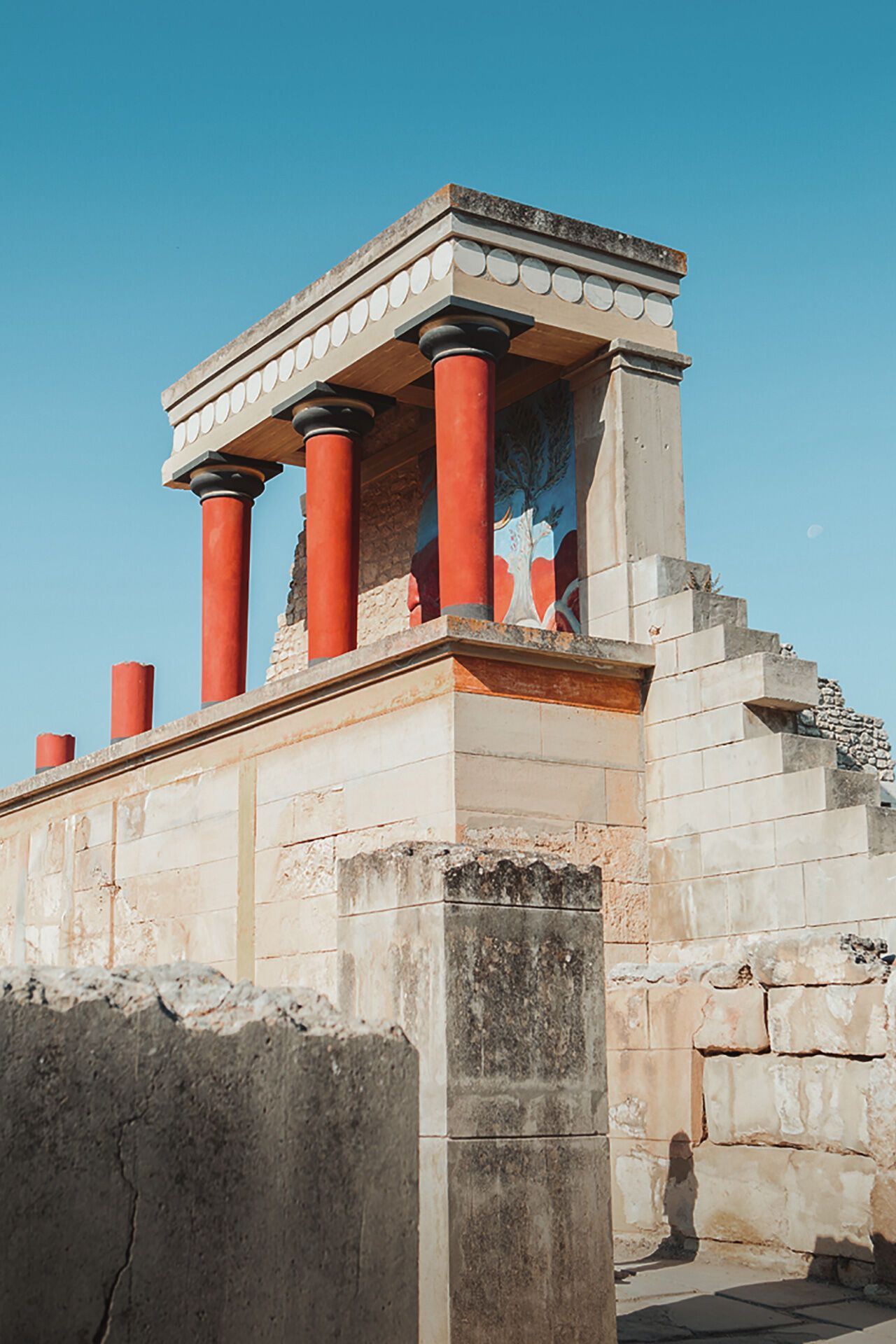
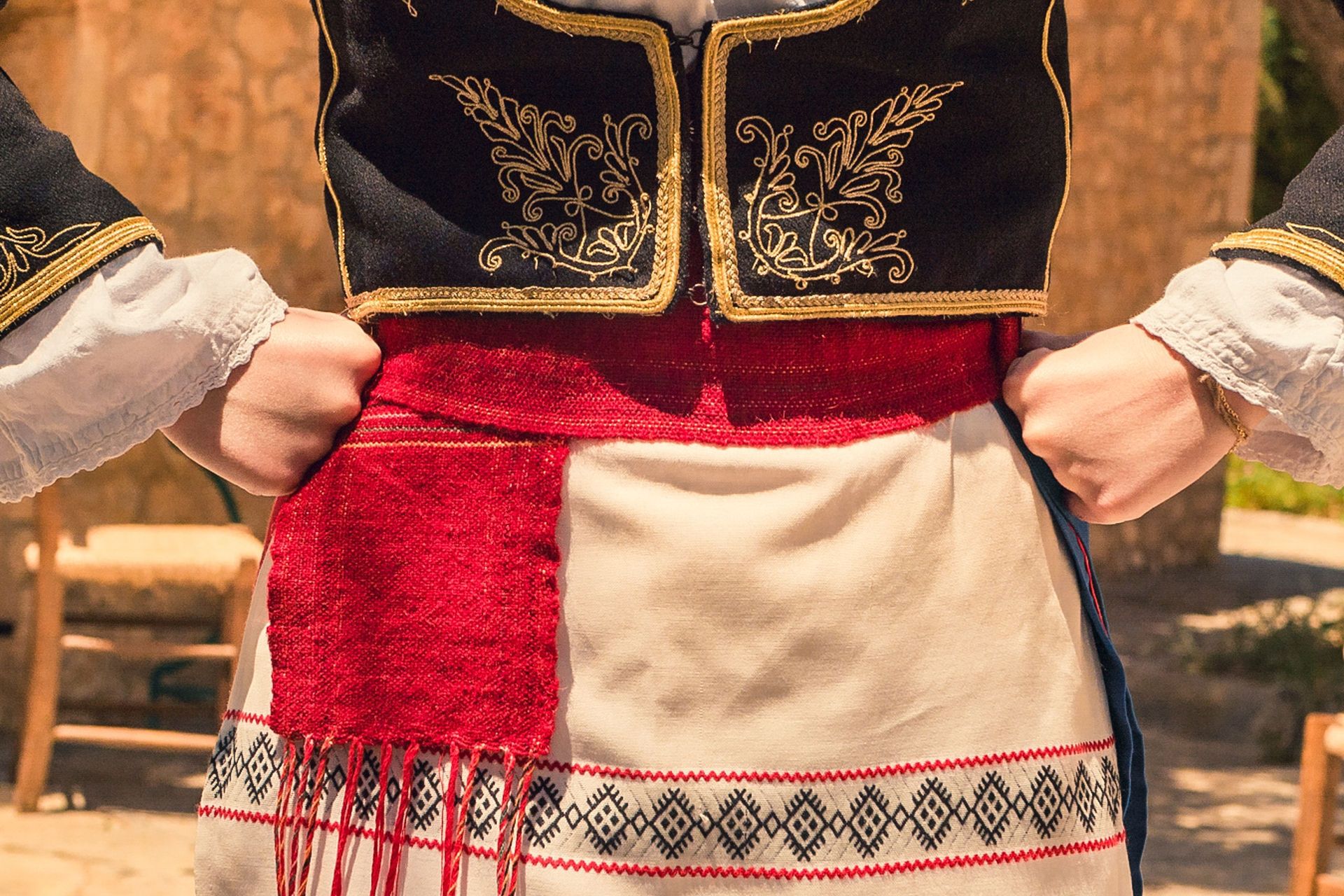
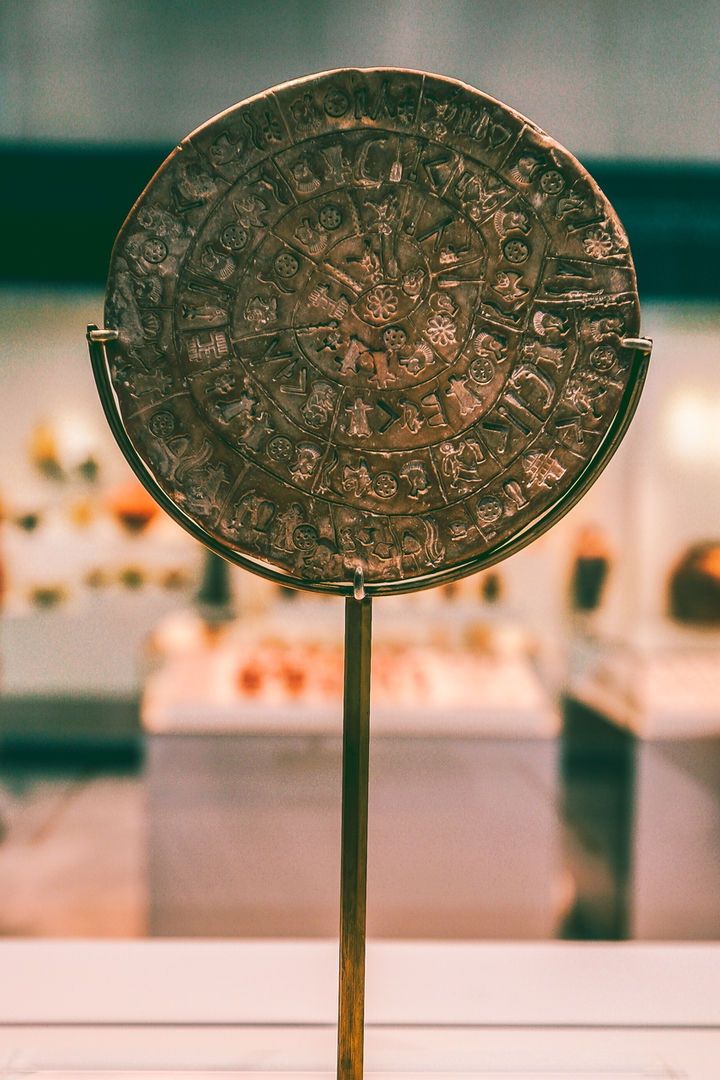
Crete was home to Europe’s earliest advanced civilisation – the Minoans – whose legacy can be explored at iconic sites such as Knossos and Phaistos. Over the centuries, Venetian and Ottoman influences have also shaped its architecture, music and customs, resulting in a vibrant cultural tapestry that continues to thrive in historic sites and age-old customs. From grand forts and museums to traditional festivals and folk traditions, Crete effortlessly connects its ancient past with a modern, spirited identity.
Discover the best of Crete
Crete is made up of four regions – Chania, Rethymno, Heraklion and Lasithi – of which the first three are also the names of cities in those regions. It is the largest island in Greece (and the fifth largest island in the Mediterranean Sea), so distances can be large. Your holidays in Crete could, therefore, be limited to a single destination (Chania, Heraklion or Elounda, for example). Alternatively, you could create an itinerary that includes various stops within the region, or even across multiple regions of Crete. It will depend on how long you plan to spend in Crete and your interests.
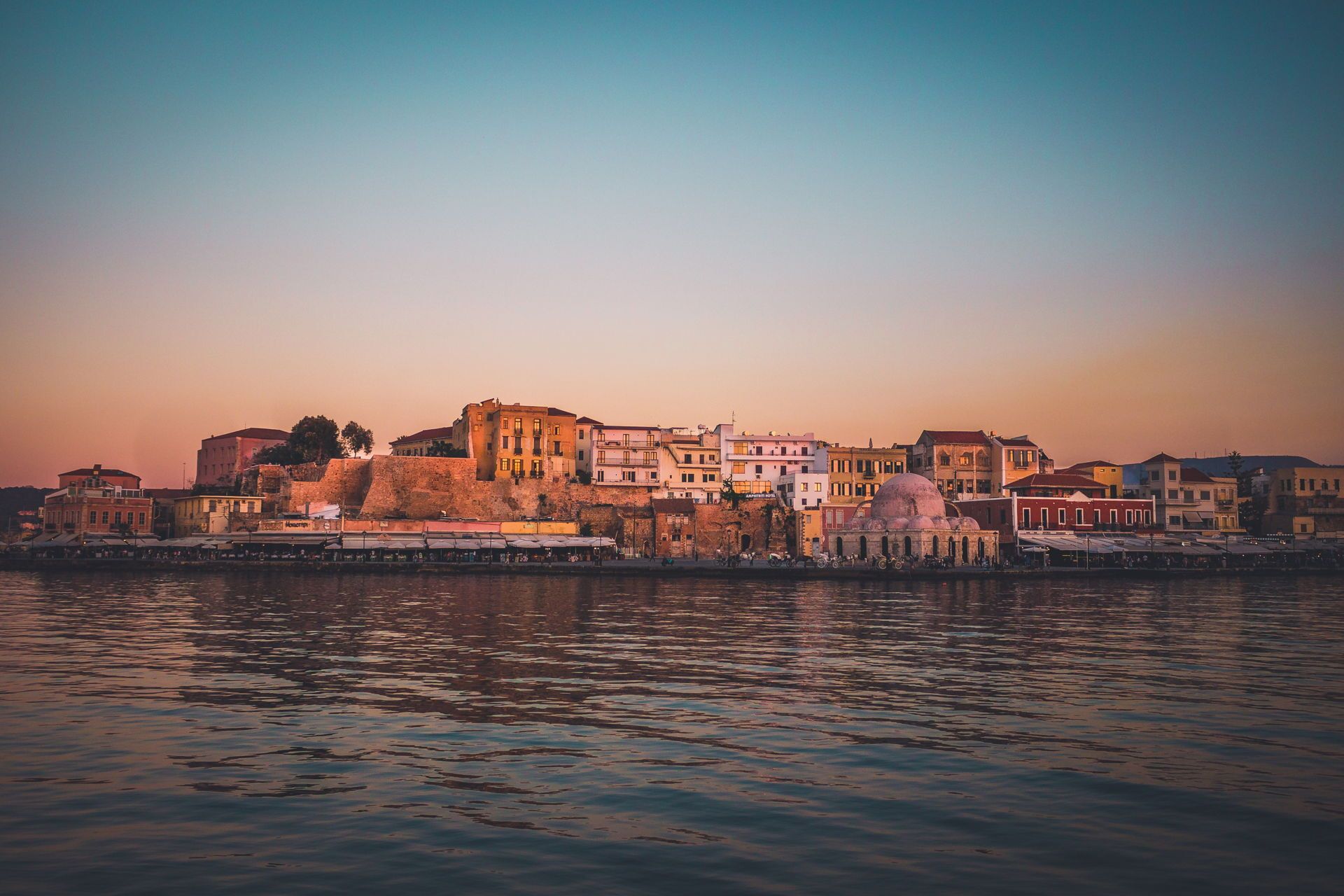
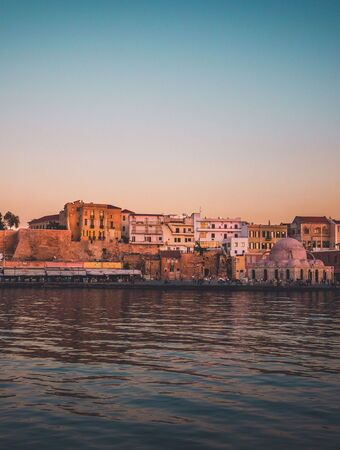
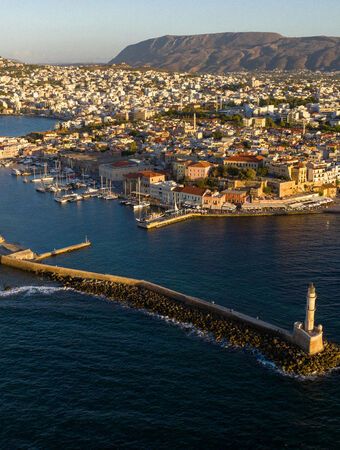
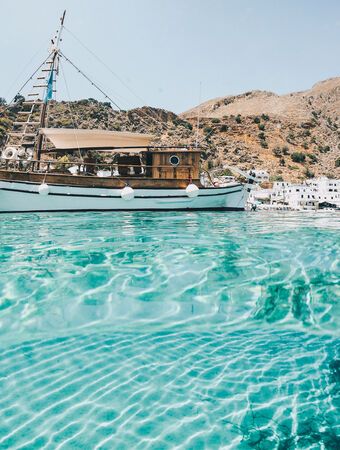
Chania: The city of Chania is known for its enchanting old town and Venetian harbour and is close to beaches and other popular holiday spots on the north coast, such as Platanias, Agia Marina and Kissamos. The west coast is wilder and the south coast is dotted with quieter settlements such as Paleochora, Sougia, Loutro and Hora Sfakion – ideal for a more laid-back vibe. The Apokoronas villages in the foothills of the White Mountains are also wonderful destinations to stay in or visit in Crete.
Discover the best things to do in Chania
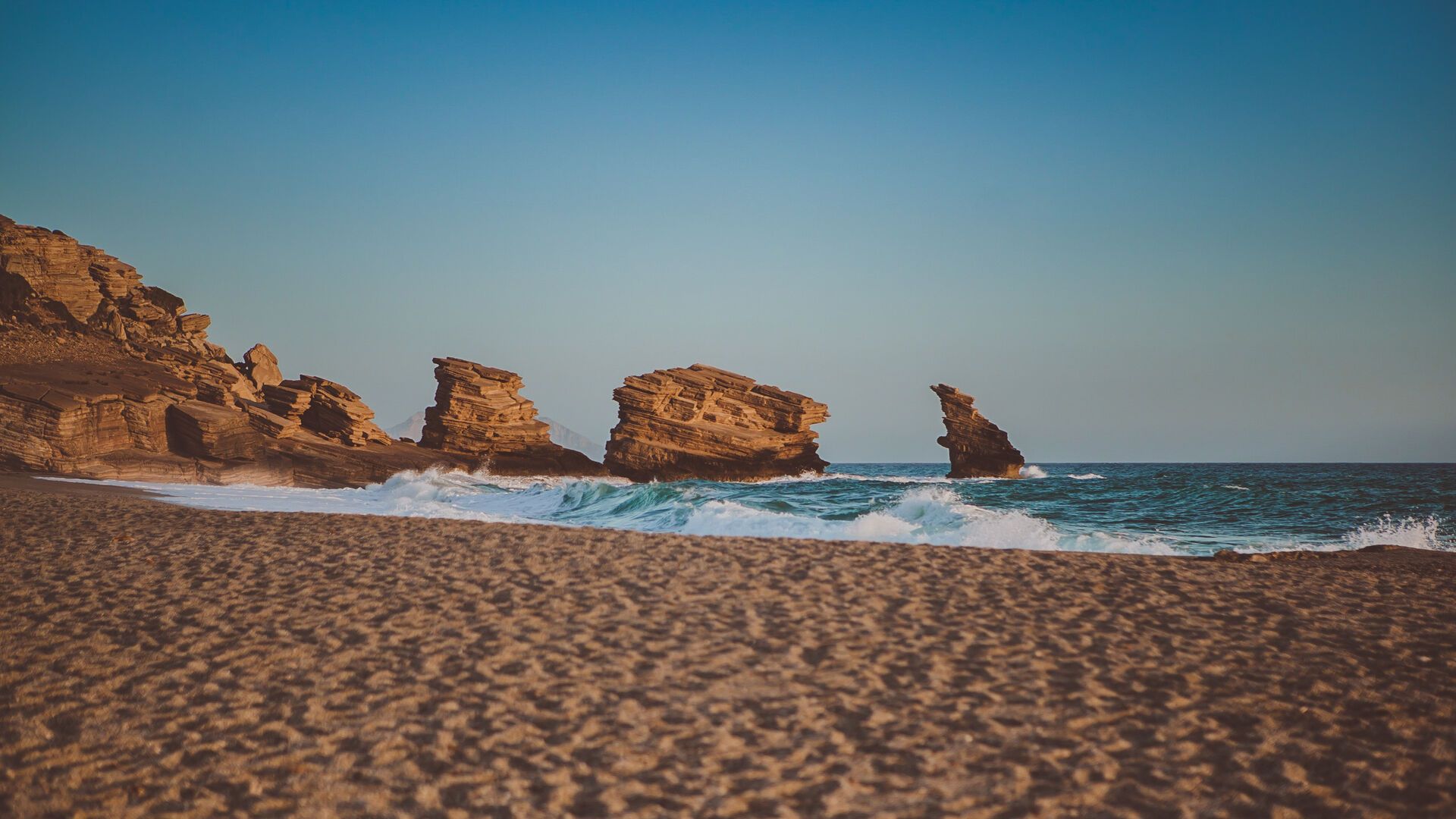
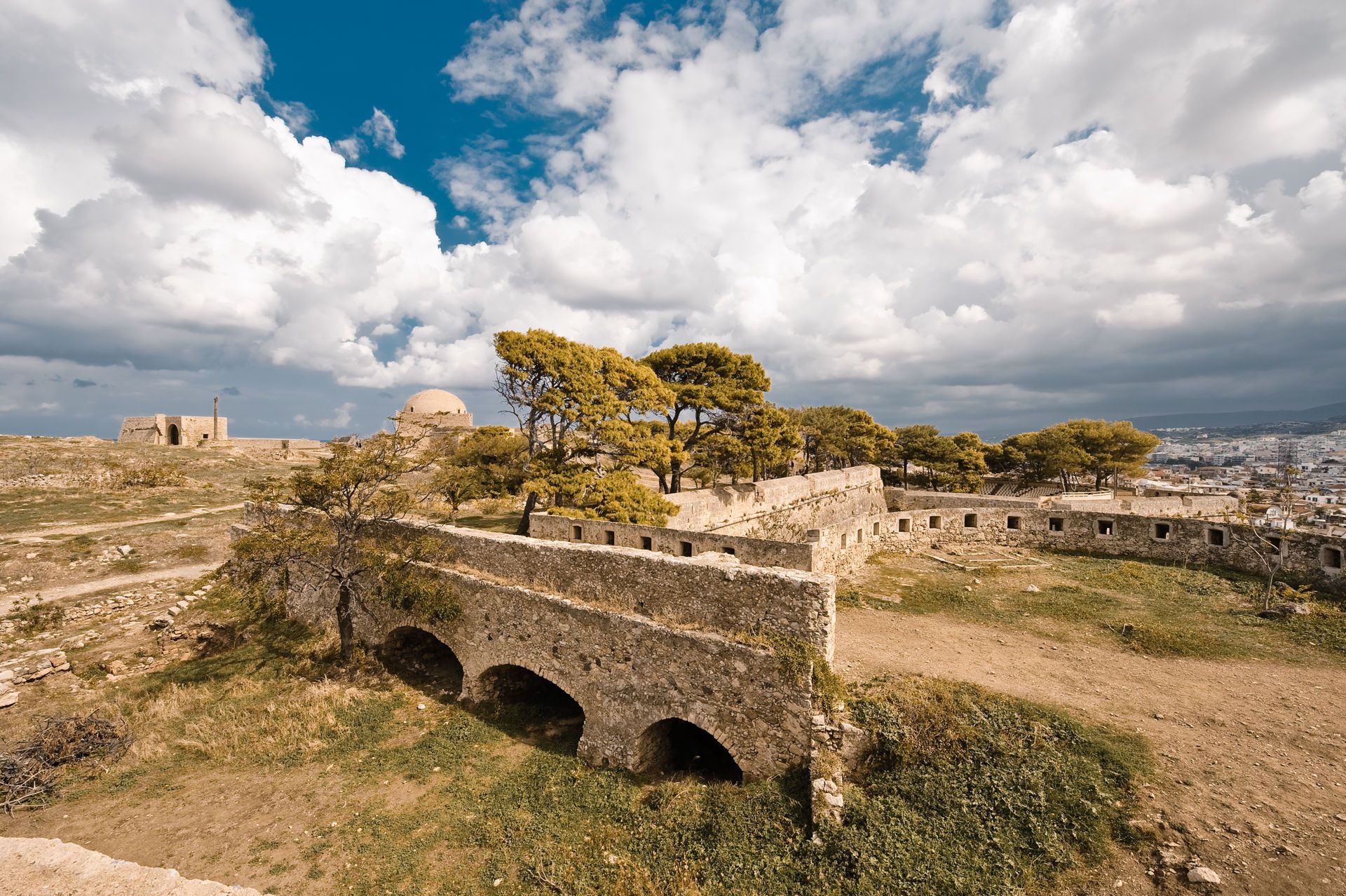
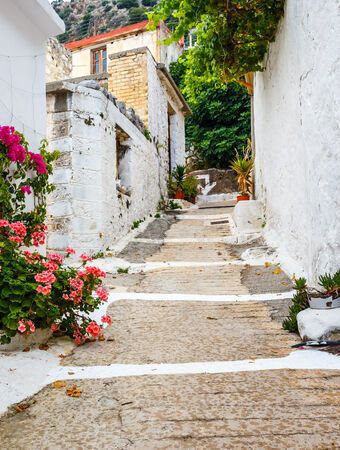
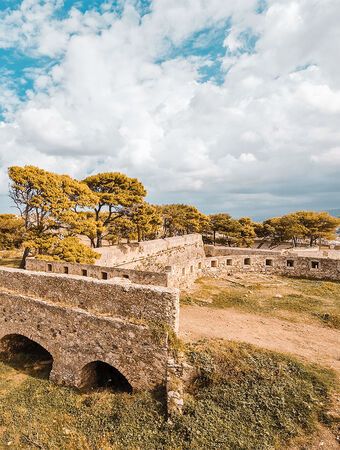
Rethymno: Rethymno is best known for its Old Town and Venetian-era Fortezza (fortress), representing Crete’s multicultural past. Its narrow streets merge seamlessly with its lively café, taverna and boutique scene. In summer, a long sandy beach by the waterfront is a major draw. Beyond the city, you’ll find beach getaways like Geropotamos and Panormos in the north and Preveli and Triopetra in the south. Traditional villages like Plakias on the south coast and Arkadi Monastery also offer a different slice of Cretan life.
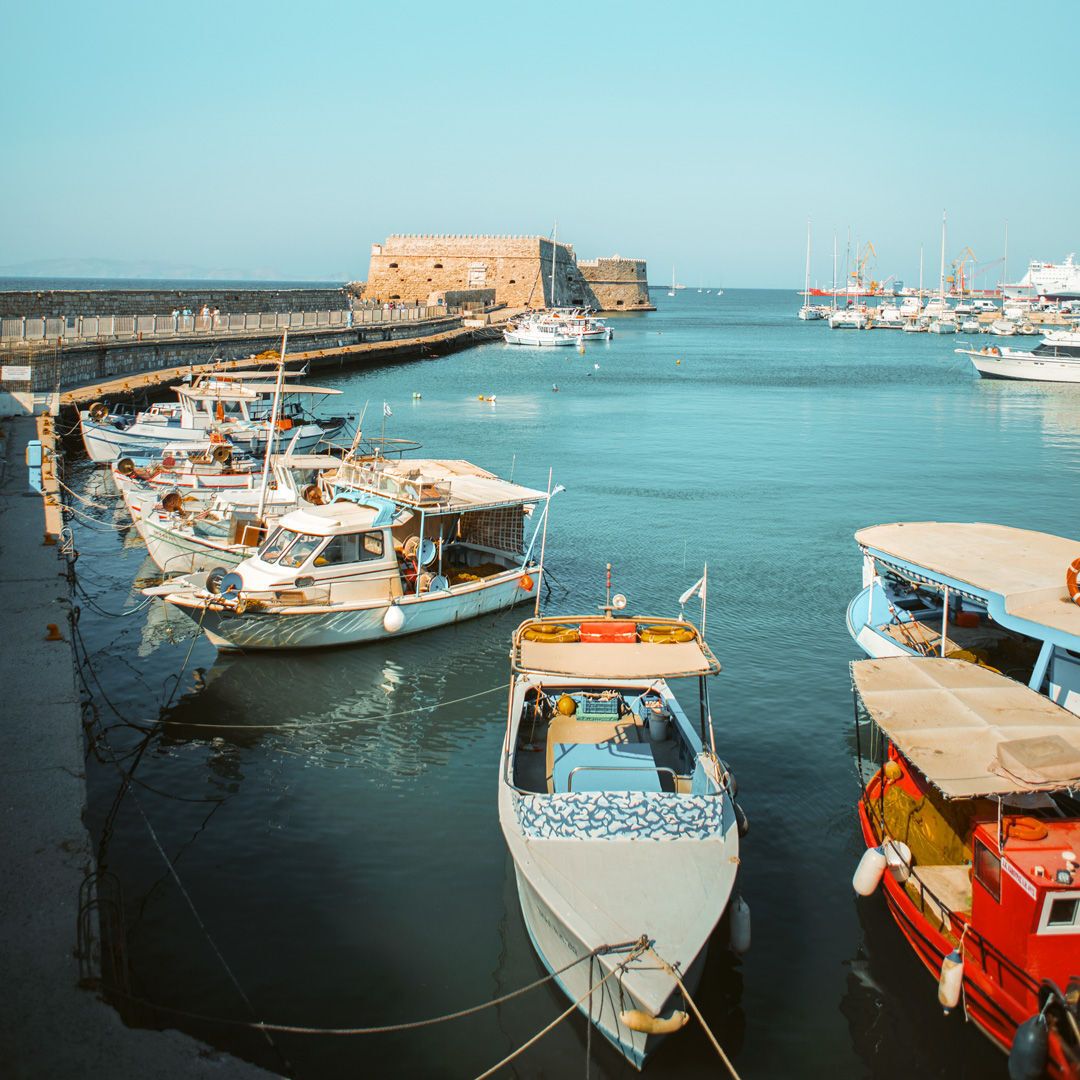
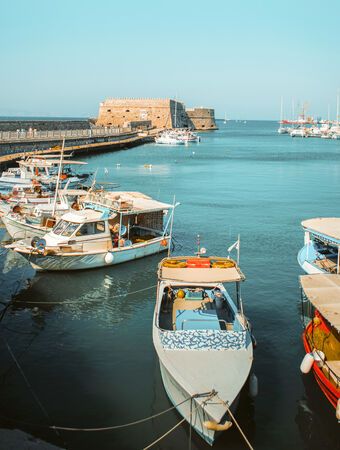
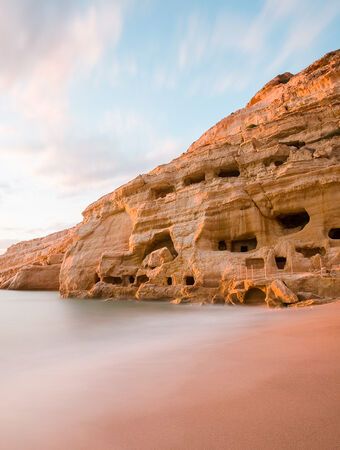
Heraklion: Heraklion is Crete’s administrative capital and largest city, known for its lively urban atmosphere and waterfront and for its Archaeological Museum. Close to the city are the world-renowned Minoan-era Knossos Palace and fertile vineyards. The heart of the region is dominated by the Psiloritis mountains (the tallest in Crete), which are shared with Rethymno. Popular destinations on the north coast of Heraklion include Kokkini Hani and Gouves (with family-friendly seaside resorts), Hersonissos (known for its beaches and lively nightlife), Malia (famous for its party scene) and Stalis. Favourite beaches on the south coast include Matala and Agia Pelagia.
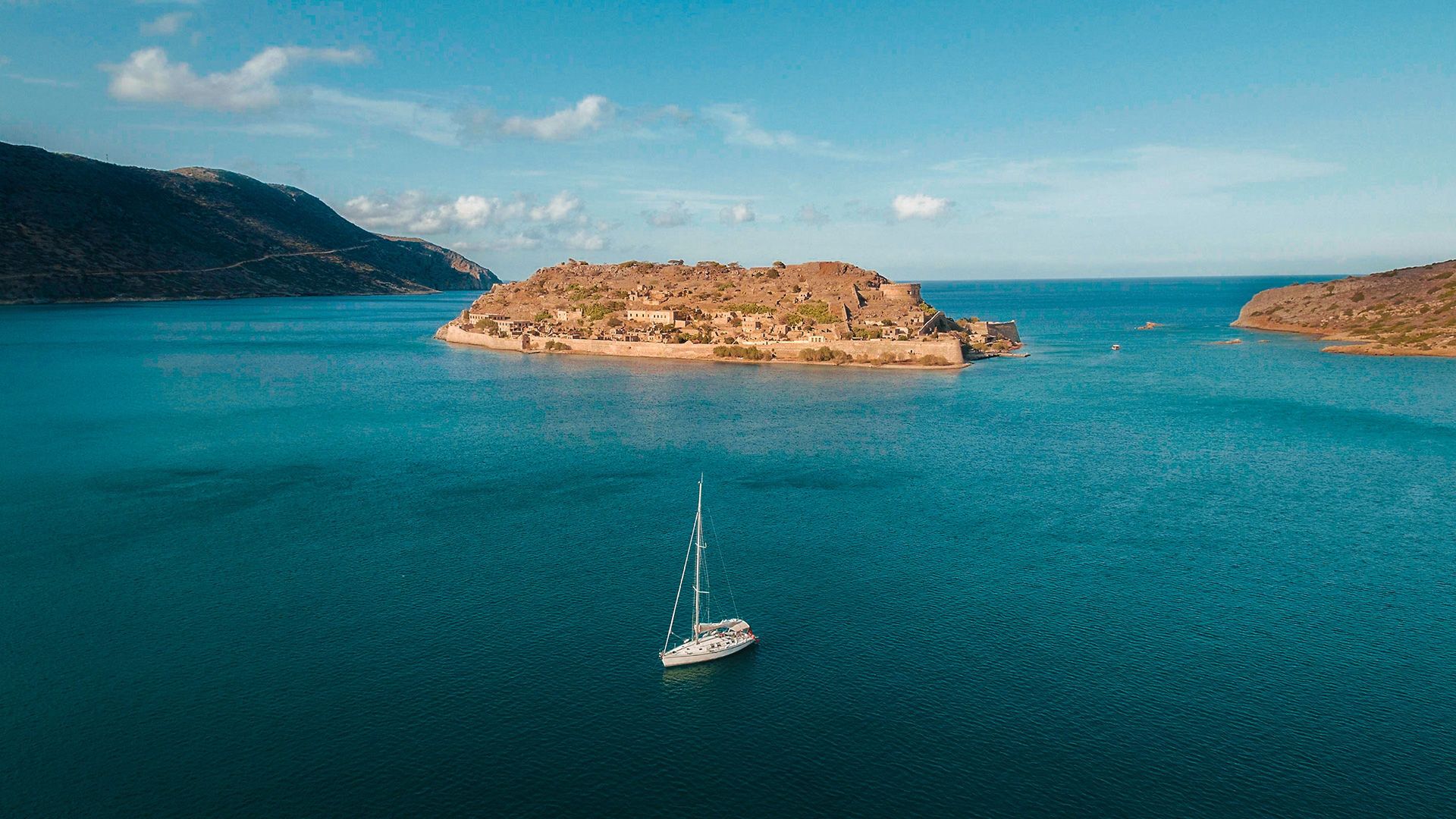
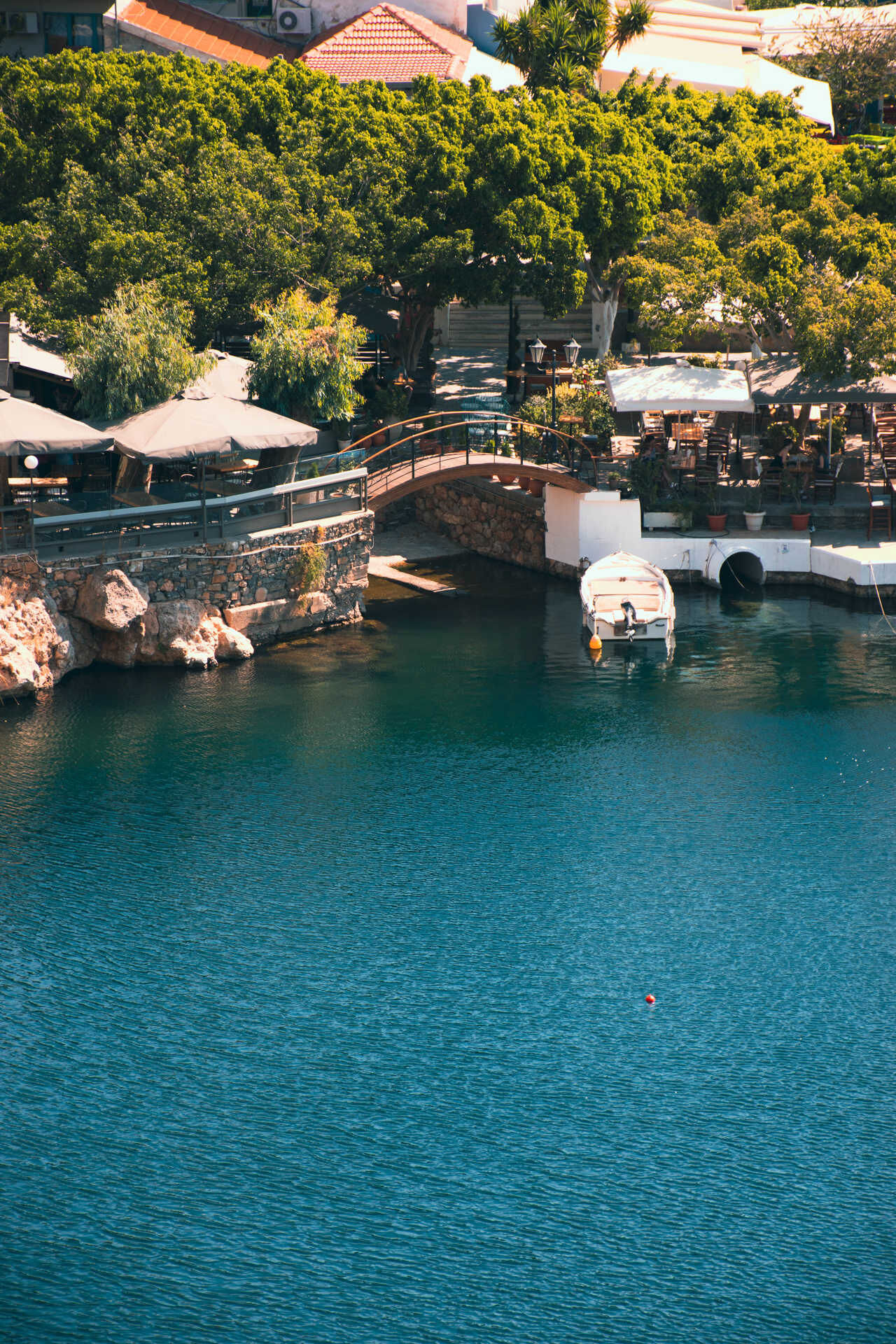
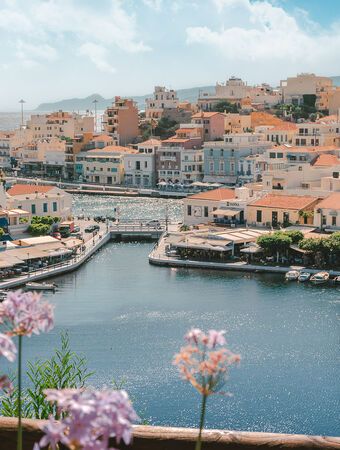
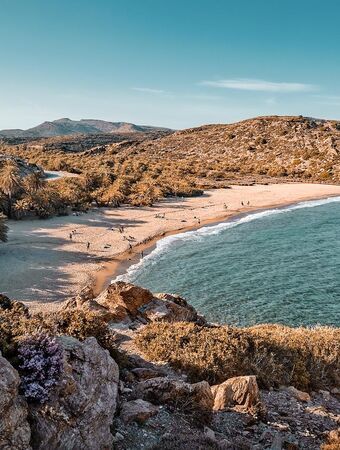
Lasithi: The main settlement of Crete’s easternmost region is Agios Nikolaos, celebrated for its picturesque lake and vibrant waterfront. Nearby Elounda is famed for its luxurious seaside resorts and sandy beaches and for boat trips to Spinalonga island, while settlements like Sitia (in the northeast) and Ierapetra (on the south coast) showcase the area’s more traditional character, with relaxed beaches. On the east coast, Vai beach boasts one of Europe’s biggest palm forests, while the Lasithi Plateau is a fertile plain dotted with authentic Cretan villages, farms and orchards.
Best time to visit Crete
Every season in Crete is special. The most popular months to visit are July and August, but these are also the busiest and hottest times of year. Therefore, if you are able to visit in May-June or September-October, you will still find the weather hot enough for swimming in the sea, but the crowds are smaller. It is also slightly cooler for outdoor activities. Spring and autumn are popular for outdoor activities (especially hiking) when temperatures are milder and the landscape is greener. Wineries are open all year round (sometimes upon request), but if you visit in spring or during the autumn harvest, you will see the vineyards at their most active. The autumn olive harvest is also a magical time to visit Crete.
How to get to Crete
You can reach Crete by air via its major airports in Heraklion, Chania, and, to a lesser extent, Sitia. There are also frequent ferries from the Greek mainland and other Greek islands, depending on the season.
- By air: Chania and Heraklion have airports with international and domestic flights a third, smaller airport in Sitia (in Lasithi, the easternmost region of Crete) is just for domestic flights. The flight time from Athens to Crete is around 55mins and from Thessaloniki is around 1hr 30mins.
International and domestic flights to Crete
- By ferry: The ports of Chania, Heraklion and Sitia have regular ferry services from Piraeus (the port of Athens) throughout the year. There are also ferry connections to many Cyclades and Dodecanese islands. There are more ferry connections in the summer months, including ferries to Heraklion from Rafina, in eastern Attica (around 45mins from central Athens).
Crete island Ferries Schedules
Find real-time ferry schedules, compare prices and plan your trip from Athens to Crete by ferry.






Plan Your Crete Itinerary
Get AI-powered suggestions or work with expert travel specialists
Tours & Activities in Crete
Discover authentic local experiences and secure your bookings for activities and tours with our official online rates.
Chania to Rodopou: Hidden Beaches and Ca...
Unforgettable air balloon flight over th...
The Chania Jewish private tour
Chania: The real Cretan cooking experien...
Chania: Full Day Powerboat Tour to Balos...
Chania: Shades of blue from Balos to Fal...
Where to stay in Crete
Kaliviani Traditional Hotel
Paralos Lifestyle Beach
Olympic Palladium Rethymno by GHH
Chrissy Paradise
Villa Pelagia - Lefka
Sirens Beach & Village
Book your transfers now
Discover the highest-rated ground transportation services for travelers, based on reviews across Google, Tripadvisor, and Trustpilot.
Welcome Pickups offers a seamless, safe, and enjoyable experience for travelers
Trained Drivers
Hand picked & trained drivers
Low prices
Same price as a regular taxi from the line
Arrival monitoring
Drivers are always on time
Quality support
24/7 email & phone support

Book your Ferry Now
Ferries to & from Crete
Find routes, ports & schedules - search below
Crete offers a wide variety of accommodation options, from luxury resorts to budget-friendly hostels. There are plenty of places to stay within and close to Heraklion, Chania, Rethymno and Agios Nikolaos, but there are places to stay all around the island. Most hotels and tourism infrastructure are found on the north coast. Elounda is famous for its luxurious resorts and boutique hotels. For a truly authentic experience, consider staying in traditional guesthouses in smaller towns or villages, which offer a glimpse into Cretan life and hospitality. Booking in advance, especially during peak season, is recommended.
You can find more information on our accommodation page.
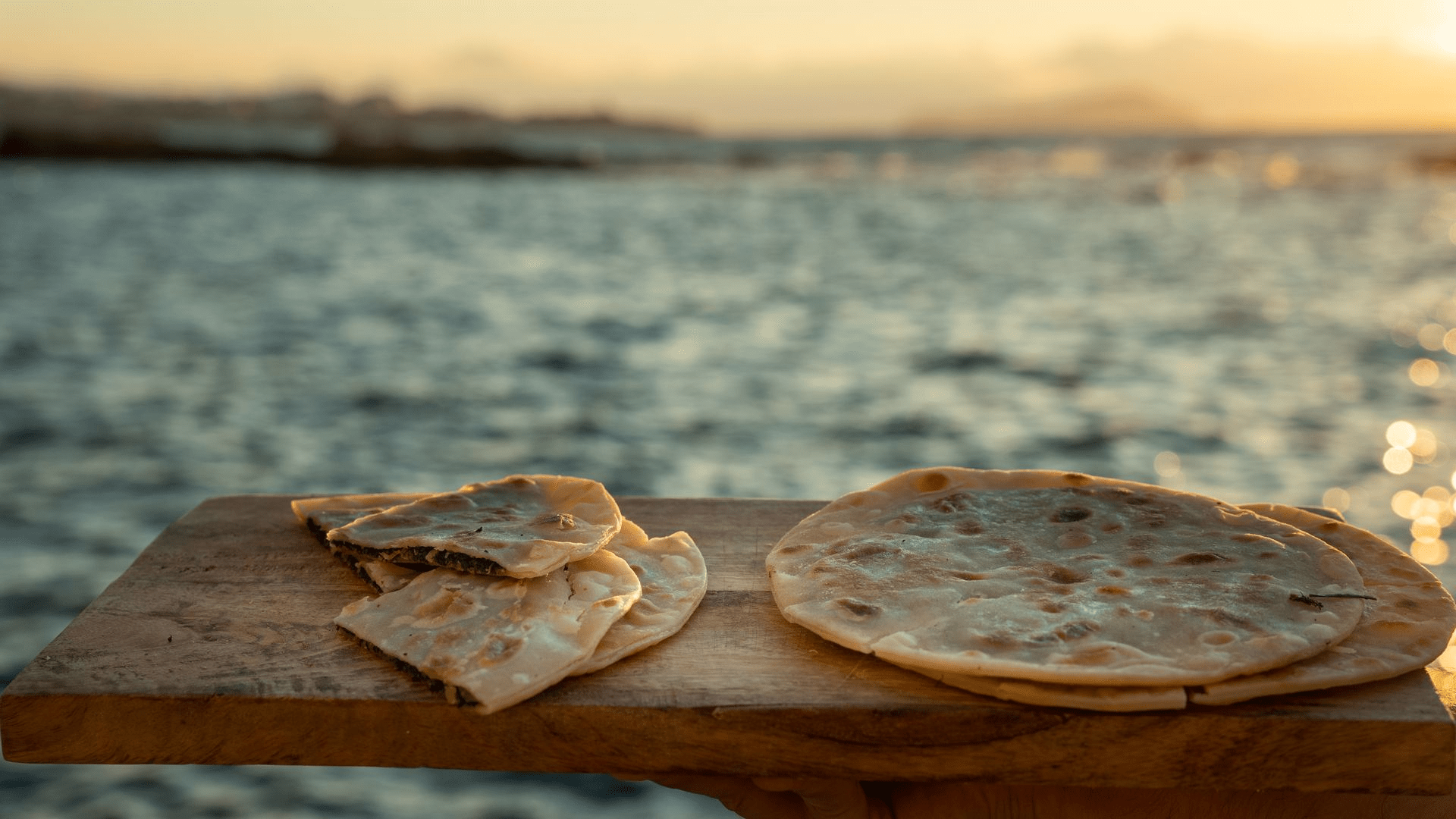
Cretan cuisine is renowned for its fresh, healthy ingredients and delicious flavours, forming the basis of the Mediterranean diet. Crete is famous for its extra-virgin olive oil and seasonal fruit and vegetables, as well as its seafood, cheeses and meat dishes. It is also one of Europe’s oldest wine-producing regions. Must-try dishes include dakos (a Cretan salad with barley rusks, tomatoes, and feta), kalitsounia (small cheese or herb pies), and various seafood dishes. Traditional tavernas are scattered throughout the island, offering local specialities and homemade raki (a local spirit). For a unique experience, join a cooking class to learn how to prepare Cretan dishes and immerse yourself in the local culinary culture.
More on local gastronomy can be found in our Cretan Foodie Guide.
Crete enjoys a classic Mediterranean climate, with hot, dry summers and mild, wetter winters. On average, the island boasts over 300 days of sunshine each year, making it one of Europe’s sunniest destinations. Rainfall is relatively light and predominantly falls between November and March, bringing lush vegetation to the hills and mountains. Summer temperatures commonly reach the high 20s to low 30s (°C), while winters are temperate, especially along the coast. In the higher elevations, snowfall is possible in mid-winter, but overall Crete’s weather remains inviting for most of the year. Spring and autumn are the best seasons for outdoor activities.
Crete is a safe destination, but it's always wise to be cautious, especially in crowded tourist areas. Keep your belongings secure and avoid displaying valuables. The emergency number for all services, including medical emergencies, is 112. Crete has several hospitals and health clinics providing comprehensive medical services. Pharmacies are widely available and can offer over-the-counter medications as well as prescription drugs. Food safety standards are high, making it safe to enjoy local cuisine. Follow local guidance on whether the tap water is safe to drink, although bottled water is preferable and widely available. For more health and safety tips, you can visit our practical info page.
Crete is the largest and southernmost island in Greece, located between the Aegean and the Libyan Sea. It has a population of around 630,000. Just above Crete are the Cyclades islands and, to the northeast, the Dodecanese islands.
Crete is divided into four administrative units. Chania is in the west, followed by Rethymno, Heraklion and Lasithi. Chania, Rethymno and Heraklion are also the names of the cities in these prefectures. The capital of Lasithi (the easternmost prefecture) is Agios Nikolaos. Ierapetra, on the south coast of Lasithi, is the fourth-most populated town in Crete.
Crete has a very good road and bus network, particularly between the cities and main tourism settlements along the north coast (Chania-Rethymno and Heraklion-Lasithi). Renting a car gives you the most flexibility, especially if you plan to visit beaches and cultural sites. There are roads to all the main holiday spots on the south coast, but be aware that roads in the mountainous interior can be windy and narrow. There are also taxi services and organised tours available for day trips and excursions.
Key highlights of Crete include the ancient Minoan palace of Knossos near Heraklion, the charming old towns of Chania and Rethymno, and beautiful beaches found all around the island. There are so many things to do and see in Crete that one trip is never enough. Landmark beaches include Balos, Elafonisi, Preveli and Vai, although they can get busy in the peak summer season, so you may prefer to seek out more remote, less busy beaches. Crete is also known for its food (epitomising the Mediterranean diet) and slow way of life, particularly in the traditional villages.
Absolutely. Crete offers a wide range of family-friendly accommodations, activities, and beaches, along with cultural attractions and outdoor adventures that cater to visitors of all ages.
Visitors can choose from luxury resorts, boutique hotels, self-catering apartments, and traditional guesthouses. Options range from lively resort towns to quiet, remote villages, ensuring there’s something for every taste and budget.
Crete is considered a safe destination for visitors. As with any popular tourist spot, it’s always advisable to take basic precautions, such as keeping an eye on personal belongings in busy areas. Roads can be narrow and winding, especially in the mountainous interior of the island, so care should be taken when driving or renting a scooter. The sea is generally calm in the summer months, but swimmers should always be mindful of local conditions. Overall, Crete is a relaxed and secure island, making it a great choice for families, solo travellers, and couples alike.
Crete caters to a range of budgets, from luxury to affordable travel. While high-end resorts, fine dining and private villas can be pricey, there are plenty of budget-friendly options, including self-catering apartments, guesthouses and traditional tavernas offering great value meals. Hotel prices tend to be higher in July and August, especially in popular settlements and beach resorts, while May-June and September-October and better deals on accommodation and activities. Overall, Crete can be as affordable or luxurious as you choose, making it a great destination for all types of travellers.
As Crete is Greece’s largest island, a week is the minimum to truly enjoy your destination. Whether you’re staying in Chania, Heraklion, Rethymno or Agios Nikolaos, a week gives you time to explore historical landmarks, relax on the beach, enjoy some nature activities, and fully experience Cretan hospitality and cuisine.
But if you want to see more of Crete, 10 days or longer is ideal. This allows you to venture beyond your base, for instance visiting Knossos Palace near Heraklion, Elafonisi beach and beaches on the south coast, natural landmarks like the Samaria Gorge, and hidden gems like the villages of eastern Crete or the Lassithi Plateau. With its incredible diversity, Crete rewards every extra day you spend exploring!