

What is Heraklion best known for?
Heraklion is both a city and a region in central Crete, stretching from the popular north coast to the rugged and more remote south. It’s not just the capital of Crete but also a major gateway to the island, home to its main airport and port. Once there, you’ll discover a multifaceted seaside city that blends past and present, with beaches and cultural highlights to match.
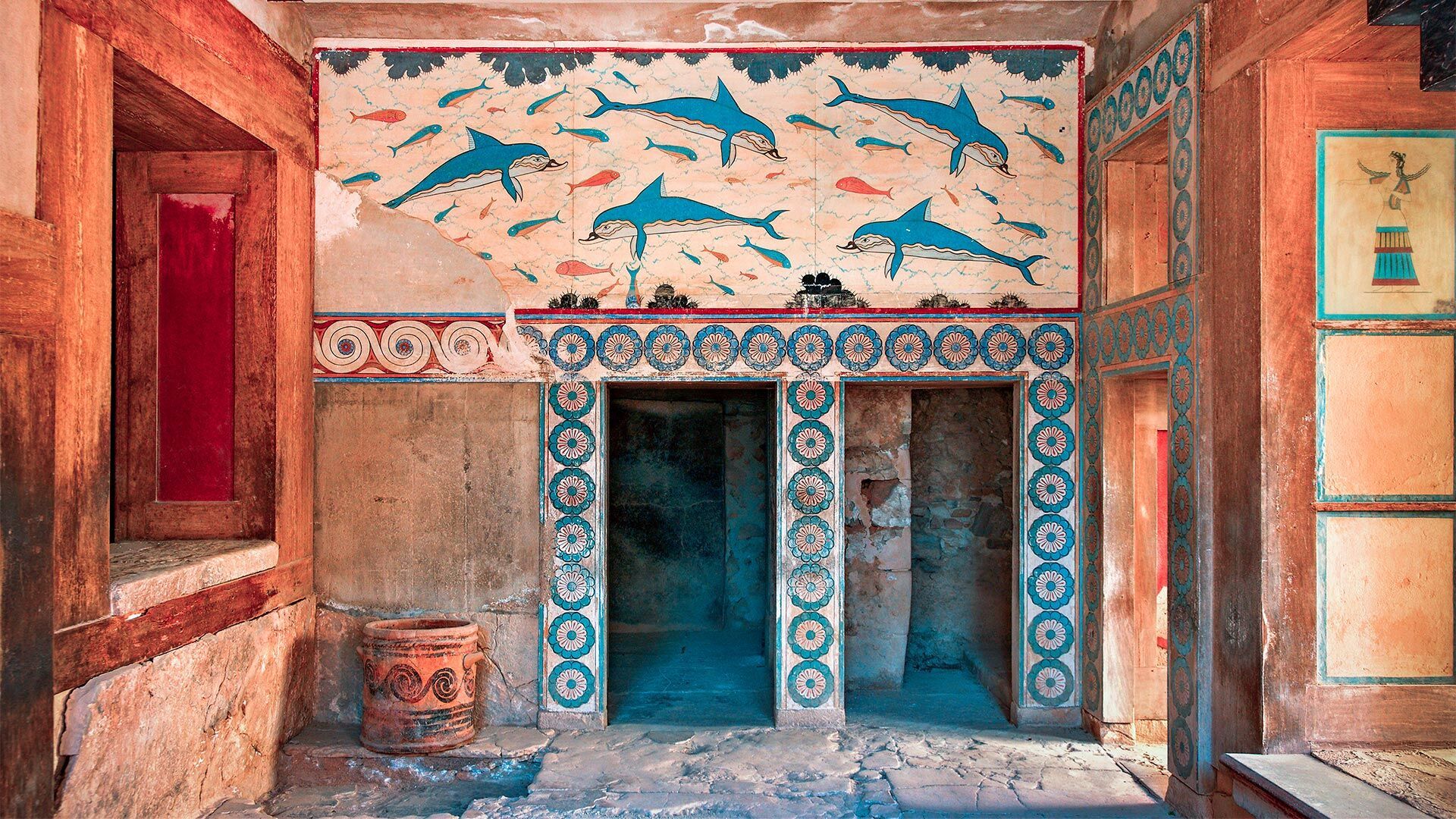
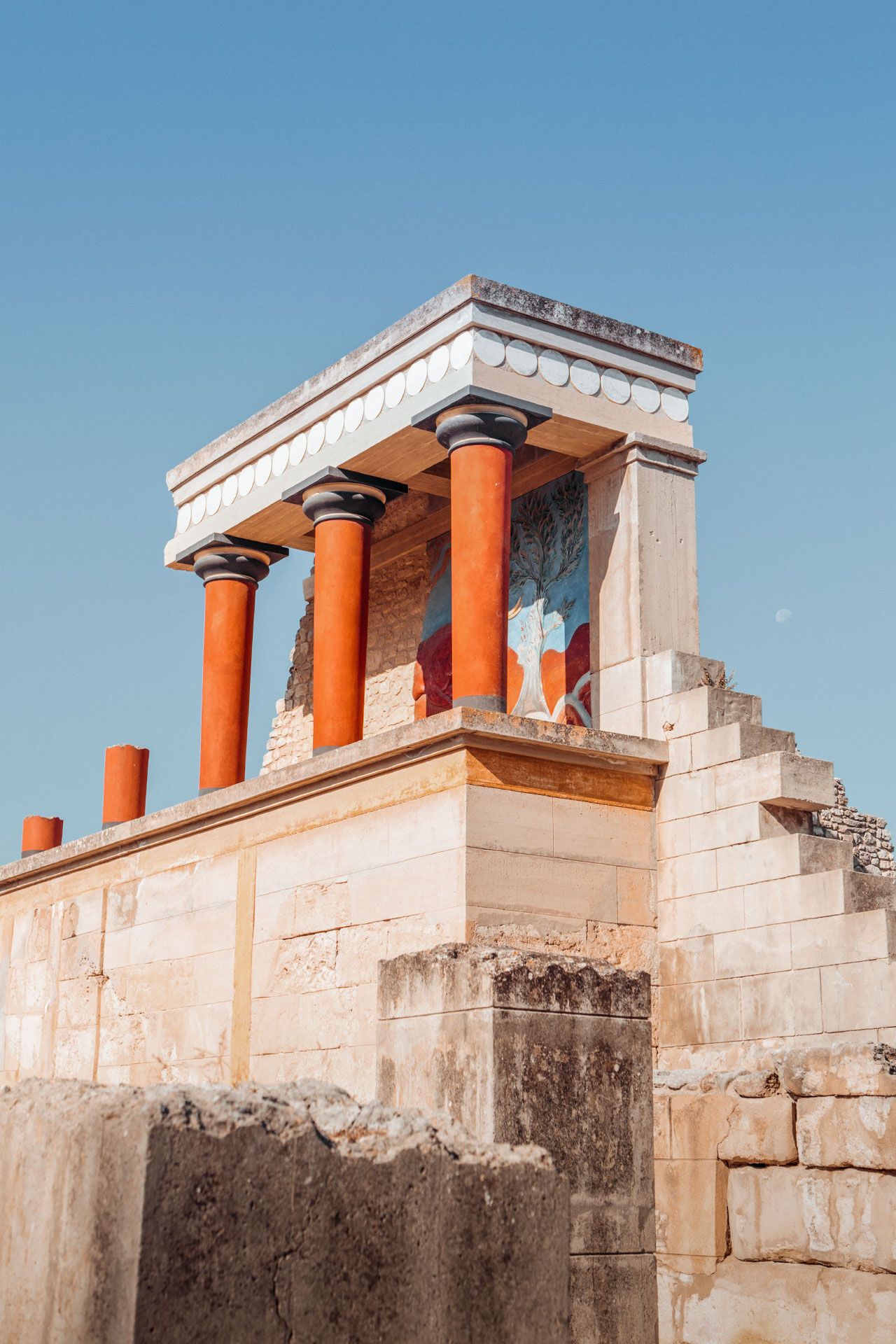
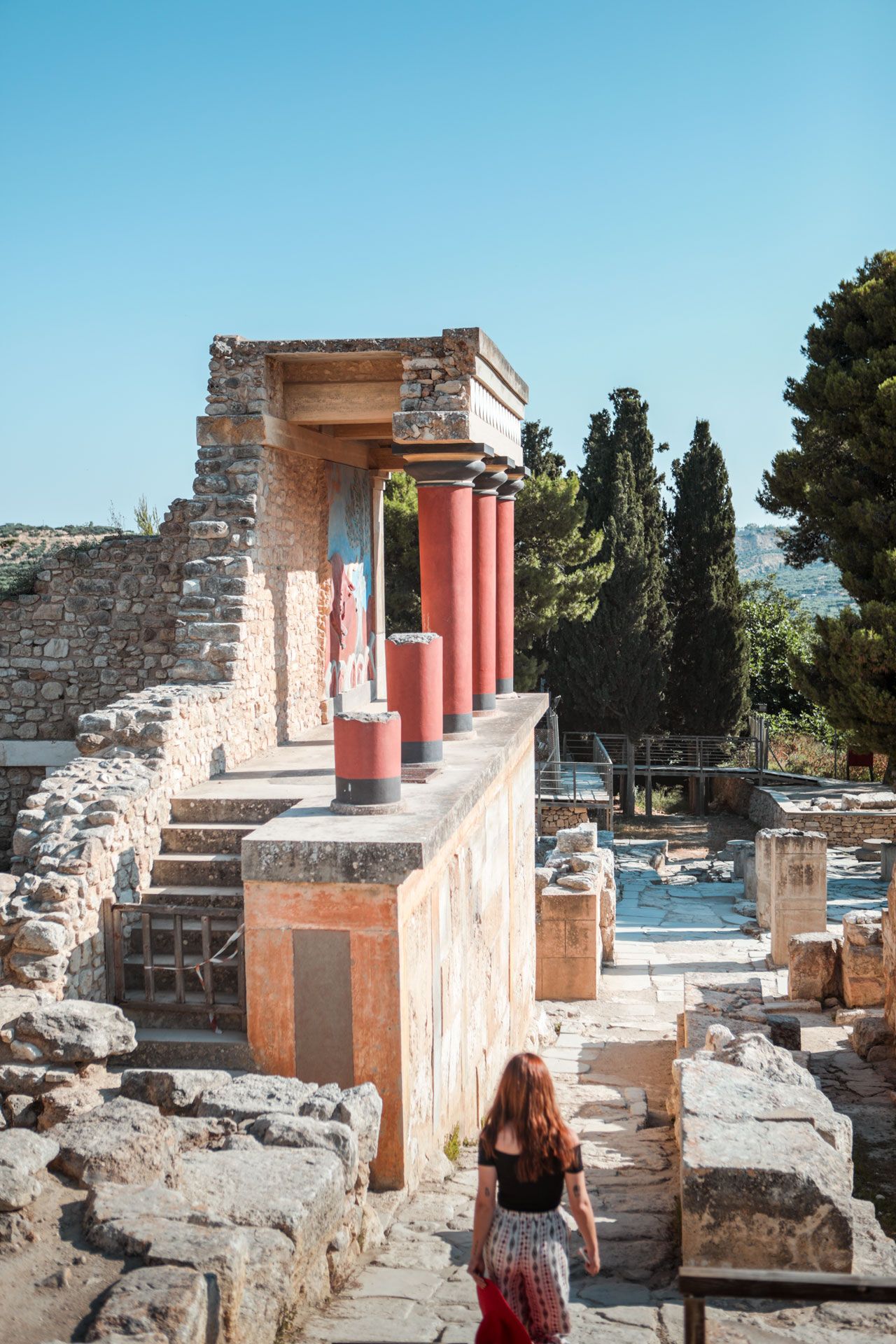
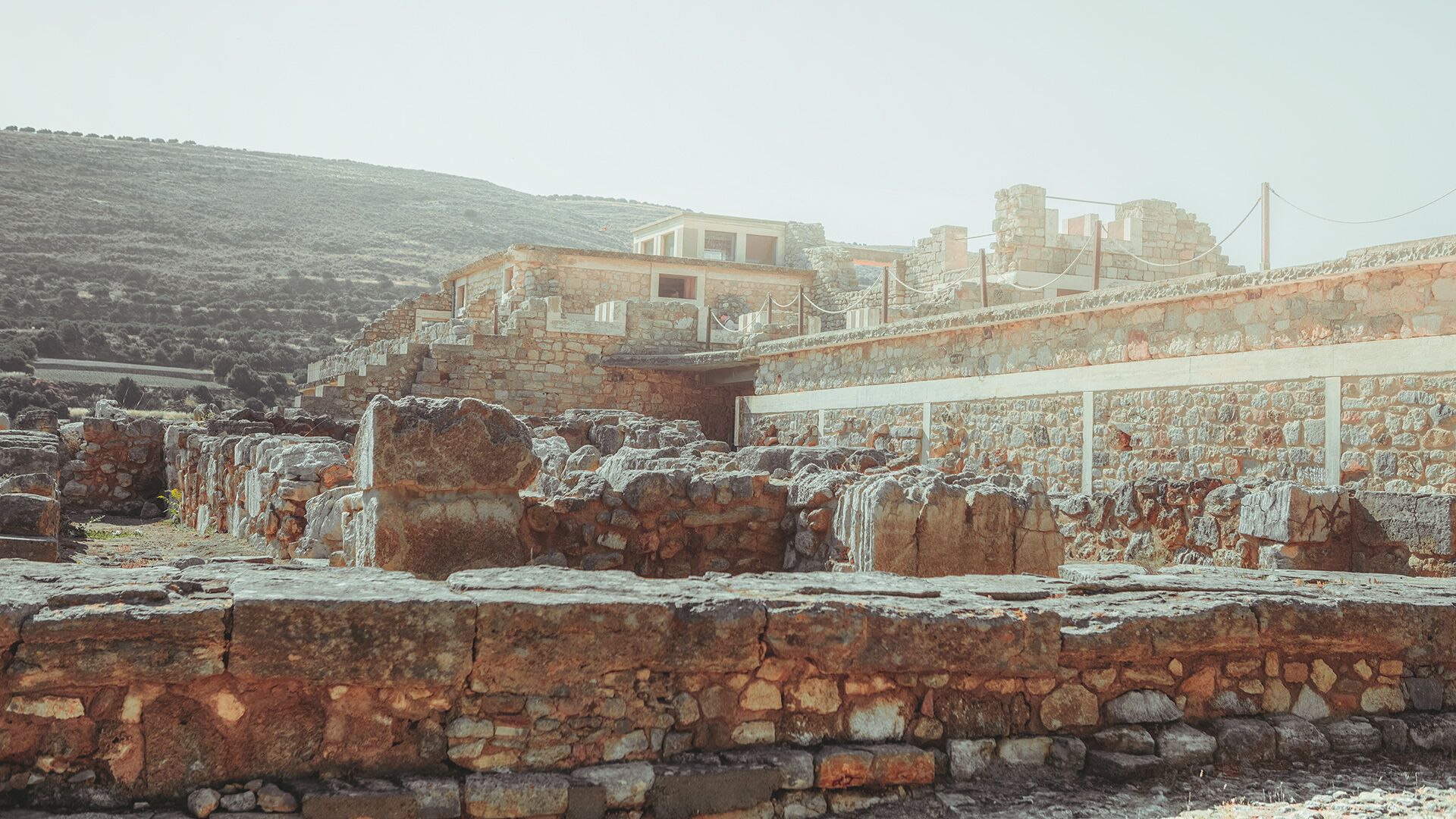
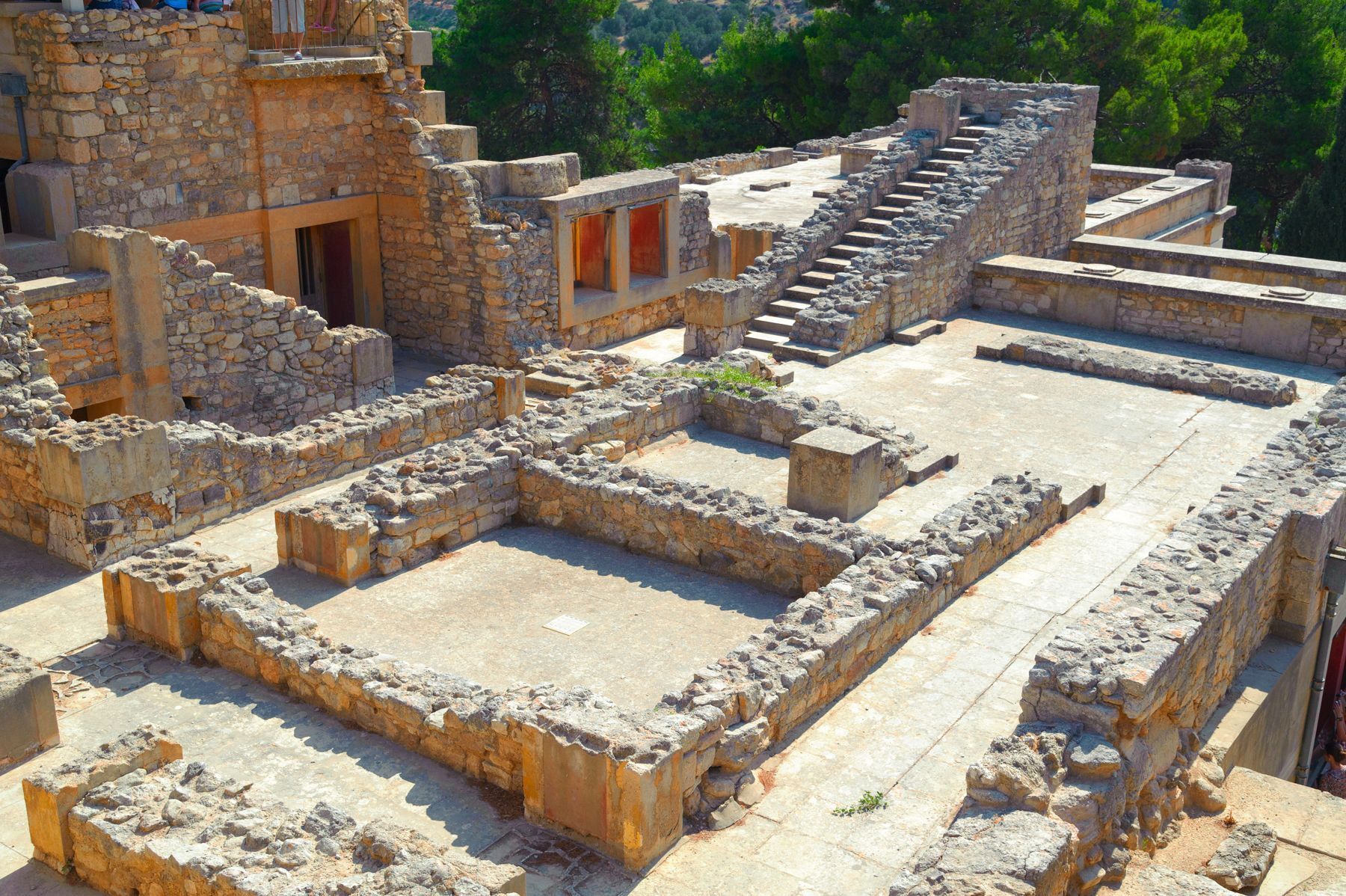
The region is best known for being the heartland of the Minoan civilisation, one of the earliest advanced cultures in Europe. The star attraction from this time is the Palace of Knossos, dating to between 2000 and 1400 BC and linked to the legendary Minotaur slain by Theseus in Greek mythology.
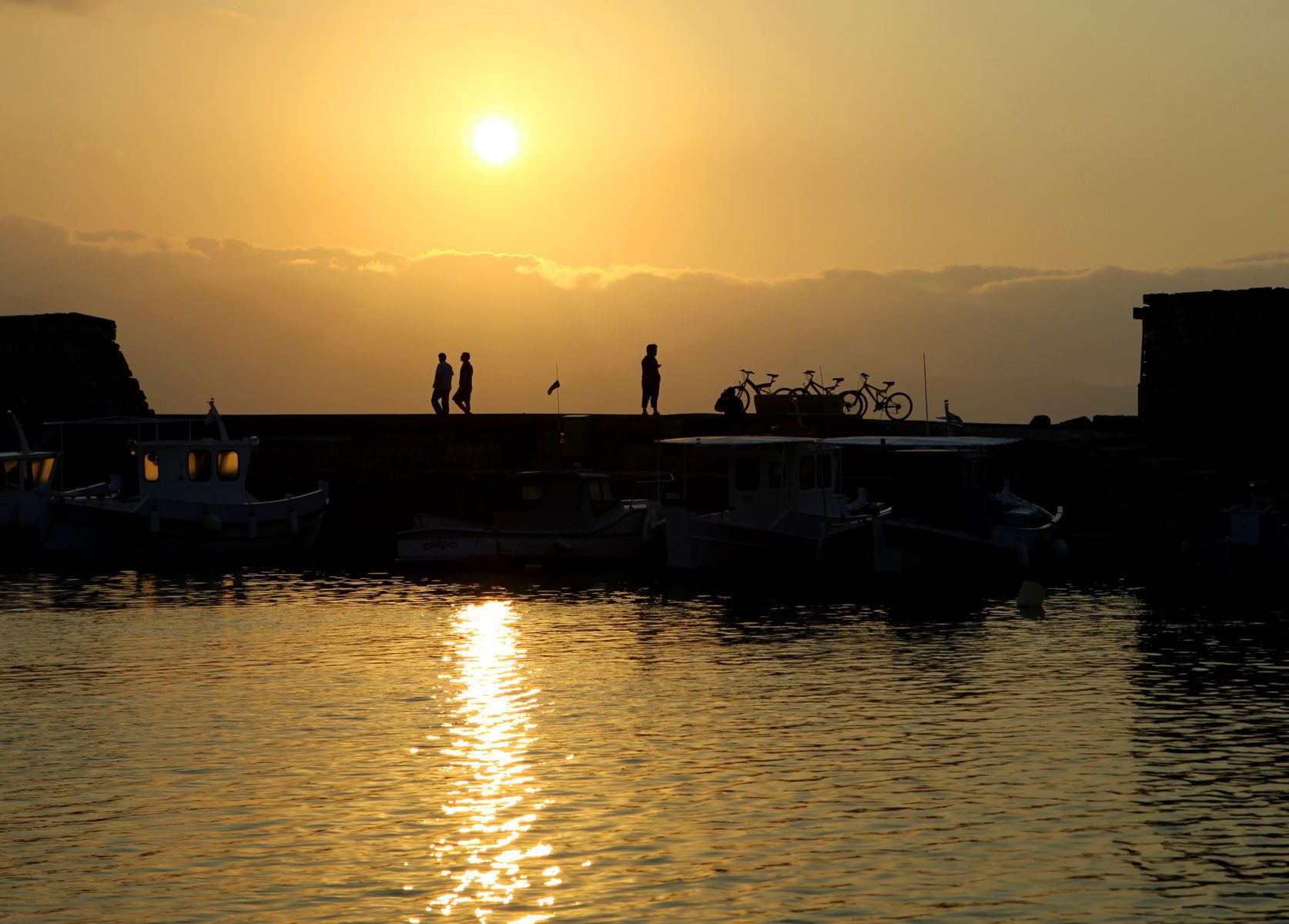
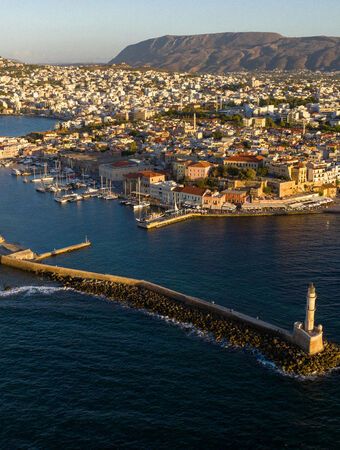
Heraklion city is famous for its Old Town and Venetian harbour, along with its mix of old and new, with attractive squares, pedestrian streets, and a choice of restaurants and cafes.
Away from the city, the region’s appeal stretches to traditional villages and coastal resorts that have been entertaining visitors for decades. Inland, the fertile hills produce around two-thirds of Crete’s wine and are dotted with welcoming villages where the island’s renowned food culture comes to life.
What to do in Heraklion
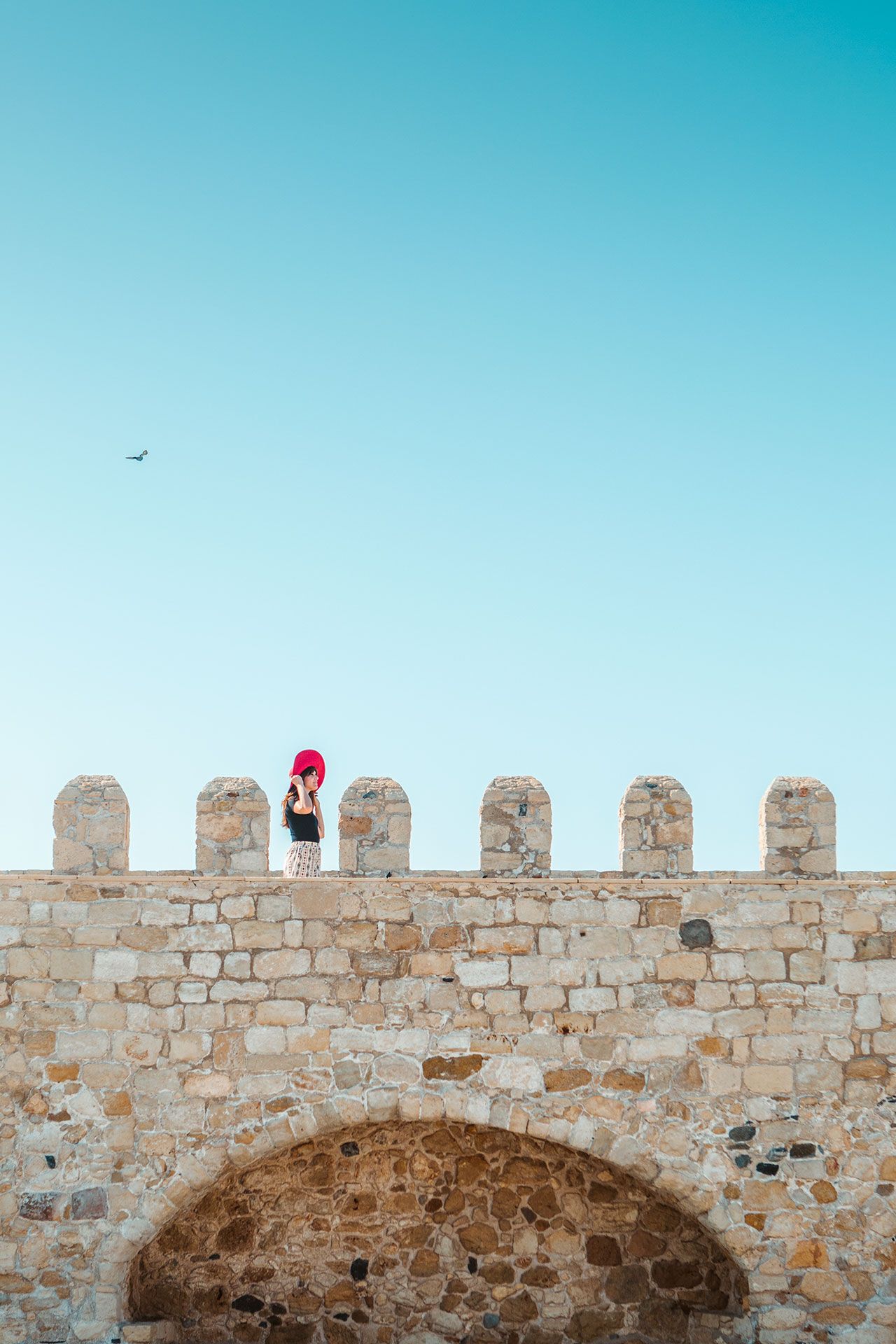
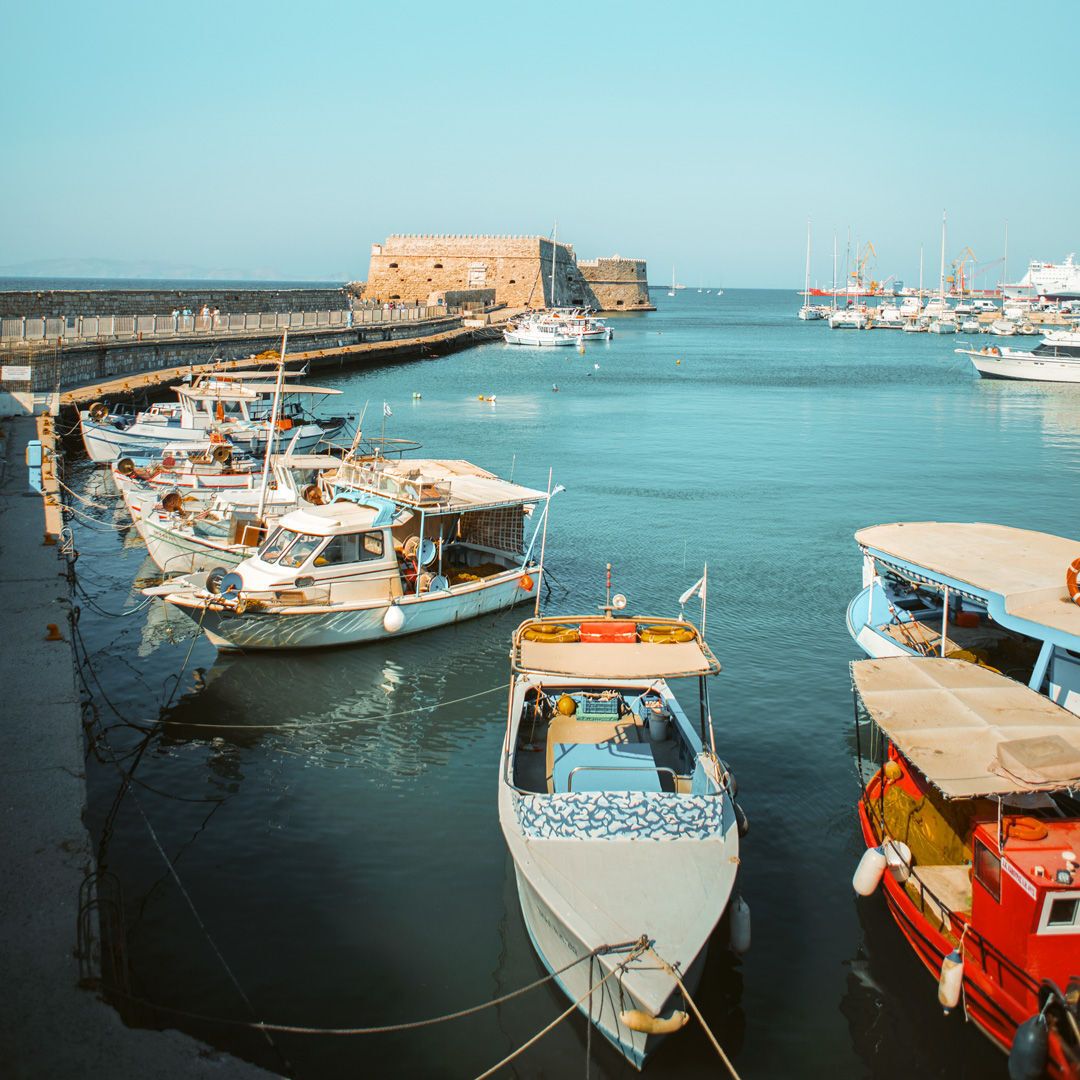
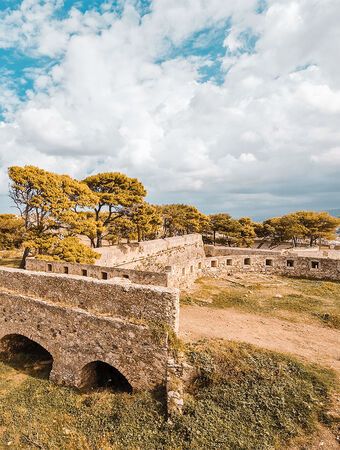
Even if you're not based in Heraklion city, it's worth making time for a walking tour of the Old Town. This is where the layers of history come vividly to life – from the Venetian architecture and Ottoman remains to squares and hidden churches. At the heart of it all is Lion Square and the Morosini Fountain, still one of the city’s most popular meeting spots, while Koules Fortress and the Venetian Walls offer panoramic views and a glimpse into Heraklion’s past as a fortified port.
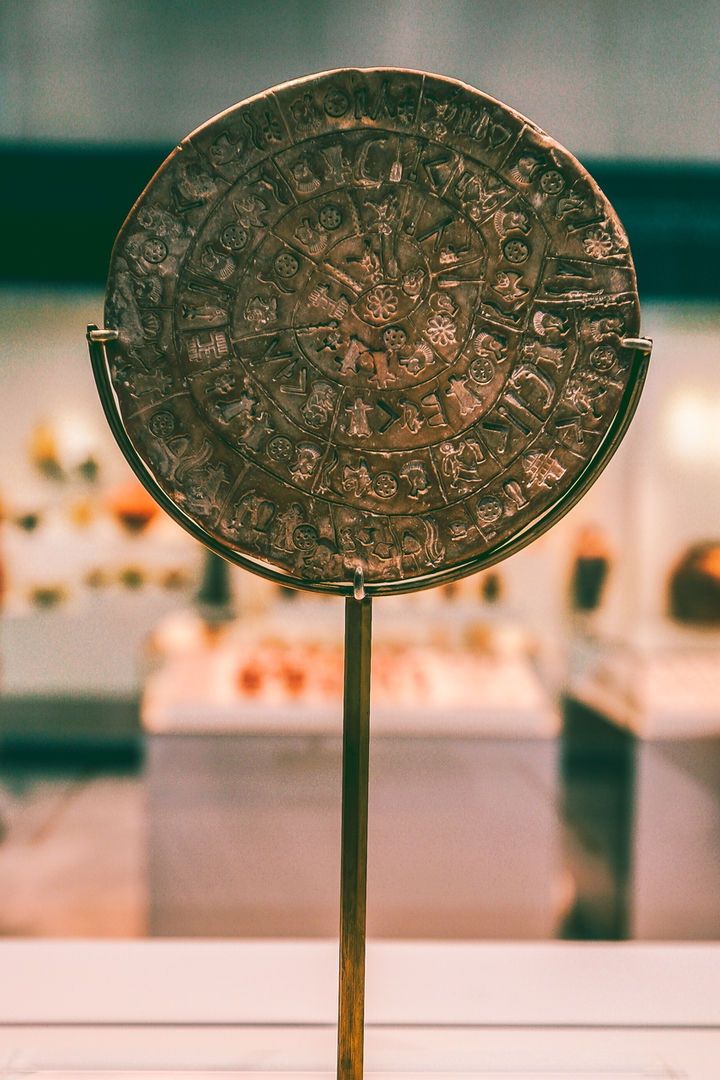
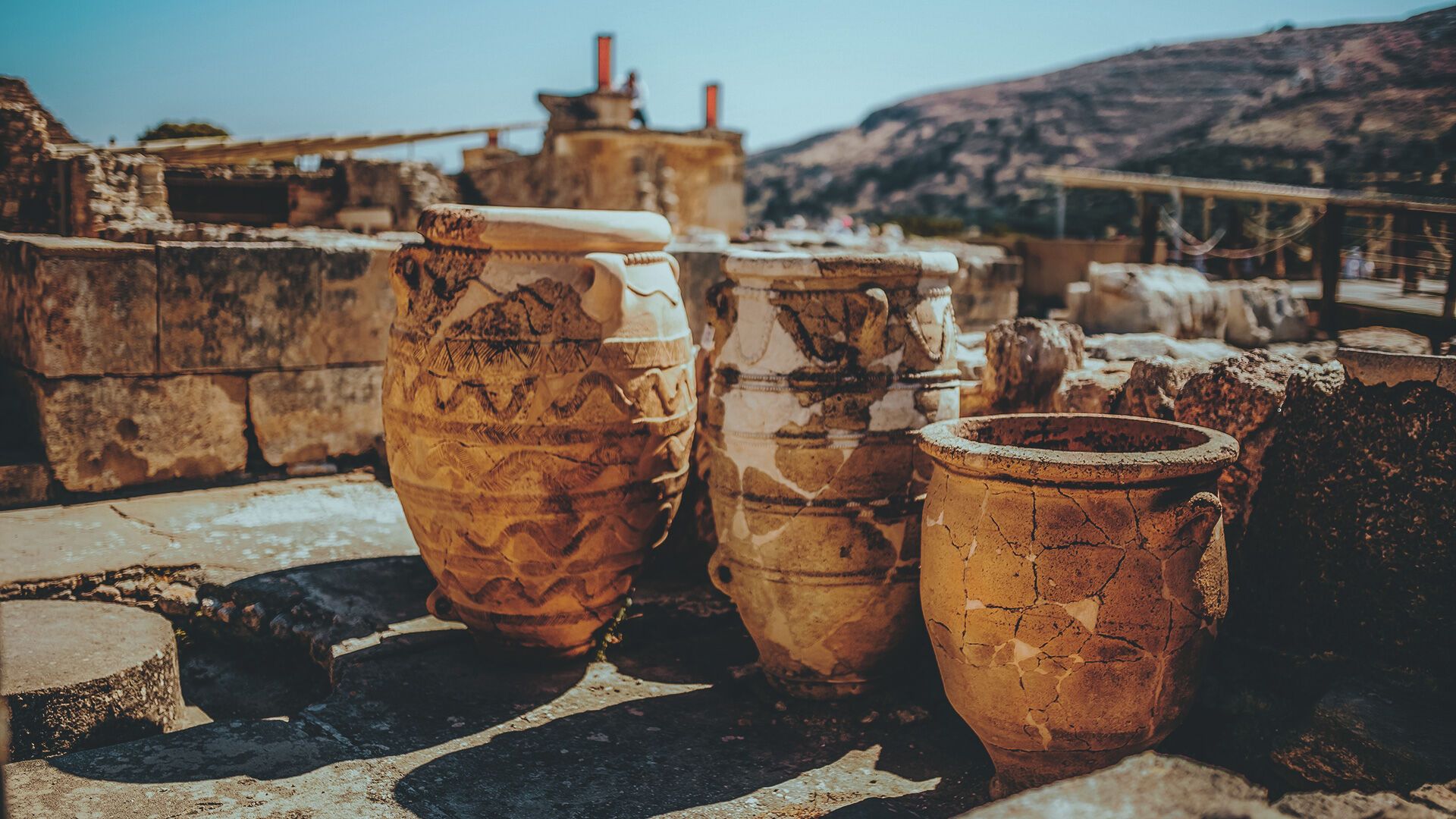
The Archaeological Museum of Heraklion is home to one of the world’s most significant collections of Minoan artefacts. Exhibits bring to life a civilisation that flourished more than 3,000 years ago. The museum sets the perfect context for your visit to the Palace of Knossos, just a few kilometres from the city. Knossos is one of the UNESCO-protected Minoan Palatial Centres that served as administrative, economic and religious hubs for Europe’s earliest advanced civilisation. Highlights include the Throne Room, Grand Staircase and restored frescoes.
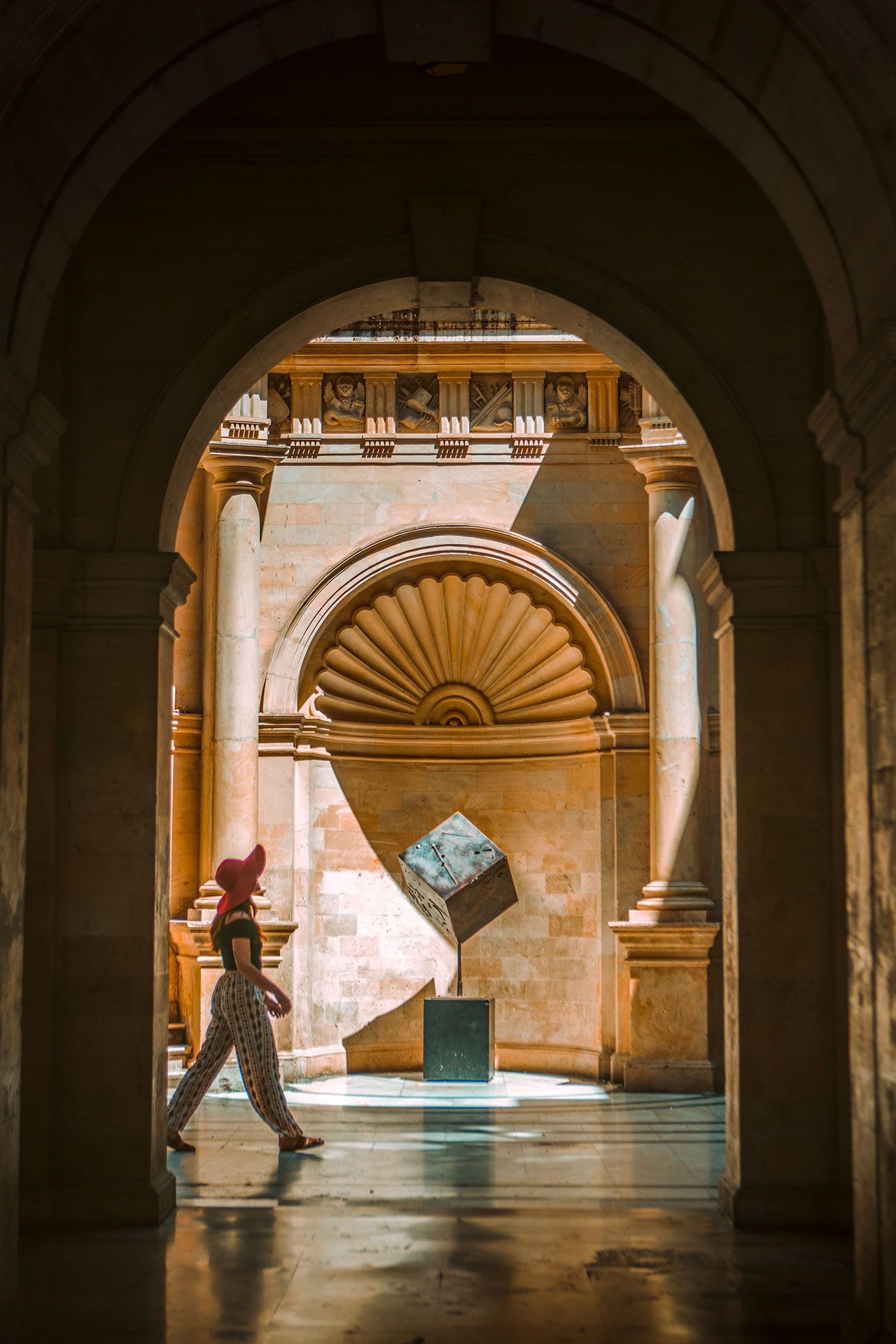
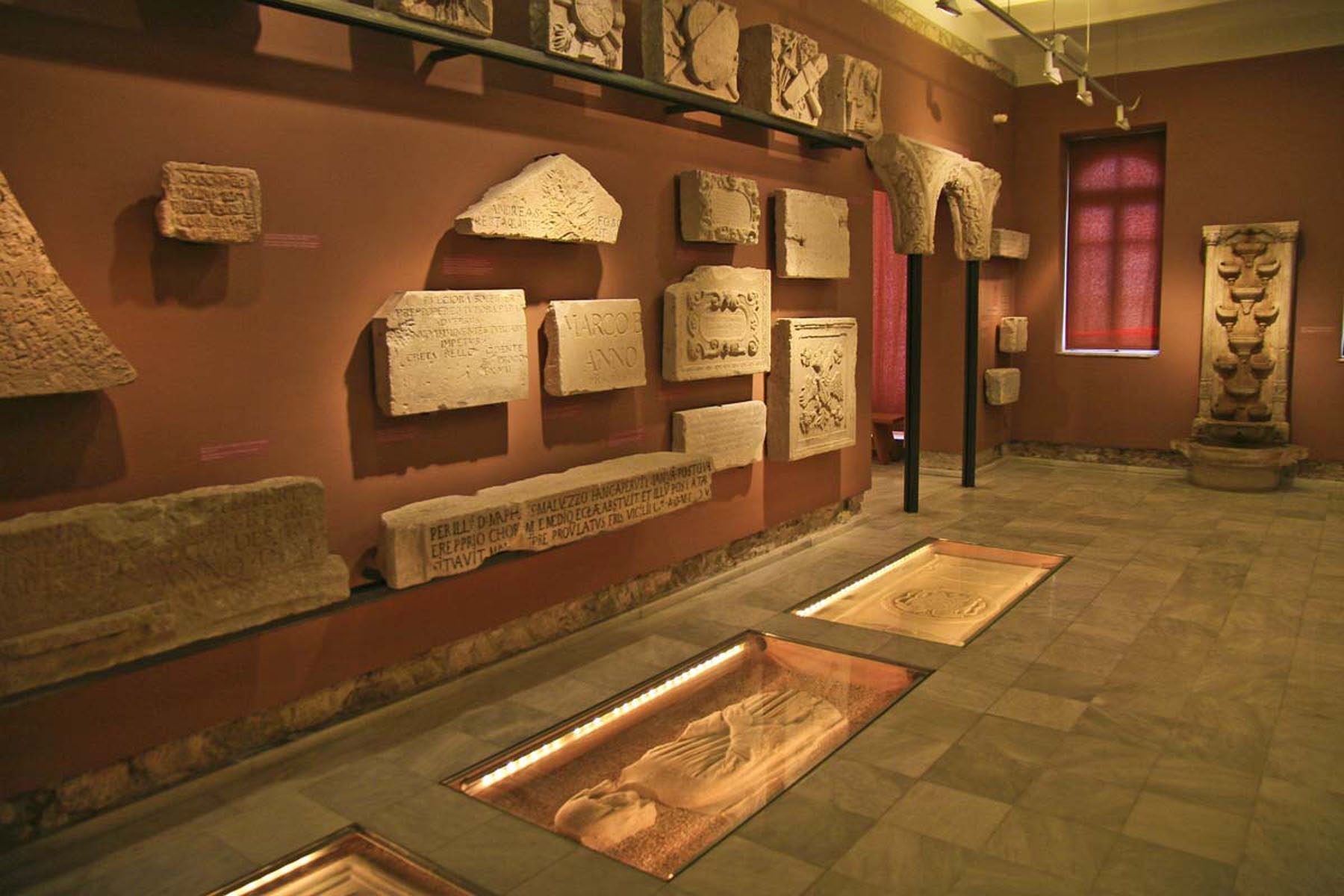
Back in the city, the Historical Museum of Crete allows you to uncover the island’s more recent past – from the Byzantine and Venetian eras to WWII resistance – and includes works by the island’s most famous artist, El Greco.
Families will find plenty of things to do in Heraklion and Crete generally. Away from the beach, kids can enjoy waterparks and kid-focused cultural activities like mythology tours, as well as visit the Natural History Museum of Crete and the Museum of Ancient Greek Technology.
Exploring the wider region, wine lovers can head to Peza and Dafnes, just 15-20km outside the city, where vineyard visits include tastings of native grape varieties like Vilana and Liatiko, often accompanied by meze. You can also visit Archanes, a colourful wine-making settlement with archaeological interest and traditional tavernas.
To the south, Rouvas Forest near Zaros offers tranquil hikes through pine and cypress trees, with shady trails and picnic spots. The area sits at the foothills of Mount Psiloritis, Crete’s tallest mountain, whose summit lies in Rethymno but whose lower slopes and scenic villages are easily explored from Heraklion. It’s a perfect setting for sunset walks and slow travel.
If you’re keen to explore more Minoan sites, the Palace of Phaistos is quieter than Knossos, set on a hill overlooking the fertile Messara Plain in southern Heraklion. Around 16km away is Gortyna, a Roman site featuring the famous Gortyn Code – one of the oldest written legal inscriptions in Europe. Meanwhile, close to Malia and other holiday resorts on the north coast, is Malia Archaeological Site, which was occupied from the middle 3rd millennium BC until about 1250 BC.
From city walks and archaeological wonders to mountain trails and wine routes, the variety of things to do in Heraklion makes it a destination to return to again and again.
Best Beaches in Heraklion
Heraklion has beaches for every mood – from lively and easy to reach to remote and wild. Whether you stay close to the city or venture further afield, there’s a beach to match your pace.
On the north coast, Ammoudara is the most convenient beach near Heraklion city – long, sandy and fully organised, with hotels and cafes along the seafront. A little further east, Amnissos is a favourite with locals for its shallow waters and relaxed vibe. To the west, Agia Pelagia is one of the most popular beach resorts in the region, tucked into a sheltered bay that’s perfect for swimming and water sports. And for something quieter, Potamos beach near the Malia archaeological site offers a more peaceful setting, even in summer.
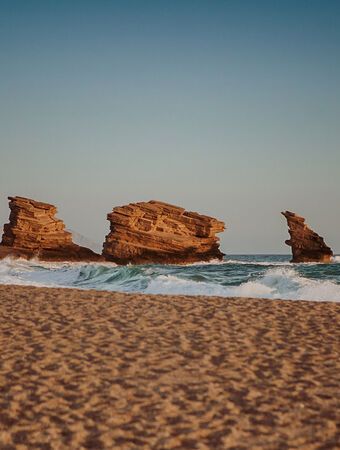
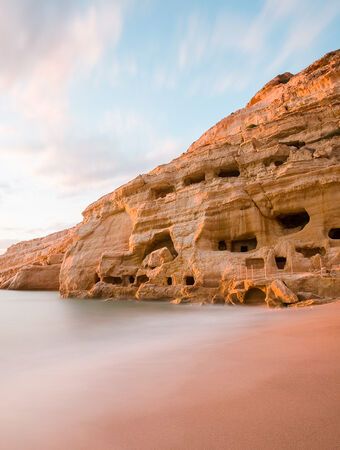
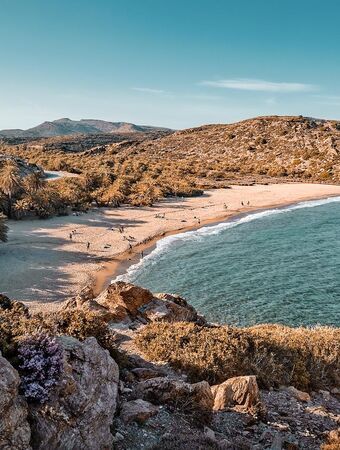
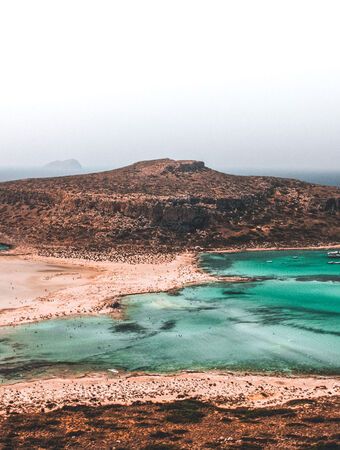
The south coast feels more rugged and remote. Matala is the standout – a beach famous for its cliffside caves and laid-back feel and for being a favourite with 1960s hippies. Just south lies Kommos, a vast, sandy beach that feels a world away and backs onto an important archaeological site. For a wilder experience, you can hike or take a boat to Agiofarago, a dramatic beach at the mouth of a gorge. And if you’re seeking pure escape, Listis and Tris Ekklisies are among the region’s most secluded beaches – ideal for travellers looking to unplug completely.
These are just a few of the many beaches in the region, with even more to discover across Heraklion’s varied coastline.
Best time to visit Heraklion
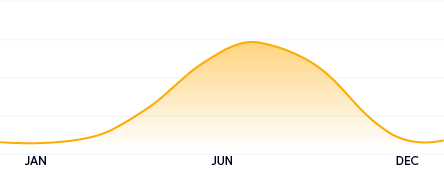
Heraklion is a favourite destination for summer holidays, when the beaches and resorts are in full swing. July and August are the busiest months, so for a more relaxed experience, the best time to visit Heraklion is in May-June or September-October. The weather is still warm, and the sea - especially in late summer – is ideal for swimming. You’ll also find more space to enjoy the archaeological sites and Old Town. Spring and autumn are the best seasons in Heraklion for exploring the region’s landmarks and food culture, especially at vineyards and olive presses. They’re also ideal for nature activities, especially hiking. In winter, the pace slows even further but the weather becomes changeable.
How to get to Heraklion
If you’re wondering, ‘Does Heraklion have an airport?’ the answer is yes. Heraklion International Airport welcomes direct flights from many European cities during the summer months, as well as year-round domestic flights from Athens (around 1 hr).
You can also reach Heraklion by boat from Athens, with daily services from Piraeus port to Heraklion, typically travelling overnight. Ferries are also available from other islands such as Santorini, Mykonos, Ios and Paros, especially during the summer season.
Once you arrive, Heraklion city is just a short drive from both the airport and ferry port, making it easy to start exploring right away.
Ferry Schedules to Heraklion
Heraklion, the largest city in Crete, is connected to mainland Greece via Piraeus Port.
From Piraeus:
- High-speed and conventional ferries: ~8 hr to Heraklion Port (Crete)
From Cycladic islands (seasonal, summer months only):
- High-speed ferries: ~3 hr to ~6 hr from islands like Santorini, Mykonos, and Paros
Ferries usually offer vehicle decks, numbered seats, and cabins for overnight travel.
Luggage is typically included in the ticket, with storage spaces available on board.
In summer, you can also find direct ferry routes between Heraklion and other Cretan ports like Chania, as well as island-hopping options in the Cyclades.

Plan Your Heraklion - Knossos Itinerary
Get AI-powered suggestions or work with expert travel specialists
Tours & Activities in Heraklion - Knossos
Discover authentic local experiences and secure your bookings for activities and tours with our official online rates.
From Heraklion: Road Trip to Samaria Gor...
From Heraklion: East and South Crete Vil...
Crete: Private Hot Air Balloon Ride "Rom...
Where to stay in Heraklion - Knossos
Georgia's Garden Hotel by Omilos Hotels
Aquila Atlantis Hotel
Kalimera Archanes Village Crete
3 Pines Design Living
Agapi Beach Resort
Nana Golden Beach
Book your Ferry Now
Ferries to & from Heraklion - Knossos
Find routes, ports & schedules - search below
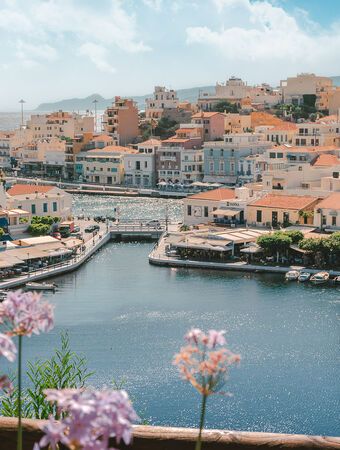
In Heraklion city, you'll find everything from boutique hotels in renovated townhouses to modern apartments close to shops, restaurants and museums. It’s a great base from which to explore the Old Town and harbour, and from which to reach all the other best places to visit in Heraklion.
The north coast has plenty of beachside resorts and family-friendly hotels in areas like Ammoudara, Agia Pelagia and Hersonissos, with easy access to organised beaches and activities. Gouves is also popular with families, while Malia is famous for its party scene.
For a more traditional setting, look to inland villages such as Archanes and Houdetsi, where guesthouses offer a quieter pace and a closer connection to the Heraklion countryside.
On the south coast, Matala, Pitsidia and nearby villages offer rooms to let and smaller hotels with a laid-back feel, close to beaches. These are great options if you’re looking to unwind and enjoy Crete’s wilder side.
Food is at the heart of any holiday experience in Crete. Whether you're in Heraklion city, on the coast or in a mountain village, you'll find Mediterranean flavours and a strong connection to the land and Cretan heritage.
There are plenty of options for Cretan cuisine in Heraklion city. Nothing beats eating in the pedestrian lanes of the Old Town, whether you choose a traditional taverna or a modern restaurant offering updated classics.
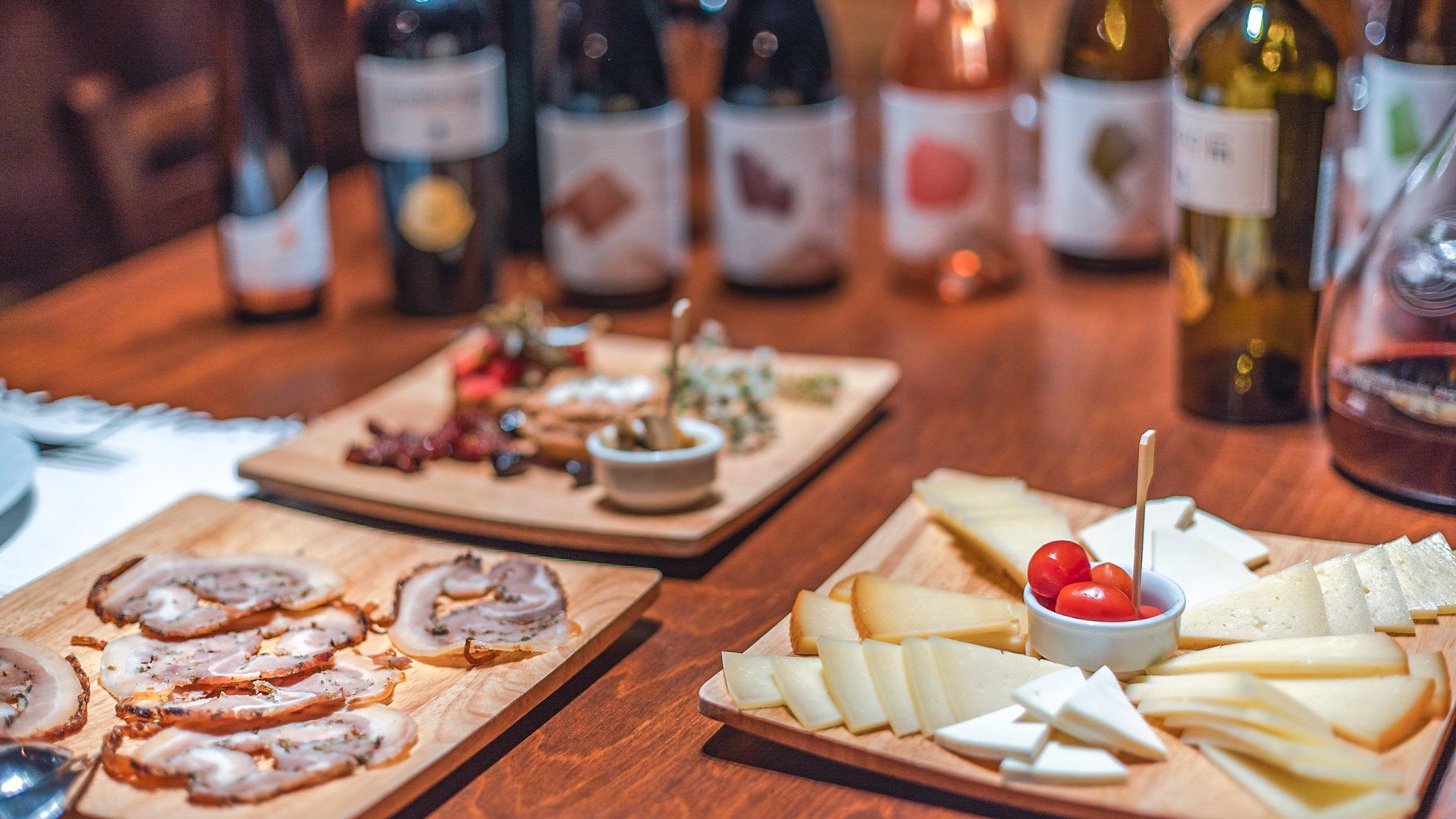
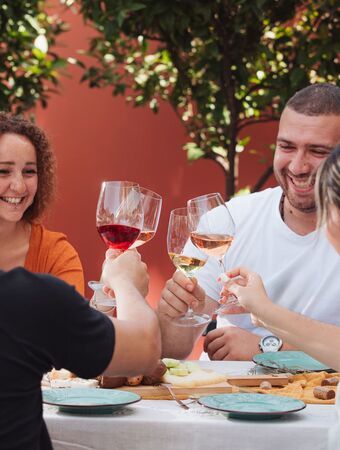
The wider region is rich in local ingredients – from olive oil and wild greens to cheeses, herbs and honey. Inland villages like Archanes and Peza are known for their wine culture, with tavernas offering homely dishes and sweet treats. Meals typically end with a glass of locally distilled raki. And on the south coast, places like Matala and Pitsidia offer laid-back tavernas serving simple, seasonal dishes just steps from the sea.
Wherever you eat, expect warm hospitality and flavours that reflect a proud culinary heritage.
The climate in Heraklion is typically Mediterranean, with hot, dry summers and mild, wetter winters. From May to October, you can expect plenty of sunshine and warm temperatures – ideal for beach holidays, swimming and outdoor activities. July and August are the hottest months, with daytime highs often reaching the mid-30s°C, though sea breezes help keep things comfortable along the coast.
Spring and autumn are perfect for hiking, sightseeing and exploring inland villages, with pleasant daytime temperatures and fewer crowds. Most rainfall occurs between November and March, especially in mountainous areas, where it can get noticeably cooler. Overall, Heraklion enjoys a long warm-weather season, making it a great destination from early spring to late autumn.
Heraklion is a safe and welcoming destination, known for its friendly locals and relaxed atmosphere. As with any popular destination, it’s wise to take basic precautions – keep an eye on your belongings in busy areas and avoid leaving valuables unattended on the beach. Solo travellers will find it easy to get around, with plenty of opportunities to explore at their own pace.
There are pharmacies throughout Heraklion city and in all main tourist areas, and the region is served by a general hospital located about 10km from the city centre. There are also private clinics in the city and medical facilities in the larger settlements. Food safety standards are high, and bottled water is widely available. Follow local advice on tap water.
If you're heading into more remote areas or planning to hike, always carry water, wear a hat and apply sunscreen, and never hike alone. For emergencies, the number for all services in Greece (medical, police and fire) is 112.
Heraklion, the largest city in Crete, is connected to mainland Greece via Piraeus Port.
From Piraeus:
- High-speed and conventional ferries: ~8 hr to Heraklion Port (Crete)
From Cycladic islands (seasonal, summer months only):
- High-speed ferries: ~3 hr to ~6 hr from islands like Santorini, Mykonos, and Paros
Ferries usually offer vehicle decks, numbered seats, and cabins for overnight travel.
Luggage is typically included in the ticket, with storage spaces available on board.
In summer, you can also find direct ferry routes between Heraklion and other Cretan ports like Chania, as well as island-hopping options in the Cyclades.
Heraklion is located on the north coast of Crete, which is the largest island in Greece. It’s the capital of the Heraklion region and of the island as a whole, positioned between the regions of Rethymno and Lasithi. As one of Crete’s main transport hubs, Heraklion is often the starting point for visitors arriving by plane or ferry and offers easy access to both coastal resorts and inland villages across central Crete.
Heraklion city is compact and easy to explore on foot, especially the Old Town, where most of the shops, museums and historical landmarks are within walking distance. For slightly longer journeys (including to Knossos), you can use local buses or taxis, both of which are widely available.
To explore the wider region, the most flexible option is to hire a car. This gives you easy access to coastal resorts, archaeological sites and inland villages at your own pace. There’s also a reliable KTEL bus network connecting Heraklion city with towns like Agia Pelagia, Hersonissos, Malia, Matala and Archanes, as well as other destinations in Crete, including Rethymno, Chania, Agios Nikolaos, Sitia, Ierapetra and Elounda.
Buses depart from Heraklion’s main KTEL station, with more frequent schedules in summer.
Yes, Heraklion is a great destination for families. In the city, children will enjoy exploring the pedestrian-friendly Old Town, discovering Minoan history at the Archaeological Museum and Knossos, and visiting the Koules Fortress. Other cultural activities include the Natural History Museum of Crete and the Museum of Ancient Greek Technology, as well as themed activities such as mythology tours.
There are water parks and, along the north coast, resorts like Ammoudara, Agia Pelagia and Stalis offer sandy beaches with shallow waters and plenty of family-friendly accommodation. For a more relaxed pace, inland villages and south coast settlements offer a quieter setting and a warm local welcome. Whether you're looking for culture, nature or the sea, Heraklion makes it easy to travel with kids.
To experience the best of Heraklion, you’ll want to spend at least 6-7 days in the region. That gives you time to explore the Old Town, visit the Archaeological Museum and Knossos, and relax on some of the nearby beaches. You’ll also have time to discover inland villages like Archanes, take a winery tour and explore nature activities.
You can also split your time between Heraklion and other regions in Crete, such as Chania, Rethymno and Lassithi.
Yes, there are direct ferries from Heraklion to Santorini, especially during the summer months. High-speed ferries make the crossing in as little as 2 hours. Many services also connect with other Cyclades islands, such as Mykonos, Ios or Paros. Schedules are more limited outside the main season.