Milos
All the colours of nature and beaches to match



What is Milos best known for?
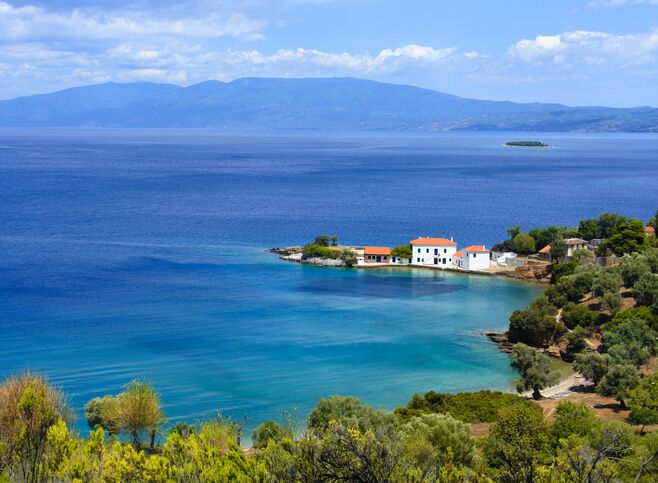
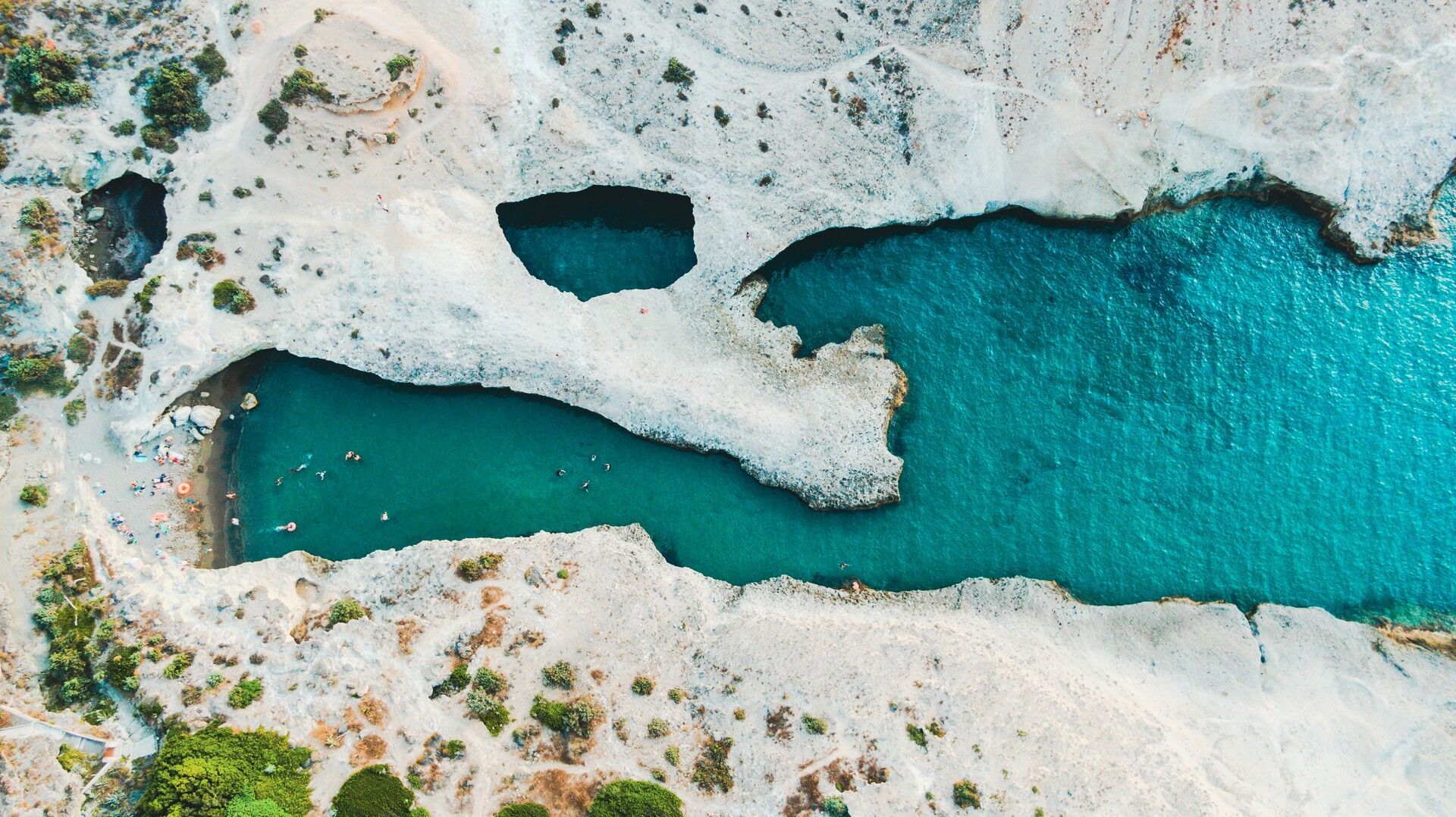
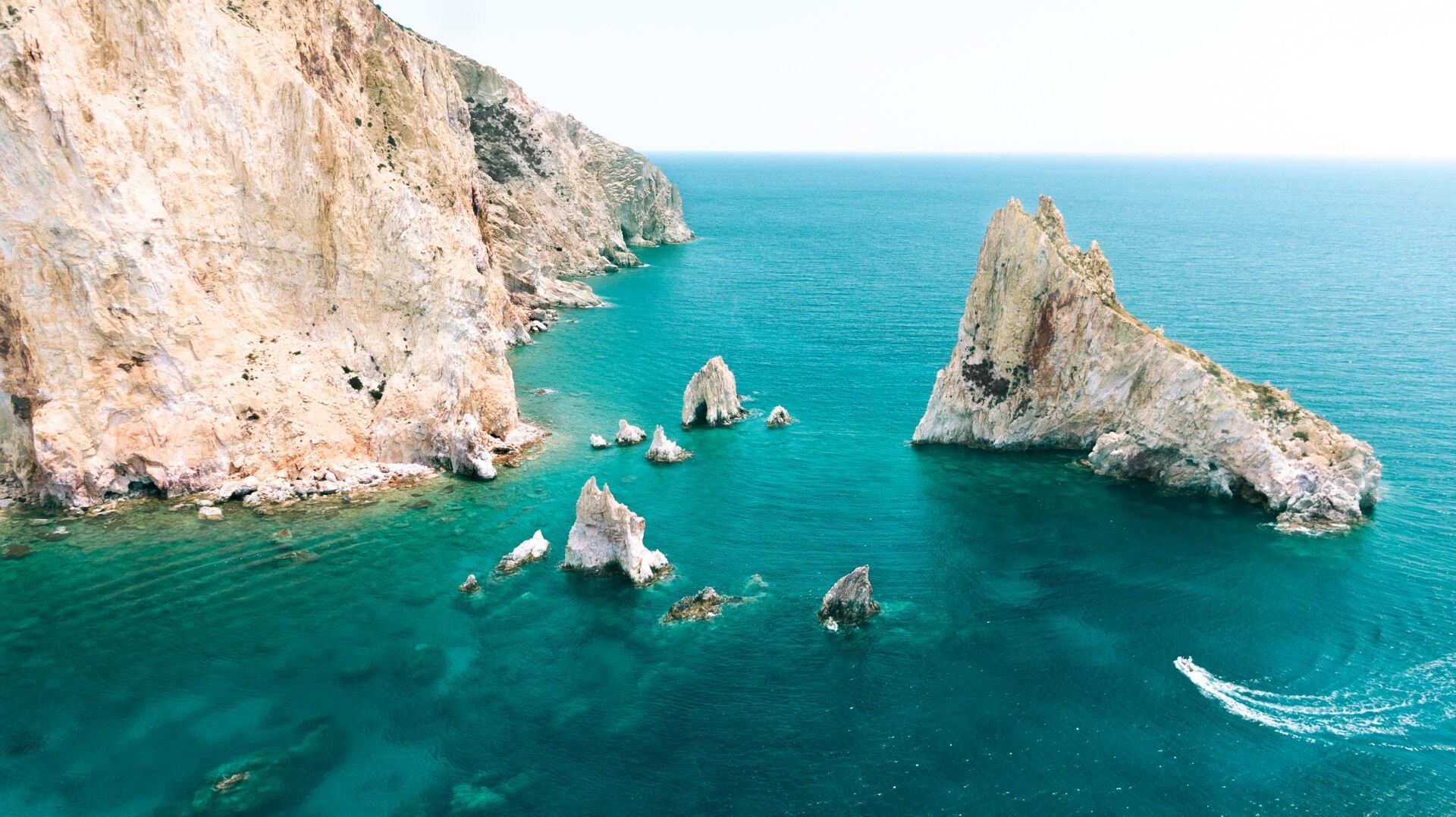
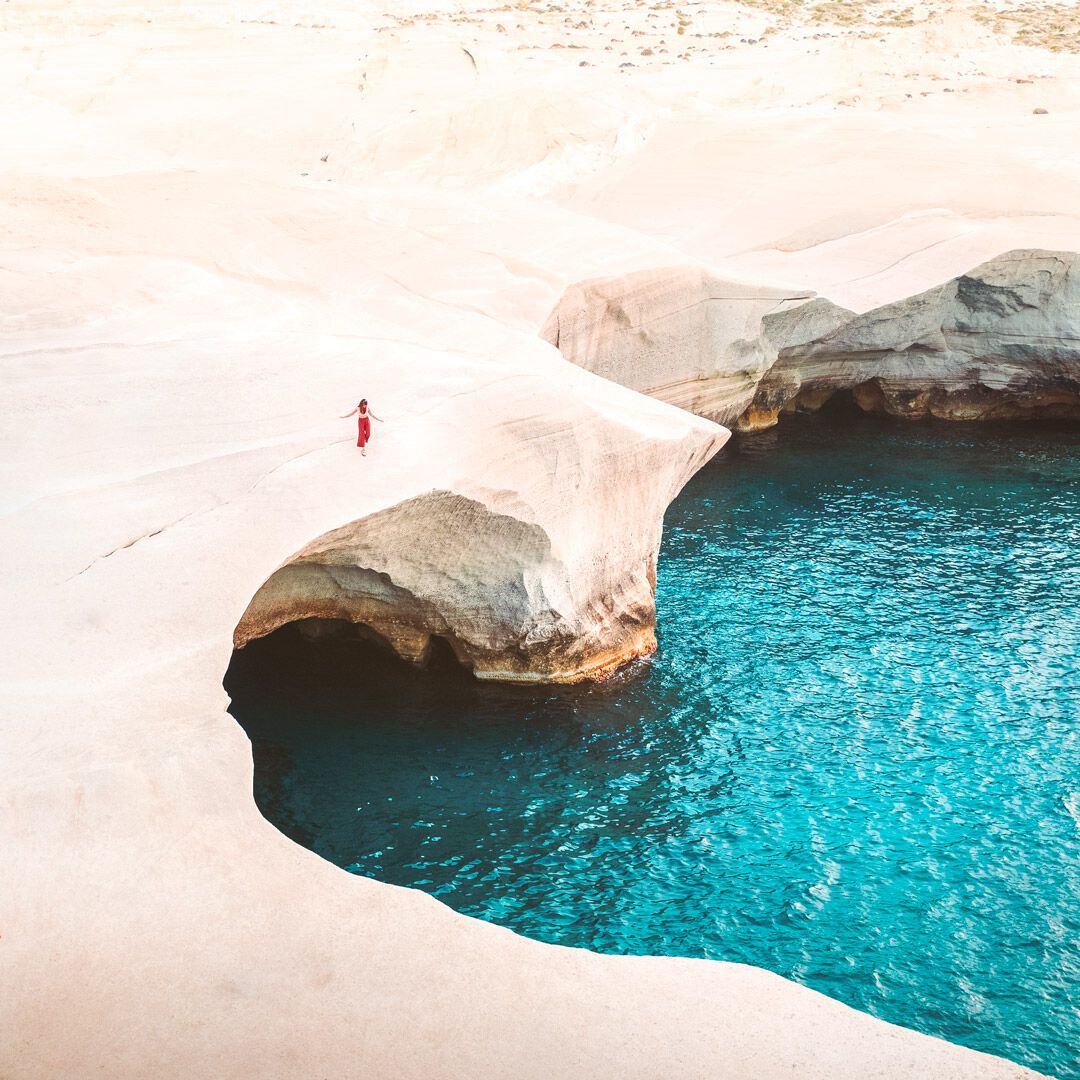
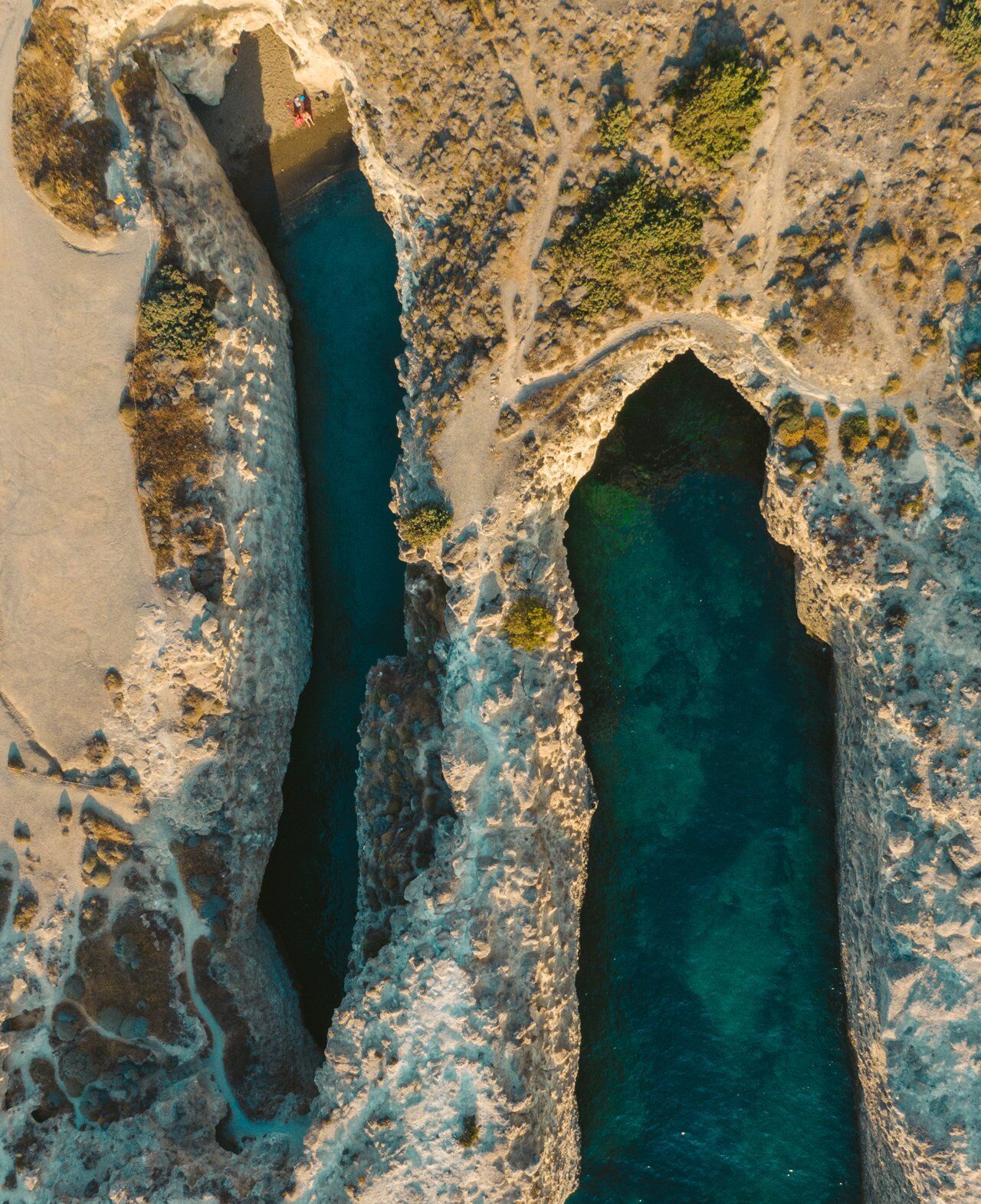
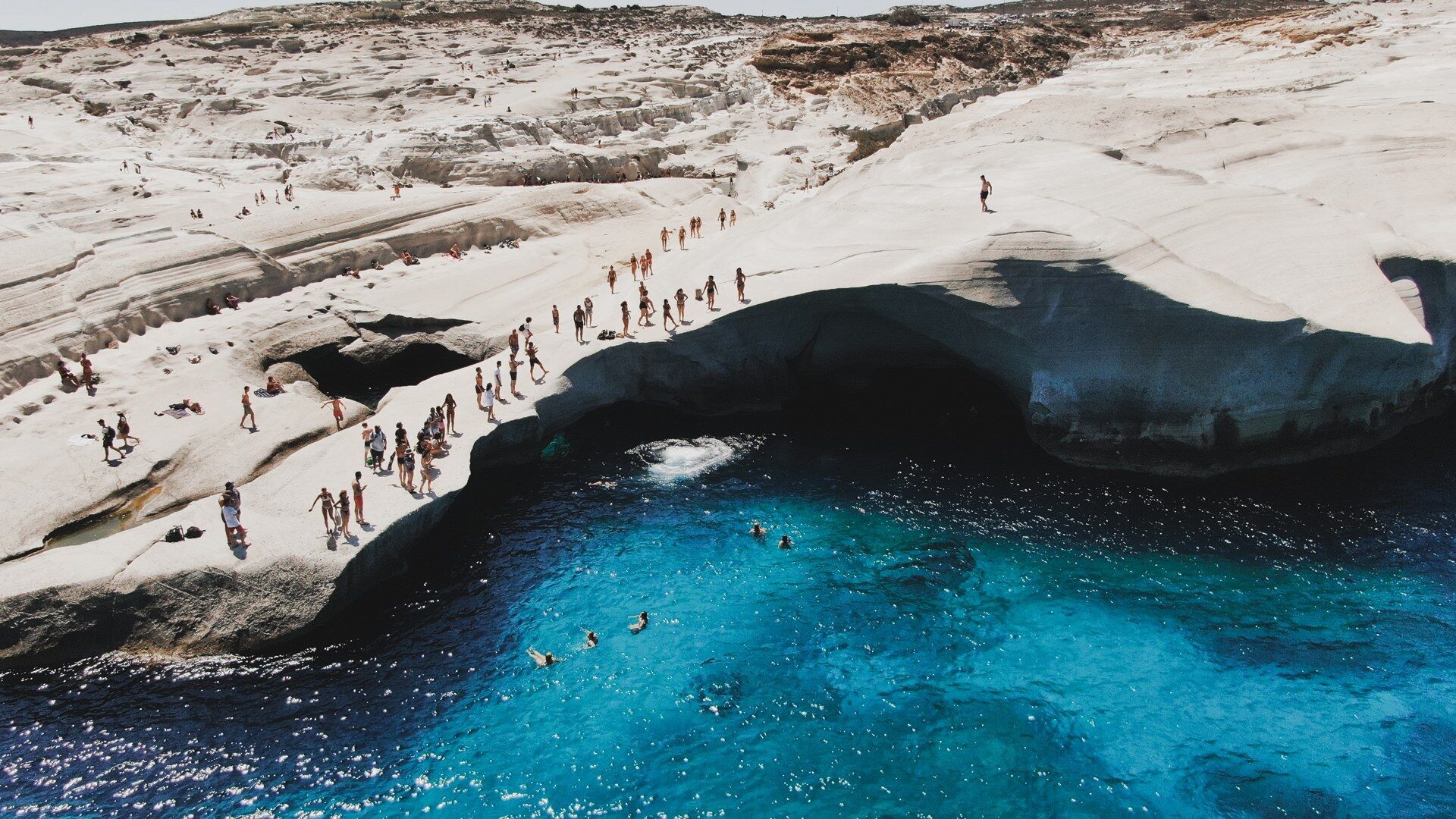
One of the most photogenic destinations in the Aegean Sea, Milos is a member of the Cyclades islands and boasts extraordinary colours and landscapes. Its volcanic past has gifted us some of the most memorable beaches in Greece, with sand and rocks coloured red, pink and orange. Its dramatic settings include the lunar-landscaped Sarakiniko and Kleftiko, known for their limestone cliffs and sea caves and once a favourite hangout of pirates.
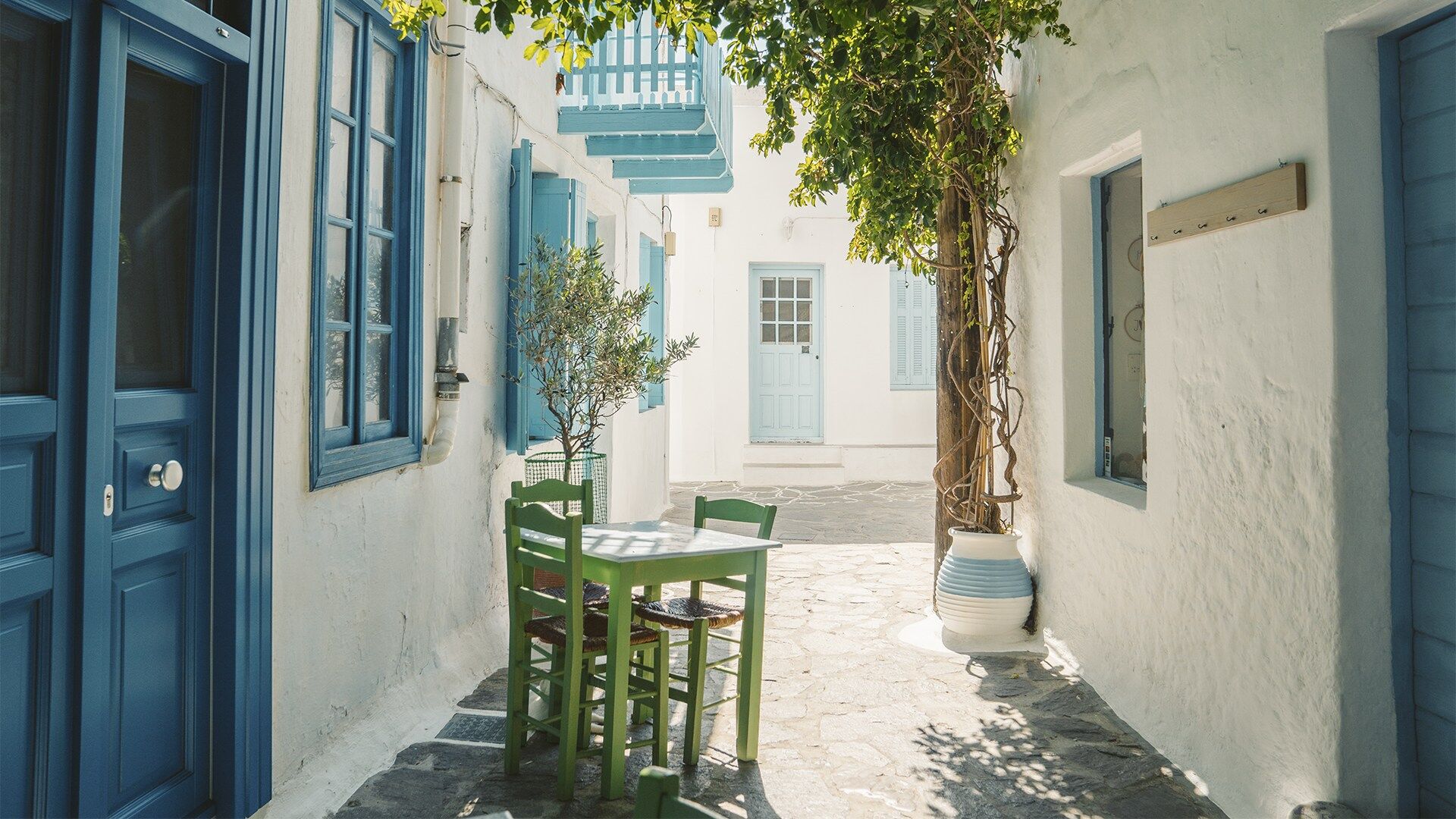
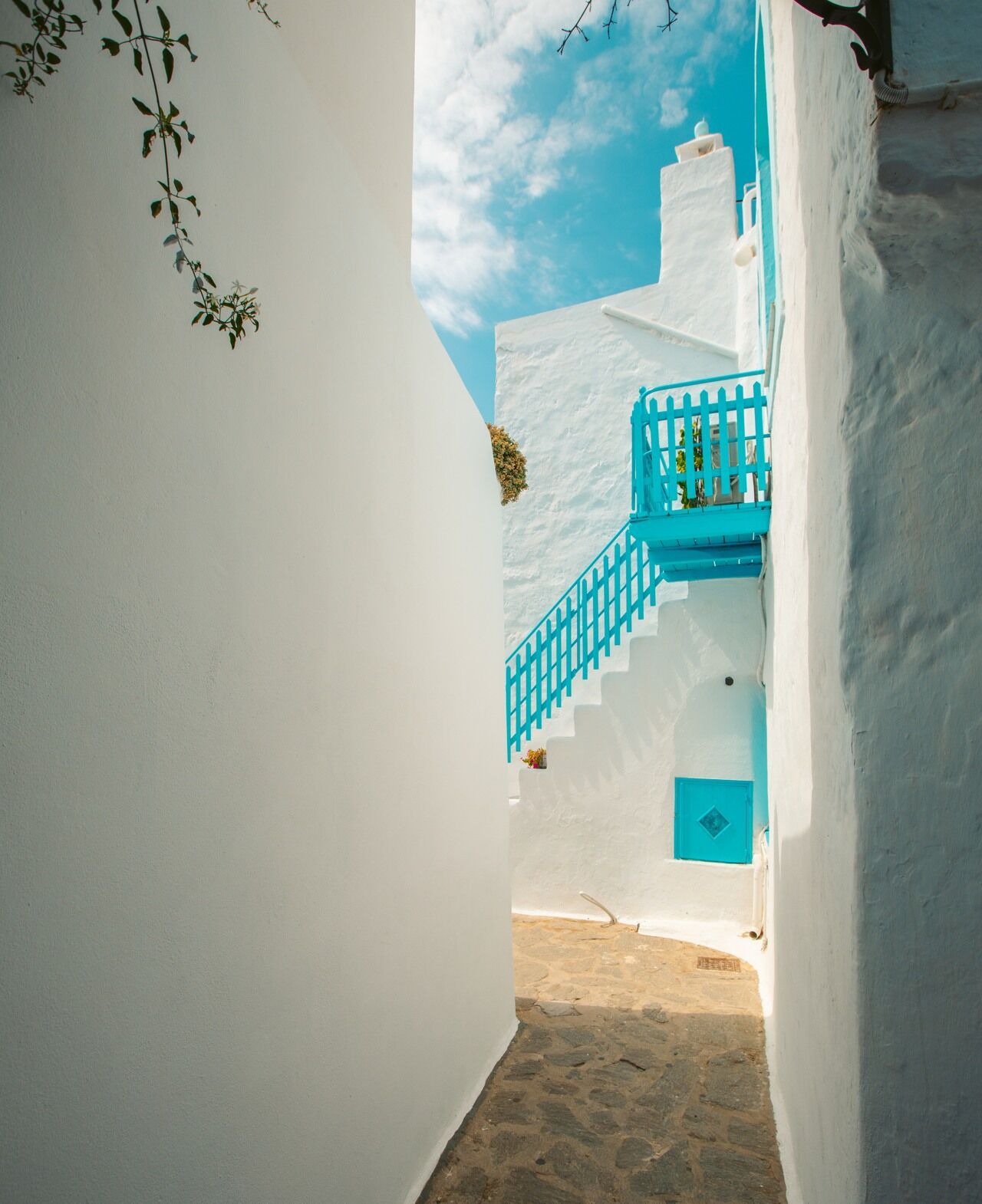
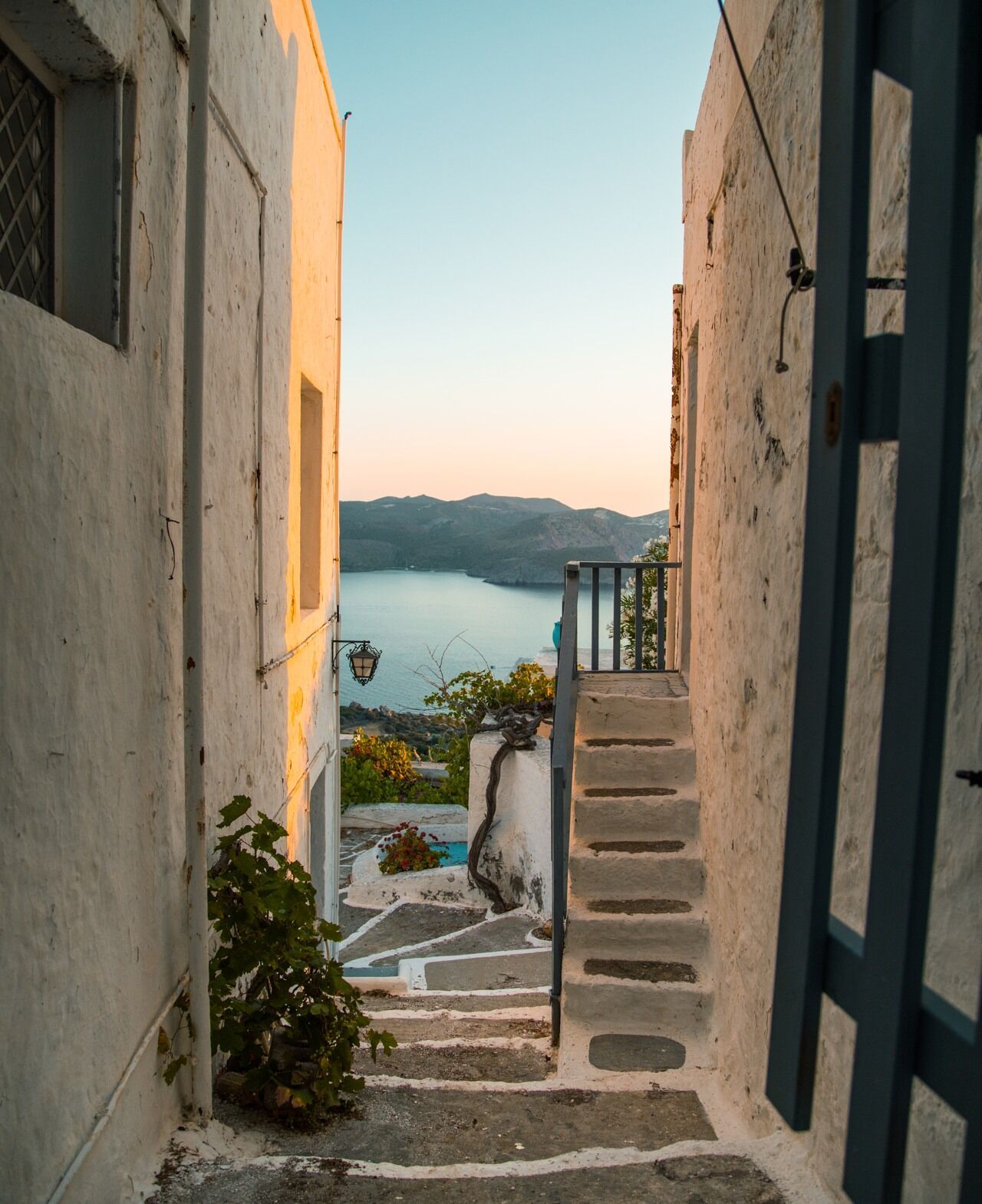
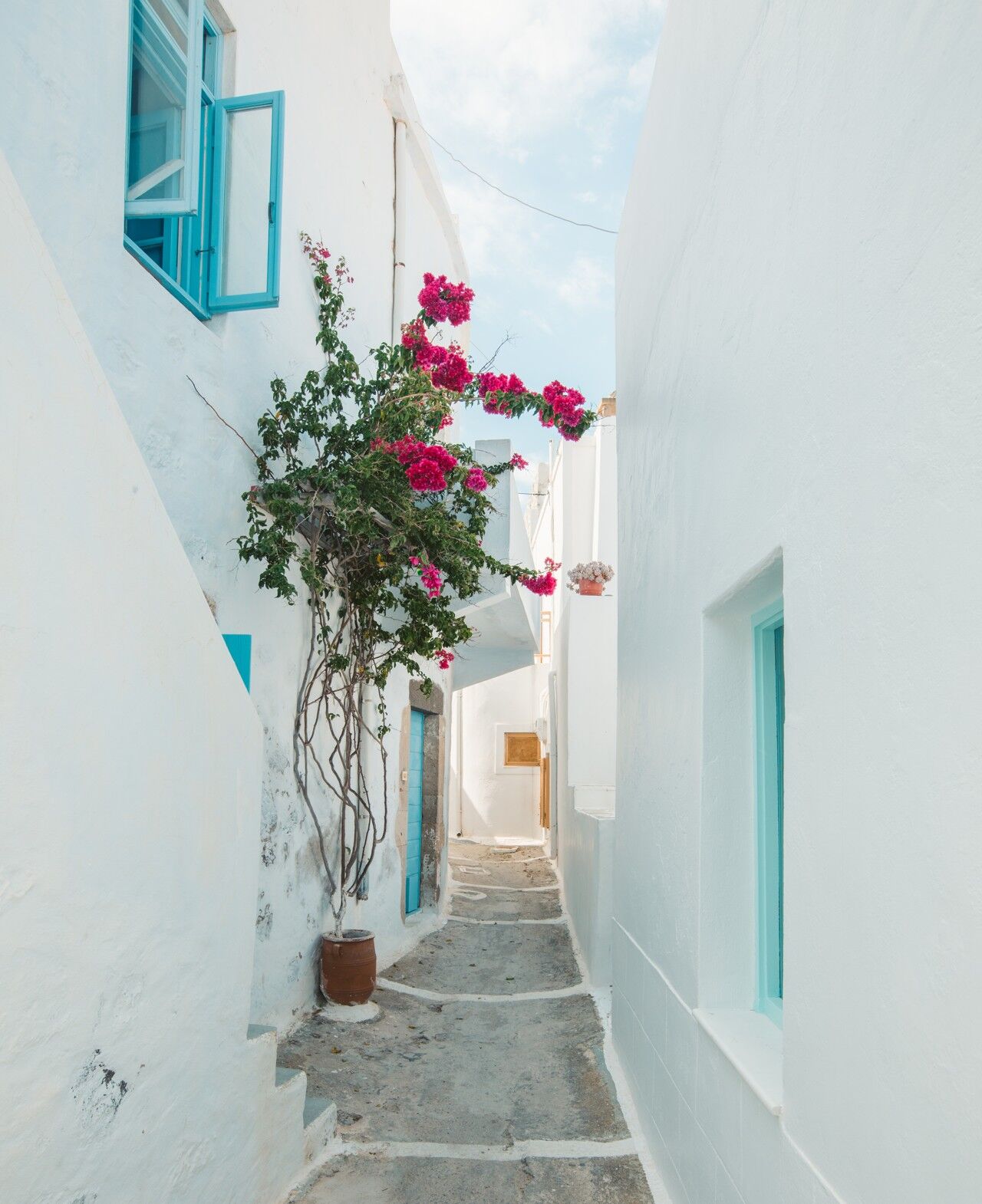
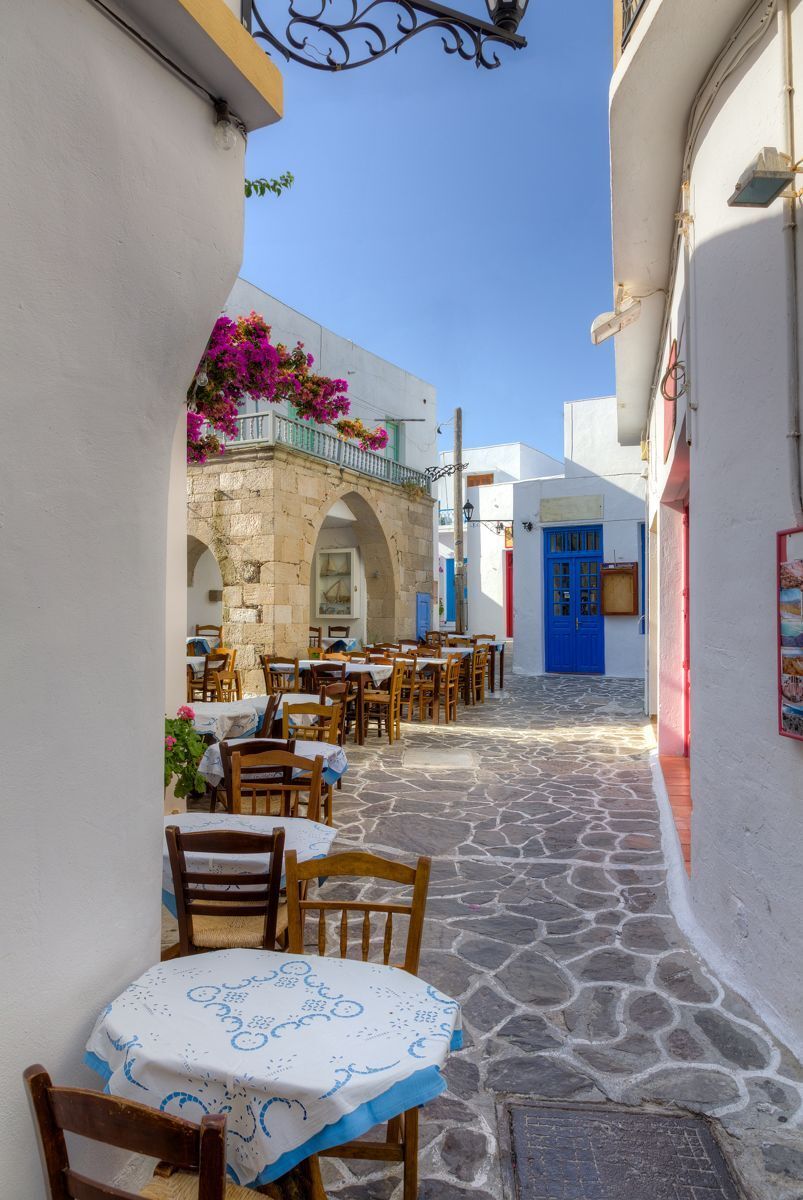
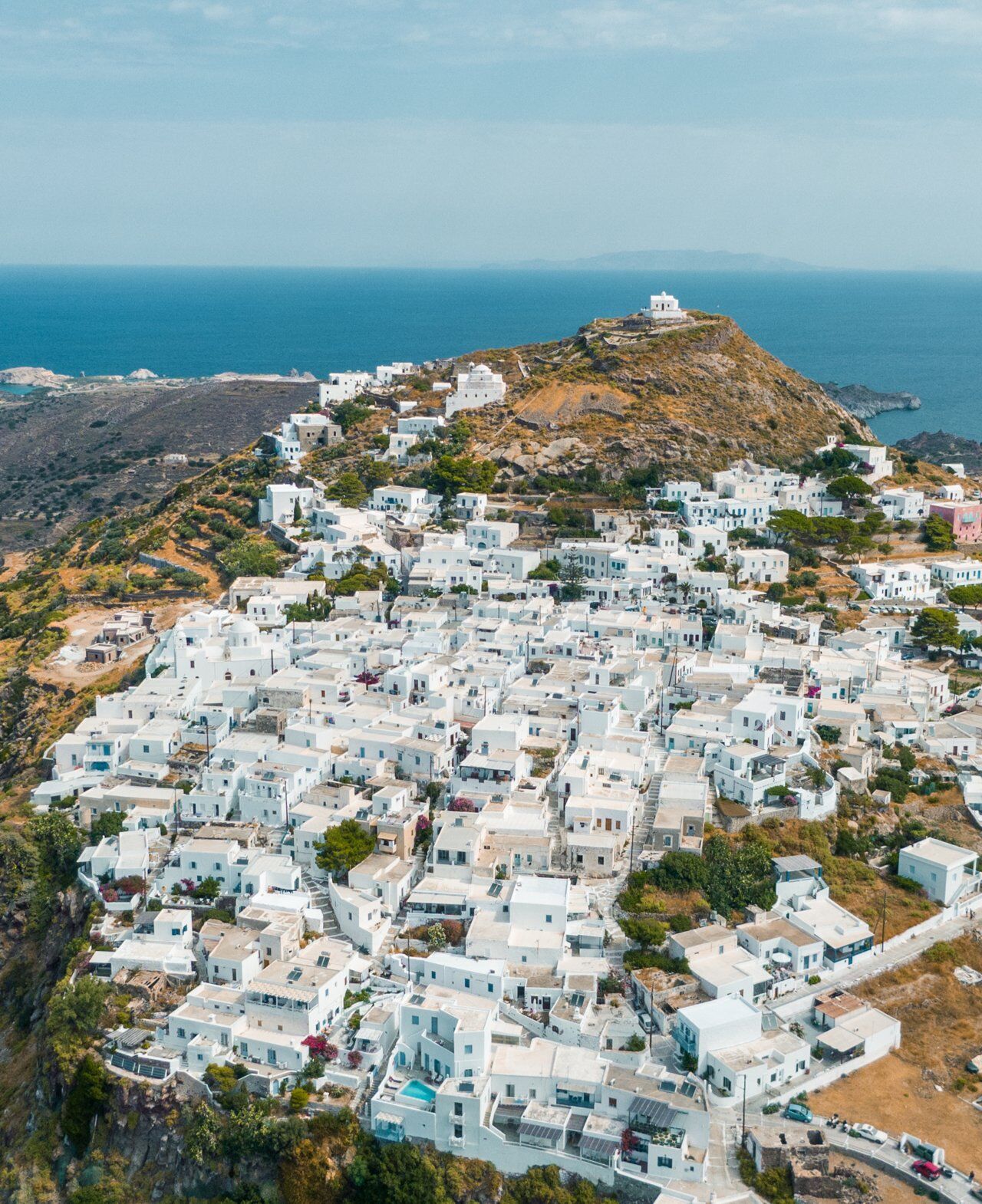
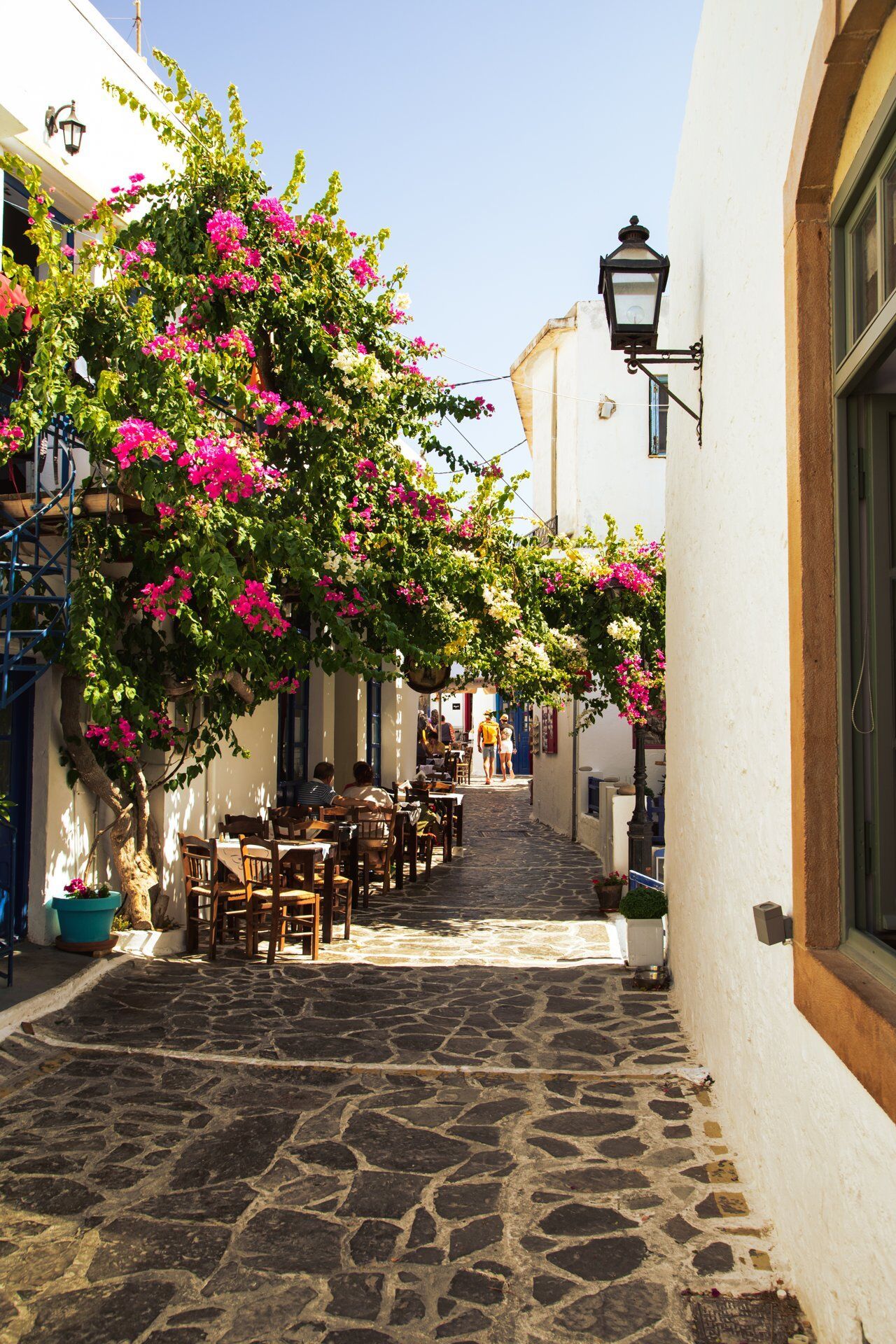
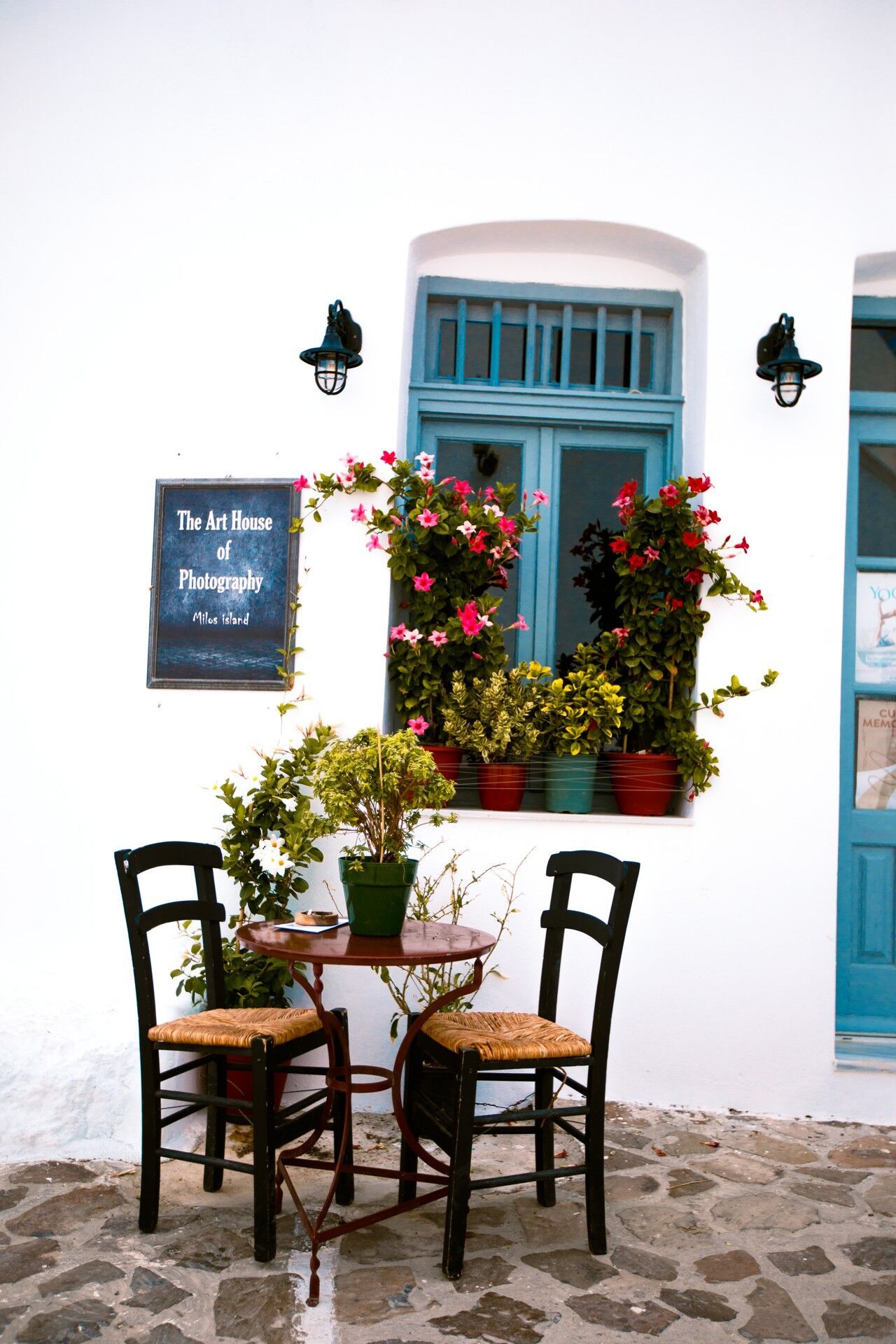
Milos’ biggest settlement is its port, Adamas (or Adamantas), but charming Plaka, built on a hill offering panoramic views of the Aegean, is the capital or Hora. The narrow alleyways and squares of Plaka hide cafes, restaurants and boutique shops. It is also home to the Archaeological Museum of Milos, where you will find a replica of the Venus de Milo, the beautiful statue believed to depict the goddess Aphrodite, which was discovered in Milos in 1820 and is now housed in Paris’ Louvre Museum.
Above Plaka is the Kastro district, with remnants of a 13th-century Venetian castle and the church of Panagia Thalassitra, from which the sunset views are out of this world. Also within walking distance from Plaka is the village of Tripiti, famous for its catacombs, a remarkable network of tombs built by early Christians fleeing Roman persecution, and the partially reconstructed Ancient Amphitheatre of Milos.
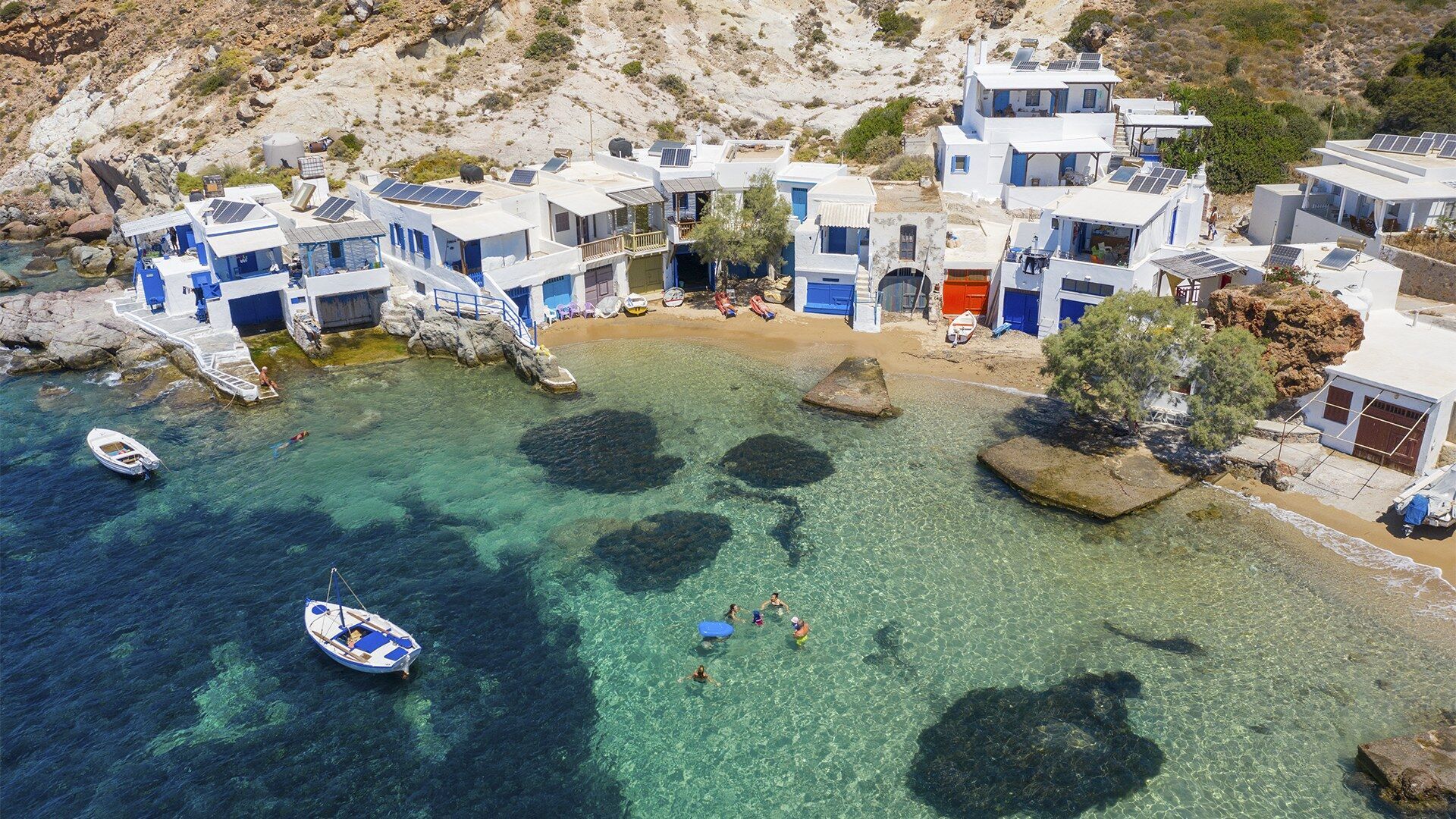
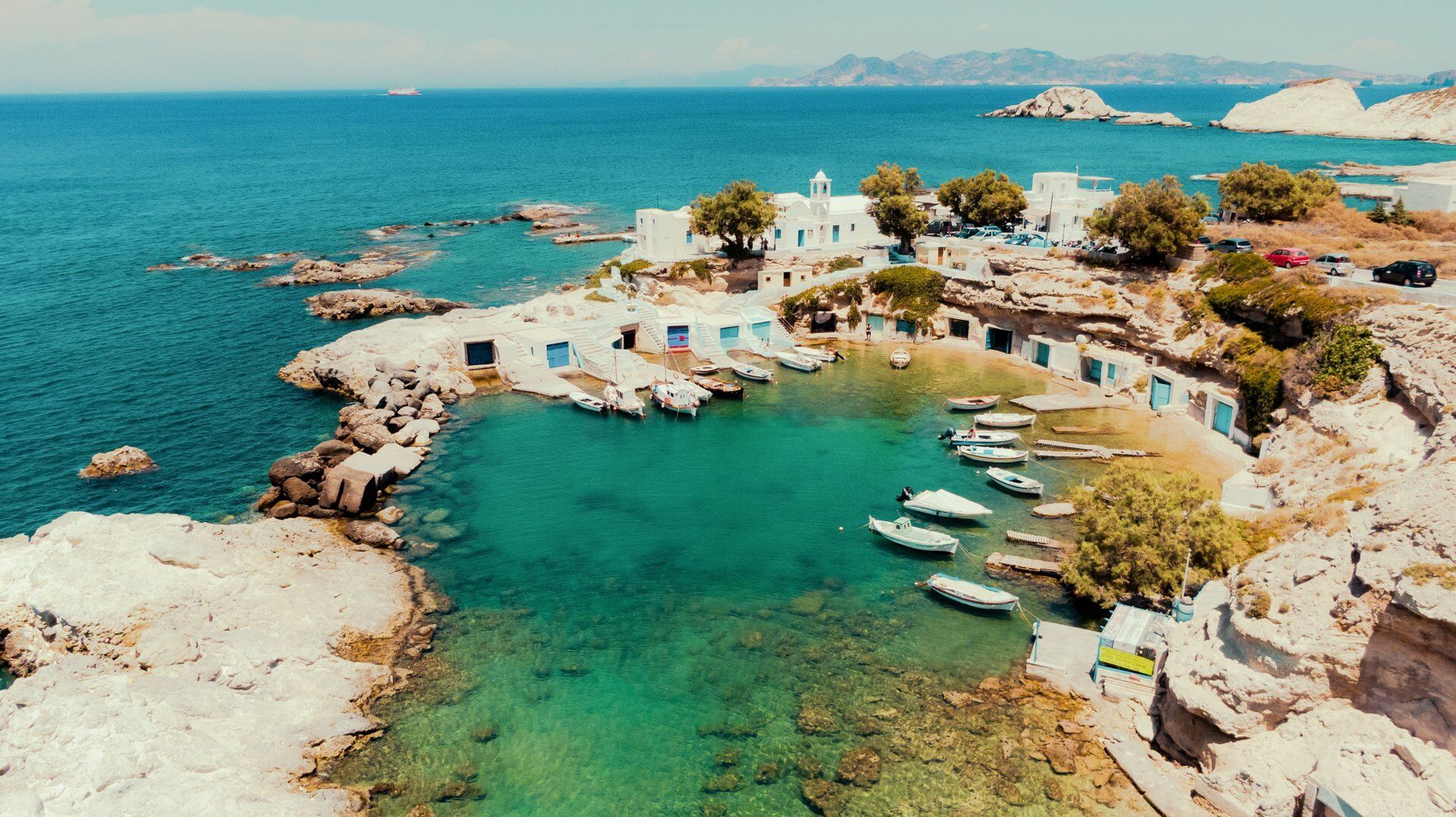
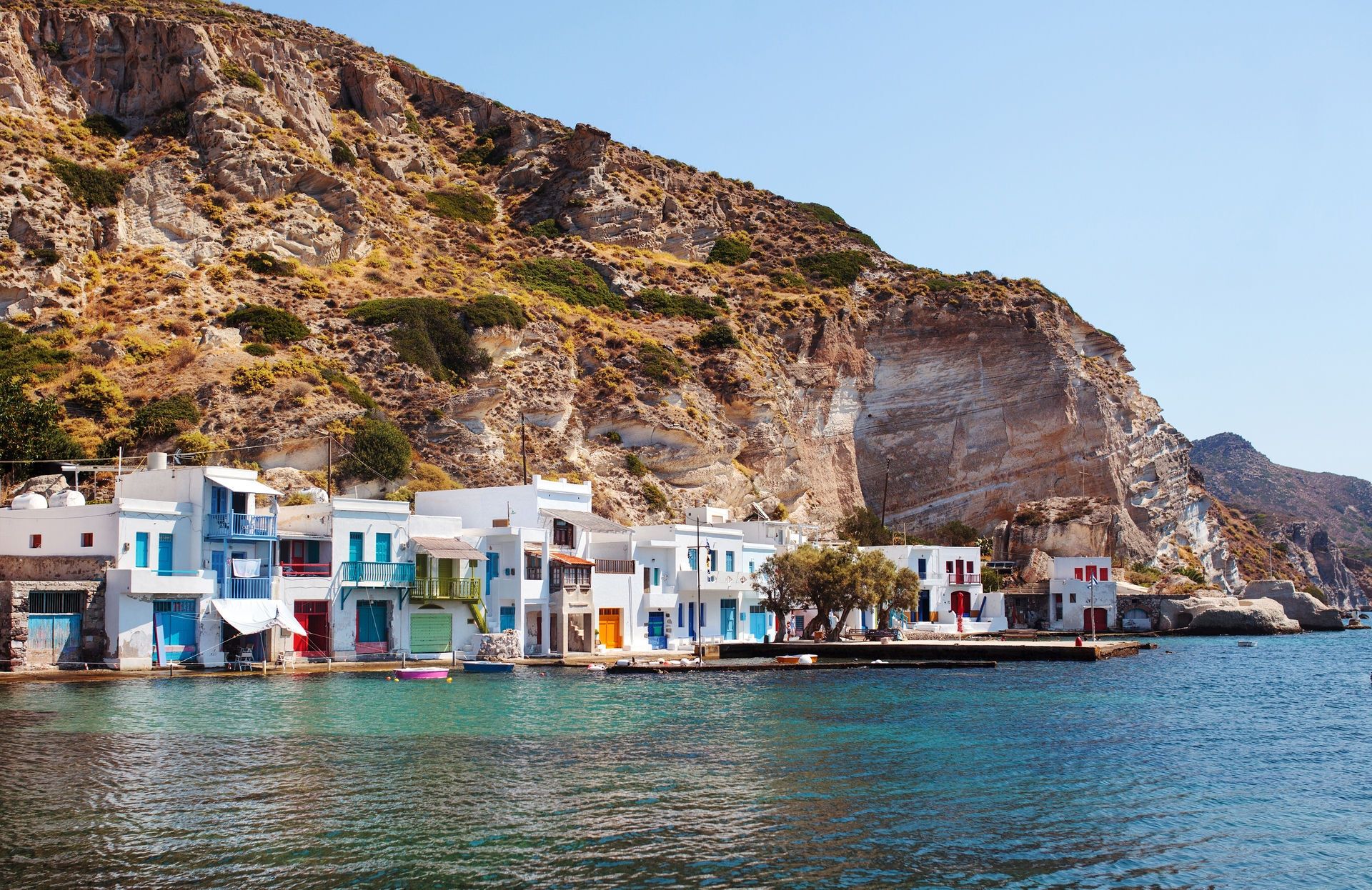
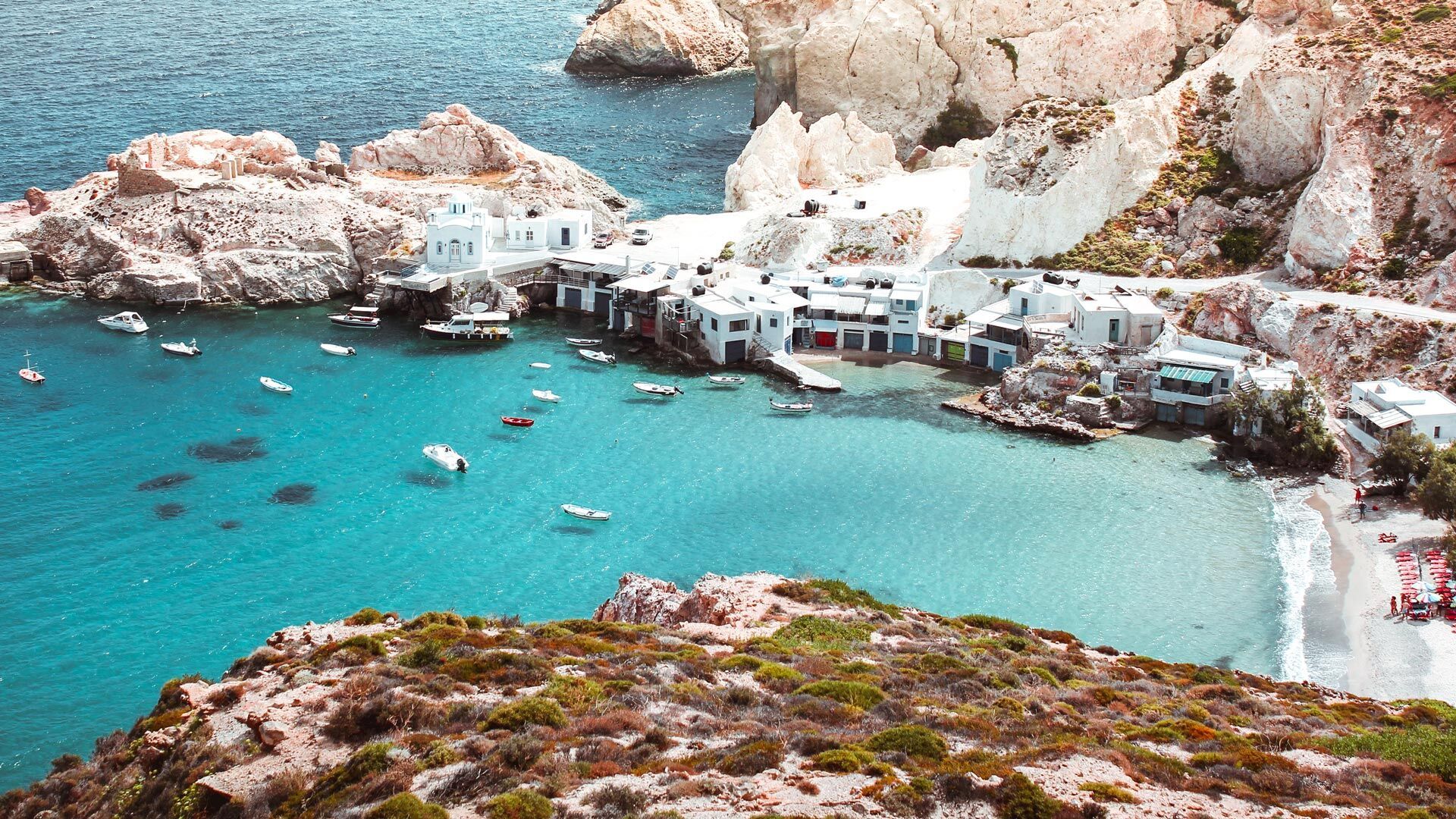
Pollonia, a charming village on the northeastern tip of Milos, is known for its relaxed vibe and excellent seafood tavernas. It is also the location of Milos’ only winery, whose cellar is built in a cave. On the road to Pollonia, don’t miss a short stop at Filakopi, one of the most important prehistoric settlements in the Aegean. And nothing captures the Instagrammable beauty of Milos like the multicoloured boathouses, known as syrmata, built into the rock at Klima, Mandrakia and Firopotamos.
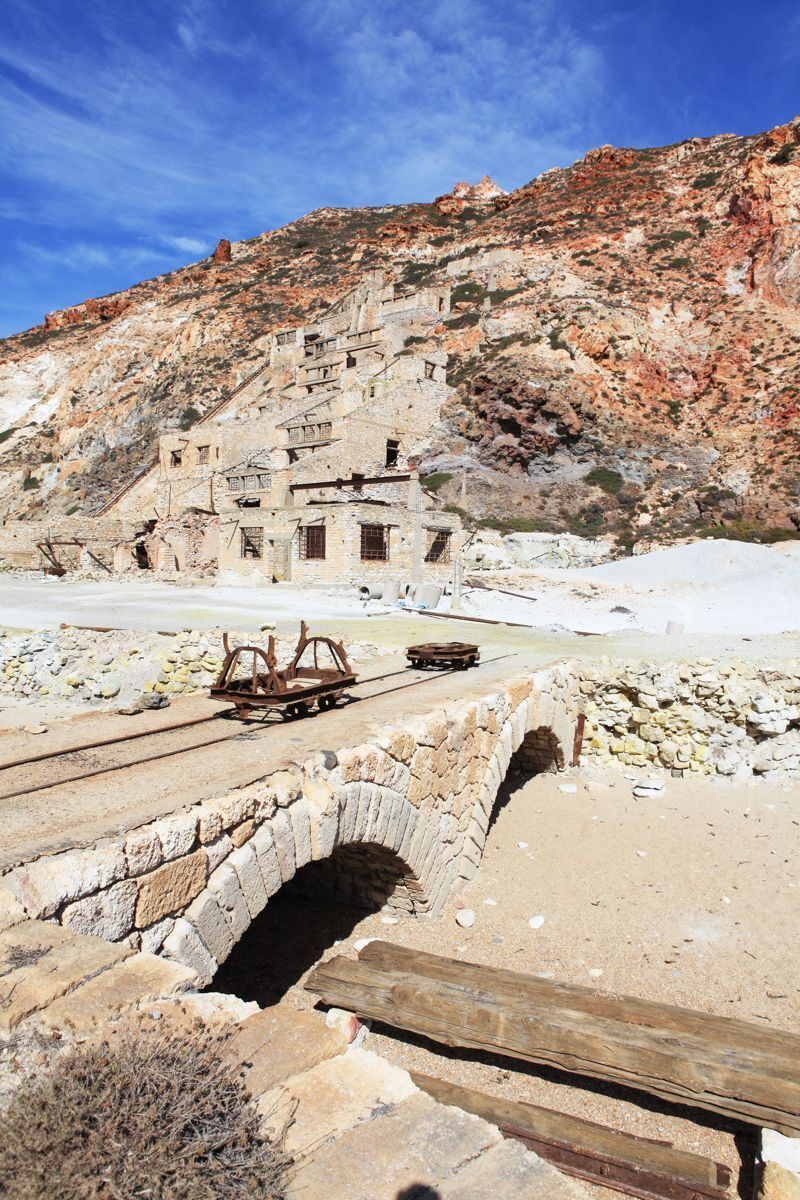
As Milos’ main port, Adamas is the liveliest settlement, with a wide range of cafes, bakeries and restaurants. Close by is the Milos Mining Museum, offering an insight into the island’s volcanic past that makes it rich in minerals and colour. Adamas is also the departure point for boat tours to beaches and natural landmarks, as well as kayak excursions and other experiences.
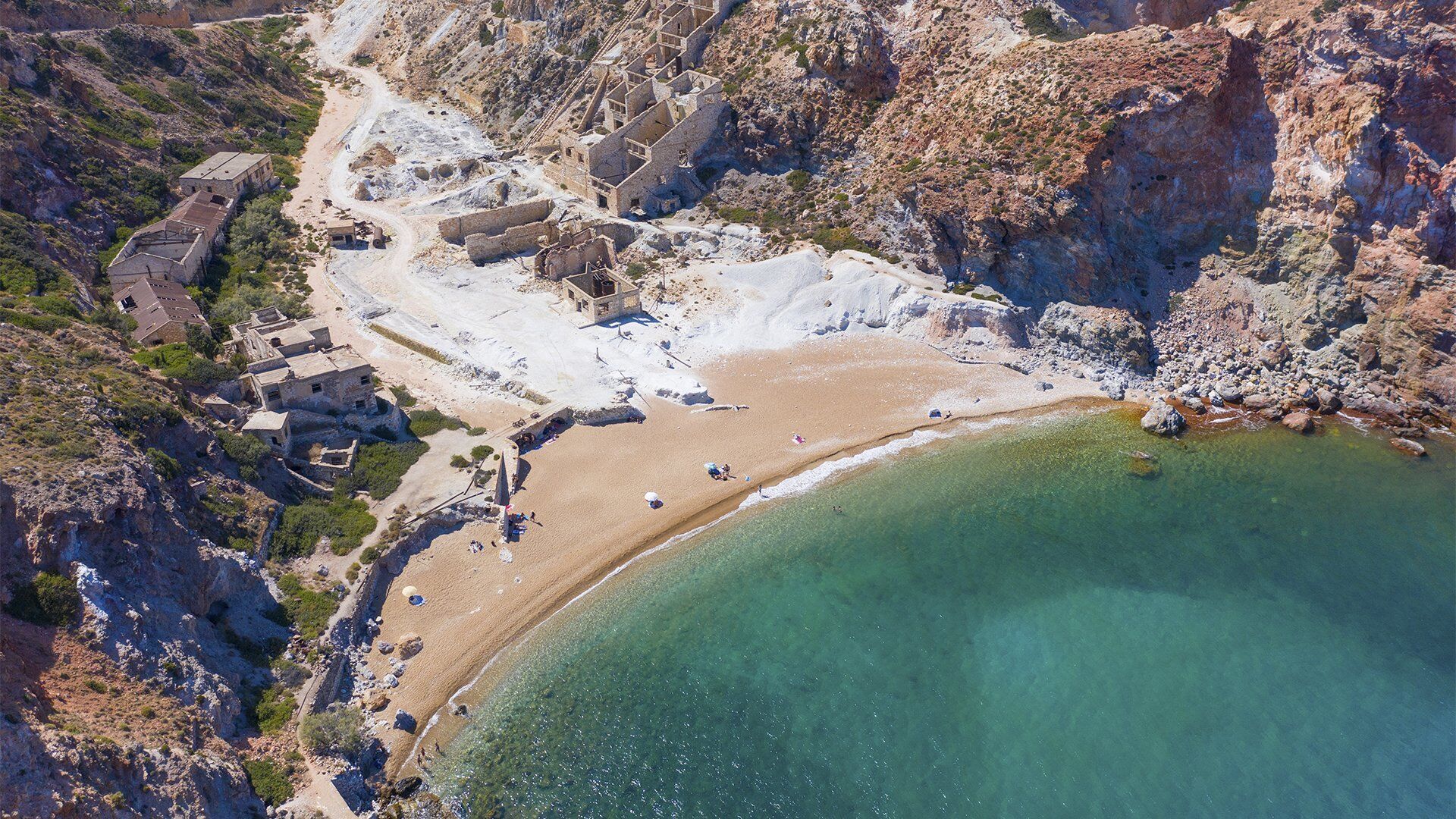
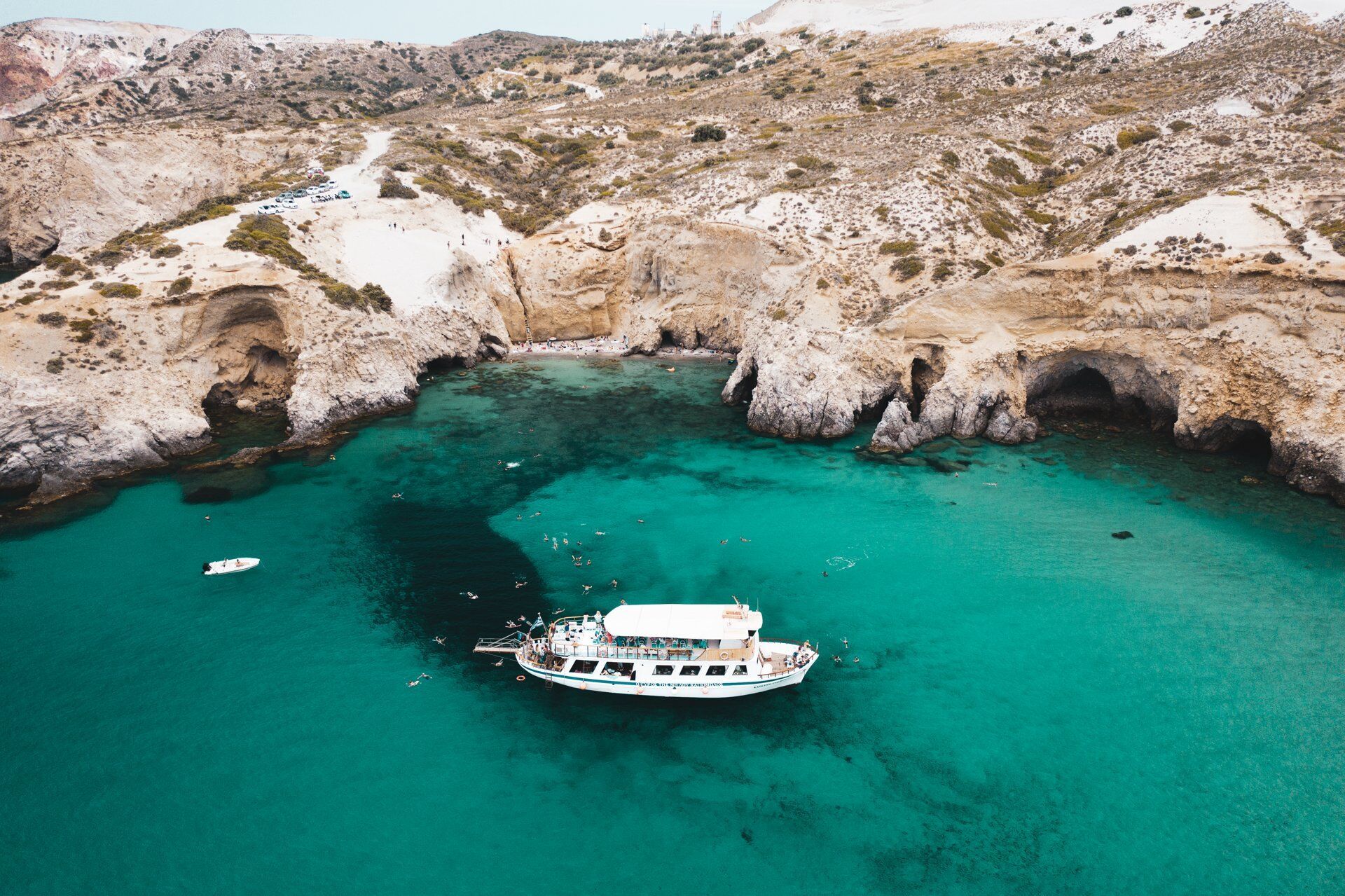
Boat trips to Kleftiko or Sykia, around the southwest coast, allow you to experience the other-worldly waters of Milos. Or heading east, you can reach the former sulphur mines above Thiorihia beach. Boat trips also leave from Pollonia, on the north coast, close to Sarakiniko, the Papafragas Cave and the colourful boat houses of Mandrakia and Firopotamos. Alternatively, there are boat trips to uninhabited Polyegos island, which has a selection of pristine beaches, and to Kimolos island, opposite Pollonia, which charms visitors with more quiet beaches and a traditional village atmosphere.
Best beaches in Milos
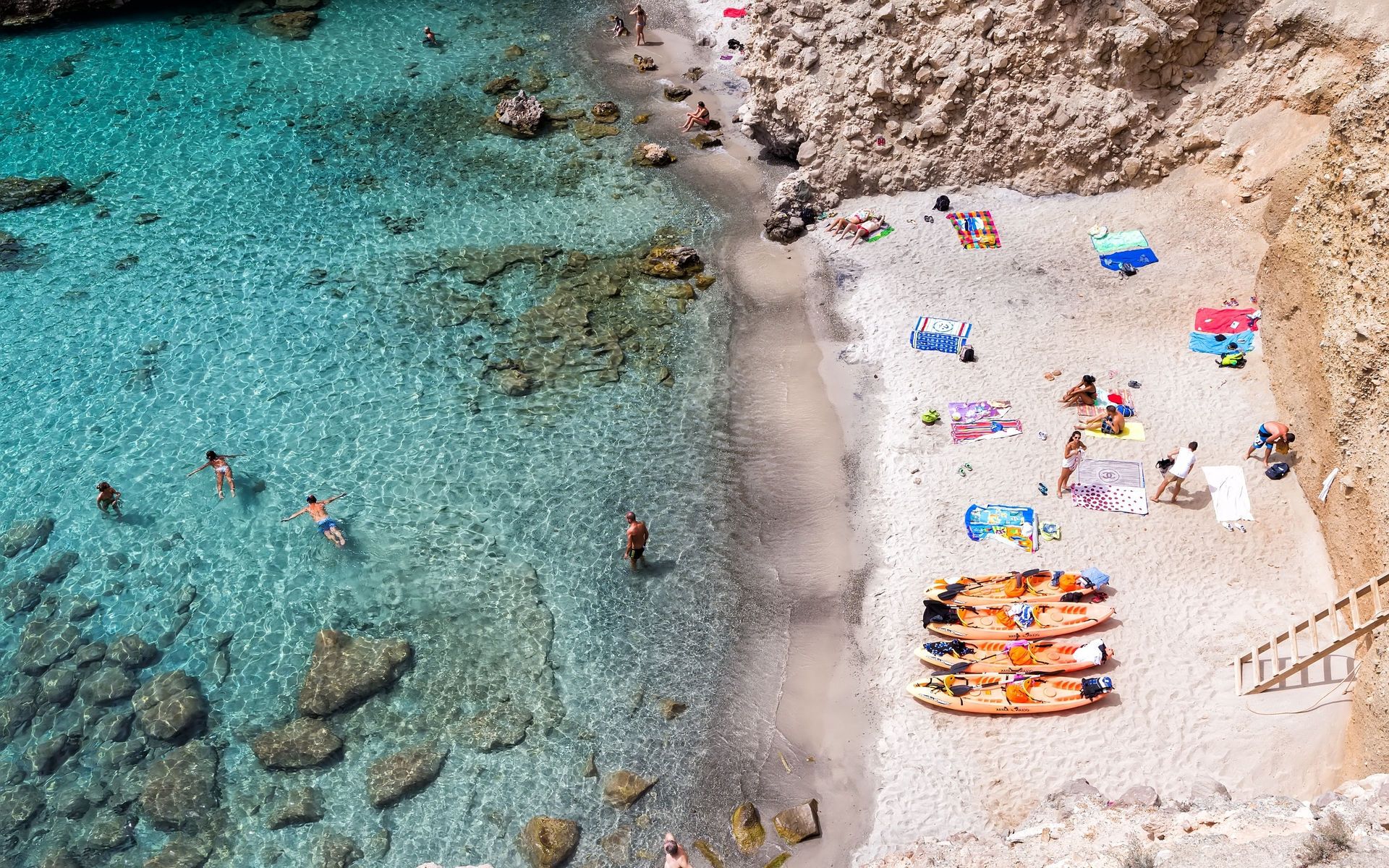
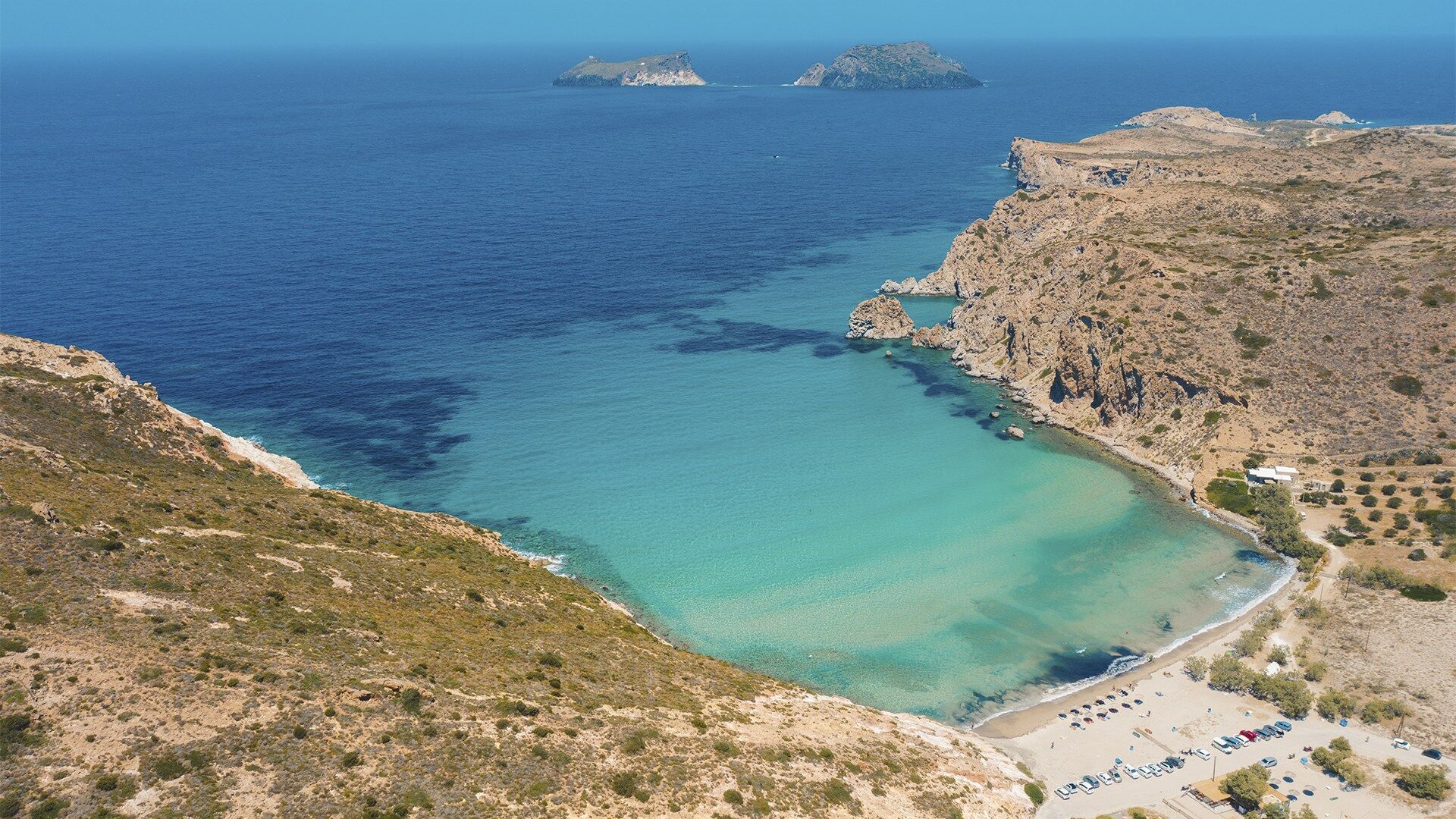
Milos is worth visiting just for its beaches – more than 70 in total – each with its own personality. They come in shades of white, red and ochre, many with cliffs that dive into water so clear it barely seems real. Sarakiniko steals the show with its lunar landscape of smooth white rock and small sandy beach, while Firiplaka, backed by cliffs streaked in orange and pink, and long and narrow Papafragas beach will set your social media feed buzzing.
For something more adventurous, Tsigrado beach is reached by rope and ladder, rewarding the effort with a quiet cove and excellent snorkelling. Nearby Paleochori beach offers something for everyone and families love the calm, easy access of Agia Kyriaki and Firopotamos, the latter framed by colourful syrmata boathouses. For greater seclusion, you’ll find it at Alogomandra or Gerakas. And Achivadolimni beach is next to the largest wetlands in the Cyclades.
Finally, topping many lists of what to do in Milos is a boat trip to Kleftiko, a surreal blend of sea caves, arches and turquoise water where pirates once took shelter. So if you were wondering what is the nicest beach in Milos… the answer is that you’ll have to try as many as you can. There’s a beach in Milos for every mood.
Best time to visit Milos
As an increasingly popular island in the Cyclades, Milos attracts many visitors in July and August, when its beaches and main towns are at their busiest. For a more relaxed experience, the best time to visit is in May-June or September-October, when the weather is warm and the sea is perfect for swimming, but it is less crowded. It’s the ideal time for hiking, sightseeing and (given the meltemia winds of July and August) boat trips to Kleftiko, Polyegos and elsewhere – although note that boat trips are weather-dependent in these months, too. While some businesses close in the quieter months, Milos’ raw beauty and peaceful pace will more than compensate those looking for a quiet escape.
How to get to Milos
Milos is easy to reach by air or by sea.
By air: If you are wondering, ‘Does Milos have an airport?’, yes, Milos has a domestic airport with regular flights from Athens (around 40 minutes). Flights operate year-round and are the fastest way to reach the island. There are currently no direct international flights to Milos, so international travellers will need to connect through Athens.
By ferry: Milos is well connected by ferry from Piraeus port near Athens, with regular high-speed and conventional ferries, especially in the summer. The journey takes 3 to 7 hours, depending on the type of vessel. You can also reach Milos from other Cycladic islands, including Santorini, Paros, Naxos, Sifnos, Serifos, Folegandros and Kimolos.
⛴ Ferry Schedules to Milos
Milos, a striking Cycladic island known for its unique landscapes, is connected to mainland Greece via Piraeus Port.
From Piraeus:
- High-speed and conventional ferries: ~2 hr 30 min to ~8 hr to Milos Port
From Lavrio (seasonal, summer months only):
- Conventional ferry: ~15 hr (often with overnight or multi-stop routes)
Ferries usually offer vehicle decks, numbered seats, and basic onboard services.
Luggage is typically included in the ticket, with storage spaces available on board.
In summer, you can also find direct ferry routes between Milos and nearby islands like Kimolos, Folegandros, Santorini, and Paros.
Keep in mind that ferry schedules may change with the seasons, so always double-check your itinerary before booking.
🛌🏻 Where to stay in Milos
Find your accommodation with our list of hotels, villas and guest houses and book now to make your dream holiday in Milos a reality.


Plan Your Milos Itinerary
Get AI-powered suggestions or work with expert travel specialists
Tours & Activities in Milos
Discover authentic local experiences and secure your bookings for activities and tours with our official online rates.
From Sifnos: Full-day boat trip to Milos...
Milos: Private Speedboat Tour—Kleftiko S...
From Sifnos: Full day boat trip to Kimol...
Milos: Full day sailing cruise at Klefti...
Where to stay in Milos
Miland Suites
Kostantakis Winery & Residence
Eiriana Luxury Suites
Oceanis Rooms
Gemilos
Εlia Studios Pollonia
Book your Ferry Now
Ferries to & from Milos
Find routes, ports & schedules - search below
Milos offers a wide range of accommodation options, from boutique hotels and beachfront resorts to self-catering apartments and traditional guesthouses. For where stay in Milos, you’ll find a variety of options in Adamas, the main port. Plaka, the hilltop capital, also offers charming rooms with sweeping views over the Aegean. Staying in Pollonia is popular because of its laid-back atmosphere and family-friendly hotels. More secluded options can be found in villages like Tripiti and Zefiria, or in more remote areas for those seeking privacy and a closer connection to nature. There are places to stay in and around Klima, Firopotamos and Mandrakia, including some of the syrmata boathouses of Klima and Firopotamos, which have been converted into guesthouse – a truly authentic experience.
Dining in Milos is all about hearty flavours, fresh ingredients and a strong connection to the island’s now inactive volcano. Local tavernas serve ladenia (a pizza-like olive oil and tomato flatbread) and many dishes feature local sun-dried tomatoes or belte (a rich paste made from skinless tomatoes). The island’s signature cheese is mileiko, a hard cheese brushed with olive oil as it matures in a cave for at least six months. But there are many other cheeses, such as soft and tangy xinomizithra. Milos’ sweet treats include karpouzopita (watermelon pie) and koufeto (made with locally produced white pumpkin, honey and almonds), which pairs perfectly with a Greek coffee.
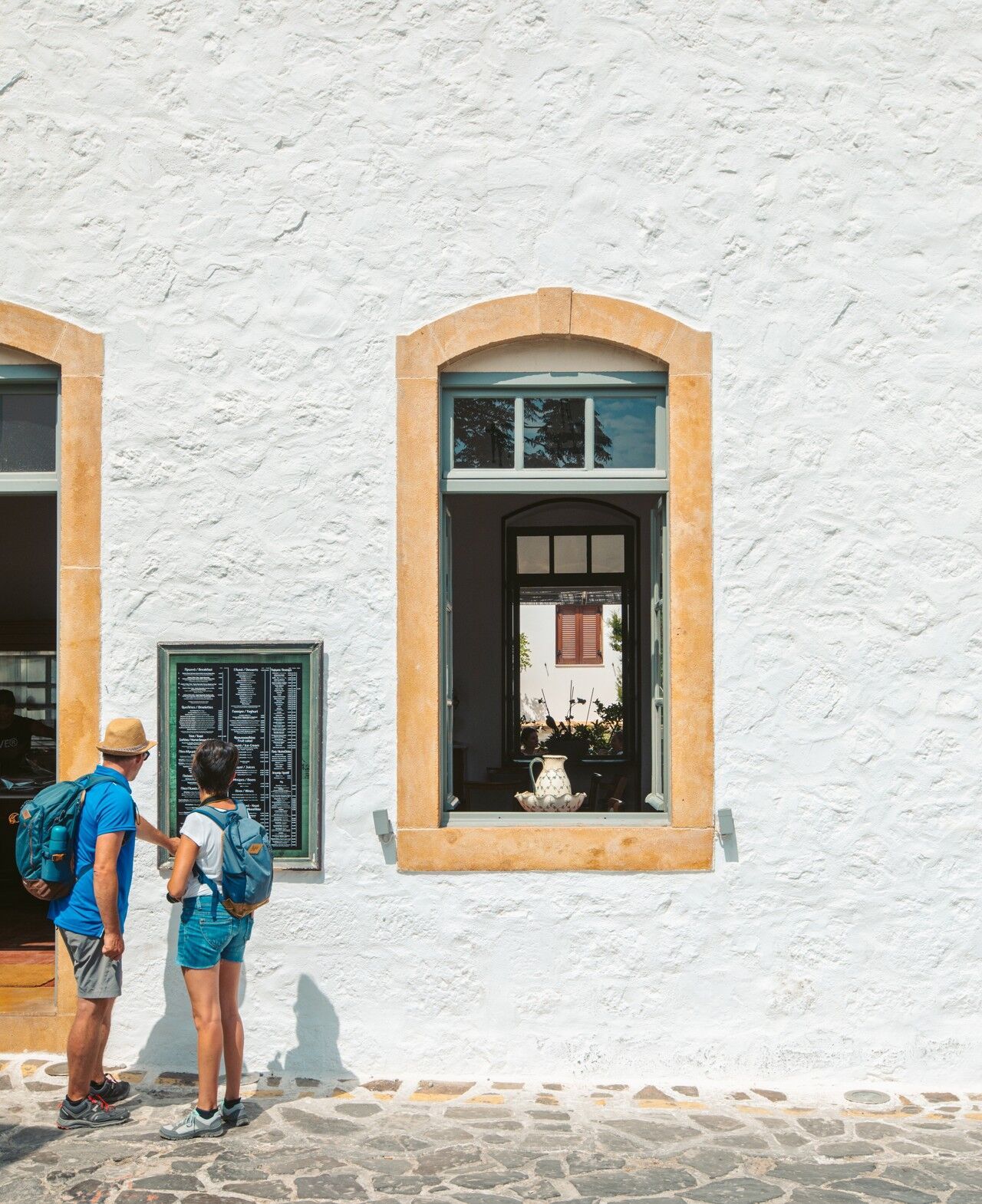
If you are wondering where to eat in Milos, you’ll find plenty of tavernas and restaurants in Plaka and Adamas, but there are also wonderful dining spots in Pollonia and other settlements. Nothing beats the seafood in a seaside village like Pollonia and Firopotamos. The hillside villages of Tripiti and Triovasalos specialise in meat dishes.
The climate in Milos is typically Mediterranean, with hot, dry summers and mild, wetter winters. Sunshine is abundant from May to September, making this the best time for beach holidays and boat trips. Summer temperatures often reach the low to mid-30s°C (sometimes higher), but the coastal breeze helps keep things comfortable. May-June and September-October are ideal months for hiking, sightseeing and exploring the island’s villages, with warm days and fewer crowds. Most rainfall occurs between November and March, when Milos is quieter and greener, offering a different kind of beauty.
Milos is a safe and welcoming destination. It is known for its relaxed pace and friendly locals, but it’s still a good idea to take basic precautions – keep an eye on your belongings in busy areas and avoid leaving valuables unattended on the beach. Solo travellers will find Milos easy to get around and especially enjoyable in lively spots like Adamas or the more laid-back Pollonia.
There is a health centre in Plaka and pharmacies can be found in Plaka and Adamas. Bottled water is widely available and food safety standards are high, so you can enjoy the local cuisine with peace of mind. The emergency number for all services in Greece, including medical assistance, is 112. For more health and safety tips, visit our practical info page.
Milos, a striking Cycladic island known for its unique landscapes, is connected to mainland Greece via Piraeus Port.
From Piraeus:
- High-speed and conventional ferries: ~2 hr 30 min to ~8 hr to Milos Port
From Lavrio (seasonal, summer months only):
- Conventional ferry: ~15 hr (often with overnight or multi-stop routes)
Ferries usually offer vehicle decks, numbered seats, and basic onboard services.
Luggage is typically included in the ticket, with storage spaces available on board.
In summer, you can also find direct ferry routes between Milos and nearby islands like Kimolos, Folegandros, Santorini, and Paros.
Keep in mind that ferry schedules may change with the seasons, so always double-check your itinerary before booking.
Milos is located in the southwestern part of the Cyclades island group, in the Aegean Sea. It sits roughly halfway between mainland Greece and Crete and is known for its volcanic landscape and spectacular coastline. Milos is close to several other Cycladic islands, including Kimolos, Sifnos and Folegandros, making it a popular stop on island-hopping itineraries.
Getting around Milos is relatively easy, with a few different options depending on how you’d like to explore. Local buses connect the main settlements – like Adamas, Plaka, Pollonia and some beaches – making them a convenient and affordable choice during the summer months. For more flexibility, car or motorbike rentals are popular, especially for reaching remote beaches and areas not served by public transport. Taxis are available but limited, so it’s a good idea to book in advance when possible. Boat tours are also a great way to explore Milos’ coastline and visit beaches that are only accessible by sea.
Milos is known more for its natural beauty, relaxed atmosphere and romantic scenery than for partying. While you’ll find bars and a lively evening scene in places like Adamas and Plaka, it doesn’t have the same reputation for nightlife as islands like Mykonos or Ios. That said, there are beach bars, cocktail spots, and occasional summer festivals. But Milos is much more about sunset views, beach days, and boat trips than clubs and late-night dancing. It's ideal for couples, nature lovers and families.
There are so many attractions in Milos that you’ll want to spend at least 4-5 days there. That gives you enough time to explore some of its iconic beaches, visit unique natural landmarks like Sarakiniko and Kleftiko, and explore villages such as Plaka and Pollonia. You’ll also have time for a boat trip to beaches and sea caves only accessible by water. If you’re planning to explore Milos at a slower pace or include a day trip to Kimolos or Polyegos, consider staying for a week.
Milos caters to a range of budgets. You’ll find everything from high-end boutique hotels and seafront villas to budget-friendly guesthouses and self-catering apartments. Dining out can also be reasonably priced, especially in traditional tavernas, where you can enjoy hearty local dishes without overspending. Prices for accommodation and car rentals tend to rise in July and August, so visiting in May-June or September-October can offer better value. Overall, Milos can be as affordable or as indulgent as you choose, making it a great option for a wide range of travellers.
Milos is surrounded by several islands, making it a great base for island hopping in the Cyclades. Just a short ferry ride from Pollonia, Kimolos offers a peaceful escape with unspoiled beaches and a traditional village feel. Further afield, Sifnos is famous for its hiking trails, charming villages and food scene, while Folegandros draws visitors with its rugged cliffs and romantic atmosphere. Serifos, to the northeast, is another easy ferry hop, known for its beaches and laid-back charm. All of these nearby islands add to the appeal of Milos as a hub for exploring the quieter side of the Cyclades.