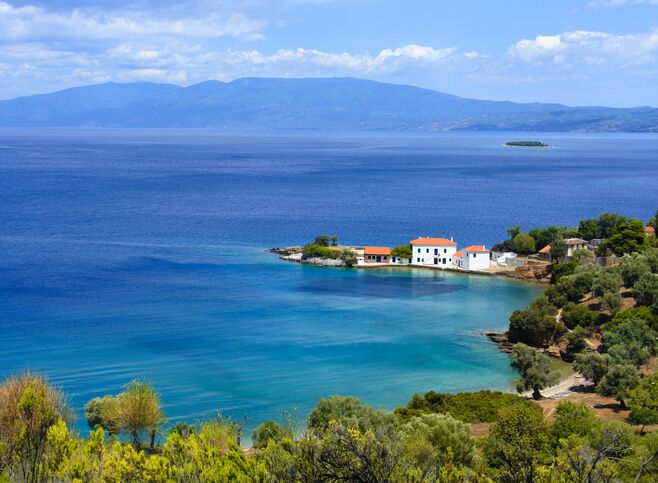
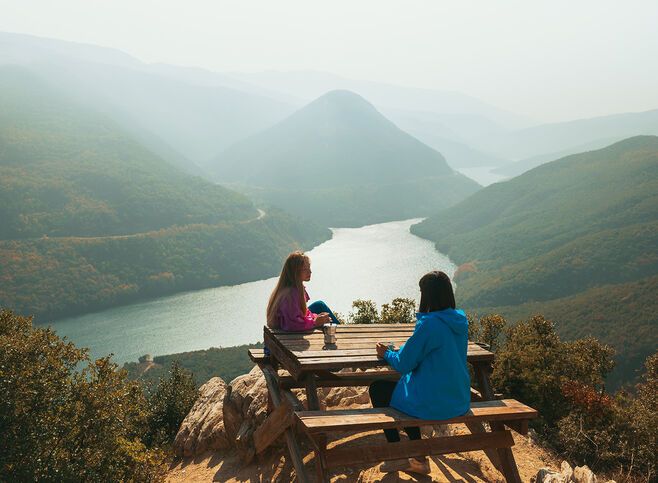
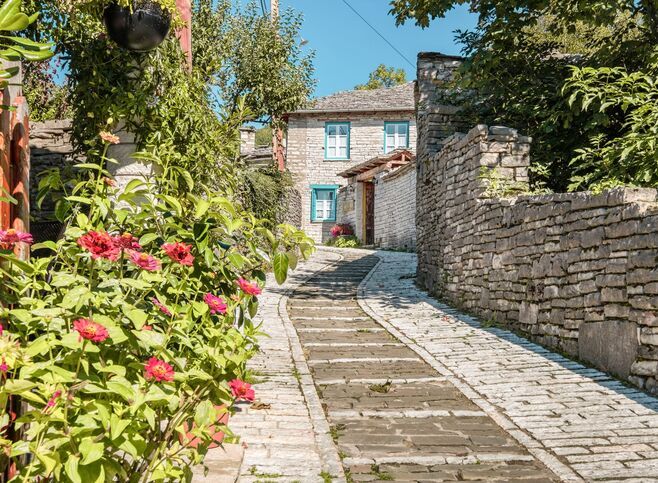
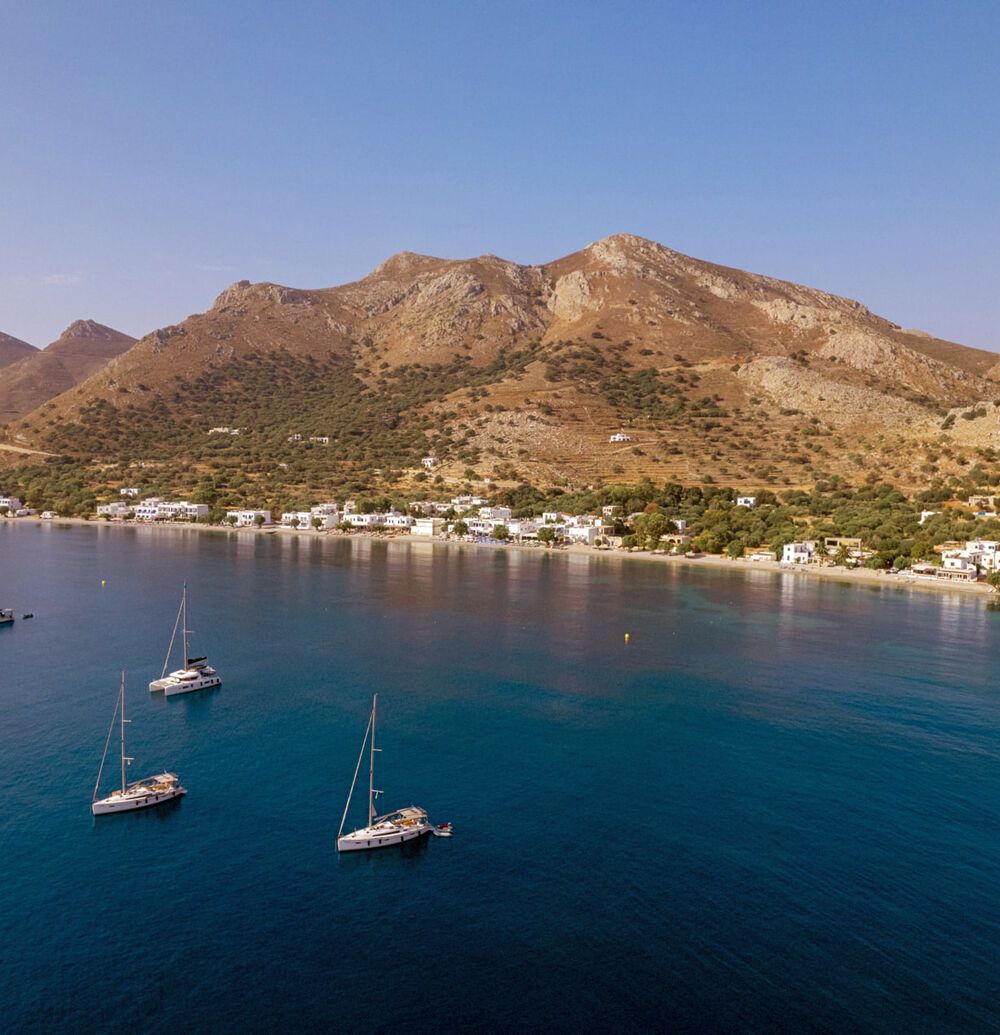
Tilos is an unexplored Greek island blessed with wild beauty and virgin landscapes. It is one of the Dodecanese islands and has, in its entirety, been included in the Natura 2000 network because of its impressive variety of plants, flowers and herbs and the rare bird species that live or migrate there. Around 45,000 years ago, it was also home to the last dwarf elephant population of Europe. It has recently undergone a green revolution, becoming the first energy-neutral island in the Mediterranean and the first certified zero-waste island in the world. So it is a great choice for anyone who prioritises sustainable travel and is in the mood for a holiday that embodies the art of slow living… although, it is also known for its vibrant summer festivals – yet another of the unexpected things to do in Tilos.
Tilos can be reached by boat from Piraeus (14 hrs and not daily), but you can also fly from Athens to Rhodes (1 hr) and catch a ferry from the main port of Kamiros Skala to Tilos (2-3 hrs). Alternatively, you can fly to Kos (1hr) and catch a ferry to Tilos from the main port (2-3 hrs). But check the schedule before you arrive on either island as crossings aren’t daily.
 Powered By AI
This page details the eight best things to do in Tilos, an unexplored Dodecanese island known for its wild beauty, secluded beaches, hiking trails, and commitment to sustainability as the world's first zero-waste island. Key activities include exploring the main port Livadia, the capital Megalo Horio, the ghost town of Mikro Horio, numerous beaches, and learning about Europe's last dwarf elephants at Charkadio Cave. Visitors can also enjoy vibrant summer festivals, particularly around July 25-27 and August 15, embracing the island's authentic charm and slow-living pace.
This page details the eight best things to do in Tilos, an unexplored Dodecanese island known for its wild beauty, secluded beaches, hiking trails, and commitment to sustainability as the world's first zero-waste island. Key activities include exploring the main port Livadia, the capital Megalo Horio, the ghost town of Mikro Horio, numerous beaches, and learning about Europe's last dwarf elephants at Charkadio Cave. Visitors can also enjoy vibrant summer festivals, particularly around July 25-27 and August 15, embracing the island's authentic charm and slow-living pace.
- Get the best first impressions in Livadia
- Choose your secluded beach for the day
- Embrace the Just Go Zero program
- Explore the quiet beauty of Megalo Horio
- Explore the (almost) ghost town of Mikro Horio
- Find the heart of island life at a summer festival
- Fill up on the landscapes of Tilos on a hike
- Learn all about Europe’s last dwarf elephants
- ⛴ Ferry Schedules to Tilos
- The best things to do in Tilos
Get the best first impressions in Livadia
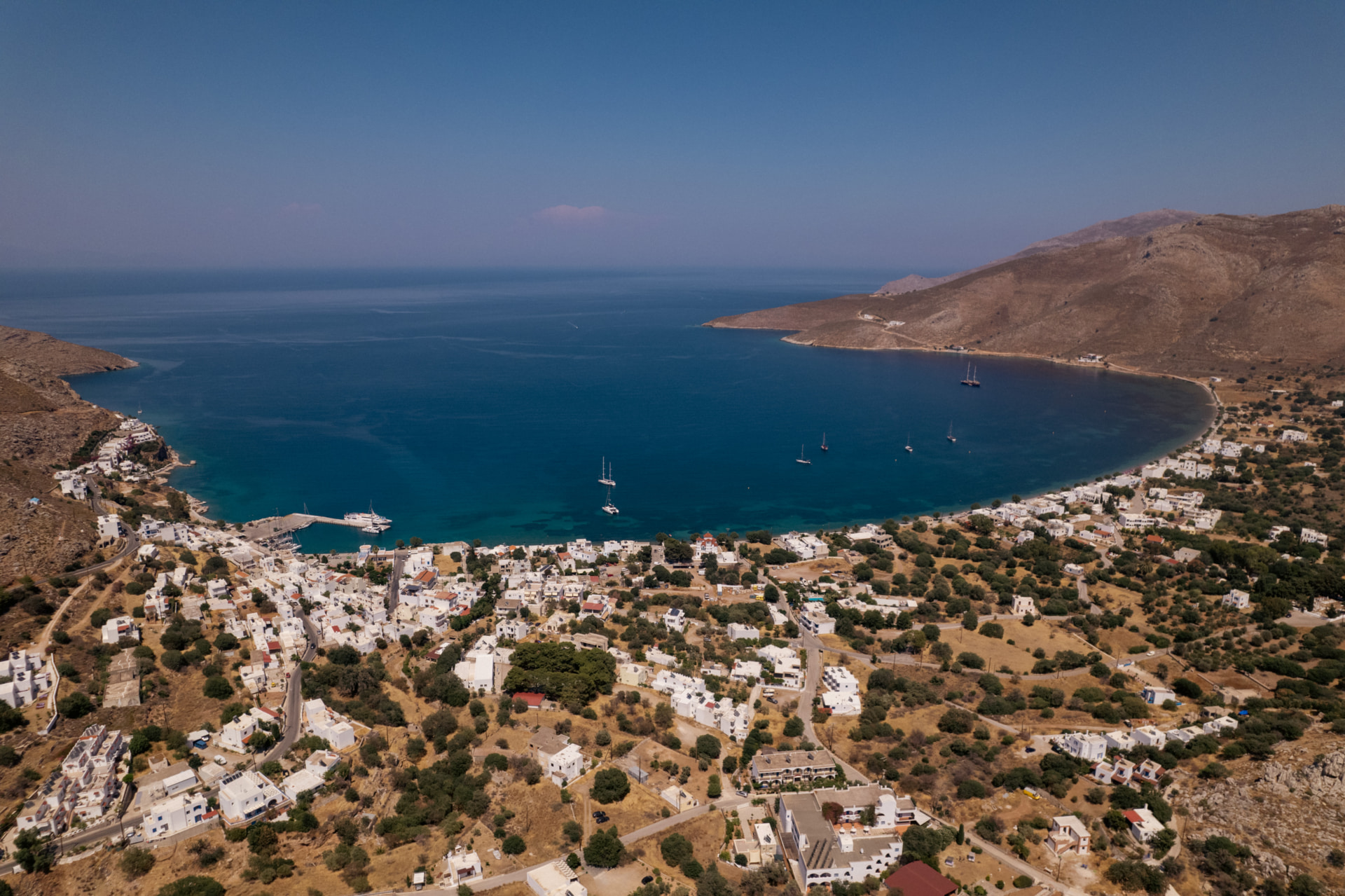
Livadia will be your first impression of Tilos, whether you arrive by boat from Piraeus or from Rhodes. It is the liveliest part of the island, with tavernas and cafes, and shops with souvenirs and whatever else you might need during your holidays in Tilos. The bay is more than a kilometre long, perfect for a summer evening stroll. It also has the largest selection of accommodation on the island and a narrow, pebbly beach with some sunbeds and umbrellas. But even if you’re not staying in Livadia, you’ll likely be returning for the shops and services (including boat trips) and for some of the delicious seafood that Tilos is famous for.
Choose your secluded beach for the day
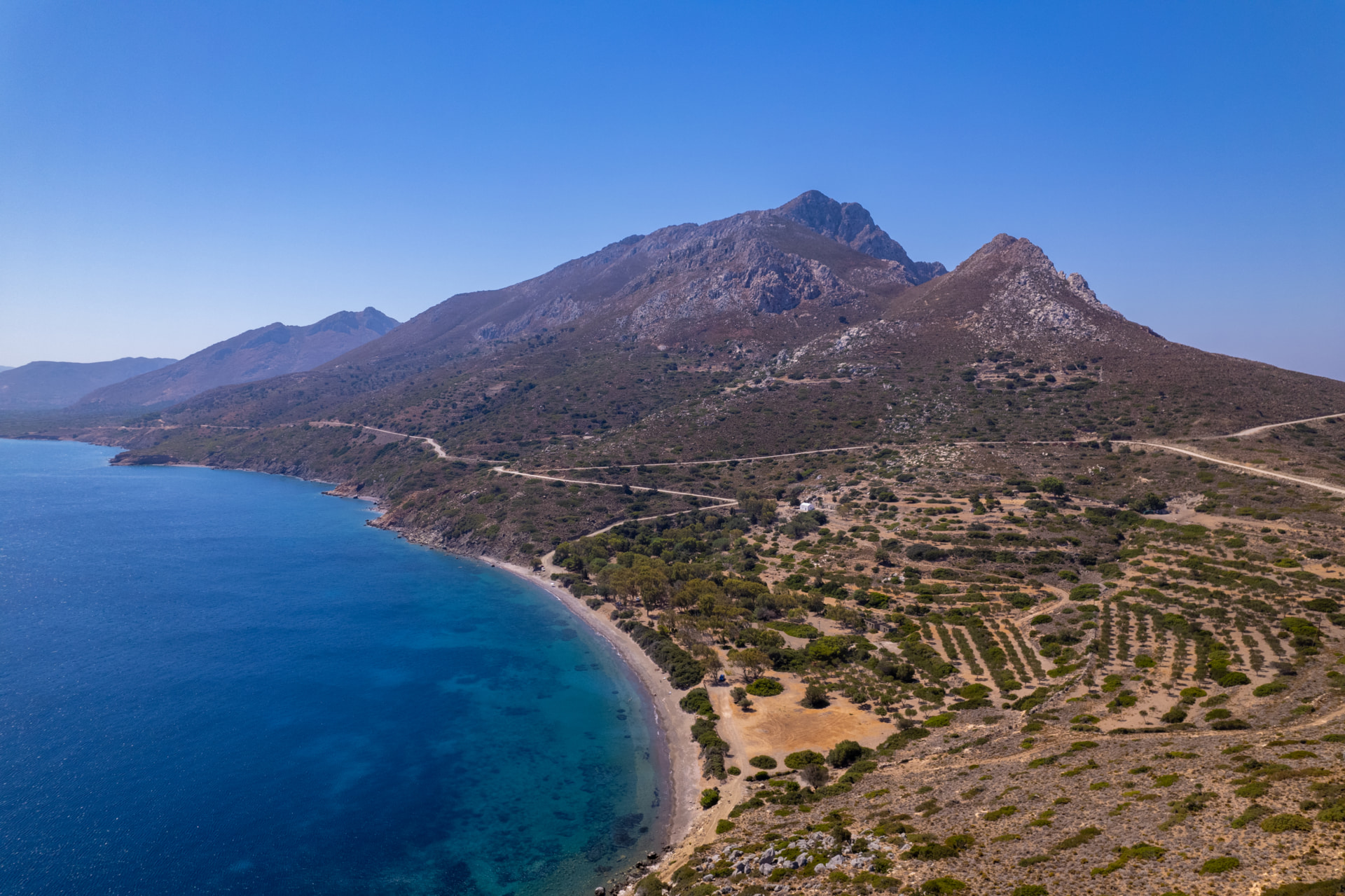
If the idea of relaxing on a remote beach under the Greek sun and swimming in perfectly clean waters is your idea of holiday heaven, then Tilos is for you. There are 19 beaches around the island, accessible by car, foot or kaiki (traditional wooden boat) from the port of Livadia, each with its own character and atmosphere. Most have no facilities, so it's important to bring food and drink and, ideally, shade. Eristos beach is probably the most popular, with sand and blue water and a small canteen for essentials. Secluded Plaka beach (in the northwest) has pebbles and beautiful water, as well as trees for shade and wandering peacocks in the area. And Kokkini beach can be reached by boat or foot (2km) from Livadia. It takes its name from the characteristic red colour of the sand (kokkino means red in Greek).
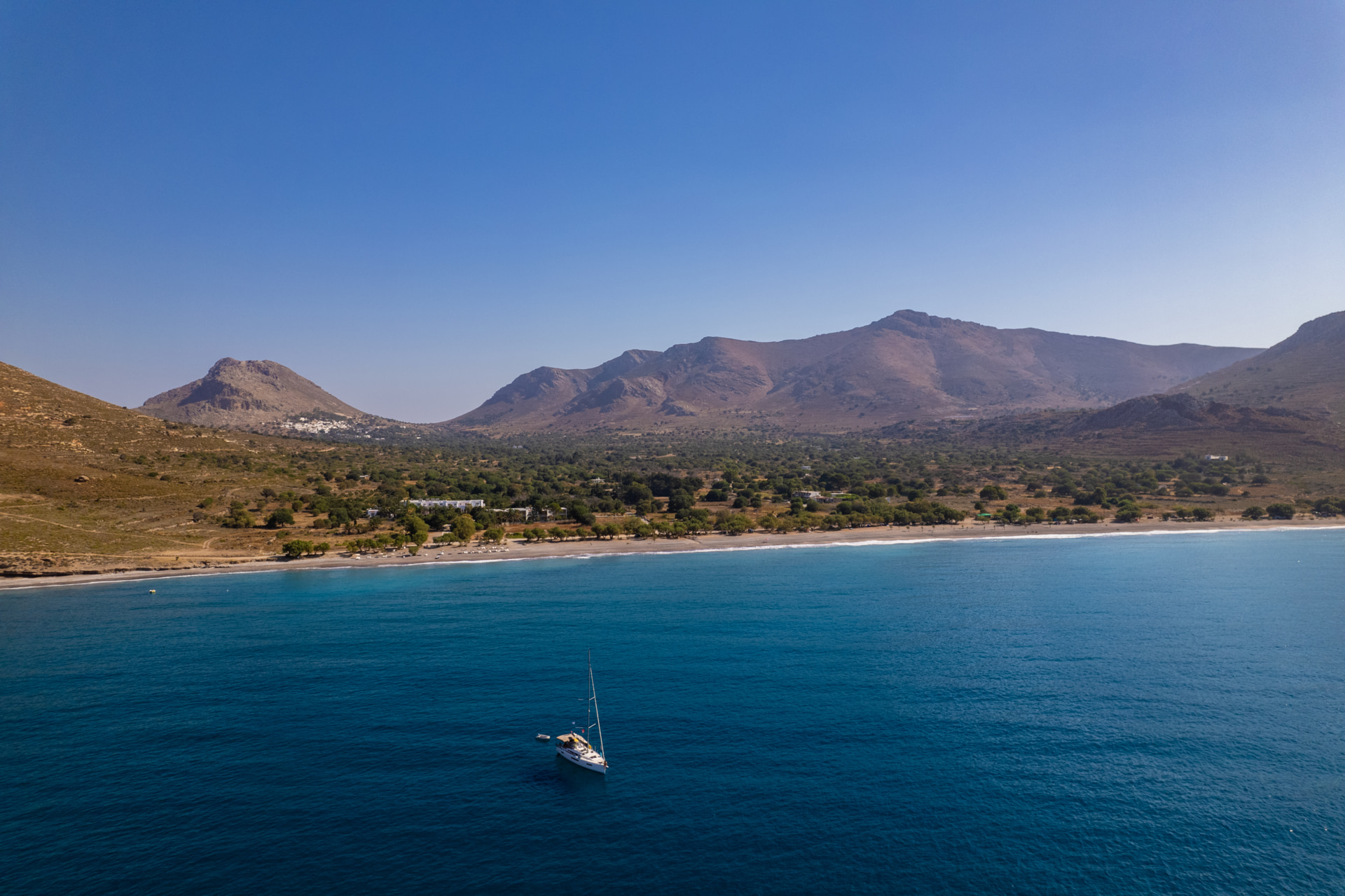

Skafi beach, in northern Tilos, is large and pebbly and Tholos is a small beach with sand and pebbles and characteristic grey and red rocks. Agios Sergios is a small, isolated beach that is very picturesque, with vivid blue water and pebbles, and pebbly Lethra is known for its clean water (it is popular with nudists). Finally, Vlychada beach, near Livadia, has blue-green waters and is another great option for a totally relaxing day by the sea.
Embrace the Just Go Zero program
Next on your list of things to do in Tilos is to embrace the island’s green revolution. There is an information centre in Livadia that will explain the Just Go Zero program (run by Polygreen in cooperation with the municipality), in which Tilos became the first energy-neutral island in the Mediterranean (generating electricity from wind turbines and solar panels) and the first zero-waste island globally (certified by the Brussels-based Mission Zero Academy). Effectively, that means recycling, reusing and composting waste so that it no longer ends up in a landfill. You’ll find special equipment and information in your accommodation on the special municipal bins available on the island to dispense of organic, recyclable and non-recyclable. Likewise, be sure to take everything you use from the beach and dispose of it when you find the appropriate bins around the island or where you are staying. And if you are in any doubt about how to respect Tilos’ zero waste initiatives, just ask.
Explore the quiet beauty of Megalo Horio
Although Livadia has the most facilities, Megalo Horio (which means Big Village) is historically the island's main settlement. It is a classic Aegean island main town (or Hora), with whitewashed houses, narrow lanes, blue shutters and doors, and fuchsia bougainvillea. Built on one of Tilos' 12 hills, it also has the feel of a mountain village, especially when you try the goat and other meat dishes in the tavernas. Built below the Byzantine castle of St John of Messaria (one of seven medieval fortresses in Tilos, of which only ruins remain), it is a quieter option than Livadia.


Be sure to visit the church of Agios Ioannis, which has an impressive pebble mosaic floor and beautiful views. And at the foot of the village is the island's Archaeological Museum, which covers the history of Tilos from prehistoric (4000 BC) to modern times, including murals from Byzantine and post-Byzantine churches. If you're up for it, there's also a short but steep path (0.7km, 20 mins) to the ruins of the castle, which offers stunning views of Eristos Bay.
Explore the (almost) ghost town of Mikro Horio
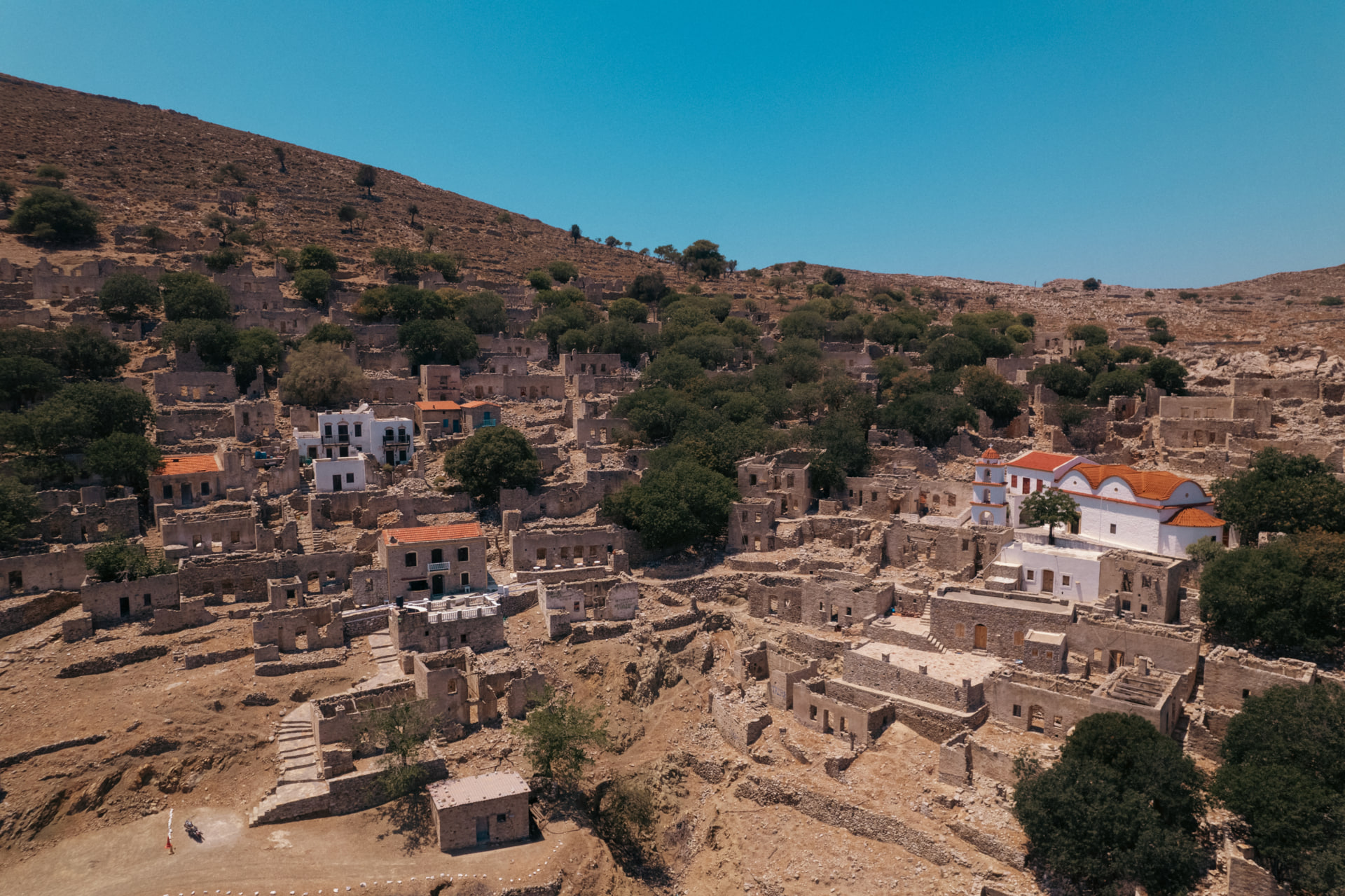
If there’s a Big Village, it makes sense that there’s a Small Village in Tilos. Well, Mikro Horio is found in the hills in the heart of the island, but the surprise here it is that – apart from a beautifully maintained church – it is a deserted settlement. Having been inhabited since the 15th century, its residents abandoned the village after World War Two and its stone buildings have been crumbling ever since. This makes walking down the alleyways and peering into the ruins of the houses a fascinating glimpse into the past. In the summer, when the town is lit up, there is an additional treat of a bar that operates till sunrise. And Mikro Horio fully comes alive once again once a year on August 15, for the Festival of Theotokos.
Find the heart of island life at a summer festival
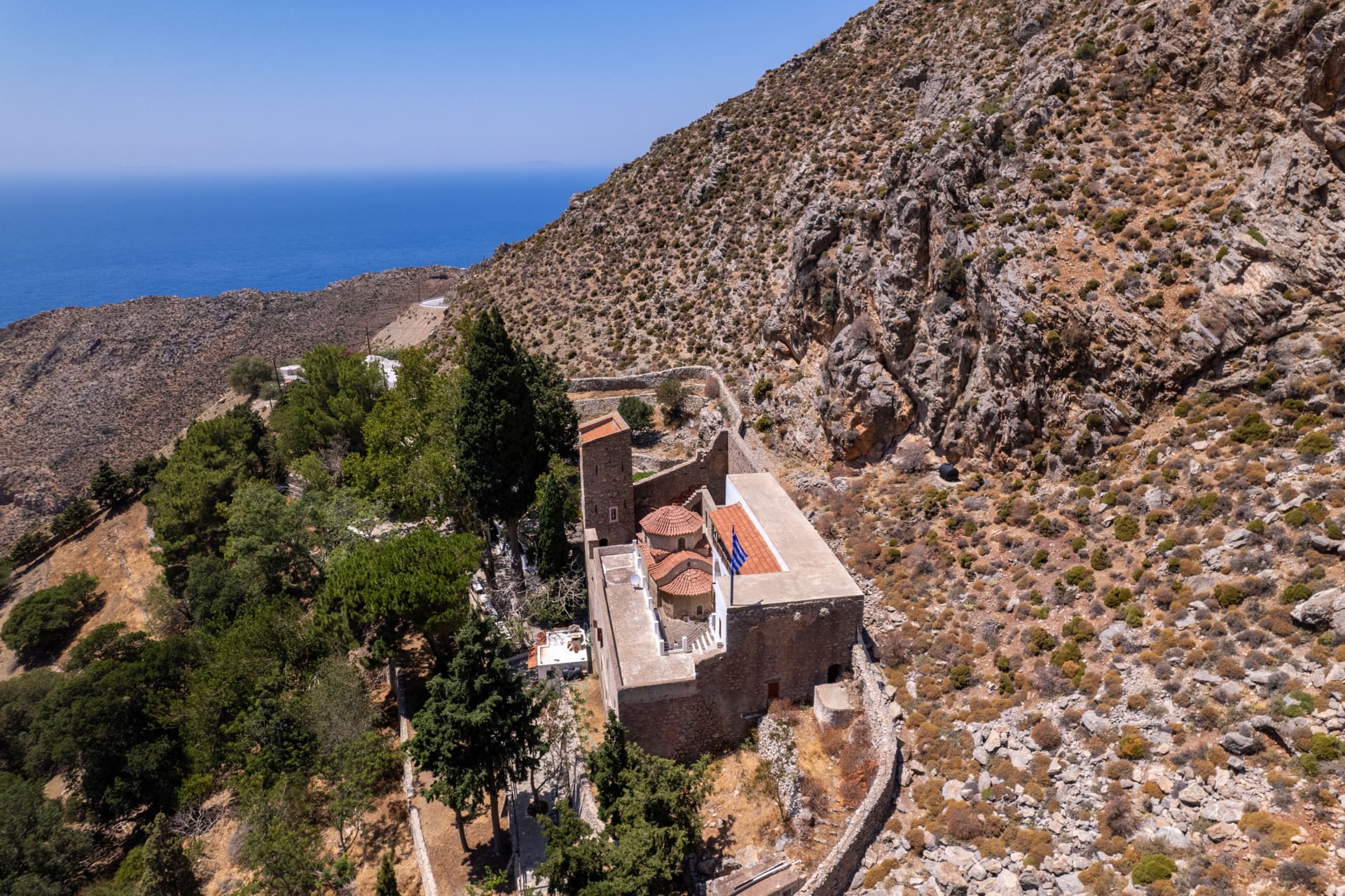
Speaking of festivals, Tilos is famous for breaking out of its summer slumber and joyously celebrating its annual feast days. If you can combine your stay with one of these panigyria (as they’re known in Greek), you’ll be taking your holidays in Tilos to the next level. Α July highlight takes place at the Byzantine monastery of Agios Panteleimonas, the patron saint of the island. To get, there you pass through the little fishing village of Agios Antonios (a lovely spot for a seafood meal) before arriving at the monastery, which was built on the ruins of an ancient Greek temple. It dates from the 15th century (with renovation works over subsequent centuries) and is a must-see whenever you visit Tilos. The defensive tower that is part of the monastery dates from the 16th century. During the festival of Agios Panteleimonas (July 25-27) guests are treated to three days of dancing, food and drink.
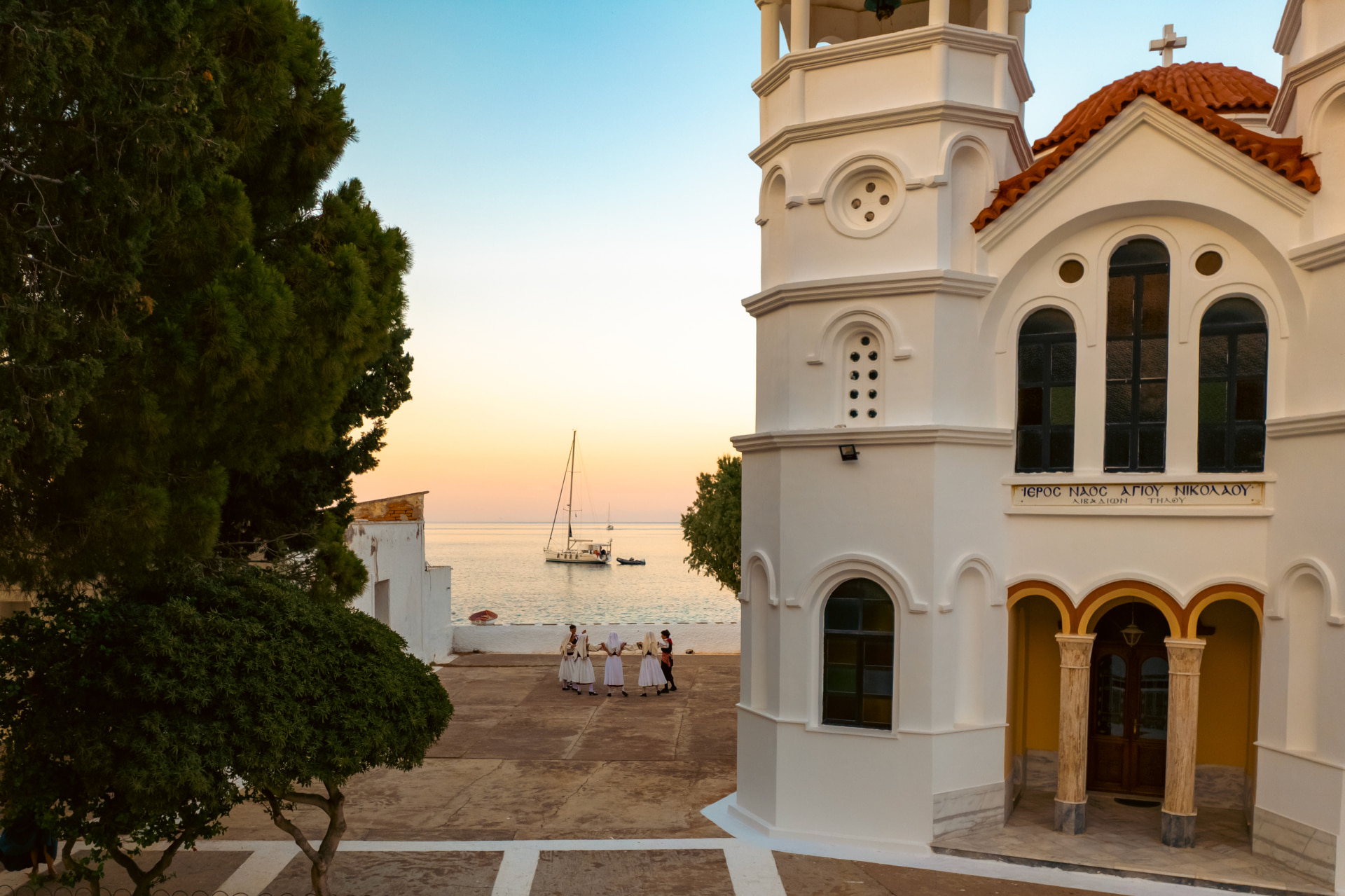

On July 28, you can witness the traditional dance of the cup at the church of Taxiarchis in Megalo Horio. The custom, which also takes place at other festivals in Tilos, involves a man handing a woman a cup that she dances with and in which people place money. Another woman is then chosen to dance with the cup. The money is used to help maintain the church. On August 15, when the feast of the Assumption of the Virgin Mary is celebrated all over Greece, the church of the abandoned settlement of Mikro Horio hosts the Feast of Panagia... a unique spectacle. And nine days later, on August 23, the Festival of Panagia Kamariani is held in the square of Megalo Horio. Also, on August 31, the Festival of Timias Zonis takes place in Mikro Horio. Lastly, on September 8, the birth of the Virgin Mary is celebrated.
Fill up on the landscapes of Tilos on a hike
If you love walking, then discovering the island’s hiking trails will be one of your favourite things to do in Tilos. The arid landscape is at its best in spring, when temperatures are cooler and aromatic plants and herbs (thyme, sage, oregano etc) are flowering. Keep an eye out for some of the 100 species of birds (almost half of them threatened) that live on or migrate through Tilos (including Mediterranean shags, Eleonora’s falcons, Bonelli’s eagles and peregrine falcons). There are a number of marked trails (either stone or goat tracks) of varying degrees of difficulty. A few highlights are from Megalo Horio to Agios Antonios on a path bordered by a stone wall (1.1km, 20 mins) and from Megalo Horio to Skafi beach (2.4km). Another is from the small Church of Panagia Kamariani (near Agios Antonios) to the Monastery of Agios Panteleimonas (3.6km, 1.5 hrs). There are plenty of viewpoints along the way and a water spring to refill your bottle.


In the southeast, there is a moderately difficult route through impressive scenery from the chapel of Agios Ioannis, past the abandoned village of Geras and on to the summit of Mount Koutsoumbas. From Agios Ioannis, the route follows a 3km stone path with lovely views over the bay of Agios Zacharias and it is a further 5.5km (2.5 hrs) to the top of Mount Koutsoumbas (494m). But of course, you can turn around at Geras, which was once a rural settlement and today, like Mikro Horio, is a ghost town of crumbling houses. If you fancy a swim, there are footpaths on the way that descend to the deserted beaches of Despoti Nero and Ai Zacharias. Another favourite is a circular route from Livadia to Kokkini and Lethra beaches, which then heads inland to Mikro Horio before looping back around to Livadia. It is a challenging circular route (8.4km, 4 hrs) but you can opt to walk just to Kokkini beach (2km) or Lethra (3.1km) or Mikro Horio (3km).
Learn all about Europe’s last dwarf elephants
The last of your things to do in Tilos is likely to be the most unexpected as you learn all about the dwarf elephants that lived on the island up to 45,000 years ago. We only found out about them in 1970, when palaeontologist Nikolaos Simeonidis discovered the bones of more than 90 elephants in the cave of Charkadio, in the Messaria area. Professor Georgios Theodorou continues Simeonidis’ work on Tilos to this day and the cave is still being excavated, but you can visit a small palaeontological museum near the cave to learn more about what are believed to be the last community of dwarf elephants in Europe.
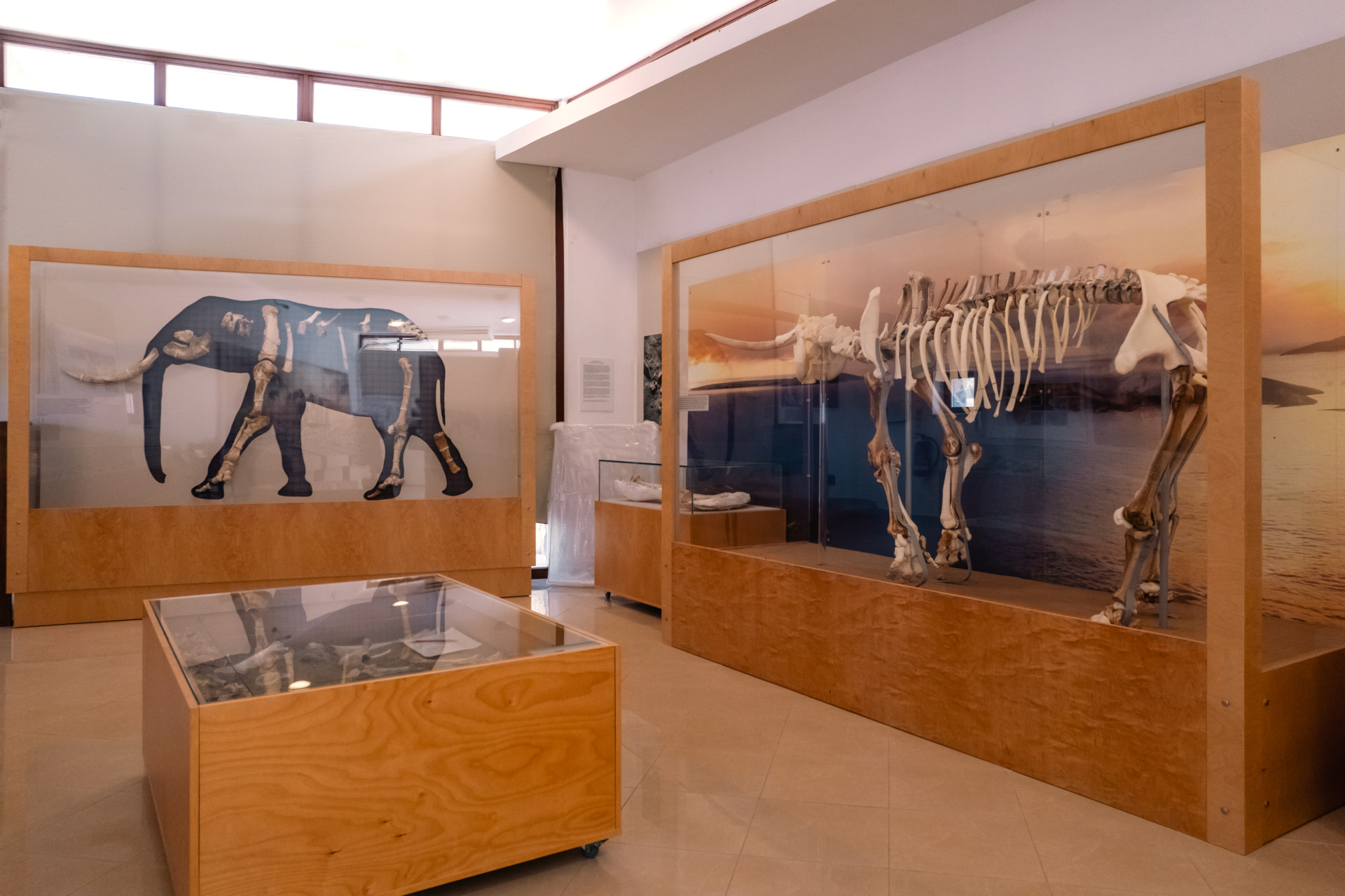
They are thought to have swum or passed along a land corridor when sea levels in the Aegean were much lower and Tilos was considerably larger. The vegetation was, however, far poorer than they were used to, so they evolved to a maximum of 1.5 metres in height and around 500-600 kg. They existed in Tilos until about 3,500 to 4,000 years ago. We don’t know why they became extinct but we do know that they found refuge in this cave. Neolithic pottery and stone tools have also been found in the cave, along with deer bones thought to be around 140,000 years old.
⛴ Ferry Schedules to Tilos
Ferry Guide: Piraeus ↔ Tilos
- Operator: Blue Star Ferries
- Frequency: 2–3 sailings per week, year-round
- Duration: Approximately 14.5 to 15.5 hours
- Departure Times: Typically in the afternoon or evening from Piraeus
- Ferry Type: Conventional ferries with cabins, numbered seats, and vehicle decks
- Luggage: Included in ticket; storage areas available onboard
- Vehicles: Cars and motorcycles allowed; advance booking recommended
The best things to do in Tilos
Tilos is an unexplored Greek island, off-radar and little visited compared to its better-known Dodecanese island neighbours. It prides itself on its zero-waste policy and the joy of its summer festivals. But otherwise, Tilos is an ideal holiday island in Greece for anyone seeking total relaxation, secluded beaches and hiking trails through the pristine landscape.
Tips for hiking in Greece
Hiking is a magical way to enjoy the Greek countryside but make sure to be prepared and protect yourself, especially on very hot days.
- Stay hydrated: Always wear a hat and carry plenty of water with you.
- Be weather-wise: Check the weather forecast before setting out. Avoid hiking during the midday heat and extremely hot periods. The best periods for hiking in Greece are during the spring and autumn months.
- Plan your walk: Whenever possible, follow marked trails and plan your walk. Ideally, use a guide and never hike alone. Ask for directions if you’re unsure. This helps protect both you and the natural environment
- Stay connected: Have the phone numbers of your hotel and local authorities, such as the police, handy. And make sure your mobile phone is fully charged
You can find out more about Tilos and its hiking trails, and contact the municipality, on here.