

What is Lesvos Best Known For?
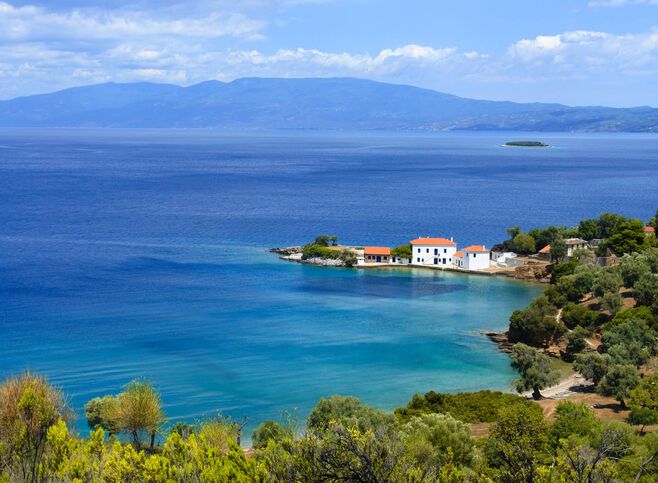
Situated in the North Aegean, Lesvos is the third-largest island in Greece, with a mountainous interior and a coastline that offers beaches ranging from long sandy stretches to secluded coves. Its cultural identity is shaped by centuries of Venetian and Ottoman influence, most visible in the capital Mytilene and the castle town of Molyvos. The island was also the birthplace of the lyric poet Sappho, born in Eressos around the 7th century BC.
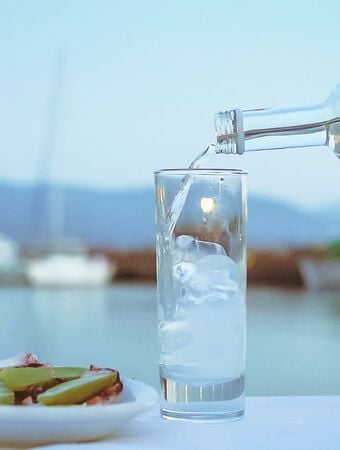
No Greek island is more closely associated with ouzo than Lesvos, which produces around half the country’ supply. The south-coast village of Plomari is its heartland, but the ouzo tradition runs deep right across Lesvos – as does the cultivation of olives, with millions of trees covering the landscape and the island's olive oil carrying PDO status.
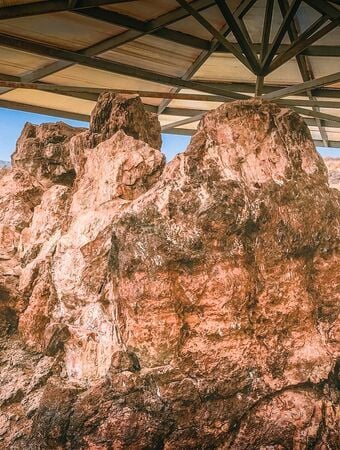
The Petrified Forest near Sigri is a UNESCO Geopark containing fossilised remnants of a subtropical ecosystem buried under volcanic ash up to 20 million years ago – one of the largest of its kind in the world.
Equally distinctive is the island's birdlife. The Kalloni saltpans and surrounding Natura 2000 wetlands draw more than 300 bird species in spring and autumn, making Lesvos one of Europe's most rewarding birdwatching destinations.
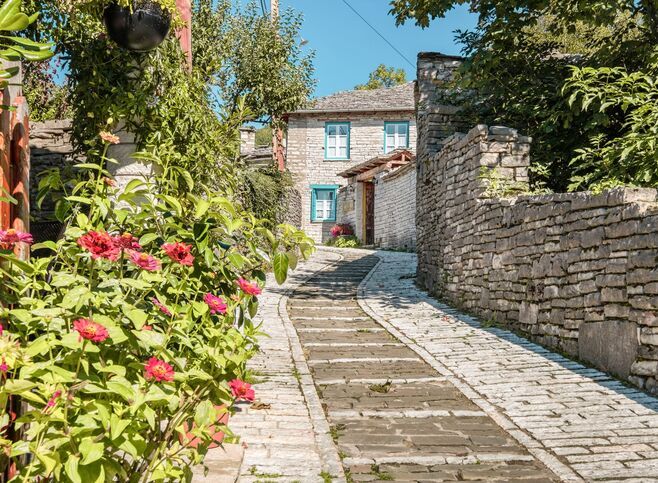
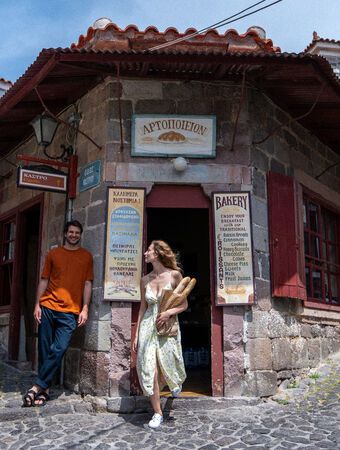
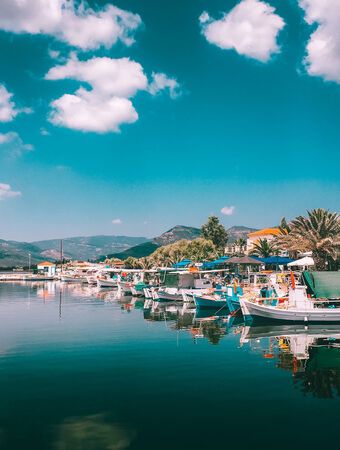
Lesvos also has a wealth of villages – some perched in the hills, others strung along the coast – that retain year-round populations and a way of life shaped by olive farming, fishing and local craft traditions.
What to do in Lesvos
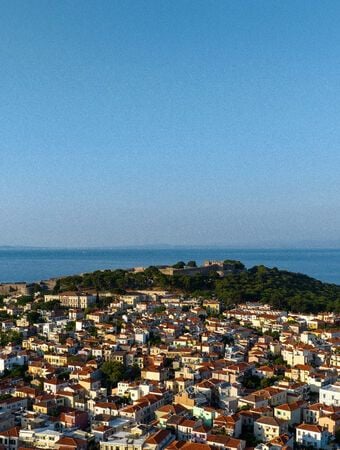
Mytilene is the kind of island capital that has a way of drawing you back, even if it is not your base during your holidays in Lesvos. So don’t leave without giving it the attention it deserves. A stroll along the harbour takes you past neoclassical mansions, ouzeries and cafes, all the way to Sappho Square. Mytilene Castle is one of the largest medieval fortifications in the eastern Mediterranean and Mikras Asias Street hides remnants of Lesvos' Ottoman past.
There are a surprising number of museums in Lesvos, with two of the most unexpected found in the Vareia district on the outskirts of Mytilene. The Theofilos Museum is dedicated to the island's beloved folk painter and the Tériade Museum-Library was founded by a Lesvos-born Parisian publisher whose collaborators included Picasso, Matisse and Chagall.
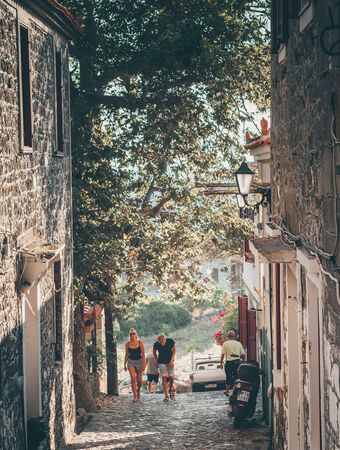
In the north, Molyvos (or Mythimna) is a beautifully preserved medieval town of cobblestone streets and stone houses crowned by a Venetian castle that is lit up at night. The harbour, the colourful houses climbing the hillside and the Ottoman Baths are among the highlights.
The Barbayanni distilleryand museum and the Ouzo Plomari Isidoros Arvanitis distillery & museum tell the story of the merchant families who arrived from Asia Minor in the 19th century, bringing their ouzo distilling recipes with them – ending, naturally, with a tasting. And the island's olive oil heritage is equally worth pursuing, with dedicated museums in Agia Paraskevi and Papados. Indeed, the villages of Lesvos are among the island's greatest pleasures – from Agiasos and Mantamados in the hills to Skala Sikamineas and Petra on the coast, each shaped by its own traditions and way of life.
Set aside time for the Natural History Museum at the Petrified Forest near Sigri, where fossilised tree trunks surround the building and the exhibits bring the ancient landscape to life. And each September, Skala Eressou hosts the annual International Women’s Festival – one of the events making Lesvos a popular LGBTQ+ destination.
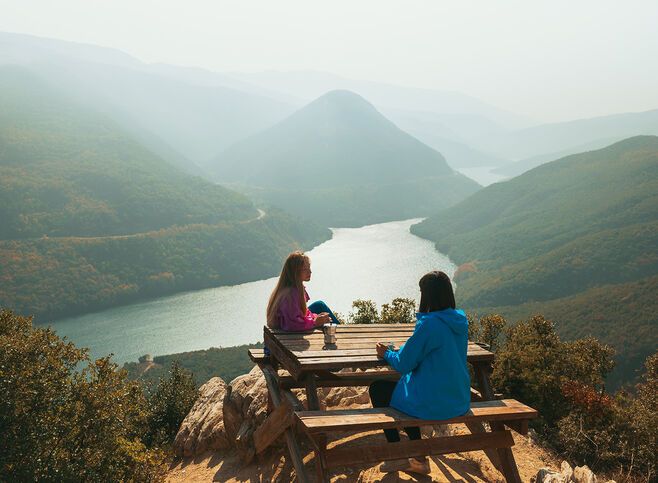
For outdoor enthusiasts, there are over 150km of marked hiking trails, horse riding and thermal springs. The Kalloni saltpans and surrounding wetlands attract more than 300 bird species, making Lesvos one of Europe's most rewarding destinations for birdwatching.
Best Beaches in Lesvos
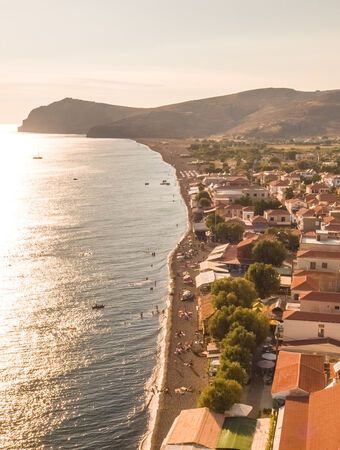
Finding a swimming spot near Mytilene is easy – Agios Ermogenis, tucked into a pine-fringed bay with a chapel above the shore, and Charamida, organised and good for water sports, are both within easy reach of the capital. The south coast is home to Lesvos' most expansive beaches, with Blue-flagged Vatera stretching for just over 8 km – the longest on the island. Nearby Agios Isidoros, close to Plomari, is another long beach of sand and fine pebbles. Tarti and Melinta are quieter options further east, the former known for its shallow, clear water and the latter for its secluded, unhurried feel.
In the north, Molyvos beach lies beneath the castle-topped settlement, with water sports and tavernas, while the quieter, pebbly Eftalou is just along the coast (both hold Blue Flag status). Anaxos and Petra are also well-organised, family-friendly beaches along the north coast.
On the west coast, Skala Eressou offers dark sand, calm water and one of the best sunsets on the island, with the wilder Chroussos beach just to the south. Further north, Sigri sits in a pretty bay with shallow water and the Ottoman castle above it. In the northeast, Tsonia stands out for its rust-coloured sand and pebbles in a semi-circular pine-fringed cove.
Best Time to Visit Lesvos
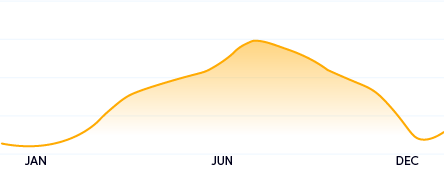
Lesvos has a different appeal in each season, though summer is when its beaches and coastal villages are at their liveliest. July and August are the busiest months – ideal for swimming and beach life. For a more relaxed experience, May-June and September-October offer warm weather and a more unhurried pace.
Spring and autumn are particularly rewarding on Lesvos, with the olive groves and hillsides at their greenest and the Kalloni saltpans alive with migratory birds. They are also the best seasons for hiking the island's trail network and village hopping.
How to get to Lesvos
By air: Mytilene International Airport is located about 8km from Mytilene and receives year-round domestic flights from Athens (around 55 minutes) and Thessaloniki (around 1hour 10 minutes), as well as direct international flights from several European cities during the summer months.
By ferry: Lesvos is well connected by ferry from Piraeus port near Athens, with regular sailings throughout the year. The journey takes approximately 12 hours on a conventional overnight ferry – a relaxed way to arrive, with cabin options available. There are also connections from Thessaloniki, other North Aegean islands and islands in the Dodecanese and beyond, making Lesvos a natural stop on a longer island-hopping itinerary.




Plan Your Lesvos Itinerary
Get AI-powered suggestions or work with expert travel specialists
Tours & Activities in Lesvos
Discover authentic local experiences and secure your bookings for activities and tours with our official online rates.
The Lava paths Tour - Sigri & Eressos in...
Lesvos: Powerboat Tour to Panagia Krifti
Feed the wild Horses – Lepetymnos mounta...
Lesvos: Top of the hill – Agiasos for a ...
Cycling By The Sea in Lesvos – Guided E-...
Cycling to the villages Around Plomari ...
Where to stay in Lesvos
Eressian Hotel & Hammam Spa
Akti Vigla Apartments Lesvos
Gaea Gardens Studios
Eleia Seafront Rooms & Villas
Heliades Maisonettes
Aeolian Beach Resort
Book your Ferry Now
Ferries to & from Lesvos
Find routes, ports & schedules - search below
Mytilene offers the widest choice of accommodation, from boutique hotels in restored neoclassical buildings to modern hotels close to the waterfront. In the north, Molyvos has a wide range of options, all within easy reach of the beach and harbour. And Petra and Anaxos nearby offer a good selection of family-friendly hotels. On the south coast, Plomari and the Vatera have smaller hotels and guesthouses and, in the west, Skala Eressou has a modest selection of small hotels and rooms. If you want a more rural experience, village guesthouses around Agiasos make for an authentic alternative to the coastal resorts.
The climate in Lesvos is typically Mediterranean, with hot, dry summers and mild, wetter winters. From May to October, the island enjoys plenty of sunshine and warm temperatures – ideal for beach holidays and outdoor activities. July and August are the hottest months, with daytime highs often reaching the mid-30s°C, though sea breezes keep things comfortable along the coast.
Spring and autumn are perfect for hiking, village hopping and birdwatching, with warm days, greener landscapes and fewer visitors. Most rainfall occurs between November and March, when the island is quieter but retains its character in Mytilene and the larger settlements.
Fresh seafood is at the heart of eating on Lesvos – from grilled fish and octopus to the sardines of Kalloni Bay and smoked eel, both local delicacies. Ladotyri cheese, aged in olive oil, and the island's PDO olive oil appear in some form in almost every meal, alongside wild greens, pulses and herbs. The villages add their own flavours – slow-cooked meats, homemade pies and local honey found in the squares of Agiasos and Mantamados. There is also a strong tradition of sweets, from local baklava and spoon sweets made from seasonal fruits to platsenta, a syrupy pastry traditionally made at Christmas. Ouzo is more than a drink on Lesvos. Distilled with aniseed, fennel, mastic and other herbs, it is the natural companion to a seafood meze and the social ritual that gives a meal its rhythm, whether you are in a seafront taverna in Plomari or Molyvos or an ouzerie in Mytilene.
Lesvos is a safe and welcoming destination, known for its relaxedatmosphere and friendly locals. As with any popular destination, it is wise to take basic precautions – keep an eye on your belongings in busy areas and avoid leaving valuables unattended on the beach. Solo travellers will find the island easy to navigate and full of opportunities to explore at their own pace. The island has a general hospital in Mytilene and pharmacies in all main towns and tourist areas. Food safety standards are high and bottled water is widely available. Always follow local advice on drinking tap water. If you are planning to hike or explore more remote areas, carry water, wear sunscreen and a hat. The emergency number for all services in Greece – medical, police and fire – is 112.
Lesvos is located in the North Aegean, close to the Turkish coast, and is the third-largest island in Greece and the largest of the North Aegean island group, which also includes Chios, Samos and Limnos. Its main port and capital, Mytilene, is the hub from which most visitors begin their stay.
The best way to explore Lesvos is by hire car, which gives you the flexibility to reach its beaches, villages and natural landmarks at your own pace. Distances can be longer than you imagine – Mytilene to Molyvos is around 60km (just over an hour by car) and Sigri in the far west is around 85km from the capital (approximately 1 hour 30 minutes). A KTEL bus network connects Mytilene with the main towns and resorts, including Molyvos, Plomari, Skala Eressou and Sigri, and buses serve many of the main beaches in summer – though services can be infrequent, particularly to the west of the island. Taxis are available in Mytilene and the larger resorts.
Lesvos has a wide range of attractions beyond its beaches. In Mytilene, beyond enjoying a stroll around the harbour and the Venetian Castle, it is worth visiting the Archaeological Museum and Municipal Gallery. The Theofilos and Tériade museums in the nearby Vareia neighbourhood are two of the most unexpected art collections in Greece. Molyvos also has a Venetian castle and picturesque harbour and the Petrified Forest near Sigri is unlike anything else in Greece. The ouzo distilleries of Plomari offer a fascinating insight into the island's most famous tradition. The Kalloni saltpans are among Europe's most rewarding birdwatching destinations in spring and autumn.
Yes – Lesvos is an excellent destination for families. The north coast beaches around Molyvos, Petra and Anaxos are well organised with shallow water and plenty of facilities, and Vatera on the south coast is one of the longest and most relaxed beaches in Greece. Beyond the beach, families can explore Mytilene Castle, take a trip to the Petrified Forest and visit the island's villages, which have a warm, welcoming atmosphere. Lesvos’ relaxed pace and authentic character make it a rewarding choice for families looking for something beyond a resort holiday.
A minimum of five to seven days gives you enough time to explore Mytilene, spend time in Molyvos, visit a selection of beaches and venture into the villages and countryside. With a week or more, you can add a day at the Petrified Forest, explore the south and west coasts more thoroughly, visit the ouzo distilleries of Plomari and enjoy the birdwatching at the Kalloni saltpans. Lesvos rewards a slower pace – the more time you give it, the more it reveals.
The closest islands to Lesvos are Chios to the south and Limnos to the north, both easily reached by ferry. Further afield, Samos and Ikaria are also well connected. Lesvos sits at the heart of the North Aegean island group, making it a natural base for island hopping in this quieter, less-visited part of the Aegean.