Meteora
Somewhere between heaven and earth


What is Meteora best known for?
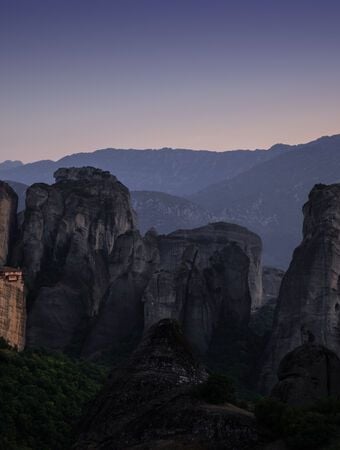
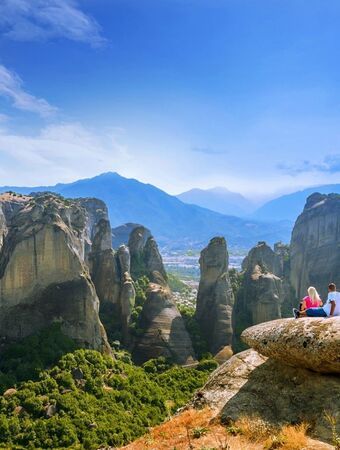
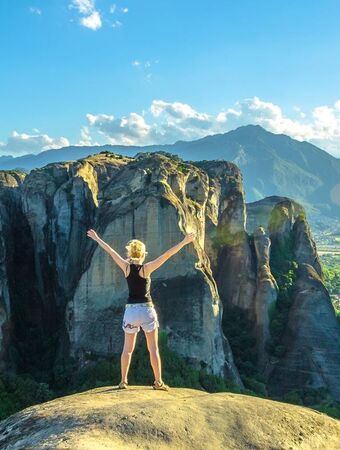
The rock pillars of Meteora rise from the plain of Thessaly above the town of Kalambaka, at the edge of the Pindos mountains. Your first, second and third sight of these impossibly tall, vertical sandstone formations will have you gasping in disbelief. But it's not just the geology that stretches the imagination – it's the monasteries balanced on the pinnacles high above. Who built them and how did they get there?
The monks responsible for creating them were the original rock climbers, hauling materials up by pulley, net and bare hands. Of the 24 monasteries built between the 14th and 16th centuries, six remain active, with frescoes and traditions preserved much as they were centuries ago.
Today, people come from all over the world to admire them and enjoy the surrounding landscape with activities ranging from hiking and rafting to wine tasting and truffle hunting.
The pillars themselves began as river sediment, laid down millions of years ago in an ancient sea basin that once stretched across this part of Greece. Tectonic uplift and steady erosion carved them into the columns you see today, some reaching close to 300 metres. It's this transformation – from seabed to sky – that gives Meteora its name: suspended in space.
Meteora holds two UNESCO distinctions: inscribed as one of Greece’s UNESCO World Heritage Sites in 1988 for both its cultural and natural value and, more recently, recognised across the wider region as the Meteora Pyli UNESCO Global Geopark. Together, they capture what draws people here – a place where geology, faith and human endurance meet, pulling in hikers, climbers, photographers and pilgrims alike.
What to do in Meteora
Whether you choose to stay in Kalambaka or in the quieter village of Kastraki a short drive away, the rock formations of Meteora will beckon you from almost anywhere you look. The six active monasteries are the obvious starting point.
Great Meteoron (officially named the Monastery of the Transfiguration of the Saviour) is the largest and oldest, founded in 1356 and sitting on the highest of the pillars. Varlaam is known for its 16th-century frescoes by the Cretan painter Theophanes, while Roussanou, perched dramatically on its own rock, is home to a community of nuns. Agios Stefanos is the easiest to reach, connected by a small bridge rather than steps, and Agios Nikolaos is the first monastery visitors come to on the path up from Kastraki. The Holy Trinity is the most demanding, reached by 140 steps cut into the rock. Long before any of these paths and steps existed, monks and supplies reached the monasteries by rope-net baskets and retractable ladders, still visible in many monasteries.
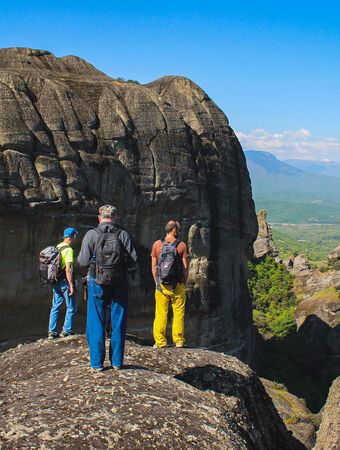
Between the monasteries runs a network of paths once used by monks and pilgrims. A popular route links Kastraki to the monastery of St Nicholas, the cave of St George the Mandilas, the ruins of Pantocrator, the restored Ypapanti monastery and finally Great Meteoron and Varlaam monasteries. Most hiking trails climb gently over 7-8 km, making them manageable for families, though a guide will explain the history and plant life and take you to the best viewpoints. Time your walk for sunset if you can – the changing light on the rock faces is an experience in itself.
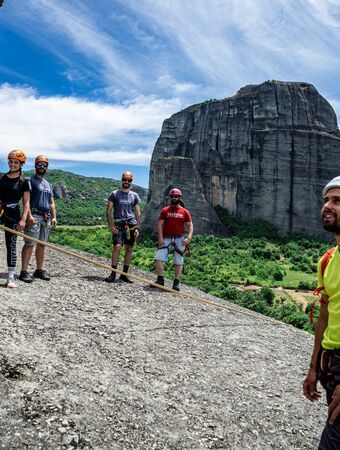
Some trails are ideal for mountain-biking, winding past monasteries and into the countryside that includes the oak forest near the Ypapanti monastery. And rafting trips follow the Pinios river, best enjoyed in spring or autumn. Meteora is also a well-known rock-climbing destination, with routes for beginners and experts, and a via ferrata hiking and scrambling route rises 430 metres to the summit of Great Saint (Agia), the highest peak of the Meteora rocks.
Back in Kalambaka, look out for homemade pies, honey and local wine, or join a food-and-wine tour ending in a farm-to-table meal. Seasonal truffle-hunting expeditions in the surrounding forests are another way to enjoy Meteora, followed by a visit to the Natural History and Mushroom Museum.
Best time to visit Meteora
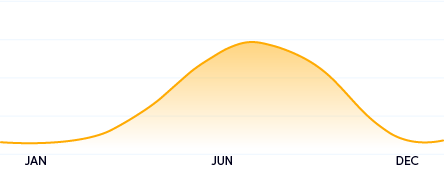
Meteora is a destination that rewards a visit at any time of year, each season casting the rock pillars and monasteries in a different light. Summer is the busiest time, while spring and autumn bring lower temperatures and a greener countryside – ideal conditions for hiking, mountain biking and the other nature activities.
Spring is the best time for rafting on the Pinios River, when the water levels are at their fullest, and truffle hunting in the surrounding forests is best in autumn. Winter has its own charm, with a stillness that makes the monasteries feel at their most solemn, while Orthodox Easter brings a different atmosphere altogether, as the monasteries hold their own services and the whole area takes on a more spiritual mood.
Whatever time of year you choose, Meteora's blend of dramatic landscape and centuries of monastic life makes it a place like no other in Greece.
How to get to Meteora
The Meteora rock formations and monasteries are found in the Thessaly region of mainland Greece. Getting there from Athens or Thessaloniki is straightforward.
By car
From Athens, it's around 360 km (4 hours 15 minutes) and from Thessaloniki, the drive is shorter, at around 230 km (around 3 hours). Both routes are well served by motorway for most of the way.
By bus
The KTEL public bus network connects Kalambaka directly with both cities. From Athens, buses depart from Liosion Terminal (Terminal B), with the journey taking around 5 hours 15 minutes. From Thessaloniki, services run from Makedonia Station, taking around 3 hours.
There are also organised day trips and multi-day tours from both Athens and Thessaloniki, taking care of transport, timings and a local guide in one booking.





Plan Your Meteora Itinerary
Get AI-powered suggestions or work with expert travel specialists
Tours & Activities in Meteora
Discover authentic local experiences and secure your bookings for activities and tours with our official online rates.
From Athens: Full-Day Meteora Tour with ...
From Thessaloniki: Private Sunset Tour t...
Meteora: Guided Sunset Tour with Monaste...
Meteora: Rock Climbing for beginners
From Athens: Meteora 2-Day Trip with Acc...
Meteora Hiking Tour with Monastery Visit
Where to stay in Meteora
Amalia Hotel Meteora
Alsos House
Meteoritis Hotel
Kaikis Hotel Kalampaka
Elena Guest House
Tsikeli Boutique Hotel Meteora | Adults ...
The town of Kalambaka has the widest choice of places to stay, from family-run guesthouses to larger hotels, many with views towards the rocks. For something quieter and closer to the start of many hiking paths, the village of Kastraki offers smaller guesthouses and boutique hotels with a slower, more traditional feel. Trikala, the nearest city, is a livelier alternative with a wider choice of restaurants and bars. Book well ahead for summer and the Orthodox Easter period, when demand is highest.
Meteora's food culture draws on the wider traditions of Thessaly, with homemade pies, honey and dairy products among the local specialities worth seeking out in Kalambaka and Kastraki. Grilled meats and hearty, farm-to-table dishes are common on menus, alongside tsipouro, a grape spirit often served with meze. In autumn, look out for dishes built around wild mushrooms and truffles gathered from the surrounding countryside. Tavernas and grill houses are found in Kalambaka, Kastraki and the smaller surrounding villages, ranging from simple family-run spots to more elegant restaurants with views of the rocks.
The climate around Meteora is more changeable than in coastal Greece, with hot, dry summers and colder winters that can bring snow to the rocks and surrounding hills. July and August are the warmest months, so plan hikes and monastery visits for the morning or late afternoon. Spring and autumn bring milder, more comfortable temperatures and greener surroundings, making them ideal for walking and outdoor activities. Most rainfall comes between October and March, with conditions in the hills more changeable than in Kalambaka itself, even in summer.
Meteora is a safe and welcoming destination. Kalambaka has a health centre for routine care and the nearest general hospital is in Trikala, around 20 km away. There are pharmacies in both Kalambaka and Kastraki. If you're hiking, carry water, wear sunscreen and a hat, and check trail conditions before setting out. The emergency number for all services in Greece is 112.
Meteora is around 360 km from Athens, a drive of about 4 hours 15 minutes on mostly motorway roads. If you're travelling by public transport, KTEL buses connect Athens directly to Kalambaka in around 5 hours 15 minutes. Whichever way you travel, the journey passes through the plain of Thessaly, giving you your first glimpses of the rock pillars as you approach.
Meteora lies in the Thessaly region of mainland Greece, at the edge of the Pindos mountains. The nearest town is Kalambaka, close to the village of Kastraki. The wider region is known as the Meteora Pyli UNESCO Global Geopark, reflecting the geological significance of the landscape beyond the monasteries and the iconic rock formations.
Most people explore Meteora on foot, by car or by taxi from Kalambaka or Kastraki. A local bus service also runs between the settlements and to the monasteries. Many visitors choose to walk at least part of the way, following the network of paths that link several of the monasteries and offer some of the best views of the rock formations. A guided tour is the best way to learn about history of the monasteries and the Meteora rocks, and to discover the best viewpoints.
A single day is enough to visit two or three of the monasteries and take in the main viewpoints, making Meteora a feasible one- or two-day trip from Athens or Thessaloniki. To properly explore the area, three days lets you visit multiple monasteries at a relaxed pace and add in a hike, a rafting trip, or a food and wine experience. Basing yourself in Kalambaka or Kastraki also means you can catch the sunset and sunrise over the rocks.
Each of the six monasteries sets its own opening hours and closing days, and these change between summer and winter, so it's worth checking the current schedule before planning your visit. It's rare for all six to be open on the same day, so if you want to see more than two or three, plan your itinerary around their individual schedules rather than assuming you can visit in any order. Entrance costs €5 per person per monastery, payable in cash at the entrance (cards aren't reliably accepted), so it's worth being prepared.
Yes, a modest dress code applies at all of Meteora's monasteries. Shoulders and knees should be covered, and sleeveless tops, shorts and short skirts are not permitted. If you arrive without appropriate clothing, long skirts and shawls are usually available to borrow at the entrance. It's a good idea to pack a light layer for this purpose, especially if you're combining a monastery visit with hiking or activities earlier in the day.
The monasteries and footpaths of Meteora are popular with families. Some monasteries involve a fair number of steps, though, and accessibility for kids and anyone with mobility issues varies from one to the next. The Holy Trinity, for example, requires around 140 steps to reach, while Agios Stefanos, reached by a bridge rather than a staircase, is generally the best choice if you want to avoid climbing. If you have mobility concerns, it's worth choosing monasteries based on ease of access. A guide can help you identify the best options in advance.