

What is Hydra best known for?
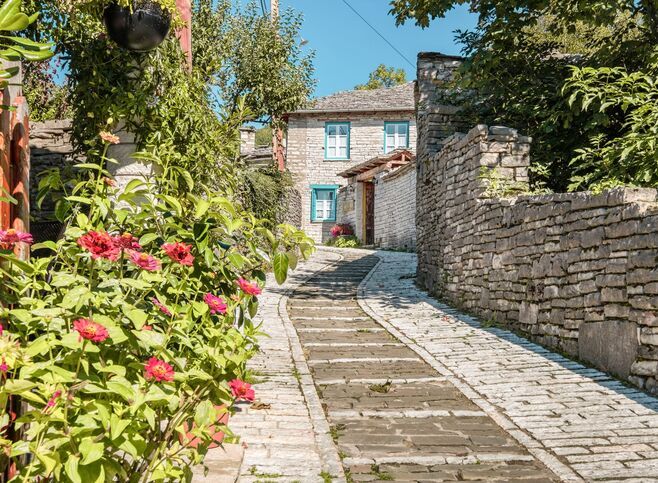
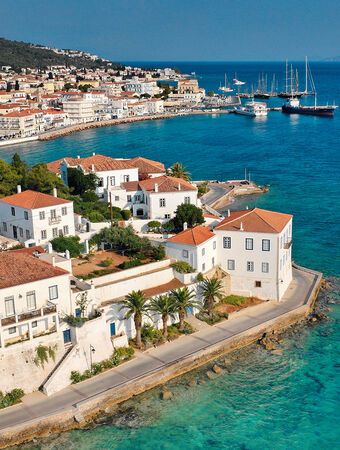
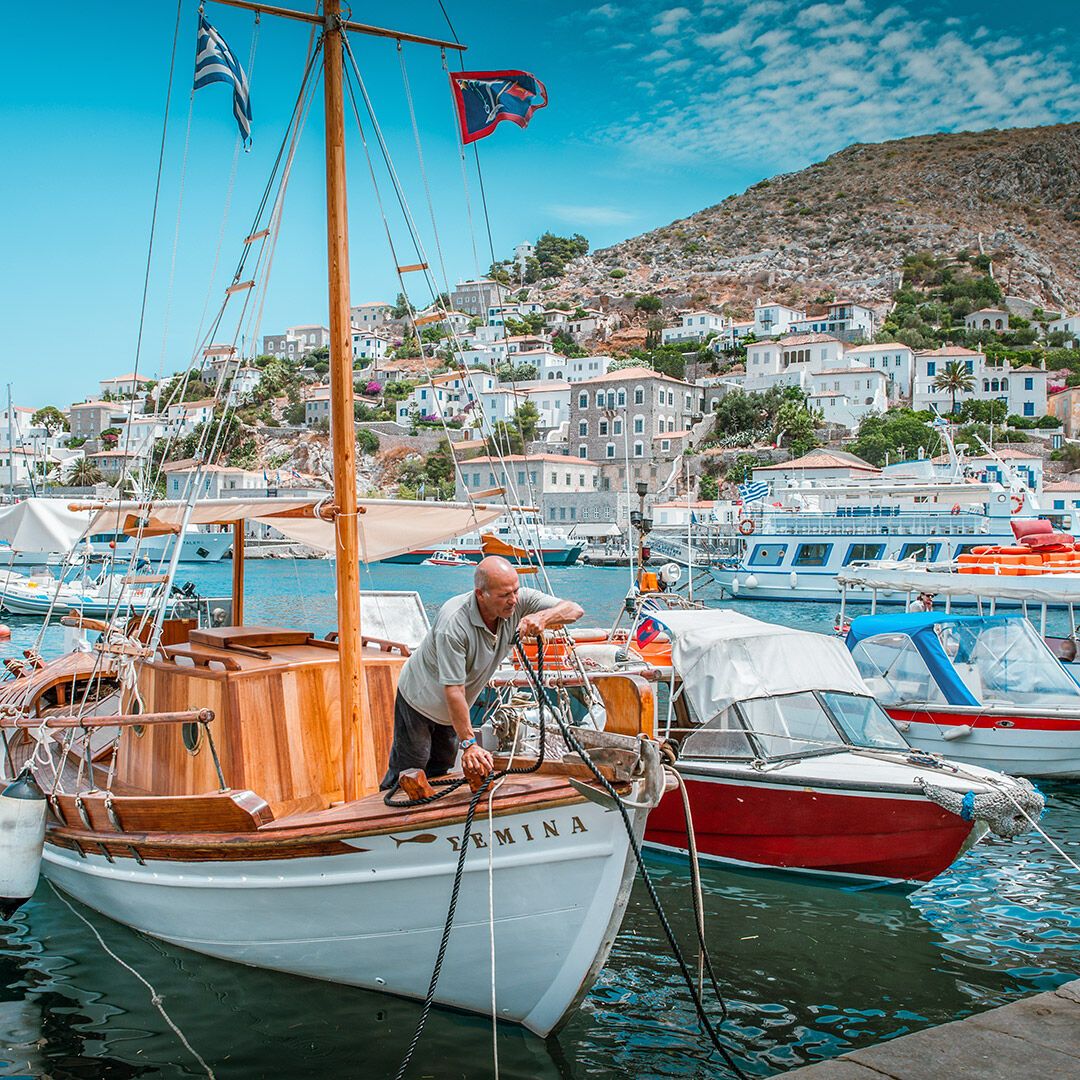
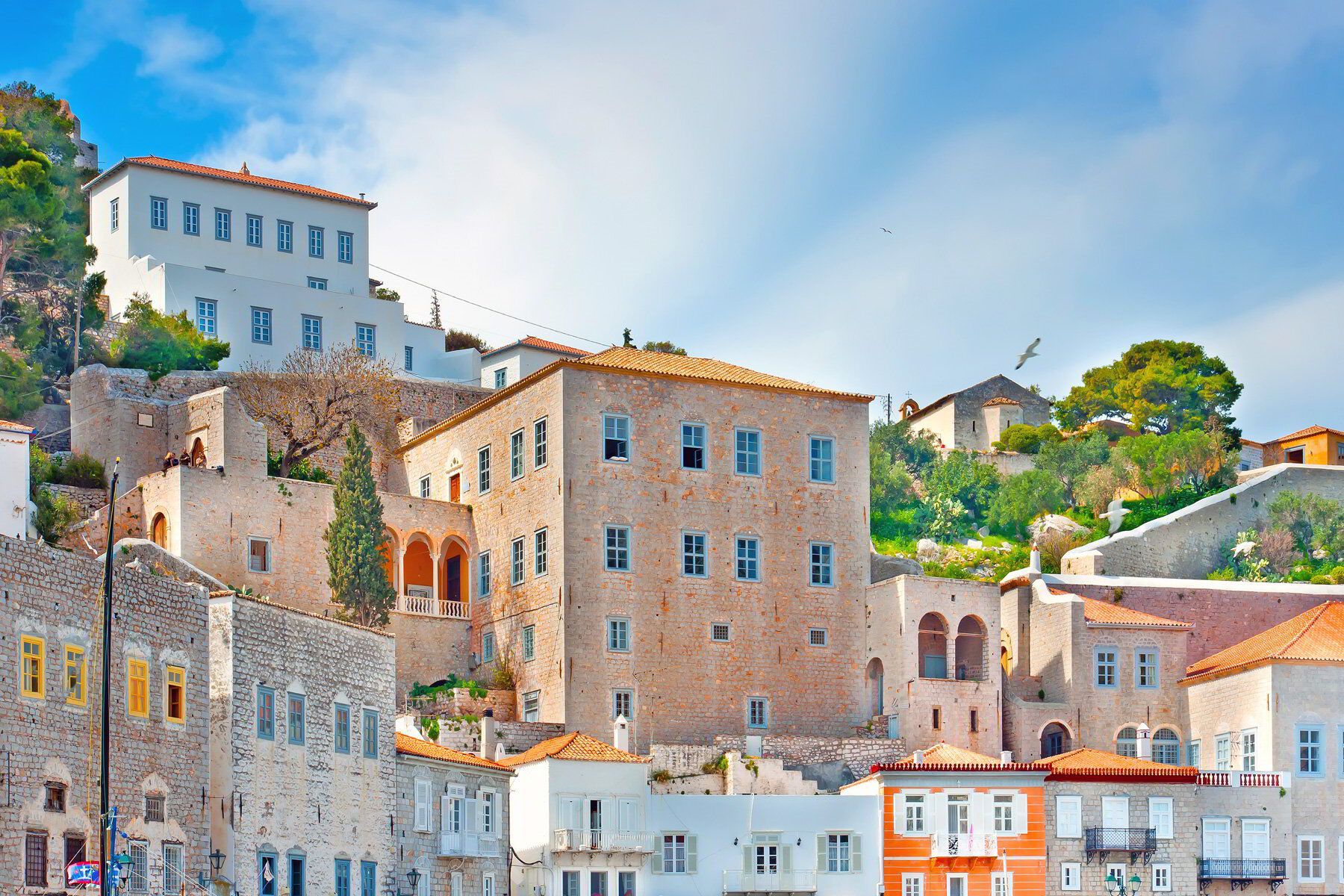
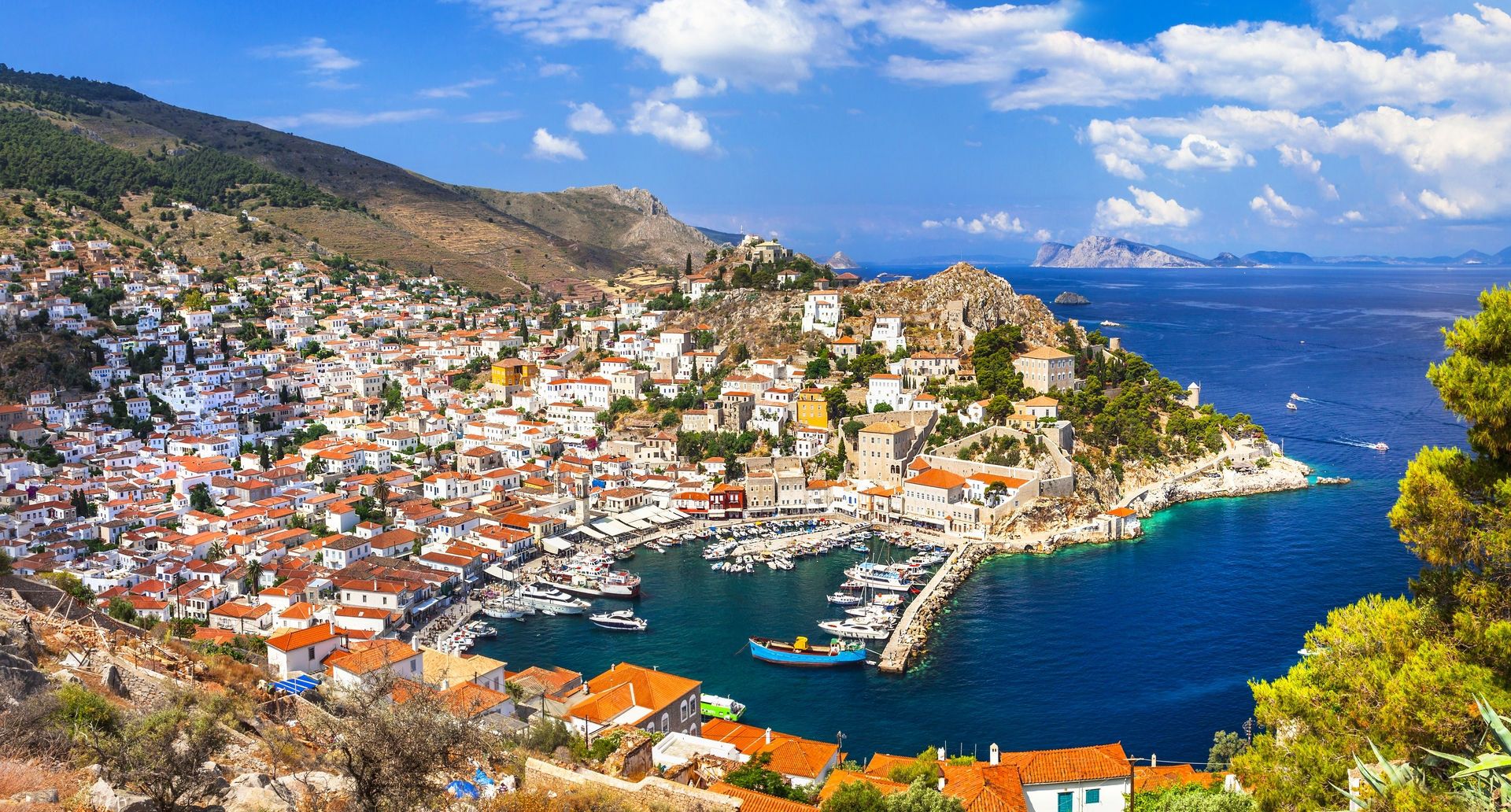
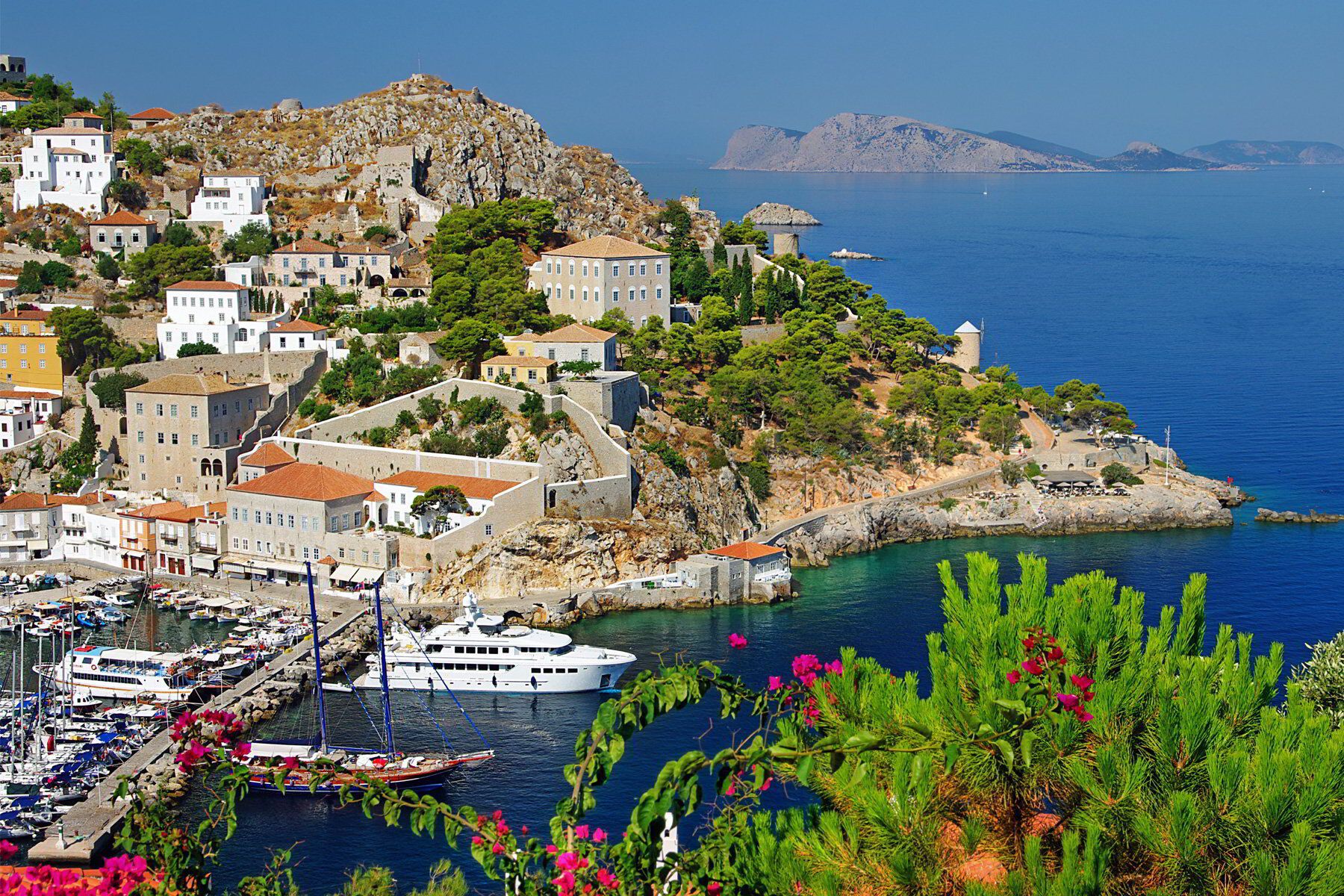
Just a short ferry ride from Athens across the Saronic Gulf, Hydra feels like stepping into another world. From the moment the ferry glides into the harbour, you sense a change of pace. The island’s timeless beauty is defined by elegant 18th- and 19th-century captains’ mansions and neoclassical architecture that line the waterfront, with marble-paved alleys fanning out behind them. Built by prosperous seafarers, these houses tell stories of Hydra’s proud maritime past – some now transformed into hotels and museums.
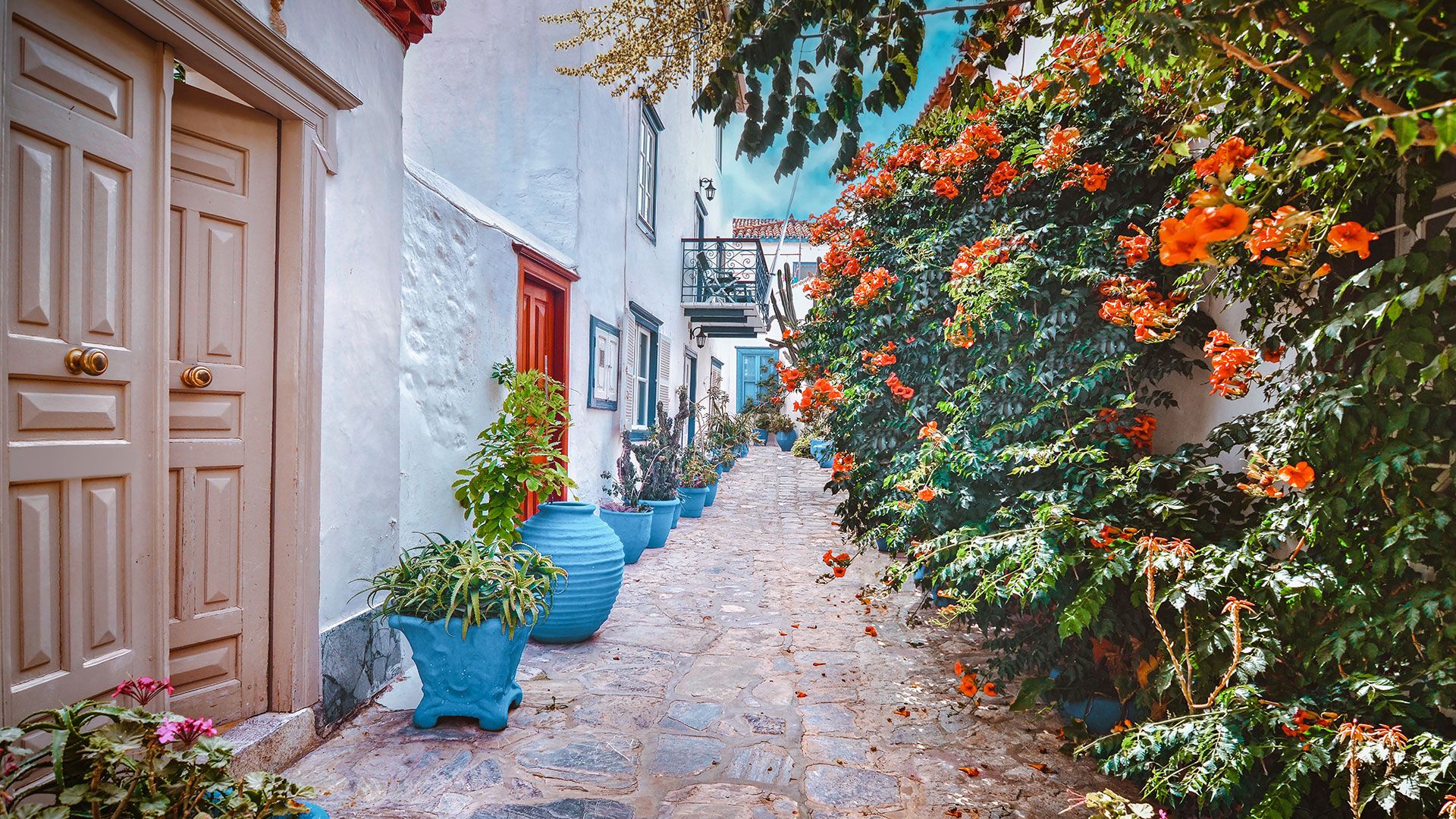
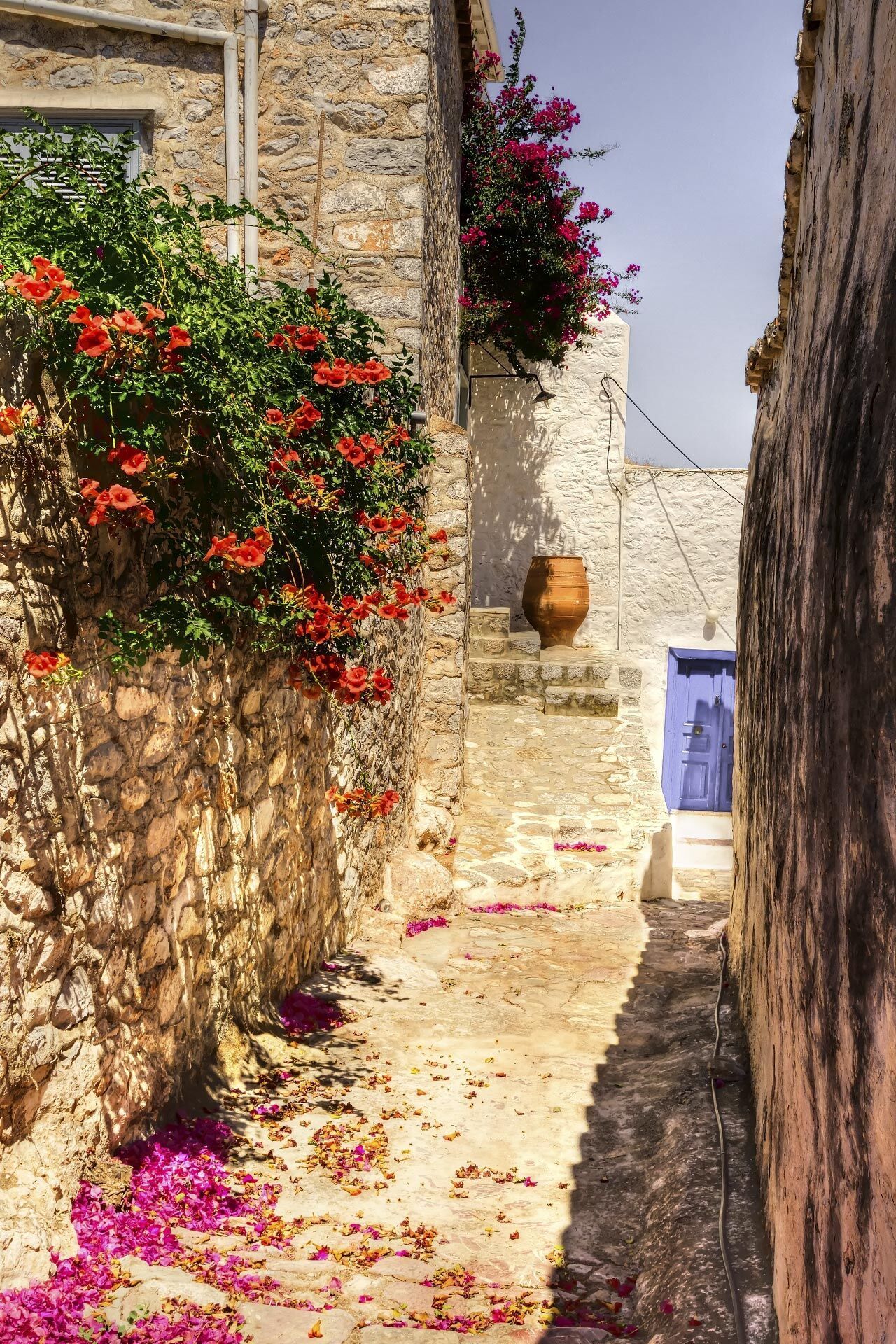
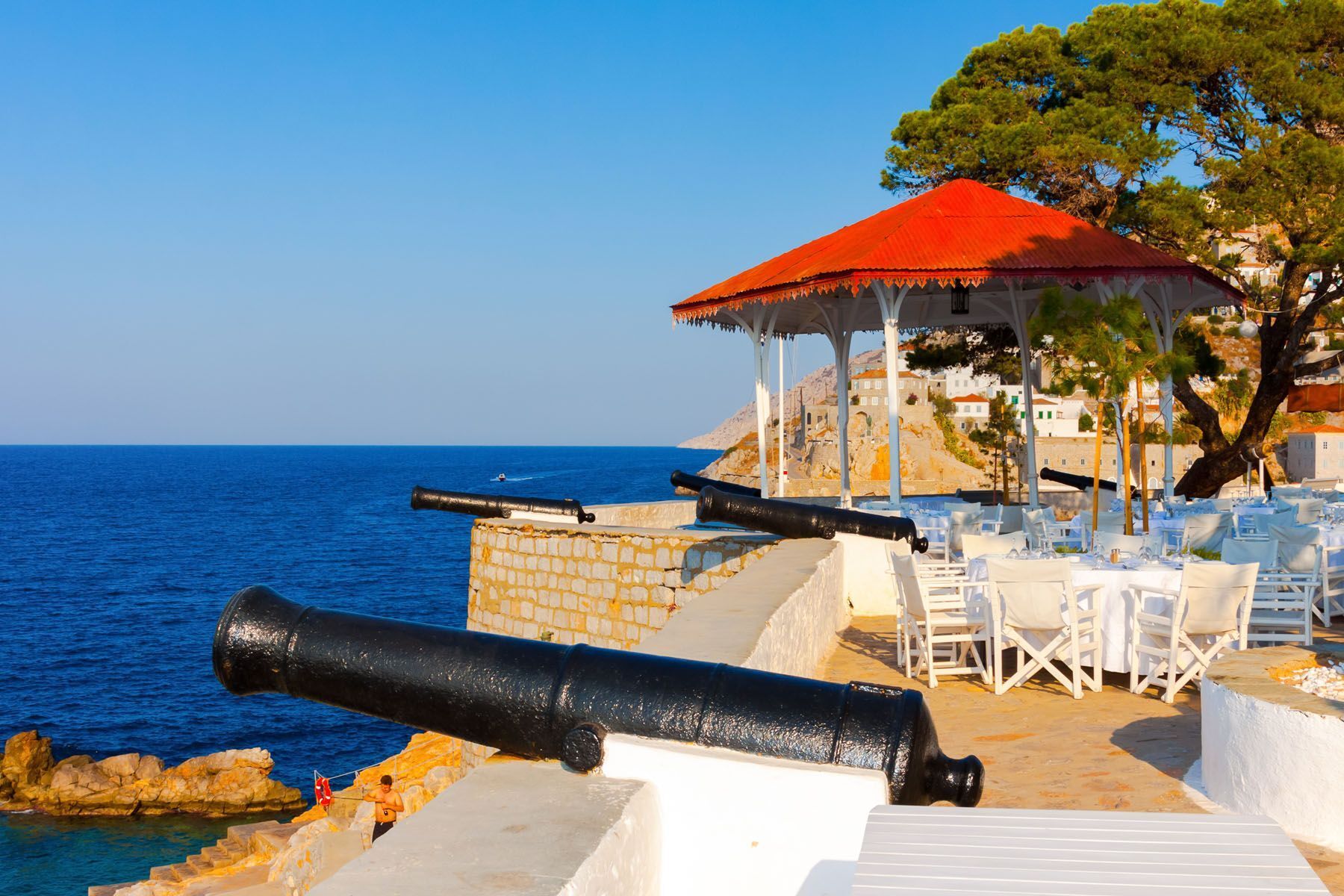
Hydra is famously car-free, with life unfolding at a walking pace and water taxis buzzing across the bay to beaches and nearby coves. This peaceful rhythm makes every stroll through Hydra Town a delight – from boutiques and art galleries to waterfront tavernas serving fresh seafood and local specialities – all framed by stone steps, courtyards and passages.
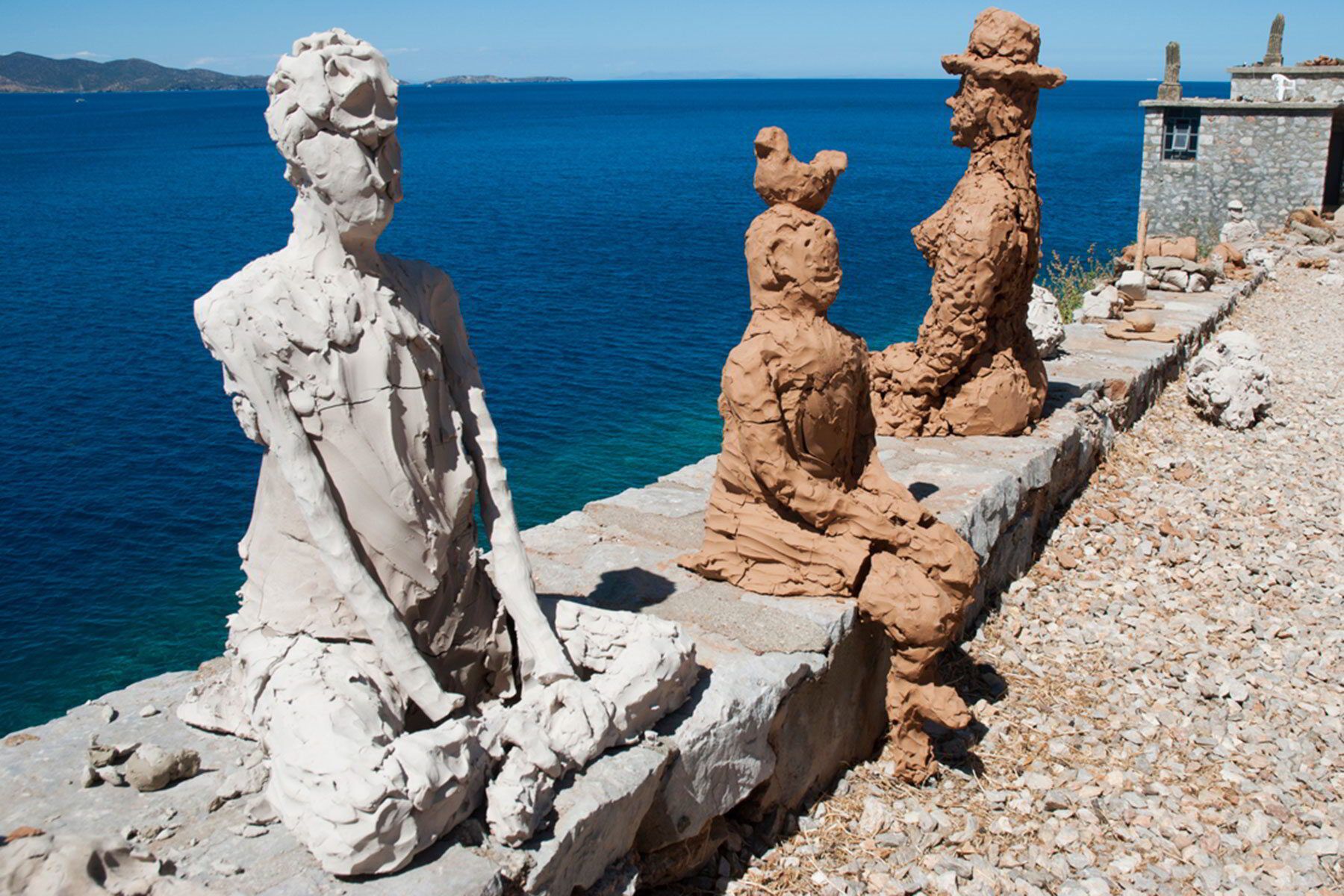
A magnet for artists and free spirits since the 1960s, Hydra has a distinctive creative energy. The singer Leonard Cohen once made his home here and the island has a vibrant art scene, with the annual Hydra School Projects bringing contemporary art exhibitions to numerous venues. One of the highlights is the DESTE Foundation Project Space Slaughterhouse, which hosts cutting-edge exhibitions each summer in a converted abattoir. The Tetsis Home & Studio is housed in the former residence of the renowned Greek painter Panayiotis Tetsis and Wilhelmina’s Art Gallery is a contemporary art space in Mandraki Bay.
Meanwhile, the Lazaros Koundouriotis Historical Mansion is housed in one of the grandest captain’s homes in Hydra Town, providing a glimpse of 19th-century grandeur, while the Hydra Museum – Historical Archives showcases the island’s rich maritime heritage and role in Greece’s struggle for independence.
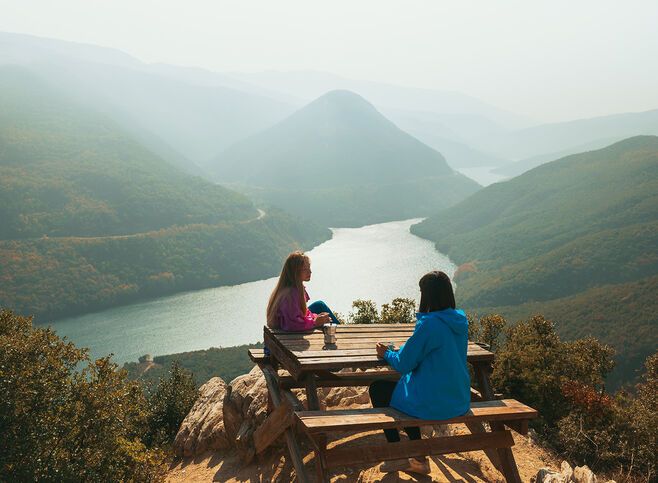
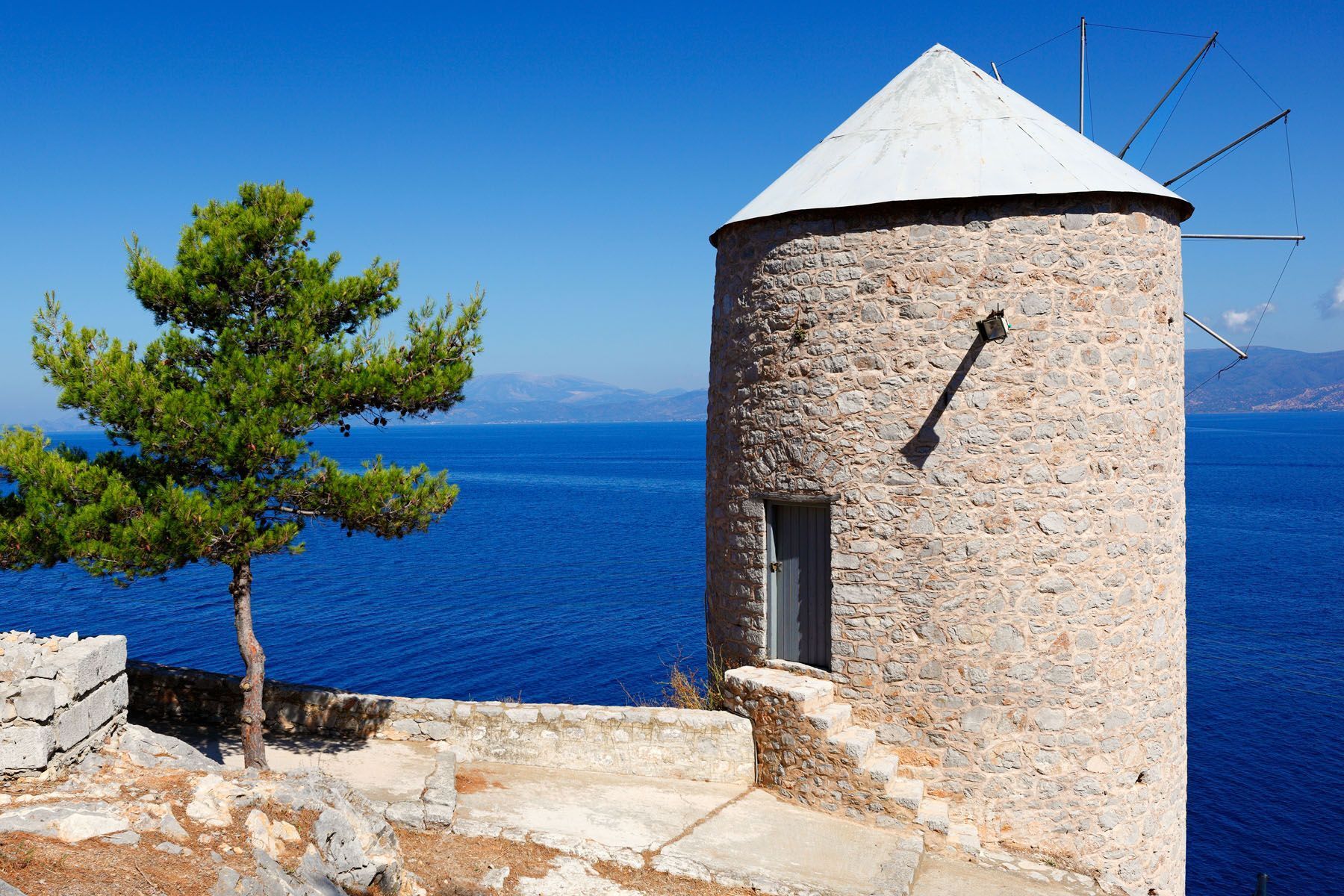
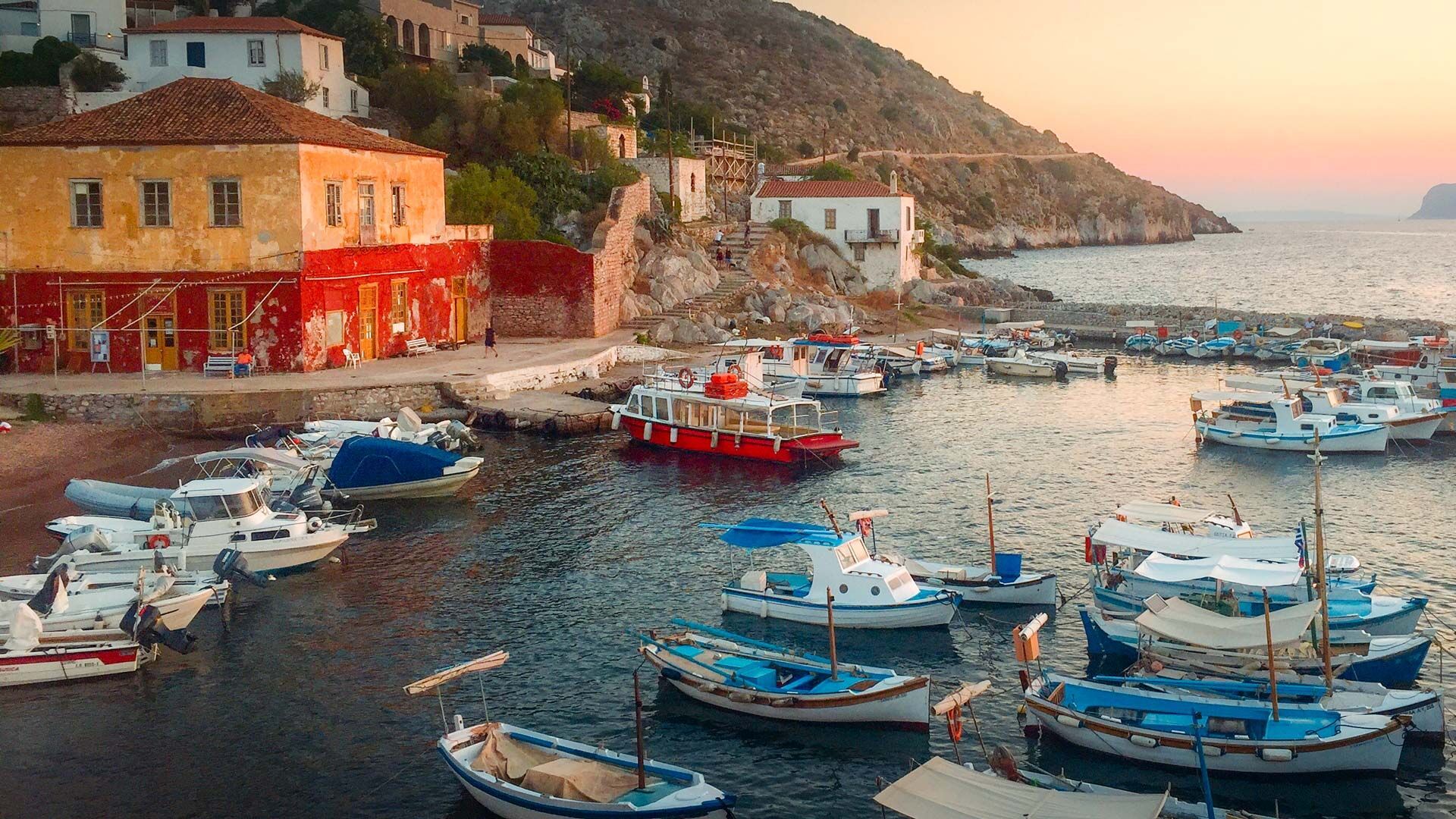
Beyond town, monasteries such as Profitis Elias and Zourva offer sweeping sea views reached by stone-paved trails. Coastal paths lead to the fishing hamlets of Kamini, Vlychos and Mandraki, each with its own charm and small beaches. For a different way to explore Hydra’s landscapes, guided horse riding experiences follow scenic inland and coastal routes, including monastery visits and the rare thrill of riding into the sea.
Best Beaches in Hydra
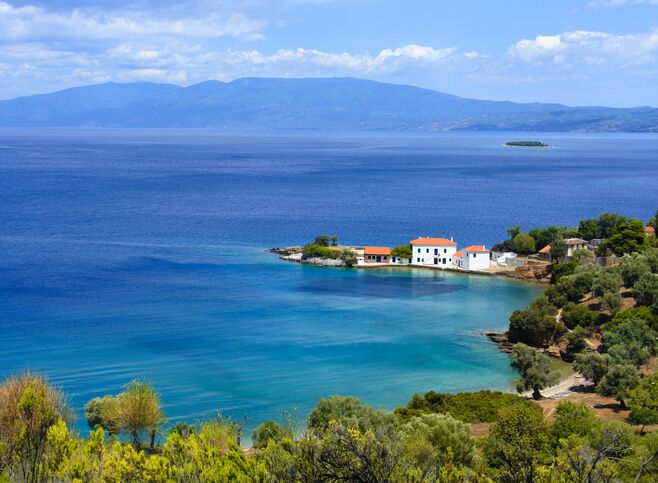
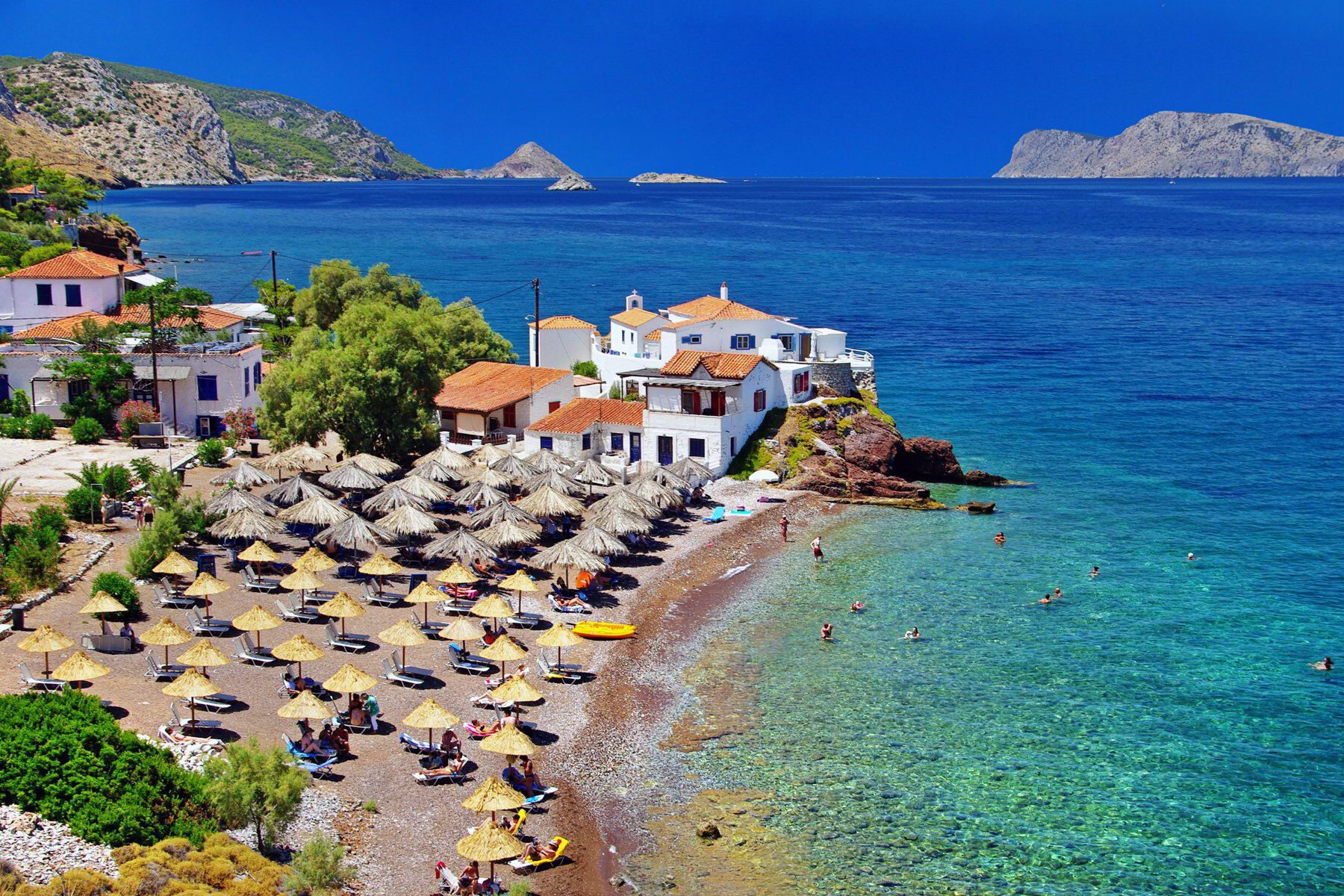
Hydra’s beaches reflect the island’s charm – small, scenic and best enjoyed slowly. You won’t find long stretches of sand, but instead pebbly coves and rocky swimming spots reached by foot, water taxi or excursion boat.
Heading east of Hydra Town, Mandraki Beach is the island’s only sandy shore, about 2.5km from the port – a 30-minute walk or a quick water-taxi hop – with shallow waters, sunbeds and a lively summer vibe.
To the west, Vlychos Beach is a gentle 30-minute walk or short boat ride away, backed by stone houses and a seaside taverna, with smaller coves like Plakes nearby.
For a more remote escape, the beaches of Agios Nikolaos and Bisti lie on Hydra’s southwest coast and are reached mainly by sea. Tourist boats and water taxis depart regularly from the main harbour (30-35 minutes). Agios Nikolaos is a pebbly bay framed by pines and turquoise water, while nearby Bisti is a peaceful cove with sunbeds, a small beach bar and shade from surrounding trees – a favourite for snorkelling and swimming.
Closer to town, locals head to Spilia and Kamini, both within walking distance. At Spilia, you can dive straight from sunbathing platforms into deep blue water – a classic Hydra experience. And at Hydronetta, you can swim straight from the rocks and watch the sunset over cocktails – a perfect expression of Hydra’s mix of sophistication and simplicity.
Best time to visit Hydra
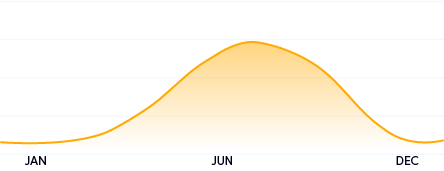
Hydra enjoys a classic Mediterranean climate – hot, dry summers and mild winters – which means it can be visited year-round, as a destination in its own right or as part of a tour of the islands in the Saronic Gulf. Spring and early summer (April to June) and late summer to early autumn (September and October) are often the best choices. In spring, Hydra bursts into green, temperatures are comfortable (15-25°C), and crowds are gentle. In autumn, the sun and sea remain warm and the weather softens, while many visitors have left – ideal for walking, exploring and swimming.
High summer (June to August) brings peak sea temperatures (above 25°C) – ideal for swimming and sea excursions – but also larger crowds. Winter months (November to March) are quiet, peaceful and atmospheric.
How to get to Hydra
From Athens, ferries and high-speed vessels depart daily from the port of Piraeus, connecting you directly to Hydra Town. Depending on the operator and vessel type, the crossing takes anywhere from 1 hour 10 minutes to about 2 hours, sometimes longer if the ferry stops at other islands. The faster services (hydrofoils, catamarans) shorten the journey.
One of the islands close to Athens, Hydra also links by sea with the nearby islands of Poros, Spetses and Aegina, and mainland ports like Porto Heli and Ermioni. These routes are useful if you’re island-hopping or coming from the Peloponnese.
Hydra at a glance: location, size and history
Hydra lies in the Argo-Saronic Gulf, off the coast of the eastern Peloponnese. It is around 37 nautical miles, or about 69 kilometres, from Piraeus. The nearest mainland ports are Ermioni and Porto Heli, and the neighbouring islands are Spetses, Poros and Aegina, so Hydra is easy to combine with other islands in the Saronic Gulf.
The island covers around 50 square kilometres and has about 55 kilometres of coastline. At the 2021 census, the municipality of Hydra, which also includes the neighbouring island of Dokos, had around 2,070 residents. Most live in Hydra Town around the harbour, the rest in small settlements such as Kamini, Vlychos and Mandraki.
Hydra played a central role in the Greek War of Independence. The revolution was declared on the island on 27 March 1821, and Hydra officially joined on 16 April 1821. Together with Spetses and Psara, it provided the fleet of the uprising. From 1822, Admiral Andreas Miaoulis led the Hydriot ships from victory to victory. Today the Lazaros Koundouriotis Historical Mansion tells the story of that time.
There are no cars on Hydra. Motorbikes, scooters and bicycles are not allowed either, and the only motor vehicles are the rubbish trucks. Donkeys, mules and horses carry luggage and goods up the stone steps. If you want to reach a beach or a nearby village faster, take a water taxi from the harbour.
Since the 1960s, Hydra has drawn artists. Leonard Cohen lived here and wrote songs such as "Bird on the Wire" and "So Long, Marianne" on the island. Cinema found Hydra early too: "Boy on a Dolphin" with Sophia Loren was filmed here in 1957, and in 1962 Jules Dassin shot "Phaedra" with Melina Mercouri on the island.


Tours & Activities in Hydra
Discover authentic local experiences and secure your bookings for activities and tours with our official online rates.
Hydra: Semi-private & Private fishing tr...
From Athens: Private RIB Cruise to Hydra...
From Athens: One Day Cruise to Hydra, Po...
From Athens: A dazzling Private Day trip...
Where to stay in Hydra
Bratsera Hotel Hydra
Bellevalia Hydra
Keresbino Hydra
Hydra Beach Resort
Maison Muse
Mandraki Beach Resort
Book your Ferry Now
Ferries to & from Hydra
Find routes, ports & schedules - search below
Hydra offers a wide range of accommodation options that reflect its elegant yet laid-back character. In Hydra Town, you’ll find boutique hotels, restored mansions and stylish guesthouses tucked into the cobbled lanes or overlooking the harbour. Many occupy former captain’s houses, blending neoclassical charm with modern comforts.
For a more remote stay, head to the coastal hamlets of Kamini and Vlychos, where you’ll find smaller hotels and villas just steps from the sea. Mandraki Bay also has a beach resort with modern facilities and easy access by water taxi. Wherever you stay, the warm hospitality and traditional architecture make accommodation part of the Hydra experience.
The climate in Hydra is typically Mediterranean, with long, dry summers and mild winters. Sunshine dominates from May to October, when daytime temperatures average 25 to 33°C and the sea is ideal for swimming. Sea breezes help moderate summer heat, making Hydra a comfortable choice for holidays throughout the peak summer months. Spring to early summer (April to June) and late summer to early autumn (September and October) are especially pleasant, with warm weather and fewer crowds – perfect for hiking and sightseeing. Winters (November to March) are cooler, with average highs around 12 to 15°C and occasional rainfall, though the island retains its quiet charm.
Dining on Hydra is as much about atmosphere as flavour. Hydra Town has many tavernas serving fresh seafood, meze and traditional Greek dishes, often accompanied by a glass of Greek wine or ouzo and views of passing boats. Along the coast, you’ll find smaller family-run tavernas in Kamini, Vlychos and Mandraki, where menus feature grilled fish, seasonal salads and classic Greek island specialities. For something more contemporary, Hydra Town also offers elegant restaurants and cafes. And before you leave, be sure to try amygdalota, Hydra’s famous almond sweets, dusted with icing sugar and traditionally given as a welcome treat or bought as a souvenir.
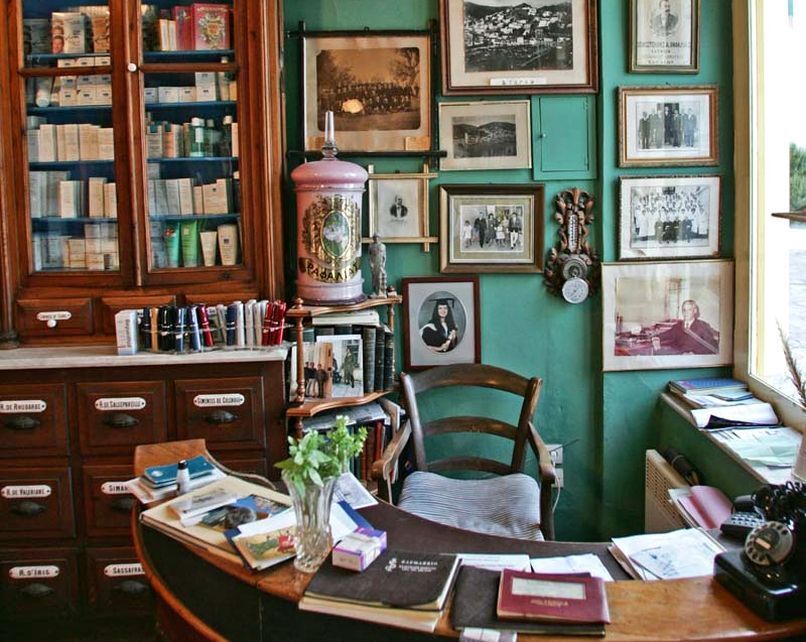
Hydra is a very safe and welcoming destination. The absence of cars adds to the island’s calm and walkable environment, though visitors should take care on uneven steps and cobbled lanes. A small health centre and pharmacy operate in Hydra Town, and medical assistance can also be reached via nearby islands or the mainland if required. Food safety standards are high, and bottled water is widely available. Follow local advice on tap water. For all emergencies, including medical services, the European emergency number 112 can be dialled free of charge.
If you are wondering if Hydra really is car-free, the answer is that it is one of the few Greek islands where motor vehicles are not allowed in residential areas. Transport around Hydra Town and nearby settlements is by foot, while water taxis and small boats connect the harbour with beaches and coastal villages. Some vehicles are permitted for public and construction work, but these are strictly regulated. The near absence of cars gives the island its peaceful, timeless atmosphere.
Hydra is a small island, covering about 50 square kilometres (around 19 square miles) with a coastline of roughly 55 km. It’s one of the smallest islands in the Saronic Gulf, making it easy to explore without a car.
Hydra is small enough to explore in 1 or 2 days, but most visitors stay 3 to 4 days to enjoy its beaches, walking trails and relaxed rhythm. This allows time to discover the main town’s mansions and art galleries, visit nearby coves like Kamini and Vlychos, and take a boat trip to more remote beaches such as Agios Nikolaos or Bisti.
Hydra can be pricier than some other Greek islands as all supplies arrive by boat and because of the overall quality of its hotels and services. However, there’s a range of accommodation, from boutique hotels and historic mansions to simpler guesthouses, and dining options suit different budgets. Visiting outside the peak summer months (July and August) can offer the best value and a more relaxed experience.
Hydra belongs to the Saronic Gulf island group (Hydra, Aegina, Poros, Spetses and Agistri), close to Athens and the Peloponnese coast. The nearest islands are Spetses and Poros, accessible by water taxi or ferry, and Aegina, a little further north. All can be visited on a day trip or as part of an island hopping itinerary. From the mainland, the closest ports are Ermioni and Porto Heli. These links make Hydra ideal for island-hopping or combining with a holiday in the eastern Peloponnese.