Discovering the olive groves of Greece
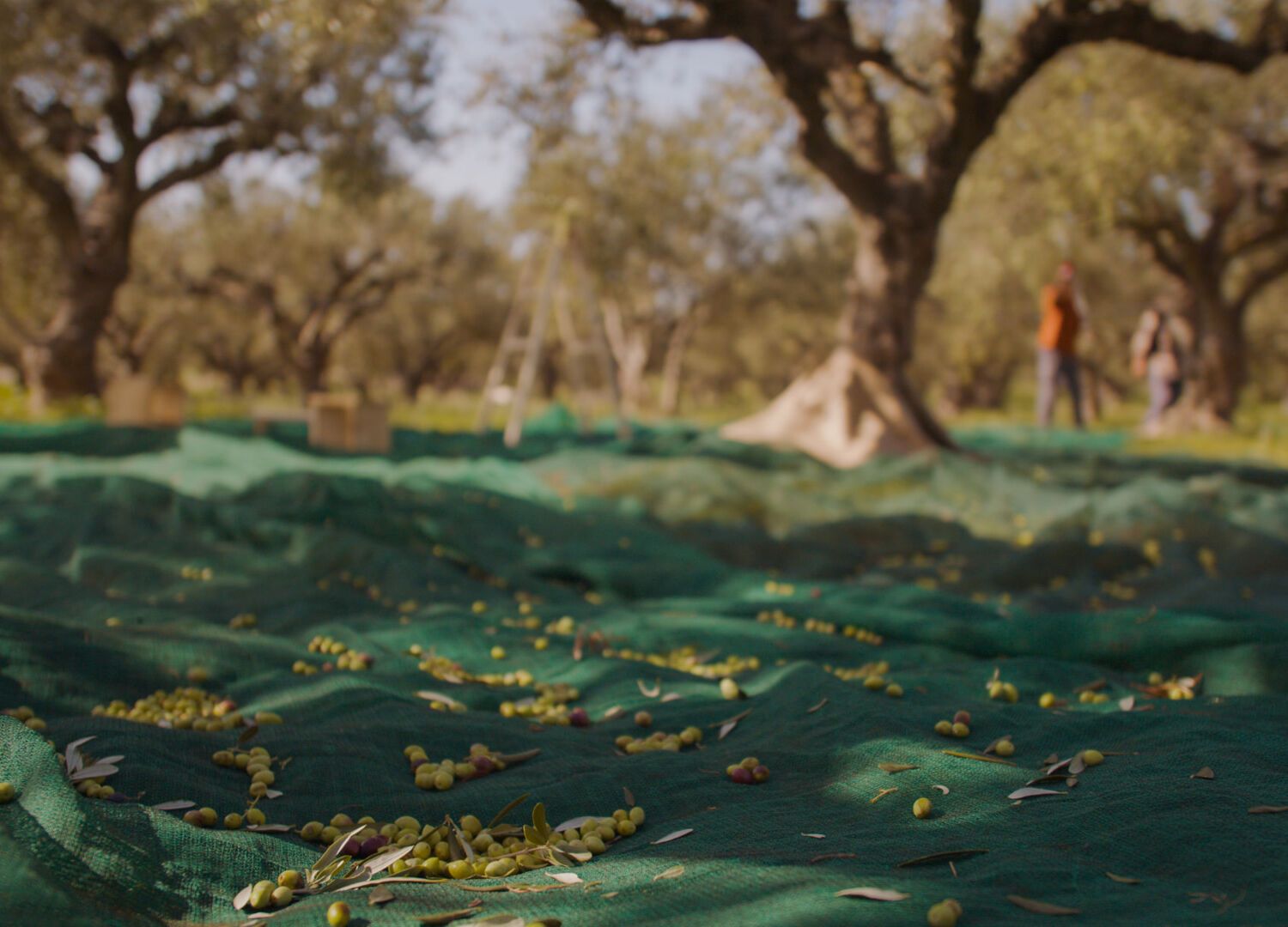
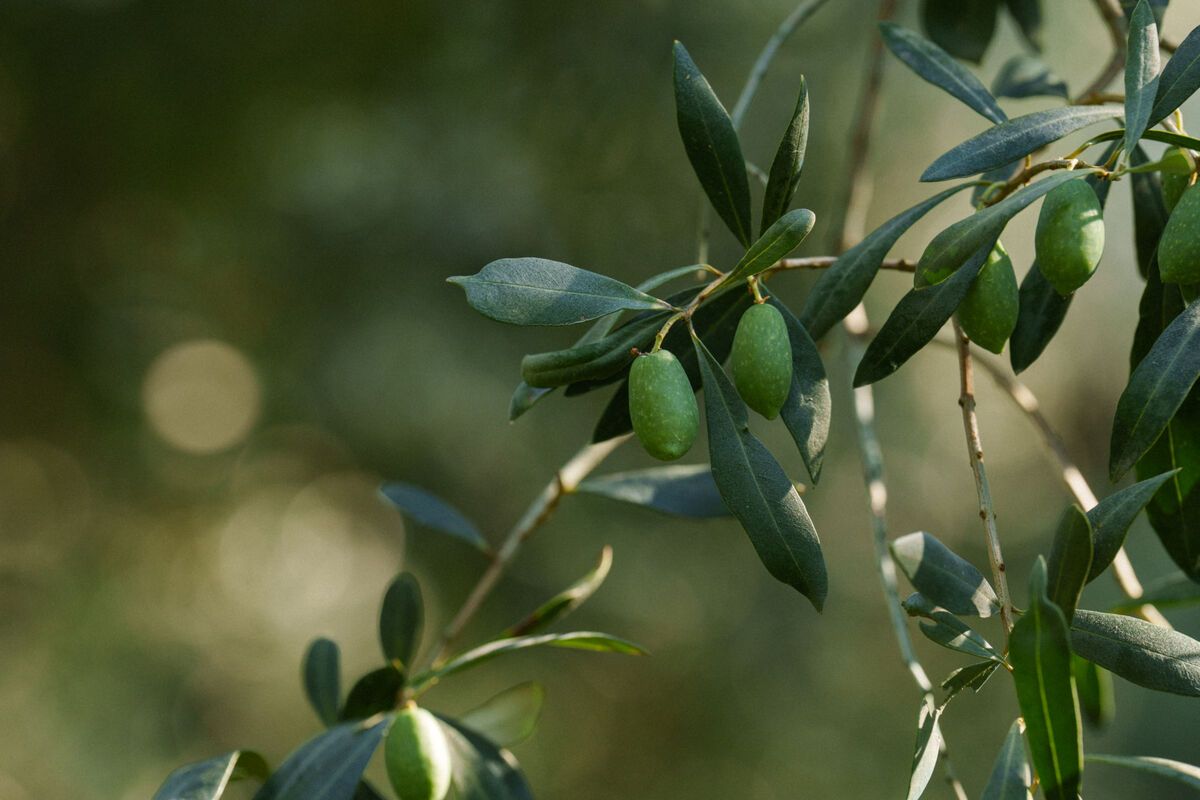
The olive groves of Greece continue an unbroken tradition spanning centuries, with the country consistently ranking among the leading olive and olive oil producers, not only in Europe but across the world. Some regions of Greece – notably the Peloponnese and Crete stand out – are synonymous with the cultivation of olives, but the truth is that olive groves are found throughout the country. On both the mainland and islands, you’ll encounter landscapes shaped by the unique terrain and climate of each area, giving every olive its distinct character and flavour.
 Powered By AI
The best-known olive groves of Greece
Crete & the Peloponnese
The largest expanse of olive groves in Greece are in Crete and the Peloponnese. In Crete, you’ll find vast cultivated areas and olive varieties with a strong identity, such as the Koroneiki (often known locally as Ladolia or Psilolia), which dominates most Cretan olive oils. Traces of edible olives discovered in the Minoan palaces of Knossos, Phaistos and Zakros highlight the deep connection between Cretans and their olive-growing tradition since the days of Europe’s earliest civilisation. And today, Crete is home to dozens of organised, visitor-friendly olive mills where you can learn about the cultivation and processing techniques of the Koroneiki olive – many set within centuries-old olive groves that you can explore.
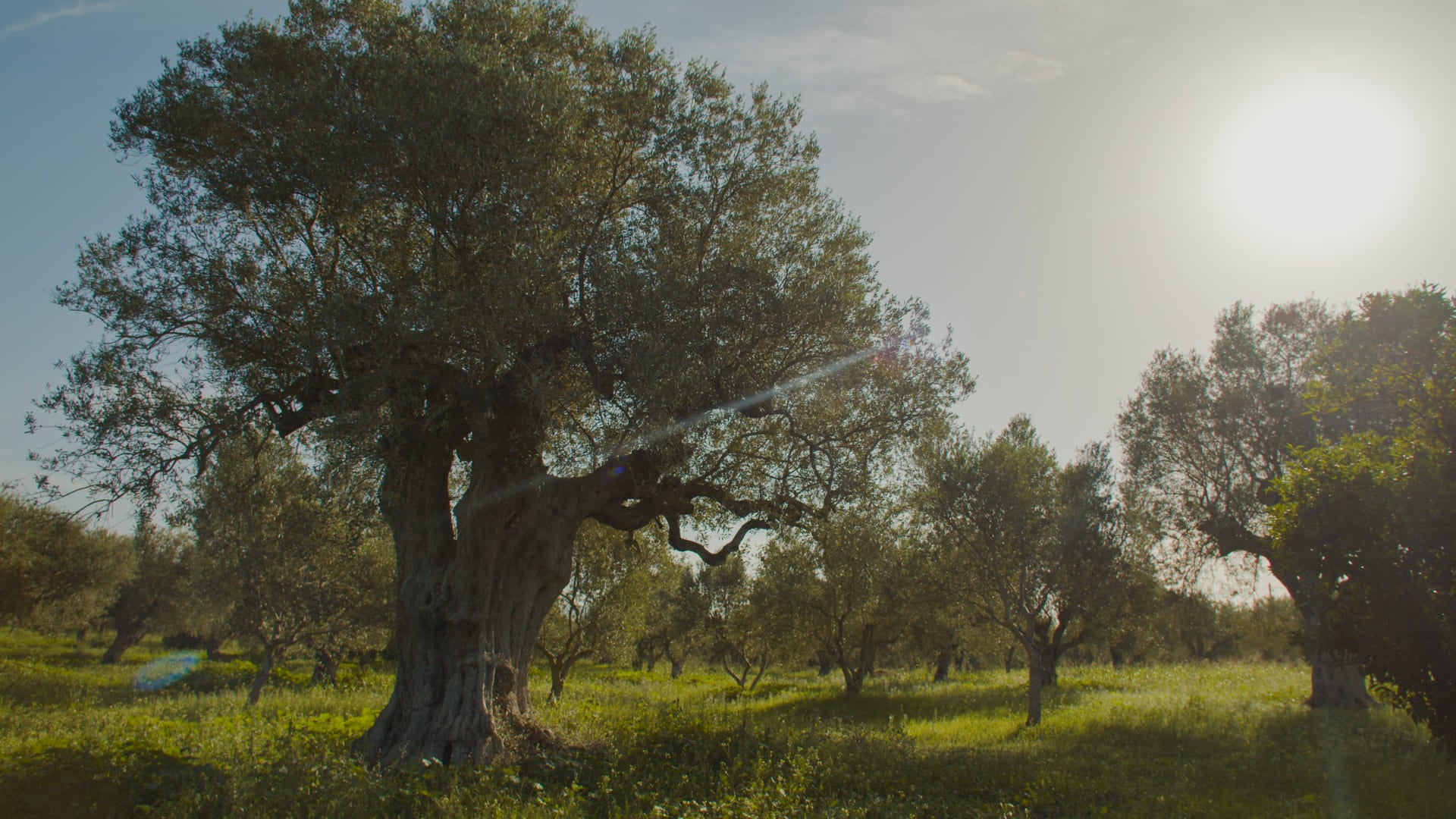
Likewise, the olive groves of the Peloponnese vary greatly in appearance and character depending on where you visit. In Argolida, for example, particularly around Ancient Epidaurus, olive trees alternate with orange and lemon groves, creating a gentle, mixed landscape. Here you’ll find the Manaki olive (also known as Kothreiki), which is likewise cultivated in Corinthia, producing oil with a mild, balanced profile. Further inland, in the mountainous region of Arcadia, the local Damaskinoelia variety grows in wilder groves, yielding large, rich fruit mainly used for table olives.
Finally, further south, you’ll discover equally distinctive varieties such as Kalamon olives, known as “Kalamata olives” when produced under the Messinia PDO (Protected Designation of Origin), mainly enjoyed as for table olives. They are among the most recognisable Greek olive products exported around the world.
Both Crete and the Peloponnese are easy to reach if you want to experience Greece’s olive-growing tradition up close, with estates, olive mills and tastings that can be easily added to your trip.
The Amfissa Olive Grove in Central Greece
Amfissa, Central Greece
In the Fokida region of Greece, between Delphi and the coastal town of Itea, lies the largest continuous olive grove in the Balkans, known as the Amfissa Olive Grove. It covers a densely planted area of around 6,700 hectares making it one of the most distinctive olive groves in Greece. The Amfissa Olive Grove forms an integral part of the landscape around Delphi, protected within the wider zone of the archaeological site, itself a UNESCO World Heritage monument. It is one of the country's oldest organised olive groves, with a history spanning 3,000 years.
Records show that olives were planted here in prehistoric times and have been cultivated in the same spot ever since, creating a living mosaic of trees ideal for walks, visits to local producers and learning about the area’s rich agricultural heritage.
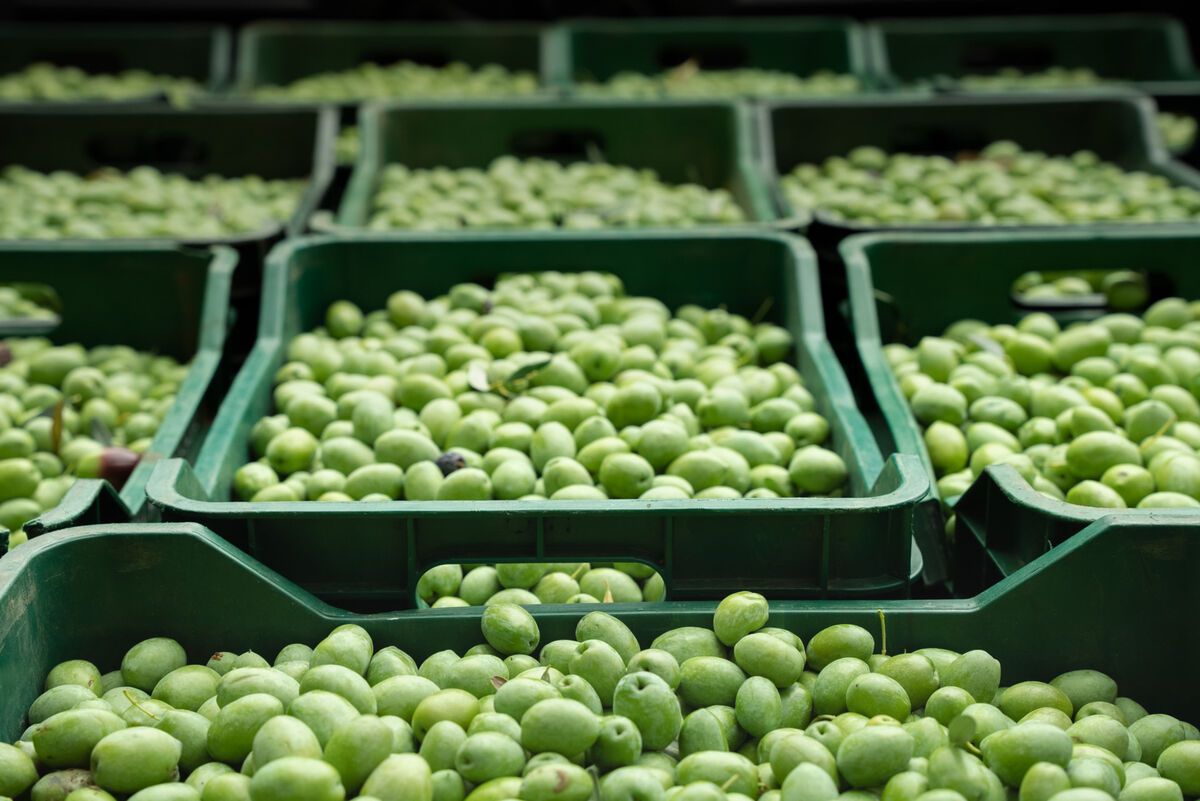
The main product of this grove is the Amfissa olive – also known as Konservolia – one of the most widely traded olives in Greece. Although primarily grown for table olives, they also produce exceptional olive oils, which you can find in local mills and shops.
This distinctive round olive has been recognised as a PDO product – so look out for the authentic "PDO Konservolia Amfissis" when shopping in Greece, even if you don't make it to Amfissa.
The centuries-old olive grove of Thrace
Maronia, Thrace
In Rodopi, in the region of Thrace in northeastern Greece, lies the centuries-old olive grove of Maronia (or Maroneia), one of the most distinctive examples of olive cultivation in the country.
Accounting for much of the area’s local production, the Maronia olive is cultivated within a strictly defined zone and holds PGI (Protected Geographical Indication) status. This geographical distinction gives it a unique identity, characterised by low-intensity production compared to other regions of Greece where cultivation is more extensive and yields are higher.
At the same time, cultivation so far north has shaped a tree that is especially resistant to cold and frost, requiring minimal human intervention.
In Maronia, you'll spot interesting olive grove farming techniques, such as natural irrigation – where water comes solely from local rainfall, without artificial systems – and the use of stone terraces known as pezoules. These low stone walls are built to support the soil around the olive trees, a method passed down through generations of local olive growers. As the area produces only small quantities of olives and olive oil for distribution across Greece, it’s worth combining your visit with a tasting at one of the nearby cooperatives.
The island olive groves of the North Aegean
Lesvos, North Aegean
Lesvos is an island of dense olive groves nestled among pine forests, with a long tradition of olive cultivation and production. In the past, Lesvos supplied European markets, not only with olives and olive oil for consumption but also with beauty products made from olive oil.
The olive groves of Lesvos stand out for their continuity and scale compared with those elsewhere in Greece. Thanks to the island’s climate and soil conditions, they are dominated by the Kolovi (or Valanolia) variety, which produces excellent fruit for oil extraction.
On a smaller scale, the Adramytini (or Aivaliotiki) variety, originating from the Asia Minor coastline, is also cultivated. It’s worth including the Vranas Museum (a former olive mill owned by the family of the iconic Greek poet Odysseas Elytis) and the Museum of Industrial Olive Oil Production of Lesvos in your travel plans, two stops that perfectly blend history with the experience of tasting olive oil.


The longest-living olive trees in Greece
Living proof of Greece’s ancient olive-growing heritage, even within cities, are the centuries-old olive trees that survive to this day. Scattered across the country, they have been recognised as natural and cultural monuments, attracting visitors eager to discover their remarkable history.
In Attica, opposite the Church of Agioi Anargyroi in the district of the same name, stands the so-called “Olive Tree of Peisistratos”, believed to have once belonged to the ancient grove of the Athenian ruler Peisistratos.
According to tradition, Attica was originally treeless. The systematic cultivation of olives is associated with the era of Peisistratos in the 6th century BC, to whom the encouragement of olive planting across Attica is attributed. Gradually, the western side of the Attica basin became a vast olive grove – the famed Olive Grove of Athens. Its impressive size is attested by the English traveller Bernard Randolph, who visited Athens in 1671 and records that the Olive Grove of Athens numbered around 50,000 olive trees.
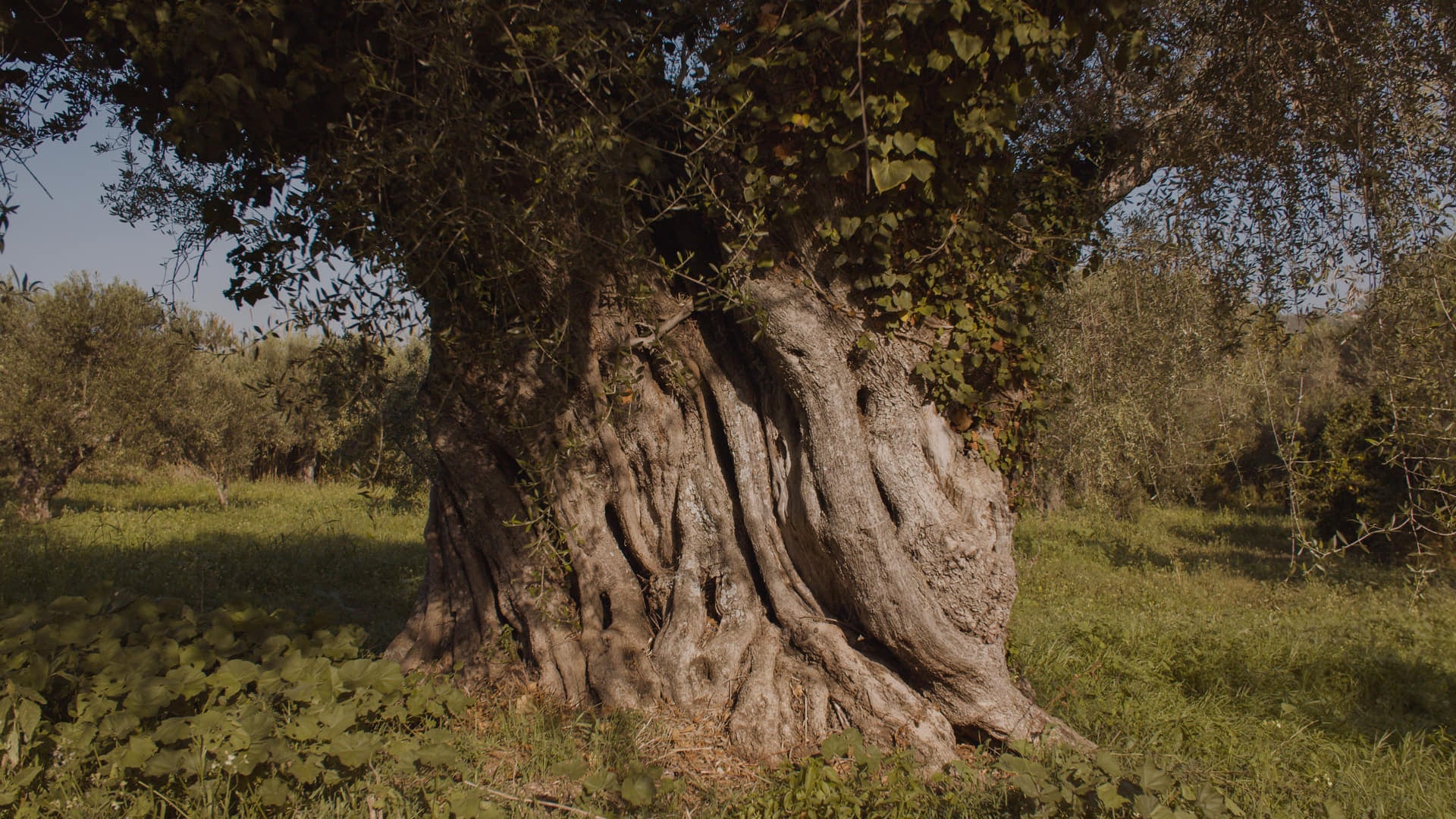
Another example of this ancient cultivation is the “Olive Tree of Orsa” on the island of Salamina, believed to have been planted around the same time as the Olive Grove of Athens and now about 2,500 years old.
Likewise, in one of the southernmost parts of Greece, near Ierapetra in Crete, stands the Ancient Olive Tree of Kavousi. Estimated to be around 3,250 years old, it is among the largest olive trees in the world in terms of trunk circumference and features the oldest known example of grafting ever recorded. If you find yourself nearby, it’s well worth a visit.
How to experience the olive groves of Greece
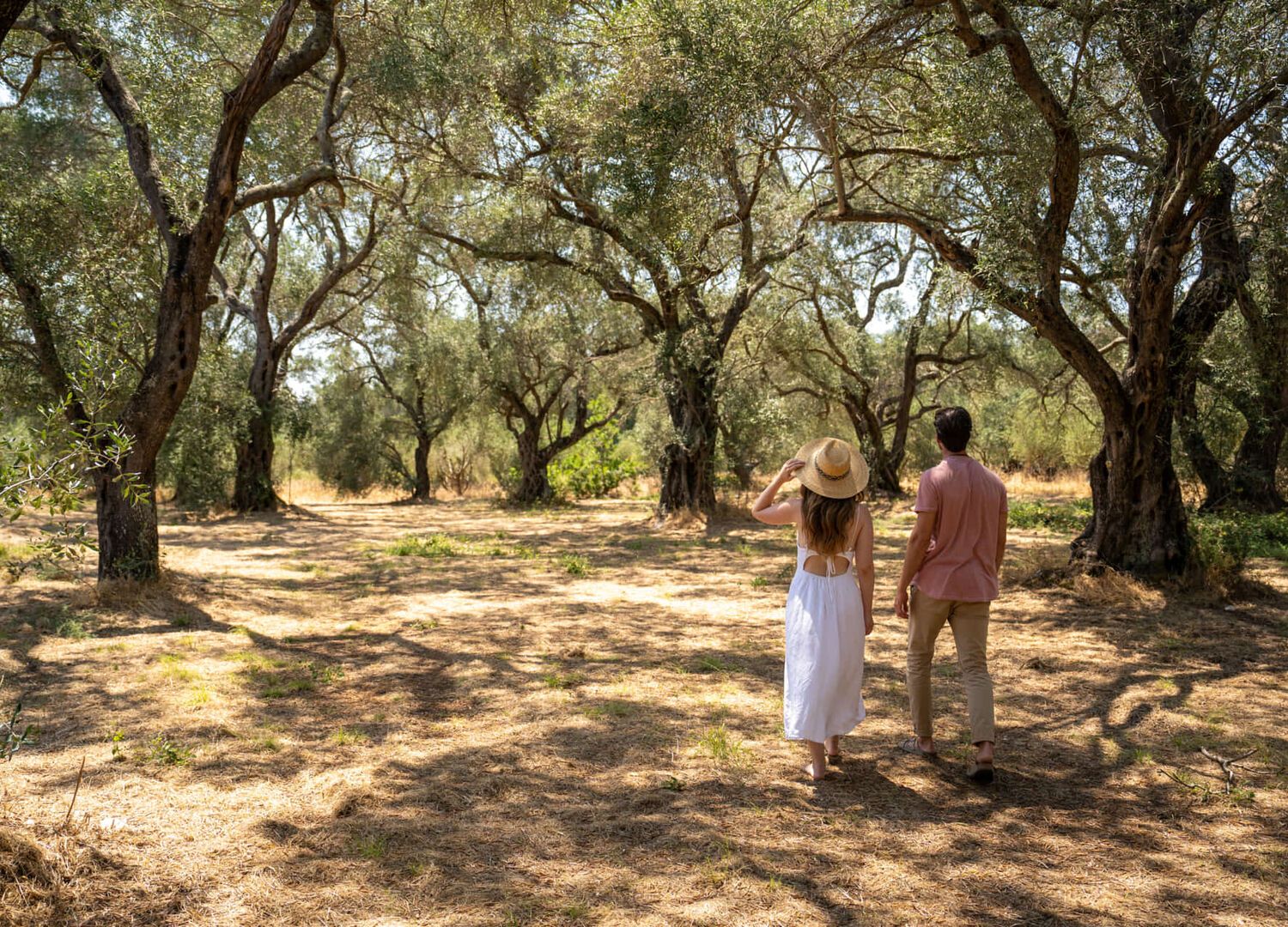
Olive groves in Greece, from Crete and the Peloponnese to Amfissa, Maronia and Lesvos, offer tours, tastings and other hands-on experiences throughout the year. Before visiting, check opening times and availability, book ahead where needed and choose organised estates or certified producers. By showing respect for the landscape and its cultivation, you’ll gain a deeper understanding of Greece’s olive-growing tradition while supporting local communities and production.
Discover Greece Your Way
Discover authentic local experiences and secure your bookings for activities and tours with our official online rates.