

- Places to go
- Things to do
- Book your trip
- More
Get instant answers to your Greece travel questions
The ancient theatres of Epirus are at the heart of this 7-day road trip, which covers the southern part of one of the most beautiful regions in Greece. Historical landmarks (including the famous castle of Ioannina) are your focal point, but you’ll also head to nearby mountain and coastal settlements and enjoy nature activities. Depending on the season, you’ll enjoy birdwatching, hiking and spending time at some of Greece’s most gorgeous beaches. Before any of that, however, you enter the world of King Pyrrhus of Epirus, a relative and admirer of Alexander the Great, who stood up to Rome and is considered one of the great generals of ancient Greece. Living from 319/318–272 BC (during the Hellenistic period), he transformed Epirus into a powerful realm and left a legacy that includes many of the fascinating, but less-explored, monuments that will be part of your adventure.
Epirus rewards early starts. Many of the archaeological sites, villages and viewpoints are at their most atmospheric in the morning light. Set off early each day and you’ll enjoy cooler walks, better photography conditions and more time to savour each stop.
After arriving in Ioannina by road or plane (the airport is 15 minutes from the city centre) and checking into your hotel, you’re ready to start exploring the capital of Epirus. Top of the list is Ioannina Castle by Lake Pamvotida, after which you can take your time to enjoy the rest of the city, with its mix of historical landmarks and student vibe.
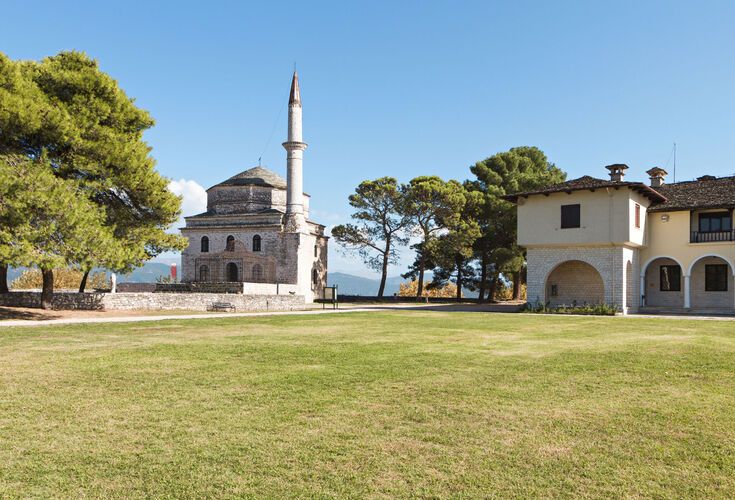
The city’s fortified old town is also the oldest continuously inhabited Byzantine castle in Greece. It contains remains from the Hellenistic period (4th-1st centuries BC), but is best known for the buildings of Ali Pasha, the often-brutal Albanian ruler of Ioannina during the Ottoman period (1787-1822). The castle is divided into two parts: a walled citadel containing Ioannina’s Jewish quarter and the 17th-century Aslan Pasha Mosque complex (including a medrese, library and Ottoman baths) and Its Kale (Inner Fortress). Its Kale has separate walls and gates and is the site of Ali Pasha’s palace and mausoleum and the Fethiye Mosque, overlooking Lake Pamvotida. Two of Ioannina’s most important museums (the Byzantine Museum and Silversmithing Museum) are found within the castle walls.
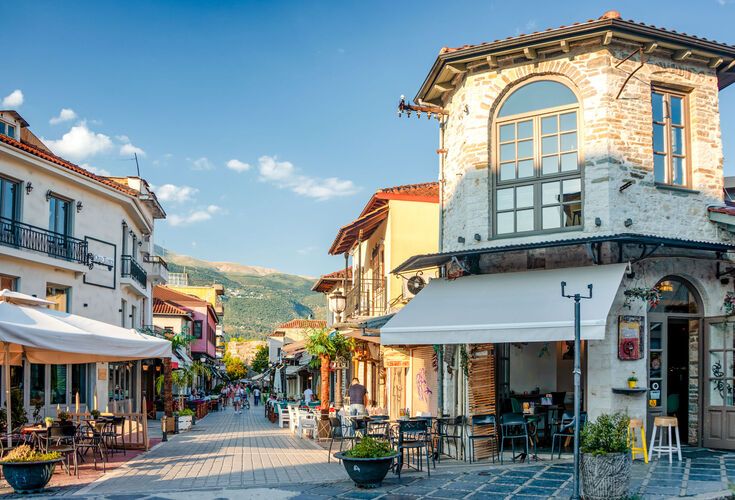
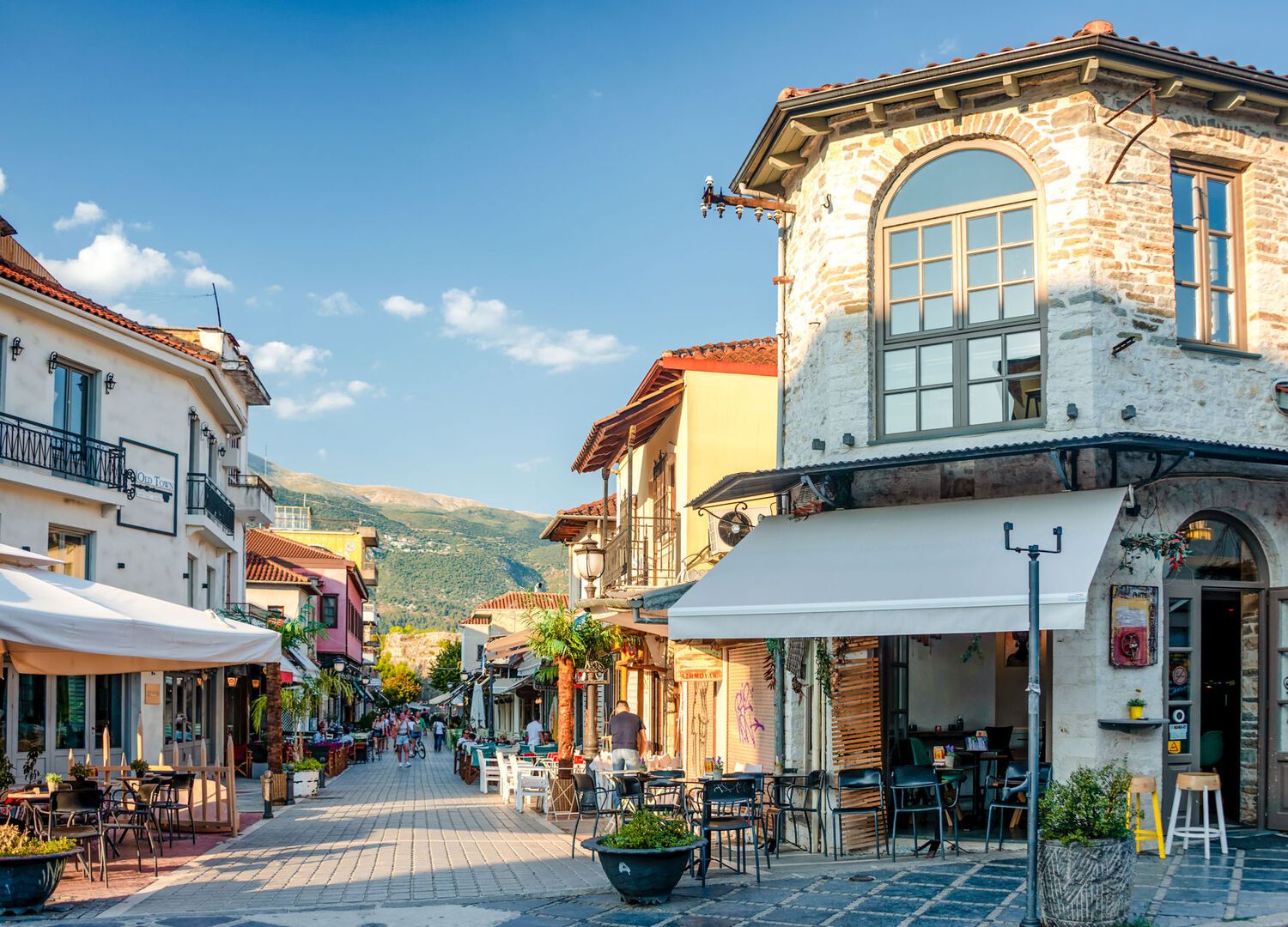
Ioannina is a charming lakeside city, with 18th and 19th century buildings, parks and squares. But it’s also a student town, with lively cafes, tavernas and bars. Starting by the Clock Tower in the Park of Heroes (site of the Tomb of the Unknown Soldier), you walk past the post-Byzantine-style City Hall in Dimokratias Square and Litharitsia Park, where the Veli Pasha Building Complex (part of a palace built by Ali Pasha for his son) is located. Litharitsia Park has a rooftop restaurant/bar with views of the city. There are cafes and shops along Averoff Street to Mavili Square by the lake. For tavernas and an evening drink, head to Anexartisias and its side streets.
You visit your first ancient theatre today (and one of the oldest in Greece) at the Archaeological Site of Dodoni, 20km south of Ioannina, before heading to the picturesque mountain village of Metsovo. Your day ends back in Ioannina on the island in Lake Pamvotida.
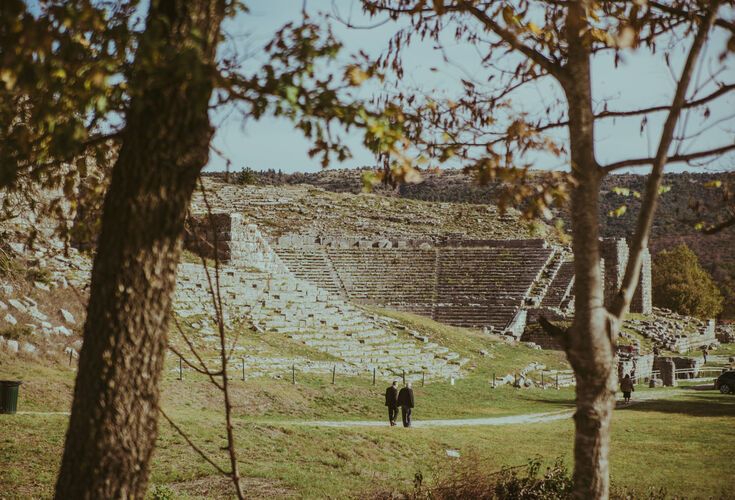
The Archaeological Site of Dodoni (or Dodona) is connected to Zeus and his wife Dione and was Zeus’ second earthly home after Mount Olympus. It was also the site of what is believed to be the oldest oracle in ancient Greece, where priests deciphered the rustling leaves of an oak tree. A small temple dedicated to Zeus existed here from the 4th century BC, but Dodoni flourished during the reign of Pyrrhus in Epirus at the start of the 3rd century BC, when the Prytaneio, stadium (site of the Naia Games, held in honour of Zeus) and theatre were added. The theatre’s 15,000-17,000 spectator capacity was one of the largest in antiquity. The ancient playwright Euripides taught here and plays were performed from sunrise to sunset. During the time of the emperor Augustus (formerly Octavian), it was adapted to stage animal fights and, with the spread of Christianity, the sacred oak tree was cut down in the 4th century AD. This is why the stones we see in the theatre today are from the Roman occupation and not the time of Pyrrhus.
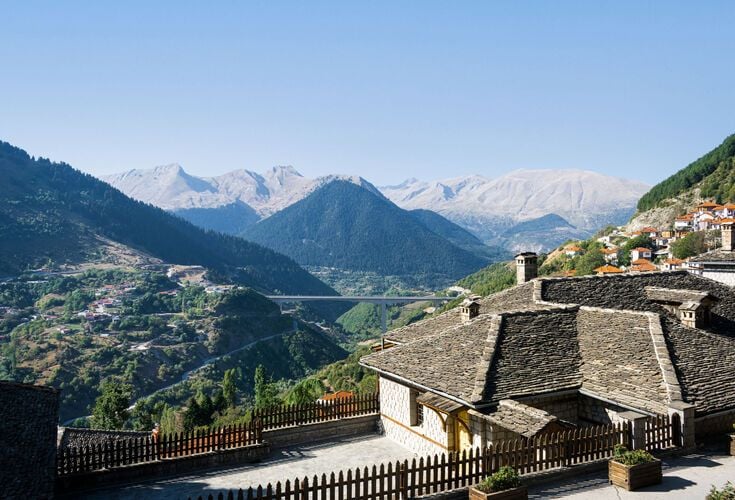
From Dodoni, you drive 55km to Metsovo, which offers epic views of the Pindus Mountains. It is the centre of Greece’s Vlach population, known for their distinct dialect and customs, and the birthplace of Georgios Averoff, a great benefactor who made his fortune in Egypt and rebuilt Metsovo, after it had been destroyed by the Ottomans in 1854. Metsovo is famous for its cheeses (especially smoked Metsovone) and wines made from the highest vineyards in Greece (over 1,000m). You can go wine tasting and visit the Averoff Neohellenic Art Museum or Folk Museum. The main square is a great spot for lunch. Around Metsovo are a collection of more than 40km of footpaths known as the Ursa Trail (from the Vlach word for bear) and the villages of Zitsa and Syrrako (45km and 60km away) that are worth visiting.
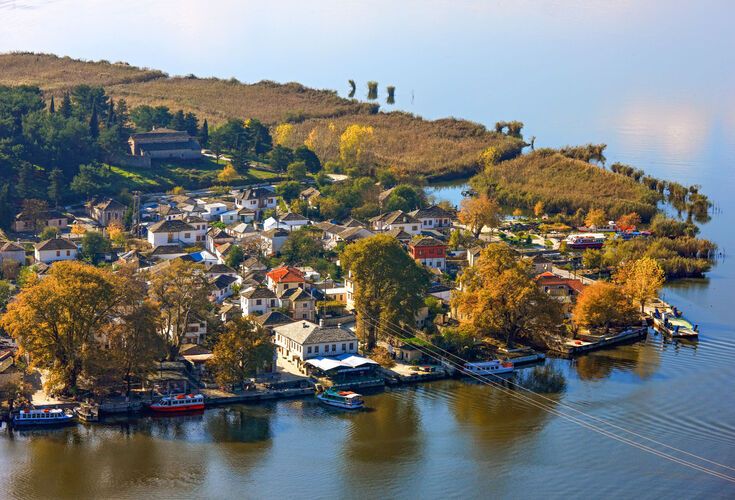
Returning to Ioannina, you end the day by exploring the often fog-shrouded island in the middle of Lake Pamvotida, known simply as Nisi (island in Greek). Boats leave regularly from a small port by the castle. You can walk around the island and visit monasteries, including the Monastery of St Nicholas Filanthropinon (founded in 1291 and famous for its beautiful murals) and the Monastery of Stratigopoulou (also from the 13th century). One of the highlights is the Ali Pasha and Revolutionary Period Museum, just behind the Monastery of Saint Pantaleimon, where Ali Pasha was decapitated in 1822. Exhibits in the museum include Ali Pasha’s gold-plated kariofili rifle and 1.62m-long water pipe (tsimbouki). Shops on the island sell handcrafts and there are tavernas serving eel, crab and other seafood from the lake.
Your day starts with a 93km drive to where the ancient city of Gitana once stood on the coast. After admiring the remains of the theatre, you head to the beach (or for a hike if it isn’t swimming weather) in Sivota, one of Greece’s most popular mainland seaside resorts. You end the day in Parga, another beautiful coastal settlement, where you spend two nights.
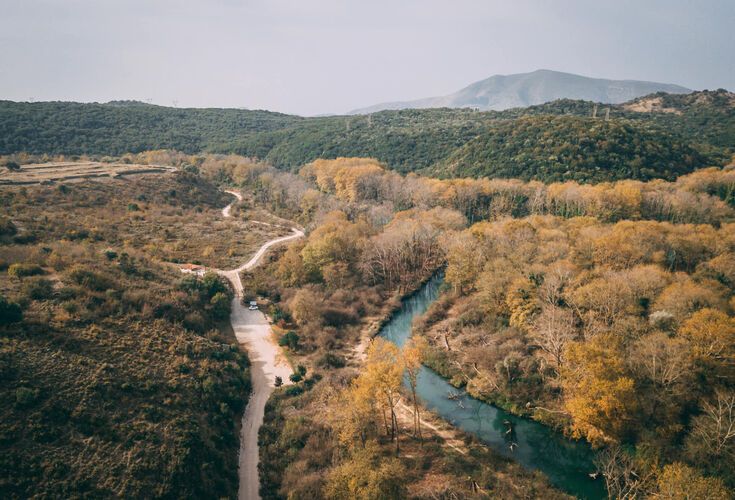
Founded in the middle of the 4th century BC as the capital of the Thesprotians, one of the three main tribes of Epirus, ancient Gitana was designed according to the Hippodamian Plan (the grid plan named after the ancient Greek architect), with public buildings and monuments. Its theatre was built in the 3rd century BC, during Pyrrhus’ reign in Epirus, and apparently expanded during Roman times. Excavations have revealed parts of the orchestra, cavea (audience seating area) and skene (stage building), as well as artefacts depicting the faces of actors and comedy and tragedy masks associated with the worship of Dionysus and the dramatic arts. It was also used for public assemblies. Gitana met an abrupt end as one of 70 cities destroyed by the Romans after it supported King Perseus of Macedon in the Battle of Pydna, in 168 BC. Gitana and its theatre were fully abandoned at the end of the 1st century BC, after the reign of Emperor Augustus (formerly Octavian), who founded the city of Nicopolis (which you visit on Day 5).
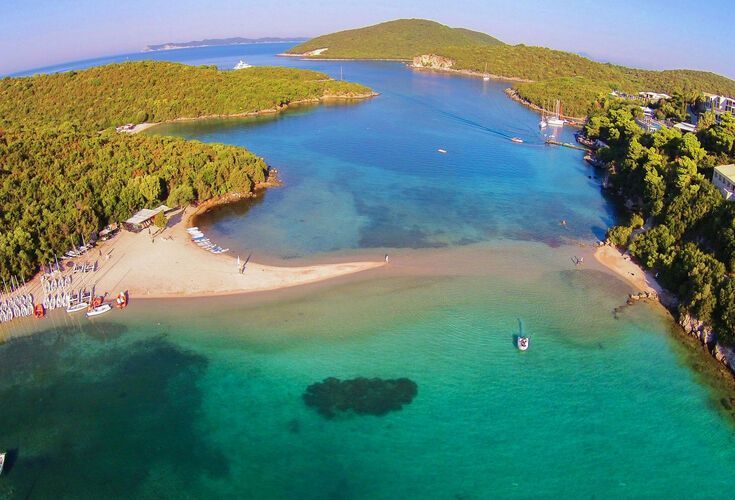
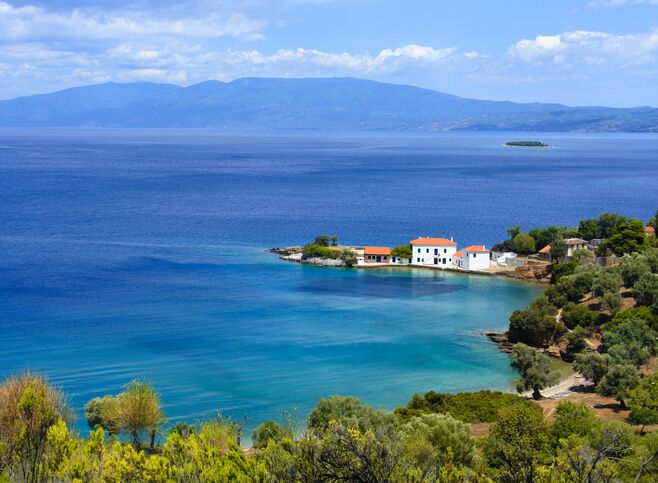
Sivota is a cosmopolitan seaside resort, flanked by four islets that almost conceal it. If it’s spring or summer, this is your opportunity to swim at one of Sivota’s beaches. Some of the best are on the islets in the bay: Bella Vraka on Megalo Mourtemeno (the water is shallow enough to walk to), Pisina on Mavro Oros and Diapori on Agios Nikolaos (reached by boat). Standout beaches on the mainland include Megali and Mikri Ammos, Zavia, Gallikos Molos, Zeri, DEI and Agia Paraskevi. Alternatively, you can hike from Sivota to the abandoned settlement of Vrachonas and the remains of the Acropolis of Polyneri, where you will marvel at the surrounding greenery and views across the Ionian Sea. The route can be difficult to follow in places, so booking a guide, who will also be able to tell you about the history of the area, is highly recommended.
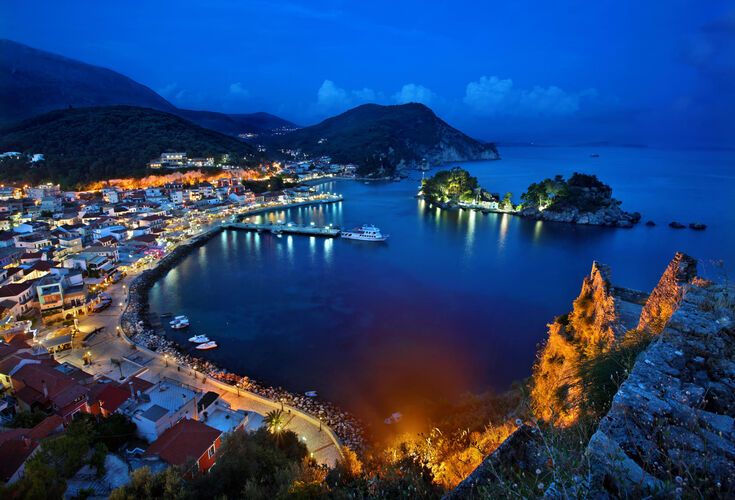
You end the day in Parga, 28km down the coast, another popular seaside settlement with colourful houses cascading down to the sea. The narrow streets are full of shops and there is a picturesque harbour overlooking the islet of Panagia. The best view of the town comes from the Venetian castle. Enjoy a stroll through the narrow streets with shops selling memorabilia as well as cafes and bars before sitting down to dinner at a seafood taverna near the port or castle.
You get active with a choice of experiences today at one of the most famous rivers of antiquity, the Acheron (or Acherontas), before stepping back in time at the Souli Watermills. This is followed by a visit to the remote archaeological site of Eleas, before returning to Parga for a tour of an olive oil factory.
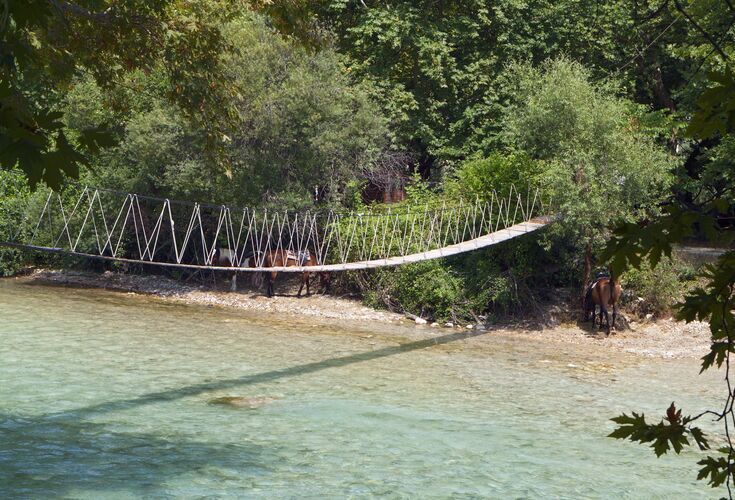
The day starts with some fun on the Acheron River, whose springs were said to be one of the entrances to the Underworld. There’s a range of activities, from rafting, hiking and cycling with a guide to organised river trekking and horseback riding. What they all have in common is a backdrop of the extraordinary Epirus countryside and the beauty of the gorge through which the Acheron River flows. The surrounding area is part of the Natura 2000 network. Most activities begin at or near the Acheron Springs, which are found 30km east of Parga, at 1,600m above sea level.

A short drive from the Acheron Springs are the Souli Watermills, named after the inhabitants of Souli who heroically stood up to the Ottomans long before the 1821 Revolution. They built their settlement in one of the most inaccessible parts of Greece, known for its rugged landscape and running water, which they used to create watermills to grind wheat. An abandoned watermill lies at the foot of a 15m waterfall and another has been restored as a traditional cafe, which is a magical place to relax in the shade of age-old plane trees. Behind the watermill, a stream flows towards the Acheron River. You can follow the stream for a short nature walk.
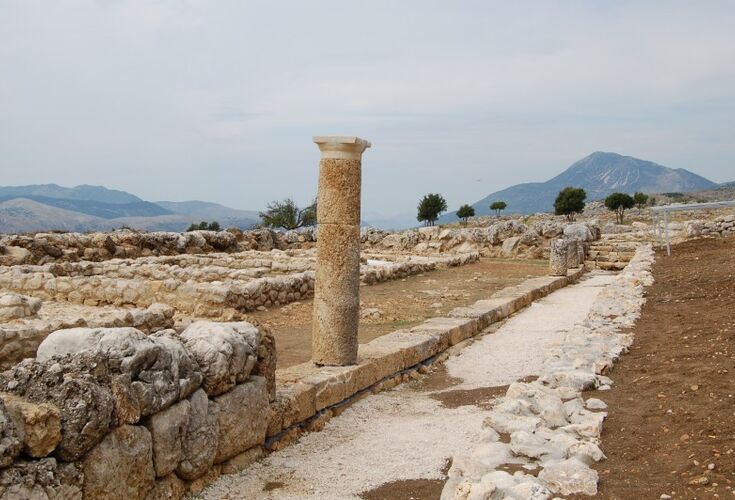
Around 45 minutes by car from the Souli Watermills is the Archaeological Site of Eleas. The ancient remains are found at the top of a hill, with sweeping views across the valley towards the Ionian Sea. Excavations have revealed public and private buildings and an agora (defined by its stoas) and fortifications dating from Hellenistic to Roman times. The existence of an archaeological site testifies to the penetration of ancient Greek civilisation into some of the most remote areas of Epirus.
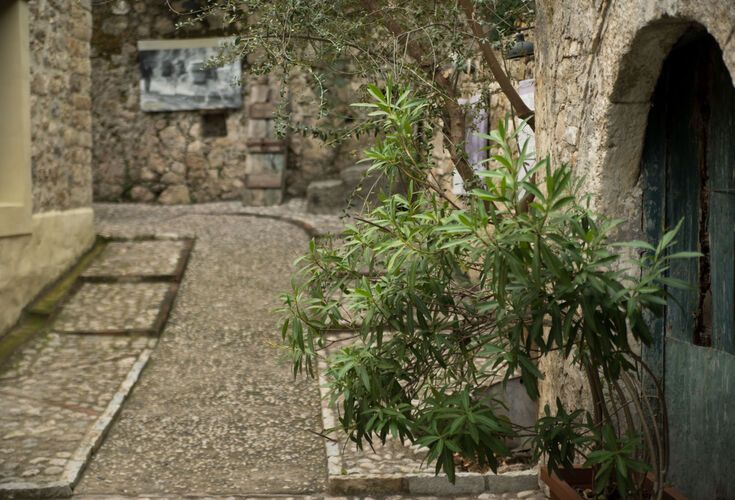
Your day ends at Paragaea, Parga’s first mechanical olive oil factory, where you are introduced to the steps involved in the production of extra-virgin olive oil and enjoy olive oil tasting. You learn all about the health benefits of olive oil and its connection to the culture and life of locals. The techniques include traditional cold press extraction methods as well as modern ways of producing olive oil, tracing the journey from the olive grove to bottling. Paragaea also offers wine tasting and culinary workshops, for a hands-on education in secrets behind the local cuisine and hospitality.
If your road trip in Epirus is between May and October, you head to the beach this morning. Alternatively, head straight to two memorable spots by Mount Zalongo: Cassope, another ancient city, and the Dance of Zalongo Viewpoint, which reminds us of one of the most heart-rending sacrifices of the locals during Ottoman times. Your day ends in Preveza, at the mouth of the Ambracian Gulf, where you spend your last two nights.
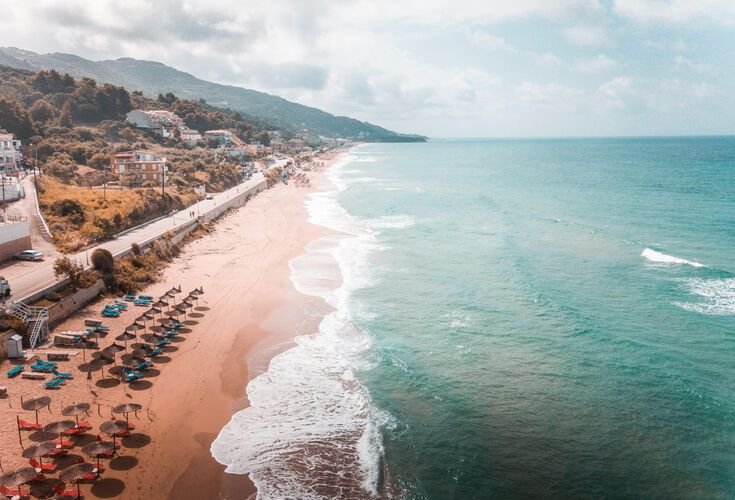
The coastline south of Parga features more fantastic beaches. Some have facilities and water sports, while others offer complete freedom for unwinding. So a little research into which one suits your mood will be rewarding. Monolithi and Kastrosykia (with Blue Flags) are at either end of a long stretch of beachfront that includes Bouka beach, which is famous for kite surfing. A little further north is long and sandy Lefka beach.
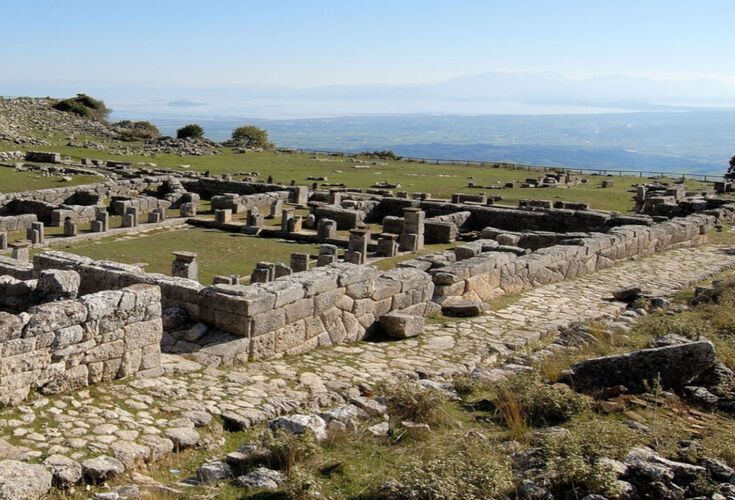
Founded in the 4th century BC, Cassope (or Kassope) was another of the major cities of the ancient Epirote League known for its well-planned grid system, public buildings and fortifications. Its theatre was built at the foot of the city’s tallest hill, oriented so that spectators could watch the comedies and tragedies of the day or attend political and civic assemblies while enjoying panoramic views over both the Ambracian Gulf and Ionian Sea. It is believed to have been built in the 3rd century BC, reflecting Hellenistic trends in architecture. Cassope appears to have been abandoned in the 1st century BC when its inhabitants were forced to move to the newly founded city of Nicopolis.
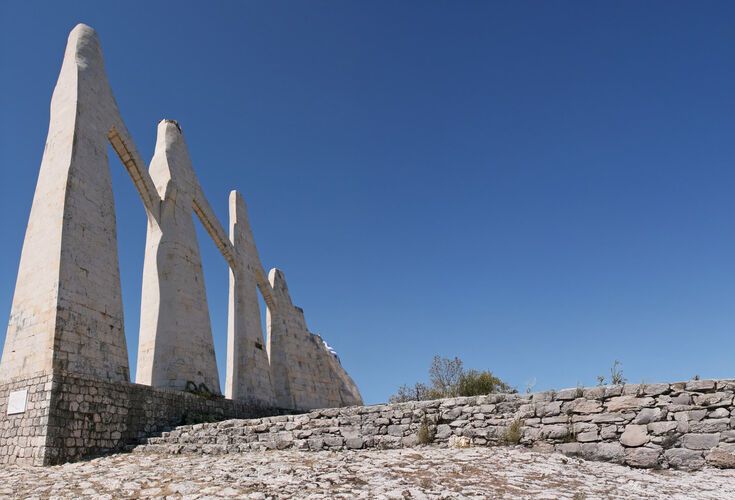
Very close to the Archaeological Site of Cassope is perhaps the most poignant historical site in Epirus. The Dance of Zalongo Viewpoint relates to the time when Ali Pasha wanted the rebellious Souliotes to evacuate their villages. In 1803, a group of women fled with their children to Mount Zalongo above Preveza, where they were trapped by enemy soldiers. Choosing death rather than surrender, they threw their children over the cliff and then followed while performing a traditional dance. A 15-20 minute climb from the carpark takes you to the spot where a monument honours their sacrifice and heroism. You can also admire the Ambracian Gulf, the Ionian Sea and the islands of Paxos, Antipaxos and Lefkada.
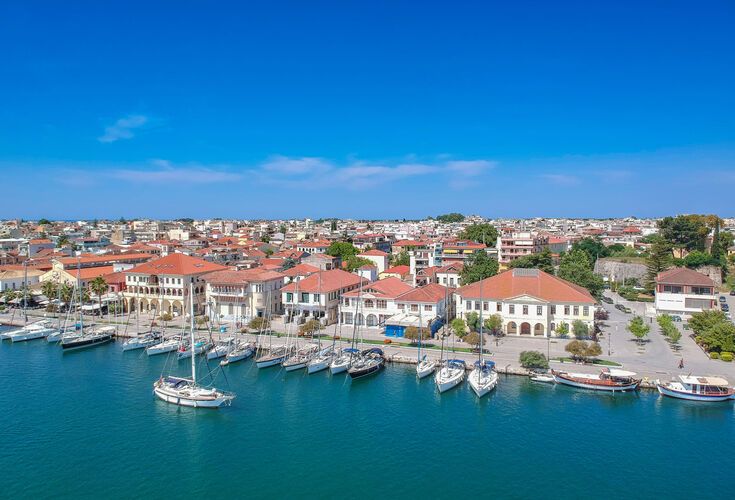
A good place to start your walk in Preveza is the Bastion of Vrysoula, which is all that remains of the 4km long and 8m wide Moat of Preveza, constructed by Ali Pasha from 1807. Walking past the sailing boats and yachts of the Preveza Marina, you reach Odysseas Androutsos Square (named after an 1821 Revolution hero). There are shops, cafes and places to eat along the waterfront, or you can head into Preveza’s picturesque alleys and backstreets, with their little tavernas and seafood meze spots (some play rebetiko folk music). The best known are in the Seitan Pazar alleyway (also known as the Devil’s Pazar). Look out for the house and bust of Kostas Karyotakis, a poet of the 1920s who died in Preveza. As well as its Ottoman past, Preveza also has Venetian influences, seen in the clock tower of the Church of Agios Charalambos, which is a popular meeting place for locals.
Another day, another ancient theatre in Epirus. This time, the theatre was built by the Romans as part of their ‘city of victory’, Nicopolis. Start at the Museum of Nicopolis before heading to the city’s ancient theatre. Your afternoon is spent birdwatching, fishing or on a boat tour in the Ambracian Gulf.
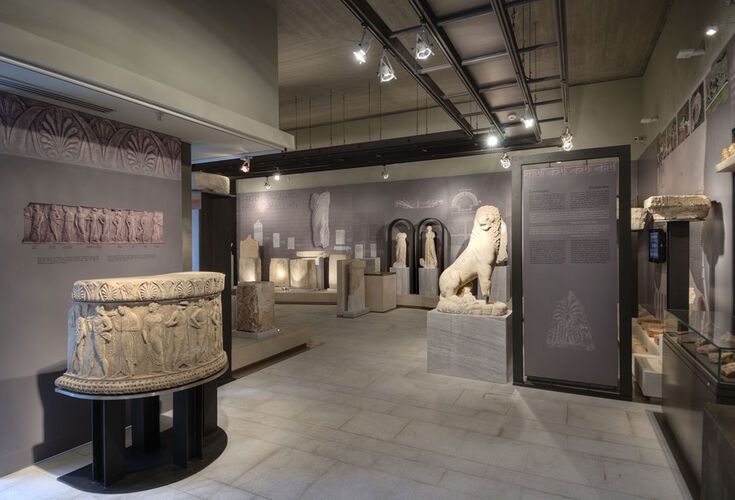
A handful of kilometres outside Preveza, the Archaeological Museum of Nicopolis features a permanent exhibition of the public and private life of the inhabitants of Nicopolis during Roman times. Founded by Octavian in 29 BC (shortly before he was given the title Emperor Augustus), the City of Victory (as the name translates) was established to commemorate his success against Antony and Cleopatra at the naval Battle of Actium at the entrance of the Ambracian Gulf in 31 BC. More than 1,000 exhibits show how Nicopolis developed into the capital city of the Roman province of Epirus Vetus and into early Christian years. Exhibits include busts of Octavian and Agrippa (the general at the Battle of Actium) and the remains of an altar to Apollo, whom Octavian proclaimed his patron god. The museum also hosts temporary exhibitions of finds from Nicopolis and antiquity in general.
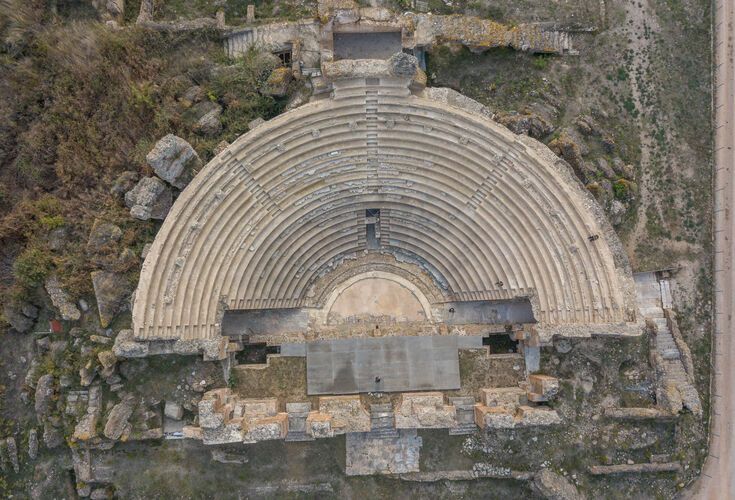
A few kilometres away are the ancient remains that complete the story of the Roman occupation of these parts. To honour Apollo, whom he credited with helping him in the Battle of Actium, Octavian built facilities to revive the Games of Aktion that had been started by the Corinthians. These included a gymnasium, a stadium, two bath complexes and a theatre, as ancient games included both athletic and artistic events. The Theatre of Nicopolis was in continuous use from the 1st century BC to the 3rd century AD, attracting audiences that included the Emperor Nero. The theatre that we can admire today is the result of a renovation program during the reign of Hadrian (100-150 AD).
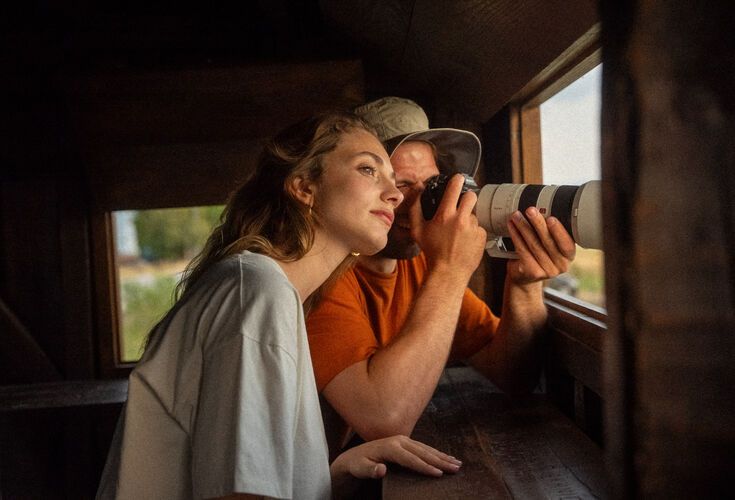
Your afternoon is spent in the Amvrakikos Wetlands National Park, an important habitat for protected plants and animals. If you visit at the right time of year, you might be lucky enough to see protected bird species like Dalmatian pelicans (the largest member of the pelican family) and flamingos. There are designated bird watching areas or you can join an organised bird watching tour. Alternatively, you can join a fishing experience on Lake Pogonitsas (about 9km from Preveza) at one of the natural fish farms of the Fishing Agricultural Cooperative of Preveza. These include an introduction to traditional fishing methods and the rare fish in the saltwater lake, as well as fish tasting. There are also boat tours in the Ambracian Gulf that set out from Preveza. If you’re lucky, you’ll spot some of the bottlenose dolphins that live in the bay.
Your last day in Epirus takes you to Arta, the site of Ambracia in ancient times, which was established by King Pyrrhus as the administrative centre of his kingdom in Epirus. You then enjoy some nature activities by Lake Ziros and then experience the otherwordly charms of Kokkinopilos and admire Roman engineering at the Aqueduct of Nicopolis. You return to Preveza for your final night.
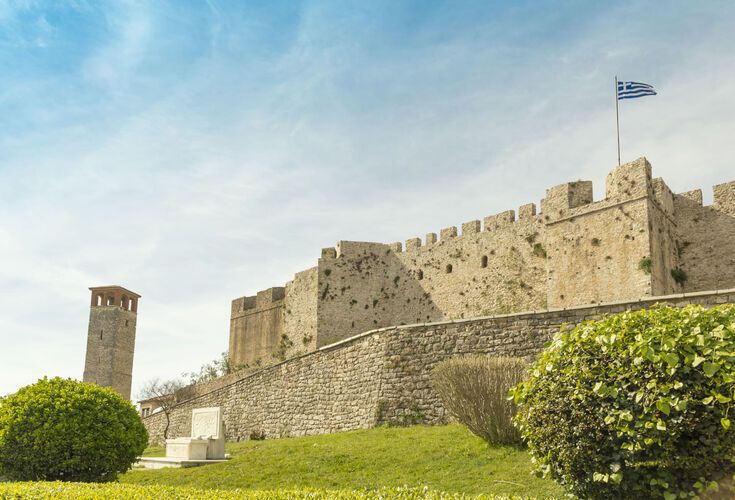
In the 3rd century BC, Ambracia (as King Pyrrhus’ new capital in Epirus), featured magnificent buildings and works of art, including an imposing theatre (similar to the one at Dodona but now buried under the houses of Arta) and a smaller theatre close to the Temple of Apollo. The Small Theatre of Ambracia (the smallest theatre ever discovered in Greece) is found in the backstreets of Arta and wasn’t used for entertainment. Rather, administrative and religious matters were discussed here. Its seating area rested on a filled slope, built up with the foundations of houses dating to the 5th century BC and 4th-century BC baths that included small black pebbles with depictions of dolphins and other artwork.
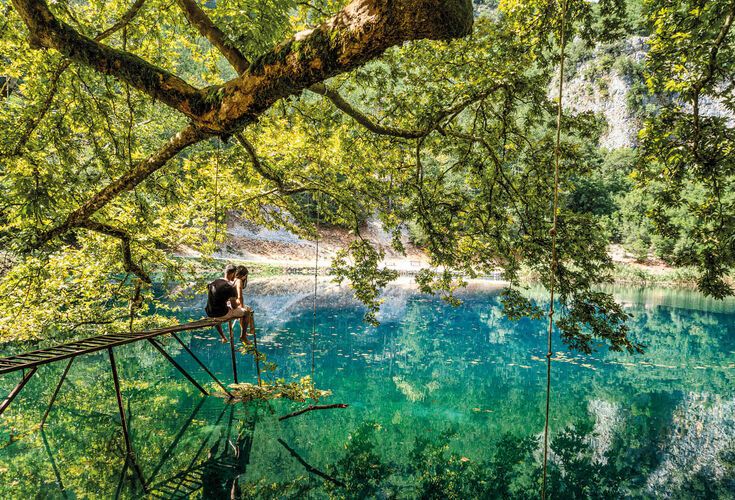
From Arta, you head 8km inland to Lake Ziros, whose name testifies to the colonisation of the area by the Slavs in the Middle Ages (ozero is lake in Russian). It is a Natura 2000-protected site and wetlands area, created by volcanic activity at an altitude of 56 metres. It was a cave until its roof collapsed and is fed by underground springs. Whatever the season, you’ll find various species of birds, from ducks to hawks, as well as other animals, such as frogs, river turtles and otters. It is an ideal place for canoeing and kayaking (you can join an organised group), or you can find one of the ‘beaches’ around the lake, from where you can enjoy the scenery. There is a cafe-restaurant on the eastern shore.
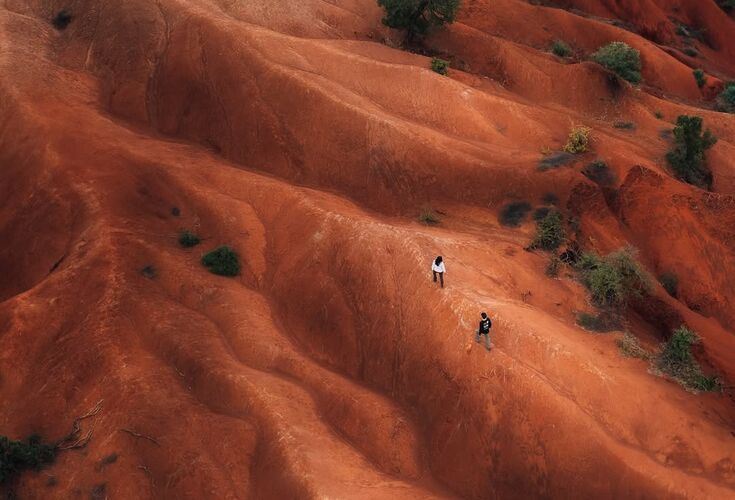
An interesting excursion near Lake Ziros is to Kokkinopilos, a hilly area named after the colour of the rocks (Kokkinopilos means red clay in Greek). The different shades of red during the day give it a Mars-like aura, interspersed with patches of green. Archaeological remains from the Paleolithic Age have been found there, as well as tools from the Bronze Age believed to be up to 250,000 years old.
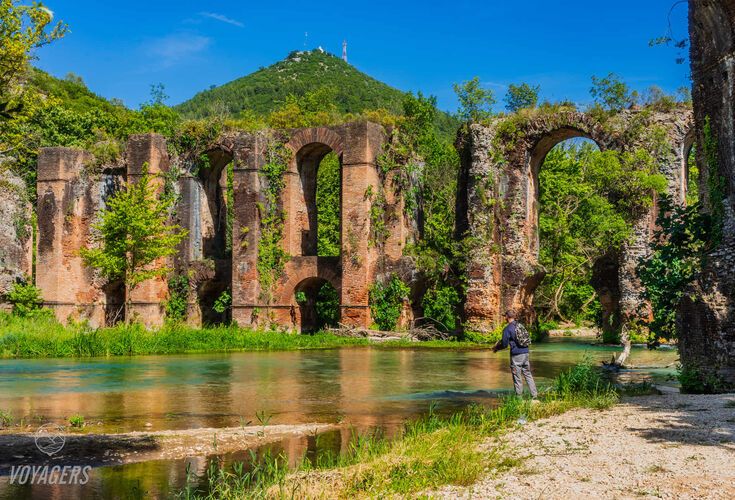
Your cultural tour of Epirus ends at the nearby Aqueduct of Nicopolis, an architectural landmark of Epirus’ Roman occupation (around the 1st century AD). It diverted water from the springs of the Louros River to Nicopolis and was considered one of the great technical feats of the time, consisting of a 50-kilometre-long network. The remains of the aqueduct offer an insight into the architectural and engineering expertise of the Romans.
Your tour of the ancient theatres of Epirus is designed to include plenty of activities and leisure time and to be adapted according to the season and the length of your stay. For your return journey, you can fly from Aktio or Ioannina airports to Athens or return by car to Athens or Thessaloniki.
Share a few details about the trip you have in mind. We’ll connect you with a vetted Travel Specialist who’ll typically reply within 24 hours (Monday-Friday).
You’ll work one-to-one with the specialist to refine the route, pace, accommodation and experiences, and add any local tips or activities you’re interested in.
Once you’re happy with the schedule and inclusions, your Travel Specialist prepares the final trip plan and takes care of the booking for you.
You visit four main theatres (Dodoni, Gitana, Cassope and Nicopolis) plus the Small Theatre of Ambracia in Arta, making this a focused route for archaeology enthusiasts.
Yes. A car is essential to connect inland Epirus, the coast and the more remote archaeological sites and viewpoints (Eleas, Zalongo, Kokkinopilos, Lake Ziros) on your own schedule.
Late spring and early autumn are ideal, when it’s warm enough for river and beach activities but cool enough for walking around archaeological sites and hiking. Summer works if you prioritise beaches and boat trips. Winter is more about culture, lakes and mountain scenery, with less swimming.
Most site visits are light walking, but there are optional hikes and outdoor activities: short uphill walks (Zalongo, Eleas), river trekking or rafing on the Acheron and trails around Lake Ziros or Kokkinopilos. Good shoes and moderate fitness are recommended.
Yes, for families who enjoy history and the outdoors. Kids tend to enjoy the mix of castles, rivers, lakes, beaches and boat trips, but some driving days and uphill walks may feel long for very young children.
You typically stay in Ioannina at the start, Parga mid-trip and Preveza at the end, using each as a base for nearby day trips and activities.
Not compulsory but strongly recommended at key sites such as Dodoni, Gitana, Cassope, Nicopolis and Ambracia, especially if you want the historical context of King Pyrrhus, the Epirote League and the Roman period to come alive.
Yes, in season you can swim at Sivota, the beaches south of Parga (such as Monolithi and Kastrosykia) and around the Ambracian Gulf. Lake activities at Ziros and river activities on the Acheron are more about nature and soft adventure than classic swimming.