

What is Halkidiki Best Known For?
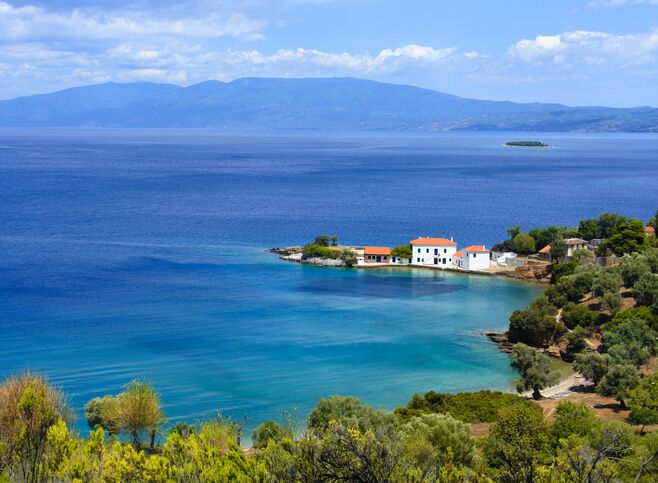
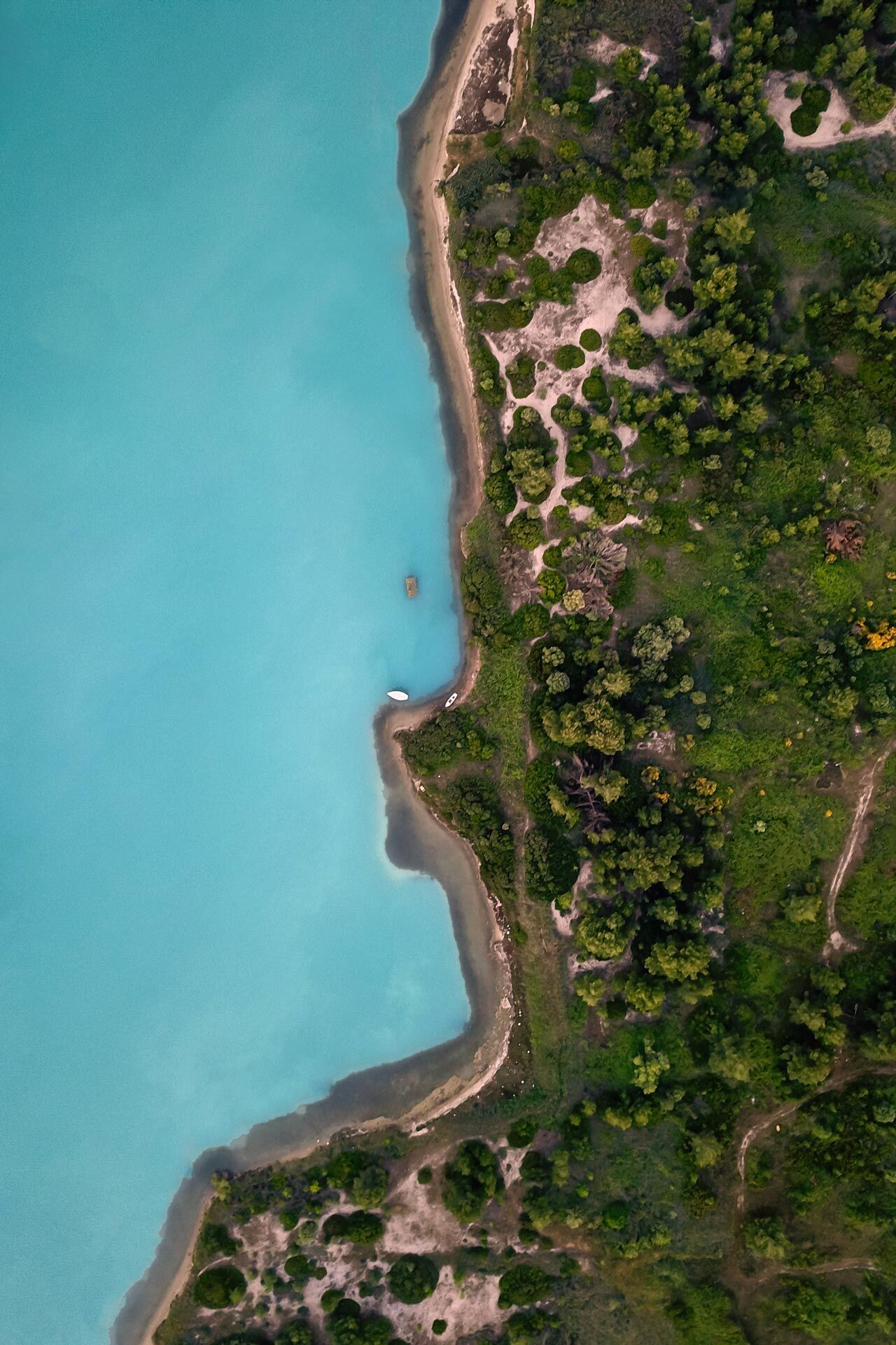
Halkidiki is the kind of place that was made for holidays – calm turquoise waters, pine-covered hills that roll down to the sea, and a relaxed energy that invites you to slow down. Close to Thessaloniki in northern Greece, Halkidiki invites you to beach days, mountain air and great food. Whether you’re visiting as a couple, a family, or an off-season explorer, it offers a perfect mix of coast and countryside.
Each of its three peninsulas has a distinct personality. The first ‘finger’, Kassandra, is the most developed, known for sandy beaches, resort hotels and easy access from Thessaloniki. Sithonia is wilder, filled with hidden coves and untouched landscapes. And Mount Athos, a UNESCO World Heritage Site and self-governed monastic state, is accessible only to men and best viewed by boat. Inland, Central Halkidiki boasts vineyards, olive groves and traditional villages nestled in the foothills of Mount Holomontas.
Halkidiki is the birthplace of the philosopher Aristotle (384 BC), in the ancient city of Stagira on the east coast. It was part of the ancient Macedonian kingdom under Philip II of Macedon and his son Alexander the Great, providing timber, silver and sea access – all critical to Macedonia's military and economic power. Meanwhile, the Petralona Cave in Western Halkidiki is one of the most important prehistoric sites in Europe, after the discovery of the 700,000-year-old remains (part of the Petralona Hoard) discovered there in 1960.
With over 500km of coastline, Halkidiki is a paradise for beach holidays. But it's also a land of forested trails and mountain escapes, small archaeological sites and museums, and vineyards and other local producers that welcome visitors. They are all ideal for exploring during spring and autumn and wonderful alternatives to the beach during the hotter summer months.
What to do in Halkidiki
If you’re visiting in the summer, top of your list of things to do in Halkidiki will likely be finding your favourite beach. And with so many to choose from – organised or secluded – you’ll be spoiled for choice, whichever coastline you find yourself on. But Halkidiki is far more than a beach destination.
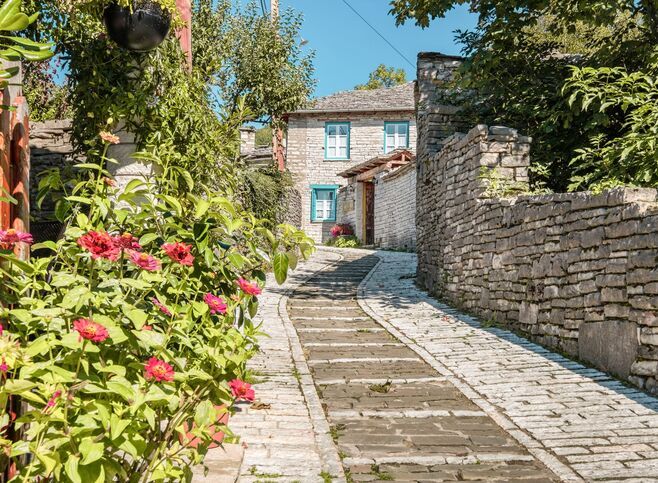
Traditional villages (both inland and coastal) offer a taste of authenticity and slow living. Arnea and Taxiarchis sit on the slopes of Mount Holomontas in Central Halkidiki, where forest trails, cool air and hearty mountain food are part of everyday life. In Kassandra, stone-built Afytos overlooks the Toroneos Gulf, while in Sithonia, Parthenonas and the old settlement of Nikiti blend natural beauty with traditional Macedonian architecture. All are among the best places to visit in Halkidiki. Many villages host summer festivals with music and dancing, as well as artisan workshops where you can see local pottery, weaving and woodcarving techniques.
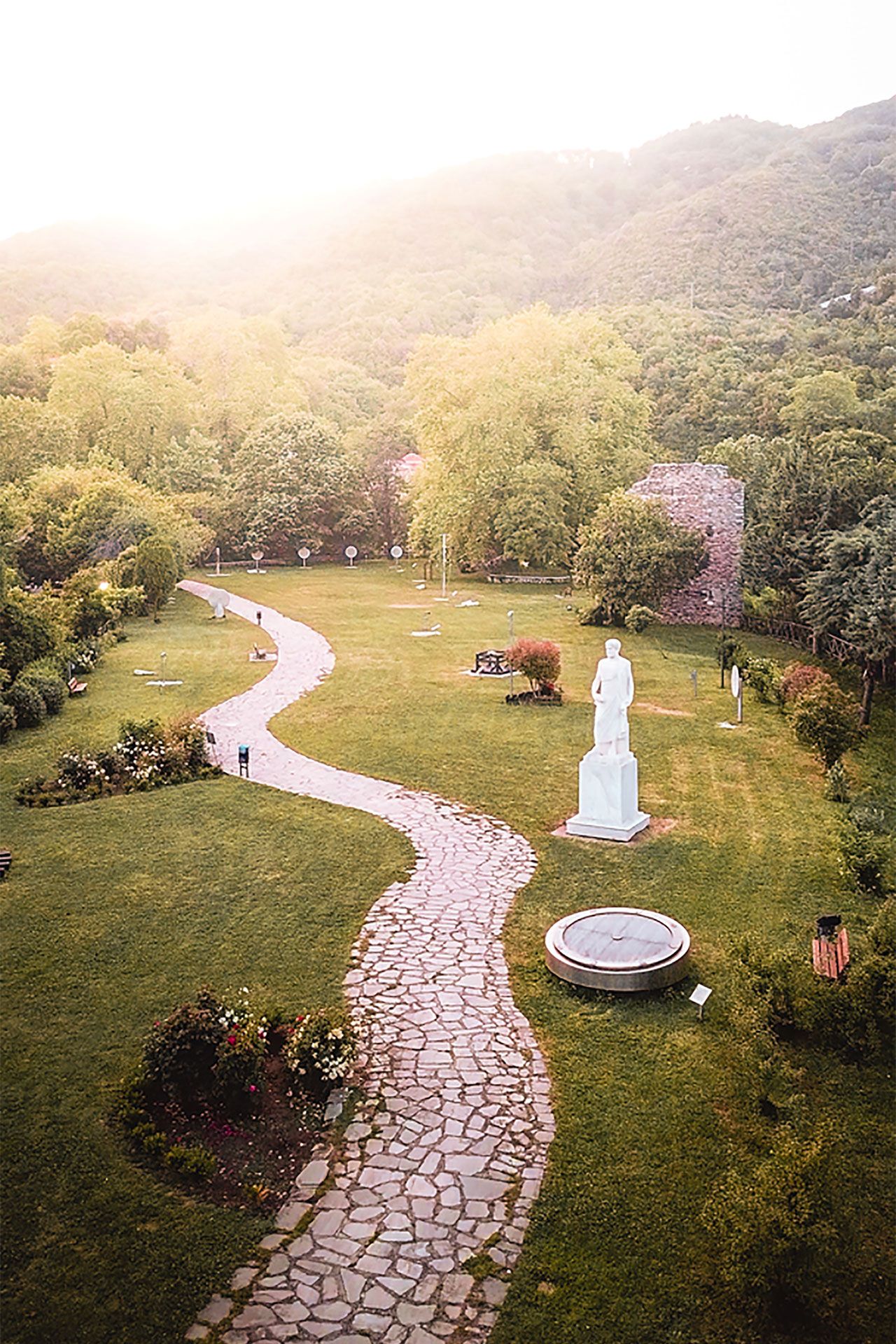
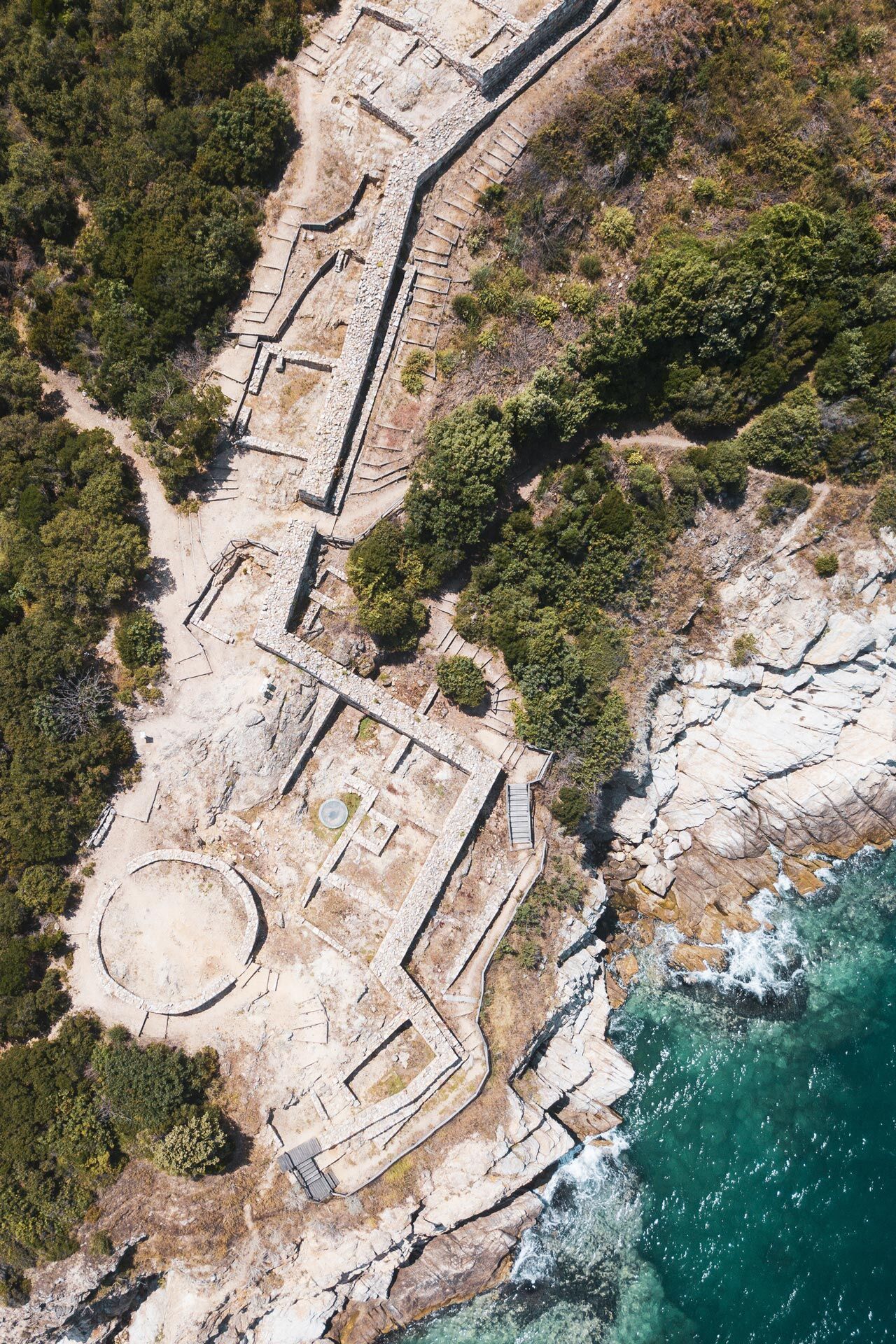
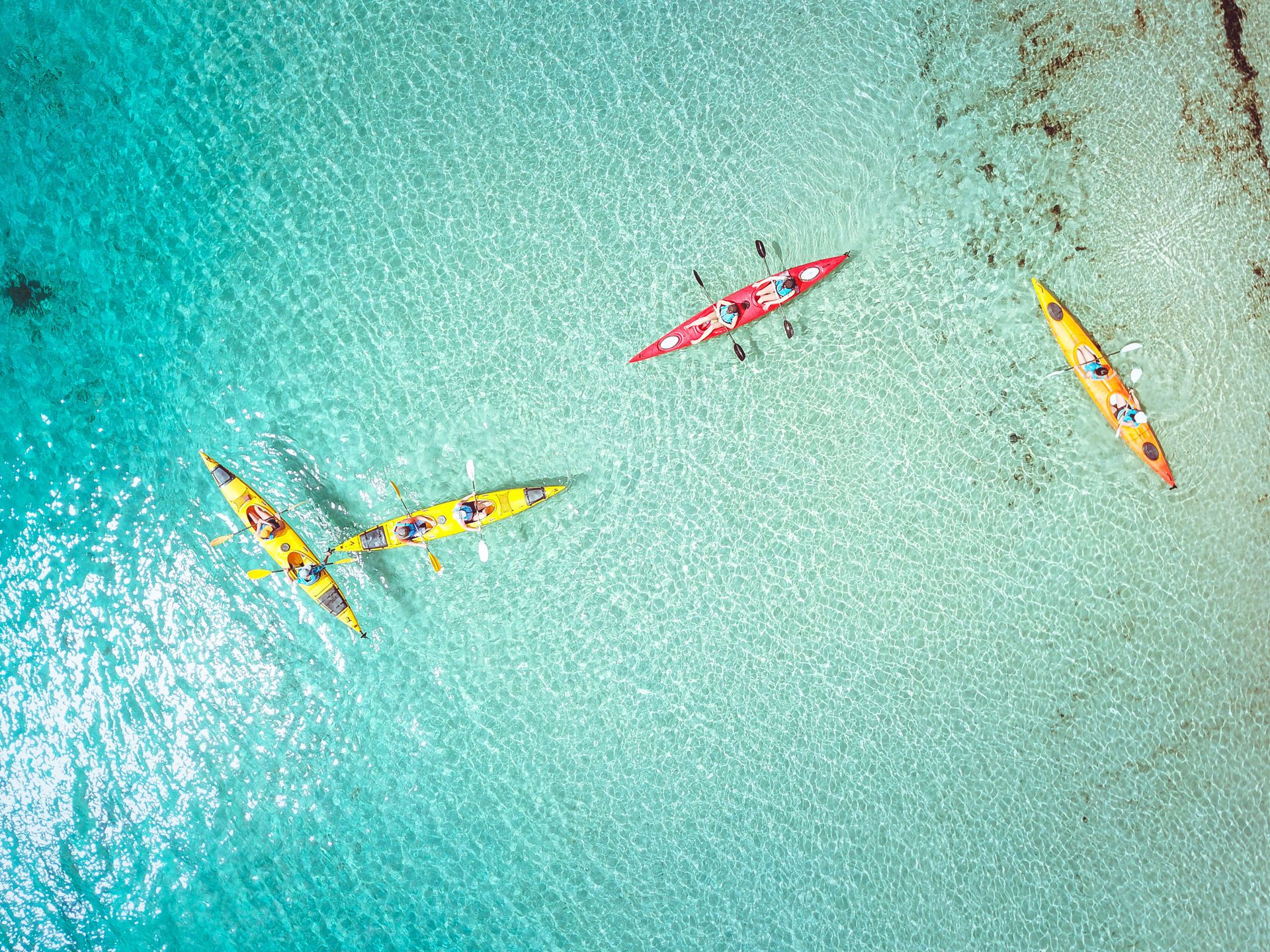
For outdoor enthusiasts, there are endless opportunities for hiking, cycling and water sports. You can kayak through sheltered bays and snorkel off rocky outcrops. And cultural experiences include Ancient Stagira, the birthplace of Aristotle. Nearby, Aristotle’s Park features interactive exhibits inspired by Aristotle’s work in physics and nature. Elsewhere, you can explore the Petralona Cave and visit the ancient city of Olynthos, which offers an insight into Classical-era urban planning. And from Tripiti, just before Ouranoupoli and the Mount Athos peninsula, you can visit Halkidiki’s only inhabited island, Ammouliani. The pace of life is even more laid-back than on the mainland, with a handful of tavernas and pristine beaches.
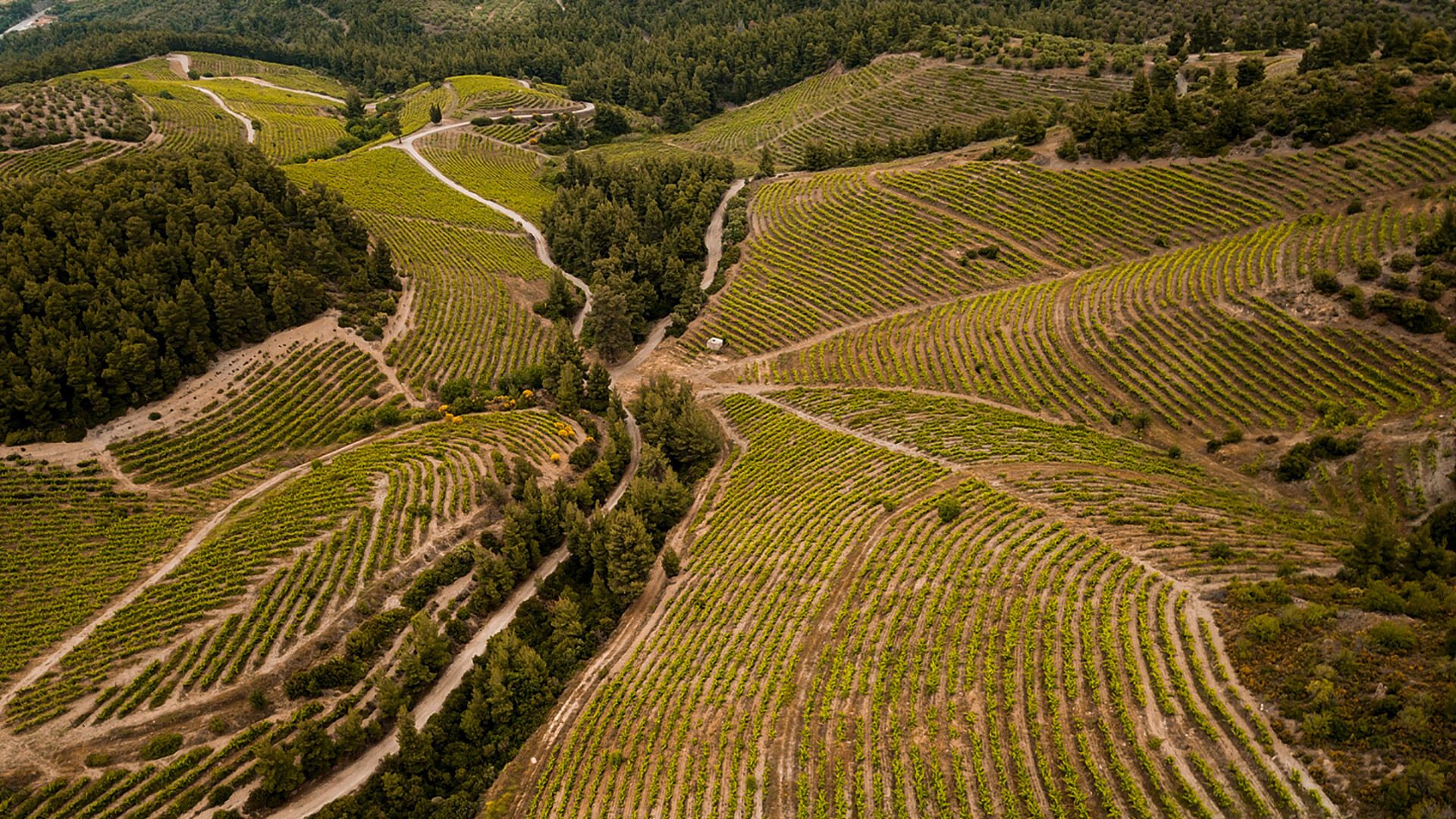
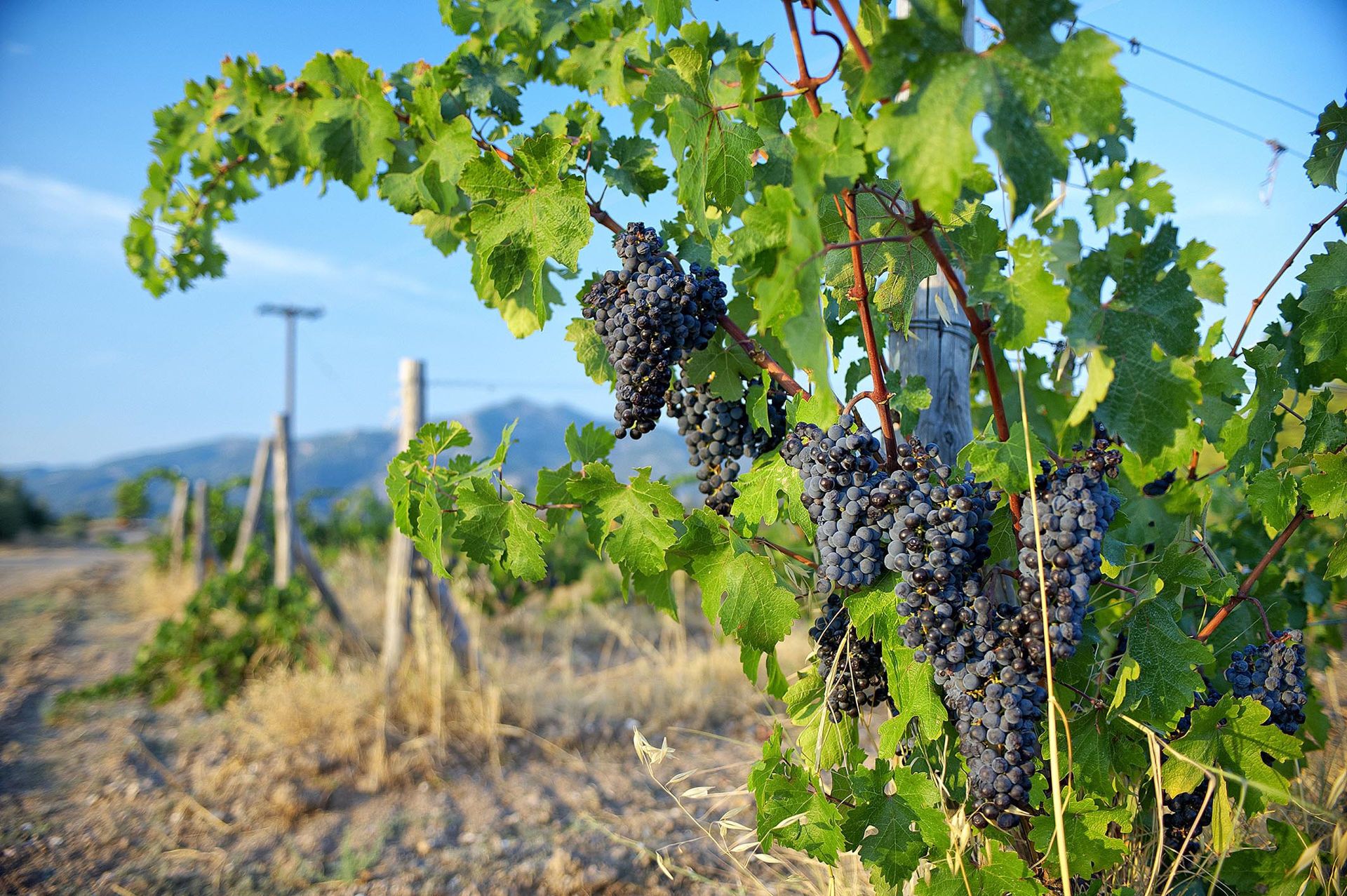
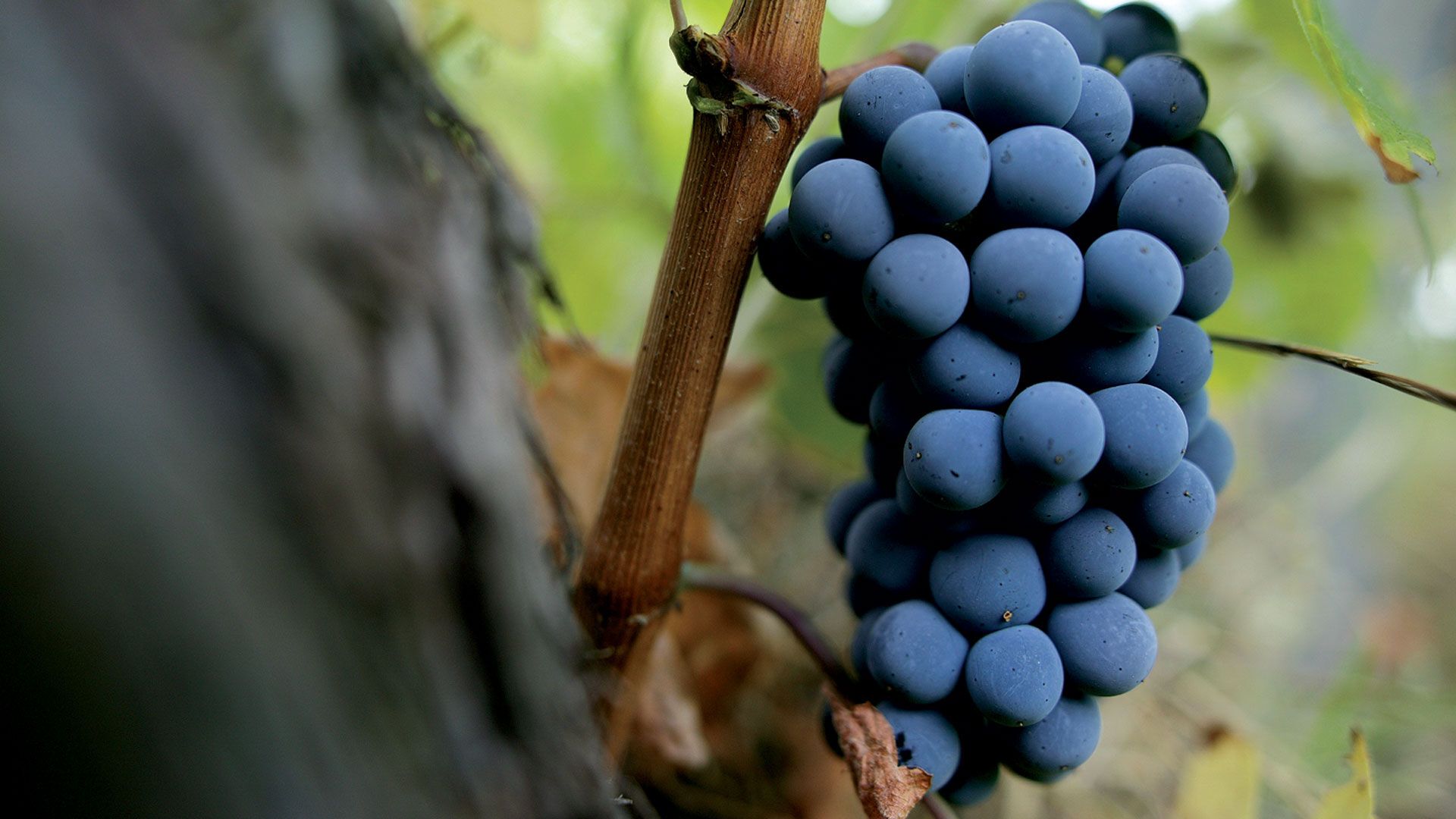
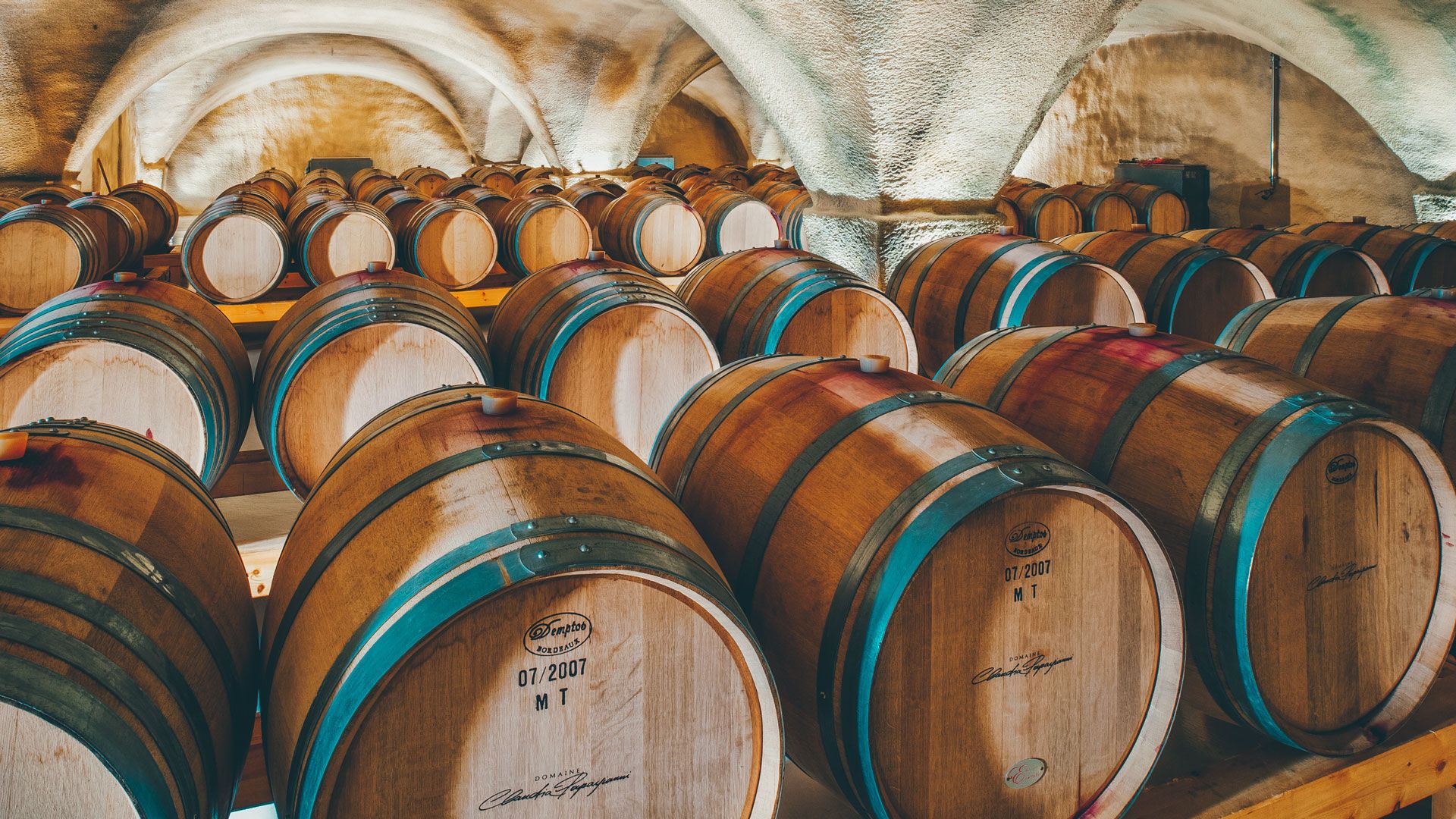
There are vineyards across Halkidiki, not just in Central Halkidiki but in the hills of Kassandra and on the slopes of Mount Meliton, in Sithonia. At the monasteries of Mount Athos, wine has been made for centuries. Aristotle himself mentioned Limnio, an ancient grape still grown in Halkidiki, alongside varieties like Assyrtiko, Malagouzia, Roditis and Xinomavro.
From Ouranoupolis, boat tours skirt the coastline of Mount Athos, offering views of its centuries-old monasteries. Back in Ouranoupolis, you can end the day with a seafood meal by the sea.
Best Beaches in Halkidiki
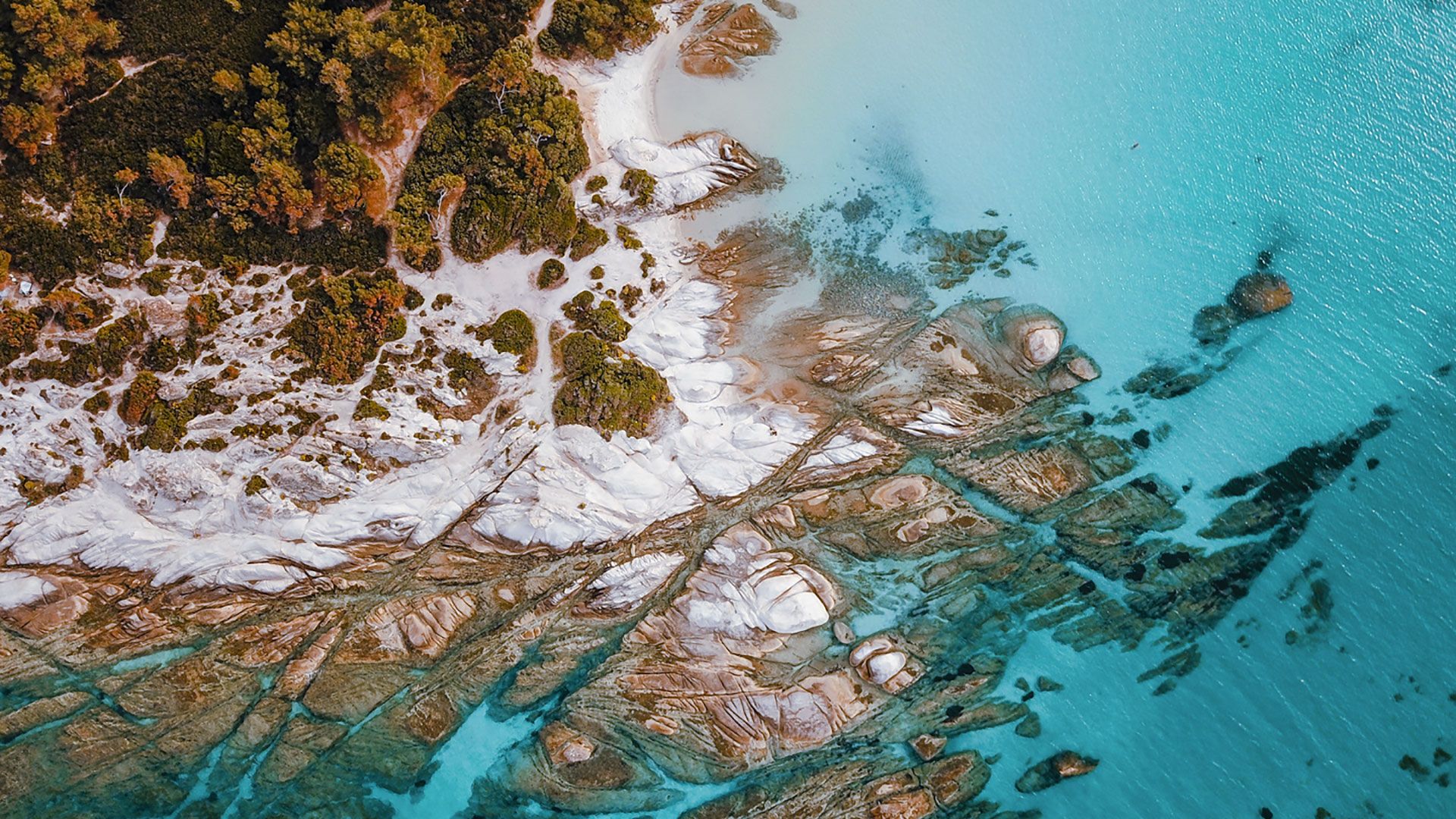
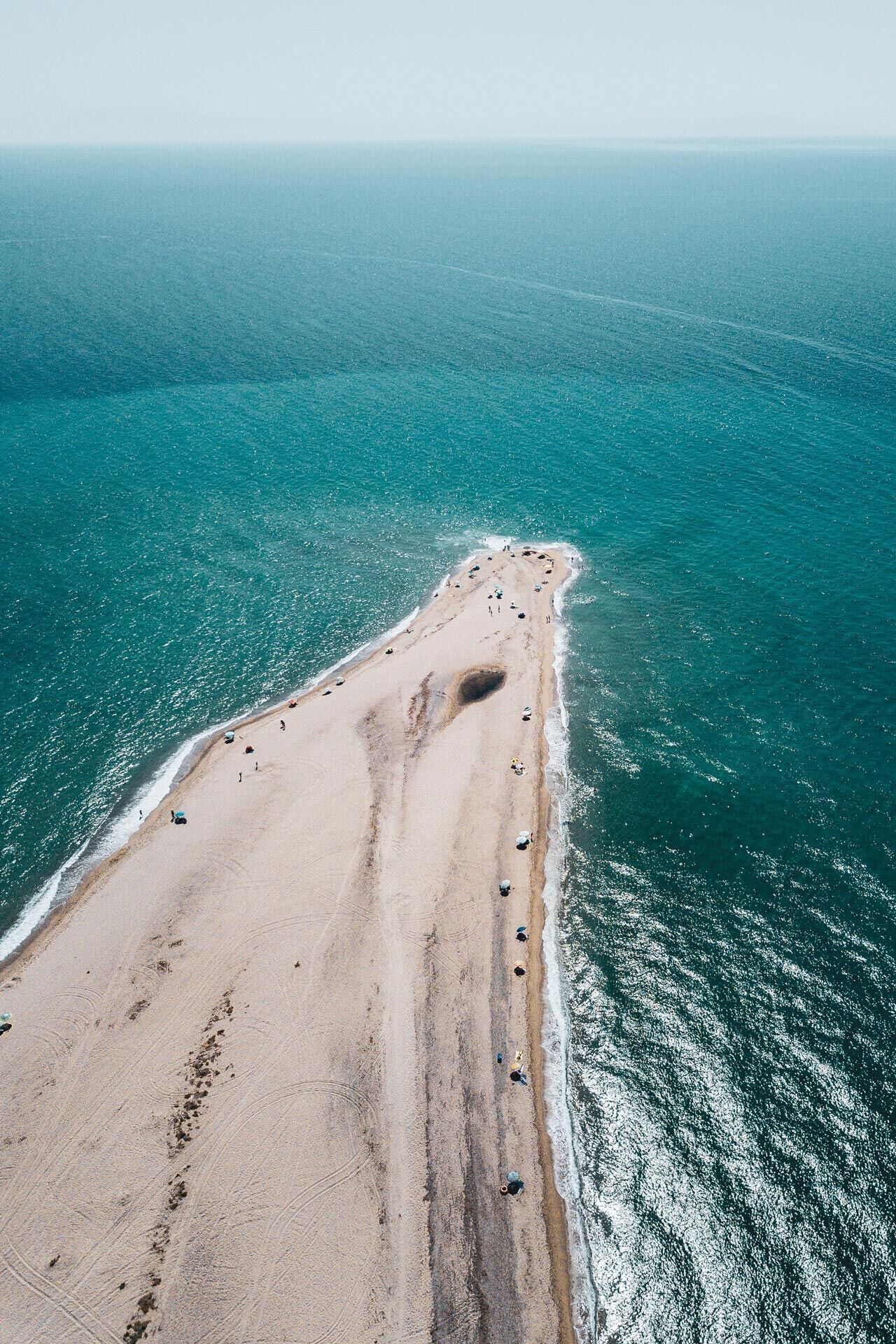
You can look forward to some of the most exotic beaches in Greece – sandy, pine-fringed and often lapped by the kind of turquoise water you’d expect to see in the islands. Whether you’re in the mood for a swimming spot with all the facilities for a full day by the sea or a tranquil cove, you’ll be spoiled for choice when it comes to beaches in Halkidiki.
Kassandra is home to some of Halkidiki’s most accessible and best-known beaches, ideal for families and anyone looking for a choice of beach bars, seaside tavernas and water sports. On Kallithea’s eastern coast, Hanioti and Pefkochori are popular for their amenities and buzzing summer vibe. Nearby, Glarokavos blends organised comfort with a more natural setting. And over on Kassandra’s west coast, Possidi offers long stretches of golden sand and views of Mount Olympus across the sea.
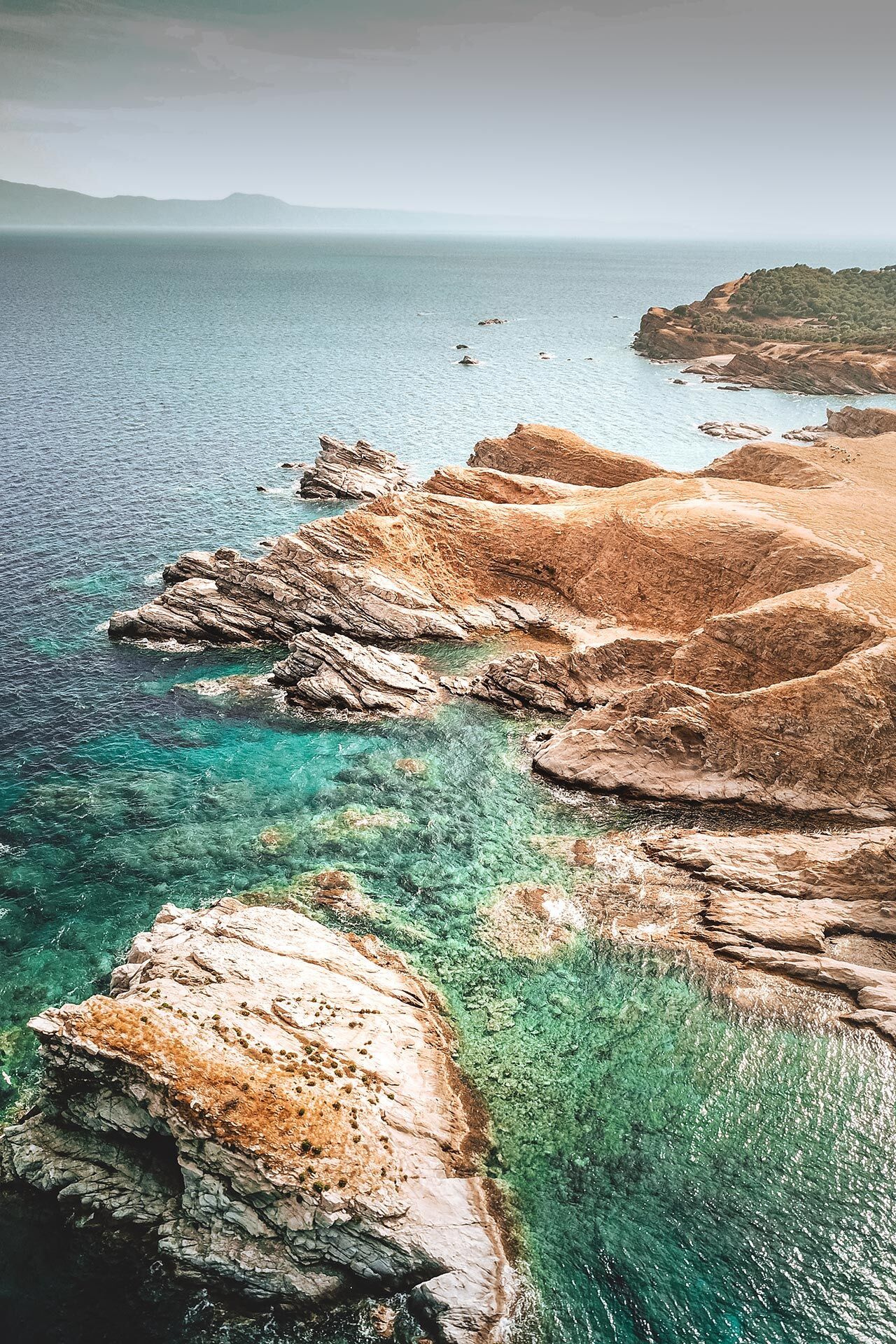
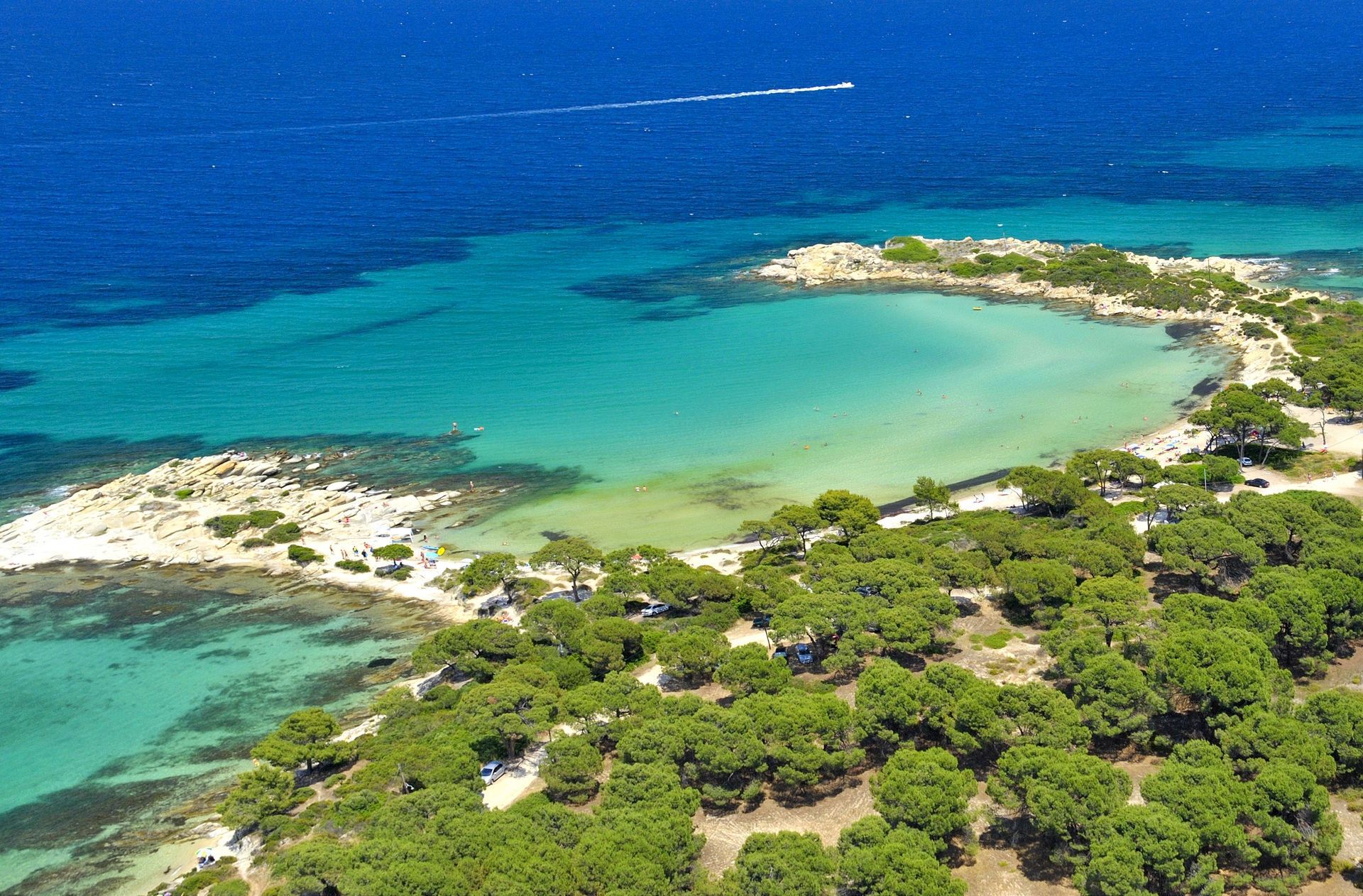
In Sithonia, the scenery becomes more rugged and unspoiled. The coastline here is dotted with pine-shaded coves and pockets of bright sand. Kavourotripes beach is followed by a series of small bays hidden among sculpted rocks and trees, and Vourvourou beach is another favourite, with shallow, blue-green water and the added bonus of boat hire to nearby Diaporos island, a quiet paradise of coves and lagoons. Other gems include Sarti, Kalogria, Karidi and Trani Ammouda – each with its own mix of soft sand, natural beauty and space to unwind.
Ammouliani island is home to beaches like Alykes, with powdery sand and calm, shallow water perfect for swimming. And on the eastern coast, Ouranoupoli offers quiet stretches of beach backed by olive groves and views across to Mount Athos.
Wherever you are in Halkidiki, there’s a beach that fits your mood—whether it’s sunlounger and cocktail, or towel in the sand with nothing but the sound of waves.
Best Time to Visit Halkidiki
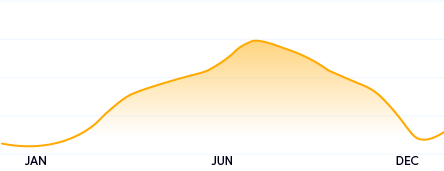
As one of northern Greece’s most popular summer destinations, Halkidiki is at its busiest in July and August, when the beaches, resorts and seaside towns are full of life. The weather is hot and dry, and the sea is warm – perfect for swimming, sunbathing and water sports. But if you’re after fewer crowds and a more relaxed pace, the best time to visit Halkidiki is in May-June or September-October, when the weather is still warm, the sea is inviting, and the landscape is lush and green.
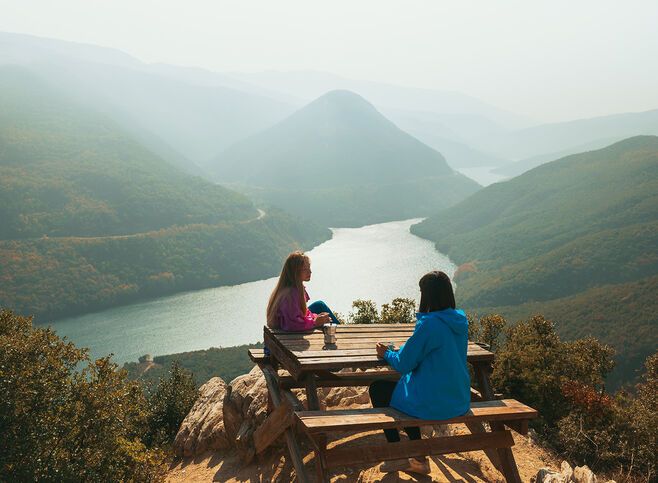
Spring and autumn are also ideal for hiking and exploring villages and vineyards, especially in Central Halkidiki, where cooler temperatures and forested trails make outdoor activities more enjoyable.
How to Get to Halkidiki
Halkidiki is easy to reach, especially from Thessaloniki, northern Greece’s main city and transport hub.
- By Air: The closest airport is Thessaloniki International Airport (SKG), which receives year-round domestic and international flights. From the airport, it’s around 70km (40 minutes) to the Kassandra peninsula, 110km (1.5 hours) to the northern part of Sithonia, and 140km (2 hours) to Ouranoupoli, the gateway to Mount Athos.
- By Road: From Thessaloniki, Halkidiki is easily reached by car or intercity KTEL buses, with direct routes to popular towns and resorts across Kassandra, Sithonia and eastern Halkidiki. Hiring a car gives you the most flexibility and is ideal for exploring remote beaches and inland villages. Roads are in good condition, and the main resorts are all within easy driving distance.

Plan Your Halkidiki Itinerary
Get AI-powered suggestions or work with expert travel specialists
Tours & Activities in Halkidiki
Discover authentic local experiences and secure your bookings for activities and tours with our official online rates.
From Thessaloniki: Private Day Trip to V...
From Nikiti Halkidiki: Sunset Cruise on ...
The real Northern Greece: 10 days in Les...
From Thessaloniki: Private Round Tour to...
Day Cruise on a Sailing Yacht in Halkidi...
From Thessaloniki: Private Round Tour to...
Where to stay in Halkidiki
Nuveel Exclusive Villas
Xenios Port Marina Hotel
Sun Residence
Philoxenia Bungalows
Helios Blue Villas
Palm Residences
Halkidiki offers a variety of accommodation options to suit every budget and travel style, with the type of experience often shaped by which part of the region you choose to stay in. Kassandra, the most developed of the three peninsulas, is home to some of Halkidiki’s most established luxury resorts. It’s also where you’ll find plenty of family-friendly hotels, with easy access to organised beaches. Sithonia has smaller hotels and boutique guesthouses and is ideal for those looking for quieter surroundings and easy access to pine-backed beaches and unspoiled coves.
Across Halkidiki, there’s no shortage of budget-friendly accommodation, including guesthouses and rooms to let. For a peaceful alternative to the peninsulas, inland villages like Arnea and Taxiarchis offer mountain guesthouses and agrotourism-style stays, perfect for a cooler, more authentic experience. Ouranoupoli has a range of accommodation options. and on Ammouliani island, you’ll find a small but growing selection of hotels and rooms by the sea, offering simple charm and a slower pace of life.
Wherever you choose to stay in Halkidiki, you’ll find warm hospitality, beautiful settings and plenty of choice – whether you’re after five-star indulgence or something low-key and local.
Eating out in Halkidiki is a delicious way to connect with the land and its people, whether you’re dining in a seaside taverna or a mountain village enjoying a ‘spoon sweet’ made from preserved fruit. Fresh seafood is a highlight across the region, including daily catches served just metres from the sea. Mussels harvested in the northeast are another highlight. But the region’s bounty goes well beyond fish. From the fertile plains and valleys around Mount Holomontas come juicy apricots, peaches, quinces, pears and almonds, while the forests around Arnea and Nikiti produce around 30% of Greece’s honey.
You’ll also find the large, juicy green table olives (made Olea Europea olives) and agoureleo olive oil (made from unripe olives), both awarded PDO status, as well as cheeses like feta, myzithra and graviera, made from the milk of free-roaming goats and sheep. In the forests around Taxiarchis, wild mushrooms and truffles add even more depth to local dishes. Wine lovers will enjoy wines made from international and local grape varieties, such as Assyrtiko, Malagouzia, Roditis and Xinomavro, as well as the ancient Limnio grape (also PDO) mentioned by Aristotle.
The climate in Halkidiki is typically Mediterranean, with long, hot summers and mild, wetter winters. The weather in Halkidiki is at its best from May to September, with plenty of sunshine, high temperatures and warm seas that are ideal for swimming and water sports. In July and August, daytime highs often reach the mid-30s°C, especially in coastal areas, although the sea breeze helps keep things comfortable.
Spring and autumn are perfect for outdoor activities like hiking, cycling and exploring inland villages, when temperatures are warm but not too hot, and the landscapes are at their greenest. These seasons are also great for visiting vineyards, local festivals and historical sites without the peak summer crowds.
Winters in Halkidiki are mild compared to northern Europe, particularly along the coast, although the inland and mountainous areas can be cooler and see more rainfall.
Halkidiki is a safe and welcoming destination, known for its relaxed atmosphere and friendly locals. Like anywhere, it’s wise to take basic precautions – keep an eye on your belongings in busy areas and don’t leave valuables unattended at the beach. You’ll find pharmacies in all towns and tourist areas, and there are health centres in larger settlements. The nearest hospital is in Thessaloniki.
Food safety standards are high and bottled water is widely available. If you're planning to hike or explore more remote areas, it’s a good idea to carry water, sunscreen and insect repellent, especially in summer. The emergency number for medical assistance, police and fire services in Greece is 112. For more tips on staying safe and healthy during your trip, visit our practical info page.
Halkidiki is located in northern Greece, southeast of Thessaloniki, and stretches out into the Aegean Sea in three distinct peninsulas – Kassandra, Sithonia and Mount Athos. It belongs to the region of Central Macedonia and its location makes it one of the most popular seaside destinations in mainland Greece, especially for visitors flying into Thessaloniki.
The best way to get around Halkidiki is by car, as it gives you the flexibility to explore the beaches, villages and more remote areas at your own pace. The region is large and local transportation options are limited outside the main towns and summer season. Kassandra has the most developed road network and Sithonia offers more dramatic, unspoiled scenery, but Halkidiki’s winding coastal roads and forested interior mean travel takes a little longer – perfect if you enjoy scenic drives. In Central and Eastern Halkidiki, you’ll find mountain villages and inland routes that are quieter but more rural. Roads are generally well maintained, but if you’re driving or renting a car, take care on mountain roads and around villages, where streets can be narrow.
If you’re not driving, there are KTEL buses connecting Thessaloniki with major towns and resorts across the peninsulas, although schedules can be infrequent, especially outside of peak season. Taxis are available but less cost-effective for longer journeys.
Halkidiki caters to a wide range of budgets, making it easy to tailor your holiday to your travel style. You’ll find luxury resorts and beachfront hotels, especially in the Kassandra peninsula, but there are also plenty of mid-range and budget-friendly options, including guesthouses, self-catering apartments and rooms to let – especially in smaller villages and less-developed areas.
Eating out is generally good value, particularly in traditional tavernas, where local dishes are affordable and generous. Accommodation prices in well-developed tourism areas can rise in July and August, so for better deals and a quieter atmosphere, consider visiting in May–June or September–October.
Yes, Halkidiki is a fantastic destination for families. Many of the magical beaches that put Halkidiki on the tourist map are fully organised and have shallow, calm waters and water sports that can be enjoyed by children. There is also a wide choice of family-friendly accommodation, from resorts with kids’ clubs to self-catering apartments and seaside guesthouses.
Kassandra is especially popular with families for its organised beaches and facilities, while Sithonia offers quieter settings and nature-filled surroundings that are great for more relaxed family holidays. In Central Halkidiki, mountain villages like Arnea and Taxiarchis offer a change of scenery and the chance to explore nature trails and local food culture.
From boat trips and safe swimming spots to nature parks and summer festivals, there’s no shortage of ways for families to spend time together.
Yes, there are a few options for boat trips from Halkidiki to nearby islands. From Tripiti, near Ouranoupoli, you can take a short ferry trip to Ammouliani. From there, it’s easy to explore the nearby Drenia isles, a small cluster of uninhabited islands with shallow turquoise waters ideal for swimming and snorkelling.
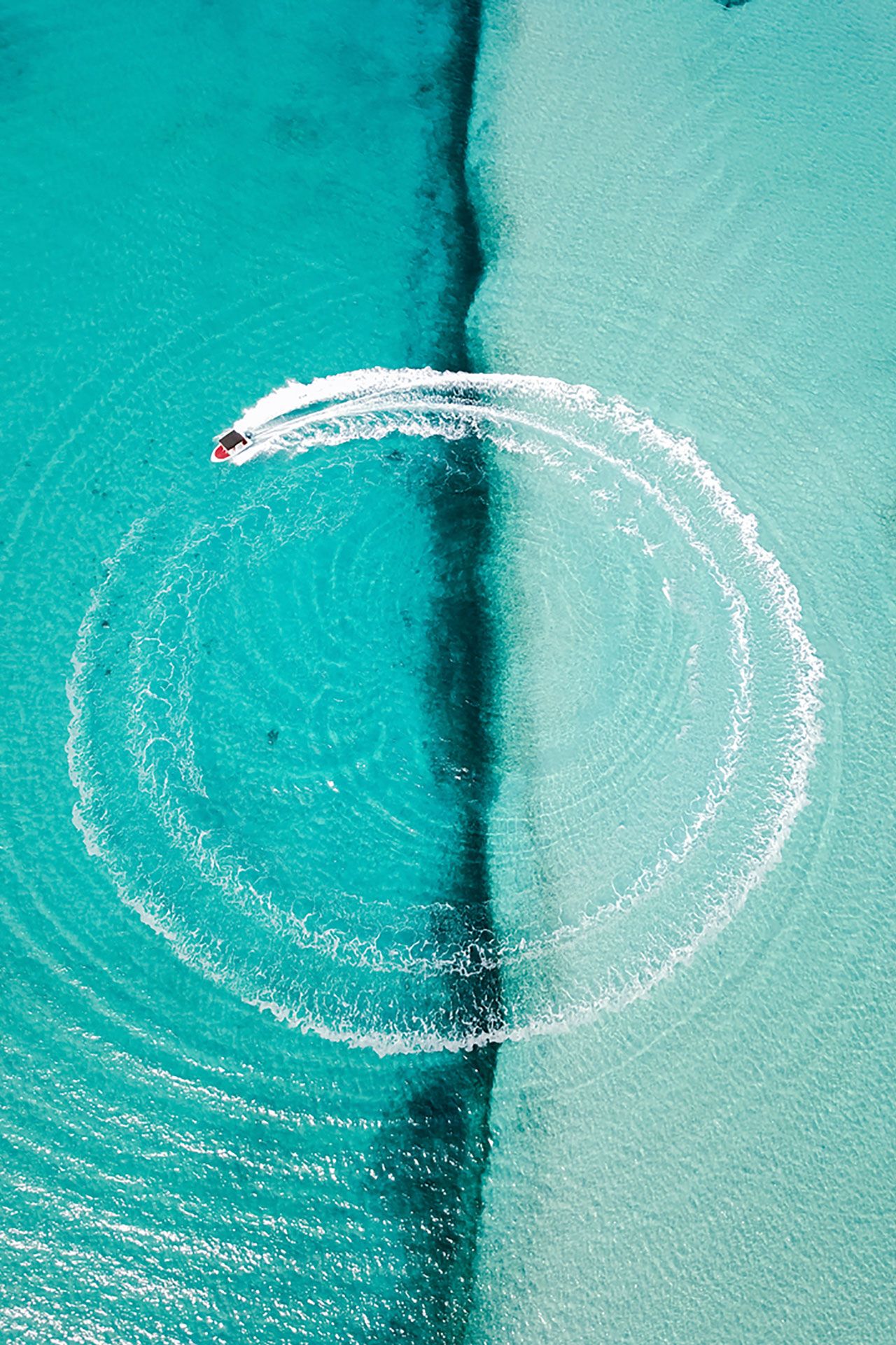
On the Sithonia peninsula, boats depart from Vourvourou for Diaporos island, a quiet escape with hidden coves, calm bays and blue-green water that’s perfect for a day on or in the sea.
The largest nearby island is Thassos, one of the greenest islands in the Aegean, which you can reach from Kavala, around 2 hours and 15 minutes away by car depending on where you are in Halkidiki.
To experience the best of Halkidiki, a stay of 5 to 7 days is ideal. This gives you time to explore at least one of the peninsulas – Kassandra or Sithonia – relax on a few beaches, enjoy traditional villages and sample the local food and wine. With a week or more, you can combine coast and countryside, take boat trips to Ammouliani or Diaporos Island, visit cultural sites like Ancient Stagira or Petralona Cave, and perhaps spend a night in one of the inland mountain villages.
If you’re based in Thessaloniki, Halkidiki is also perfect for a short escape, especially if you’re heading to the coast for a long weekend.