

- Places to go
- Things to do
- Book your trip
- More
Get instant answers to your Greece travel questions
Your itinerary takes you to some of the most important cultural sites of Ancient Macedonia, including the resting place of Philip II of Macedon in Aigai, the remains of the great palace of Pella, and the birthplace of the philosopher Aristotle in Halkidiki. Also featuring Greece’s northern city of Thessaloniki, this seven-day itinerary can be followed exactly or extended or adapted to your schedule – just prepare to travel deep into European history.
This itinerary focuses on cultural depth, so brush up on your Macedonian history before you come and make the most of guided tours at key sites like Aigai and Pella. If you have extra time, add a night in Thessaloniki to explore more of its museums, neighbourhoods and food scene without rushing.
Setting out from Thessaloniki’s Makedonia Airport, your cultural road trip starts in the most sacred town of ancient Macedonia. Dion rose in importance as the Kingdom of Macedonia flourished in the 4th century BC. It was where Philip II celebrated military victories and Alexander the Great offered sacrifices before setting out on his campaign. Your day ends in Litochoro, in the shadow of Mt Olympus.
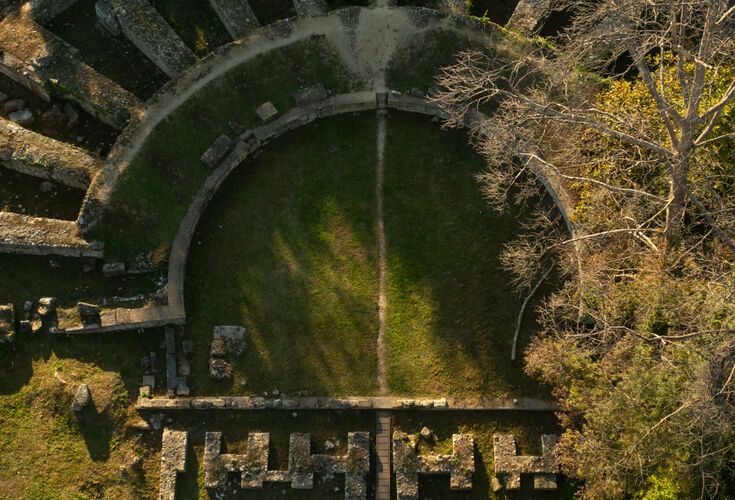
Dion is one of Greece’s most atmospheric archaeological sites. Established as a sacred city to worship Zeus, its monuments are scattered amongst greenery, trees and ponds. A quarter of the 150-hectare park is made up of sanctuaries – the oldest (late 4th century BC) dedicated to Demeter, two sanctuaries honouring Zeus (Hypsistos and Olympios), and the Sanctuary of Isis, reached by a small bridge. Among the standout monuments are the Great Baths, a complex of thermal baths with a unique water heating system, which served as a centre for social life during Roman times. There is also an impressive array of Macedonian tombs, offering insight into the burial rituals of the time. The Hellenistic-era theatre (4th–3rd century BC), known for its exceptional acoustics, and a Christian basilica in the wider area complete the picture.
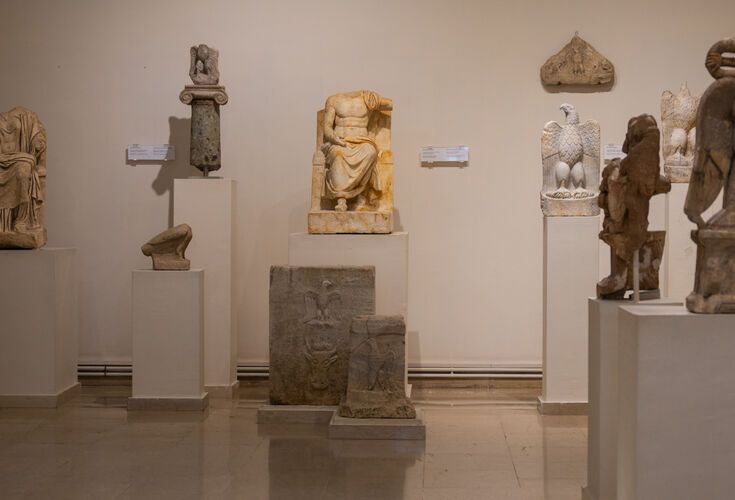
Around 500m from the park, the Archaeological Museum of Dion showcases the wealth and importance of the ancient city. Highlights include statues from the Sanctuary of Zeus Hypsistos (replicas are in the park), along with statues of Isis, Dionysos and Aphrodite. Look out for the hydraulis, a rare 1st-century BC wind instrument and predecessor of the pipe organ. Bringing to life daily activities, religious practices and household items of ancient Dion, the museum also houses coins, vases and tools, as well as remains of mosaics. The most impressive mosaic, however, is in a separate building, the Archaiothiki, by the archaeological site. Known as the Epavli of Dionysos, it dates from the late 2nd century AD and shows the god Dionysos riding a panther. It was discovered in a luxurious villa and is among the finest Roman floor mosaics found in northern Greece.
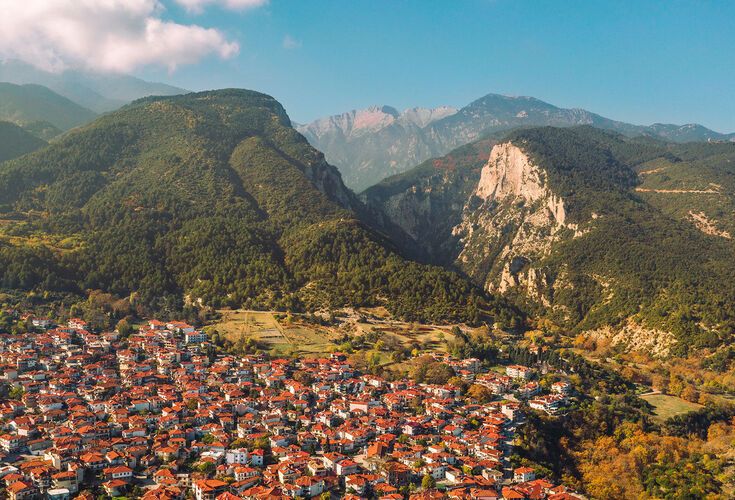
The nearest town to Mount Olympus, Litochoro manages to be both mountainous and coastal (being within touching distance of the Pieria coastline) and features Macedonian and neoclassical architecture. Wandering through cobbled alleyways and small squares (like Platanos Square), you’ll find stone fountains and churches. And alongside the Enipeas River is a leafy municipal park. There are tavernas in the centre and along the riverbank serving traditional Macedonian food. In summer months, head to Plaka beach. It’s fully organised, with bars and restaurants.
The Polycentric Museum of Aigai, in Vergina, is one of Greece’s landmark archaeological sites. It is a UNESCO World Heritage Site that includes the tomb of King Philip II of Macedon, father of Alexander the Great, the Palace of Aigai and more wonders from the ancient Kingdom of Macedonia. Your day ends in nearby Veria, a town with strong Byzantine influences.
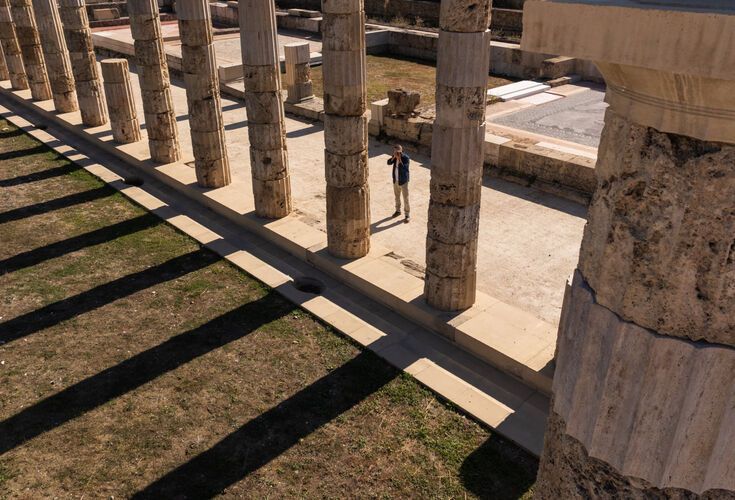
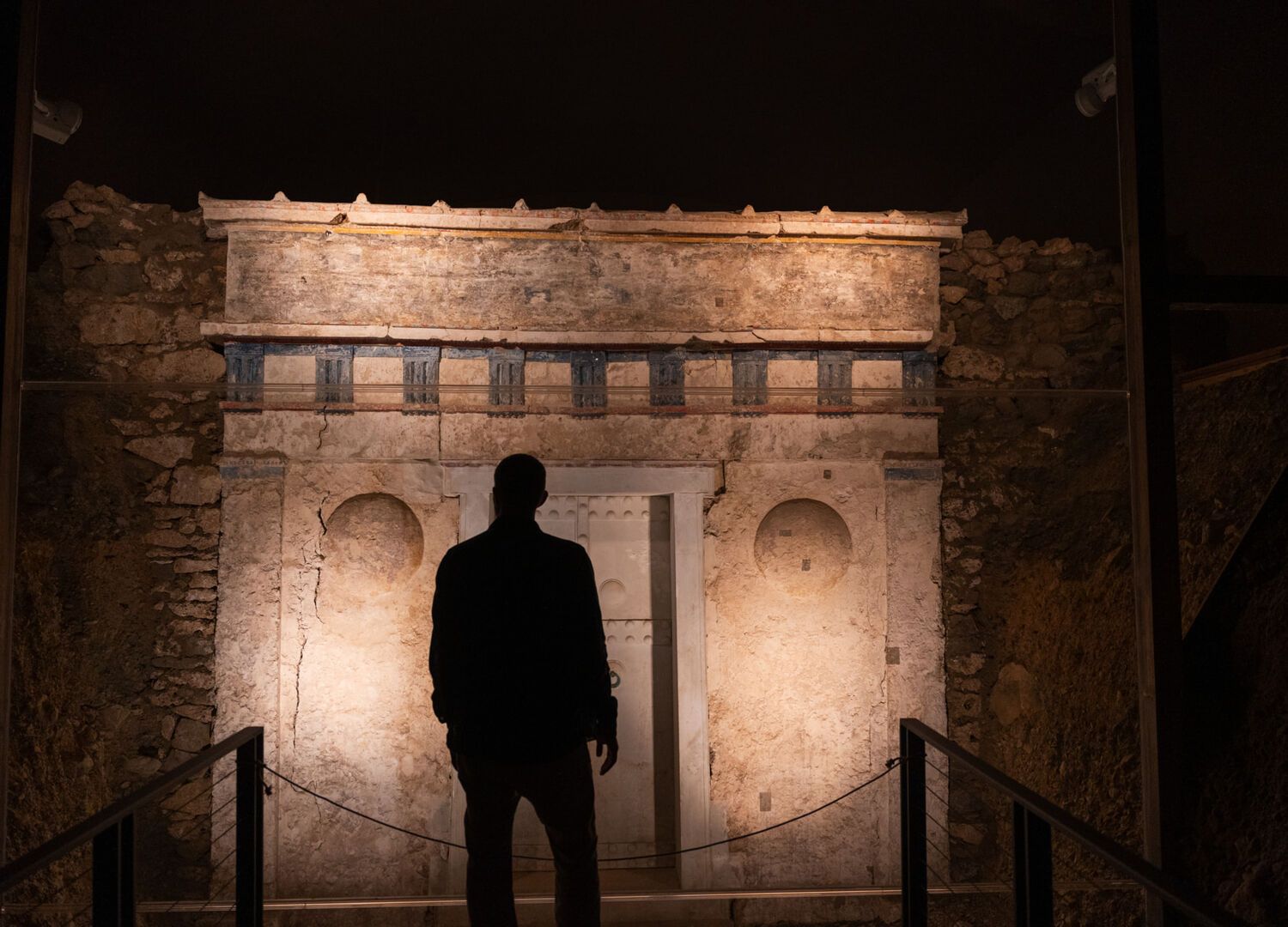
Your day begins at the Central Museum of the Polycentric Museum of Aigai, a striking exhibition space designed as the gateway to the archaeological site. Highlights include artefacts from daily life, weapons, jewellery and religious offerings, along with sculptures and a rare statue of Queen Eurydice, Philip II’s mother. Most impressive is the reconstructed upper facade of the Palace of Aigai and it sets you up perfectly to explore the Museum of the Royal Tombs, a grass-covered tumulus containing the tombs of Philip II and other royal family members. Standout exhibits within the tomb include Philip’s ceremonial armour and the golden larnax, emblazoned with the Macedonian sun symbol, which contained the king’s remains. The surrounding area contains hundreds of other royal tombs.
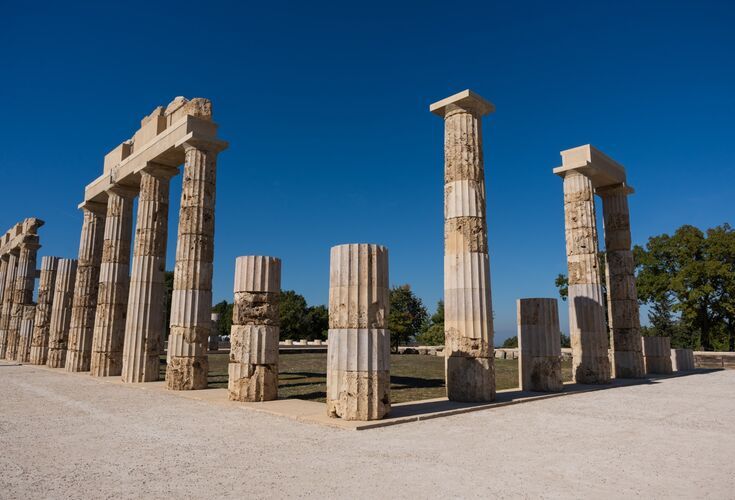
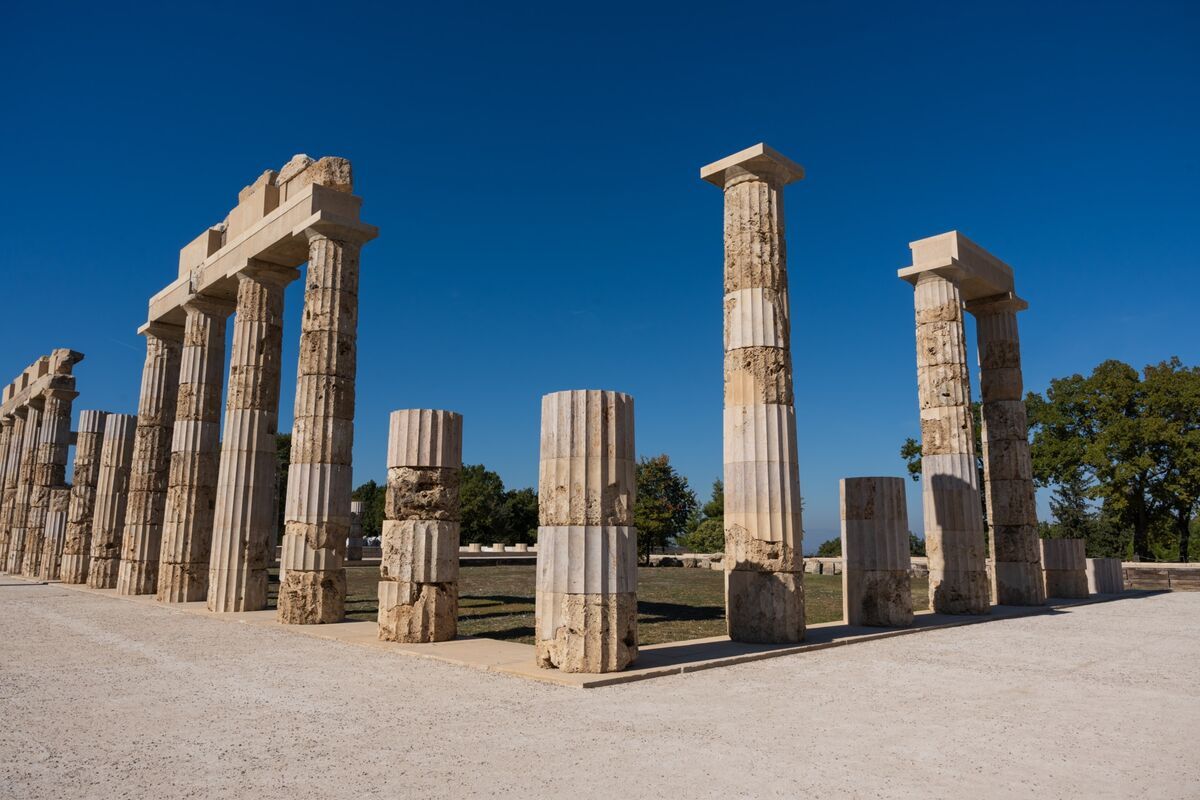
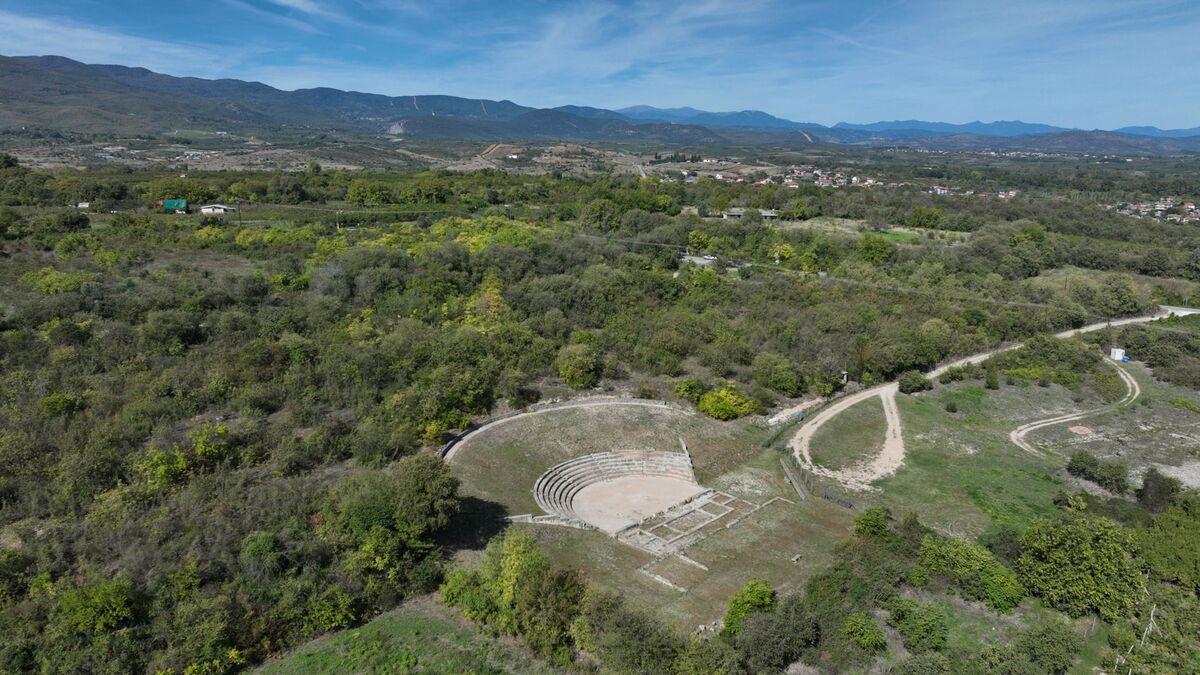
Next, you explore the remains of the monumental Palace of Aigai, one of the most significant buildings of classical Greece and a powerful symbol of ancient Macedonian authority. Built by Philip II in the 4th century BC, it was three times the size of the Parthenon and served as a royal residence, administrative centre and ceremonial hub. Set on a hill around 1km from the museum buildings, the palace is part of the Polycentric Museum of Aigai. Recently restored in parts, it reveals grand courtyards, Doric colonnades, painted walls and mosaic floors, including mythological scenes such as the Abduction of Europa. Its scale and innovation set the standard for royal palaces for centuries. This is where Alexander the Great was declared king following the assassination of his father in 336 BC, at the nearby Ancient Theatre, during the wedding celebrations of his daughter, Cleopatra. The theatre, partly set into the hillside below the palace, could seat several thousand spectators and was used for both political and ceremonial gatherings.
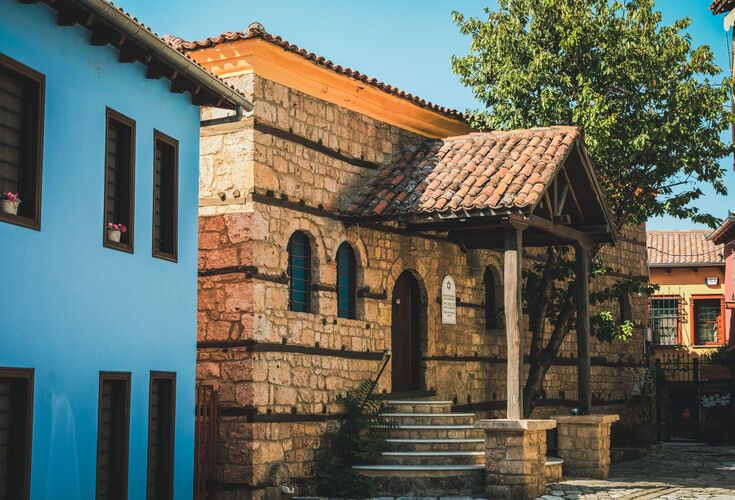
You end the day in the small city of Veria, founded in the 5th century BC but best known today for its Byzantine legacy. Dozens of churches from the 11th–14th centuries testify to its importance as a major centre of the Byzantine Empire. The city’s Jewish quarter (named Barbouta, after a nearby fountain) dates to the 1850s, and you’ll find a beautifully decorated synagogue by the Tripotamos River. In the Kyriotissa district, narrow alleyways reveal two-storey houses with overhanging upper floors, a hallmark of Macedonian architecture. A visit to the Archaeological Museum of Veria adds further insight, with sculptures, inscriptions, mosaics and everyday objects from the ancient city and wider Imathia region. The traditional tavernas and cafés along the river are the perfect place to round off the day.
You begin the day with a short drive from Veria to the archaeological site of Mieza, once a centre of learning for the young Alexander the Great. After exploring its ancient theatre and richly decorated tombs, you continue to Naoussa, a charming town known for its Xinomavro wines and riverside setting.
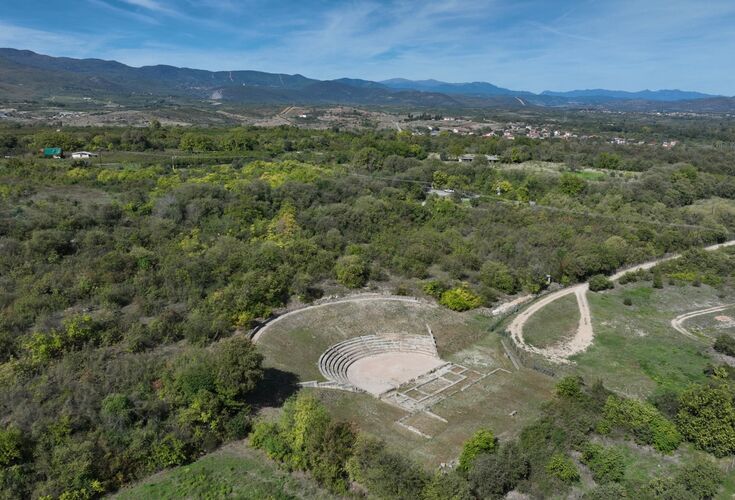
The archaeological site of Mieza is a place of deep cultural and historical resonance. Best known as the location where Aristotle is believed to have taught Alexander the Great, Mieza was also a thriving Macedonian city. The ancient theatre, carved into the hillside, offers a serene and evocative setting surrounded by nature. Equally impressive are the Macedonian tombs of Judgment (Krisis) and of Anthemius, with well-preserved architectural features and vivid wall paintings depicting mythological and funerary scenes. The tombs offer a moving insight into the beliefs and artistry of the ancient Macedonians. As you walk among the ruins, it’s easy to imagine the intellectual and cultural life that once flourished here.
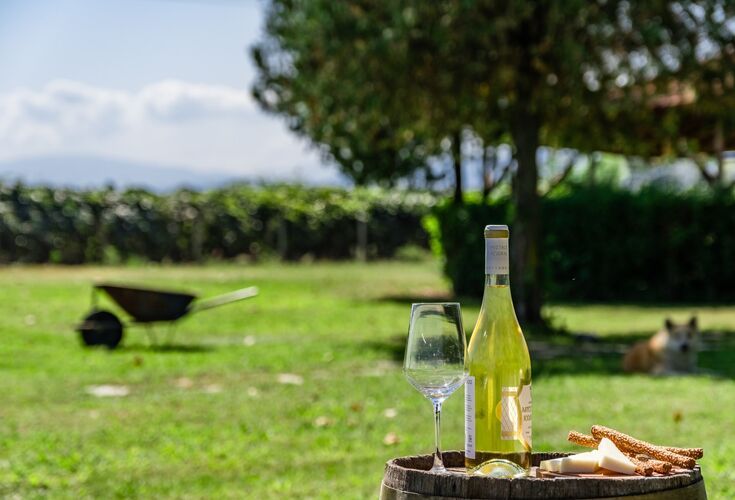
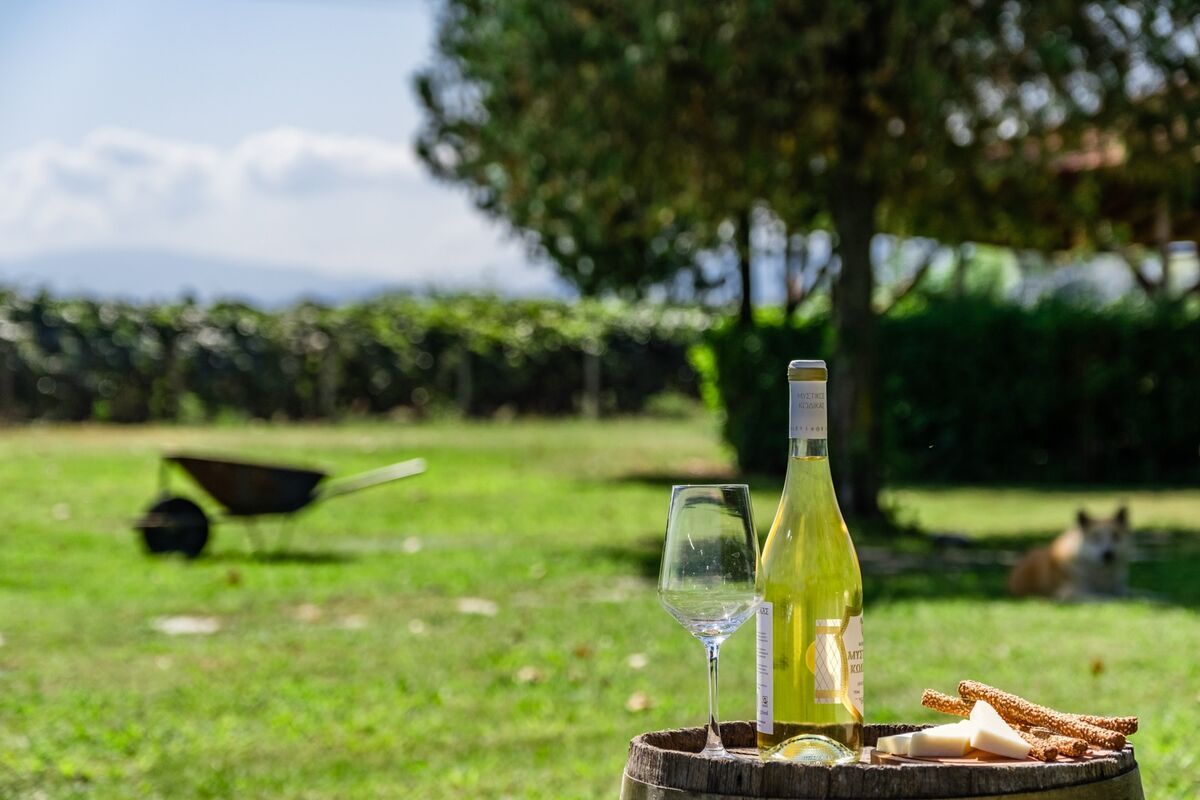
No visit to Naoussa is complete without discovering its first-class wines. The region is famed for its Xinomavro grape variety, producing complex, full-bodied reds. As part of the Wine Route of Northern Greece, the Naoussa Wine Route includes numerous local wineries under the PDO Naoussa designation. Many offer tastings, vineyard tours and a warm welcome from passionate winemakers. After your winery visit, enjoy strolling around Naoussa, set on the banks of the Arapitsa River. The town is home to 19th-century textile mills and neighbourhoods like Alonia and Pouliana, which showcase classic Macedonian architecture. The History and Folklore Museum offers more insight into Naoussa’s rich traditions, from winemaking to revolutionary history.
Your fourth day takes you to the capital of ancient Macedonia. Pella is best known as the birthplace of Alexander the Great, eventually replacing Aigai as the site of the kingdom’s principal palace and city. Your day ends in waterfall-filled Edessa.
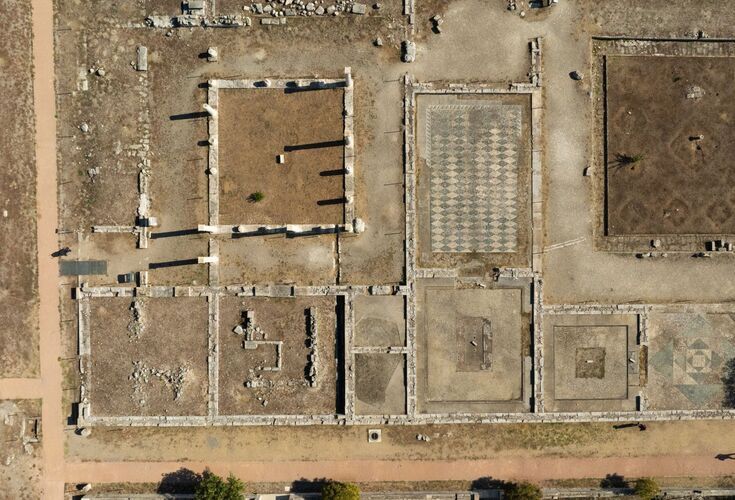
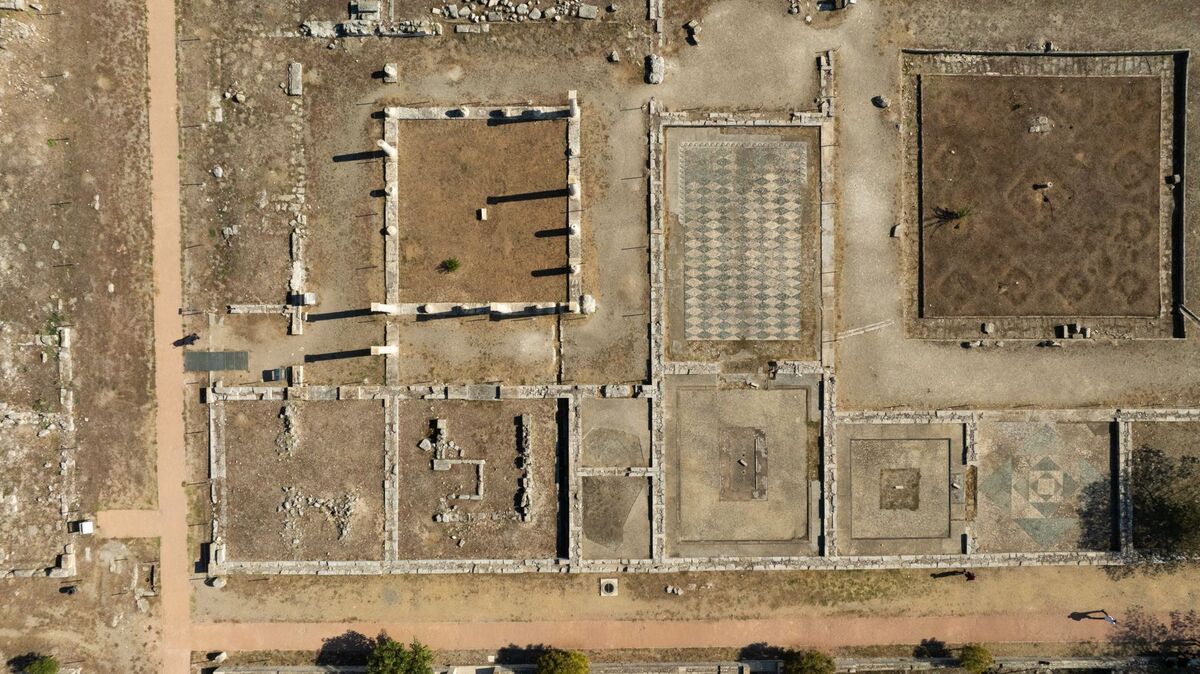
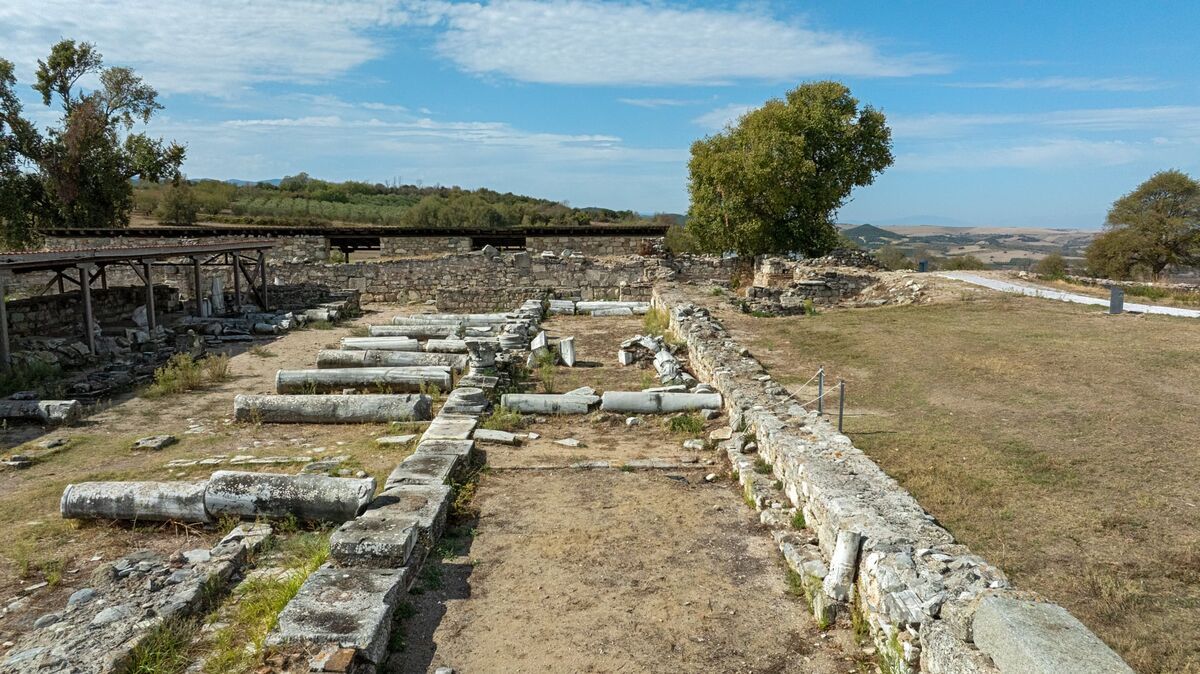
While only the ground-level remains of the palatial complex and surrounding buildings survive, the scale and ambition of ancient Pella are unmistakable. It was far more than a royal palace: with its agora, public and private buildings, it became the political, economic and cultural heart of Macedonia. The city followed a Hippodamian grid plan of blocks and paved streets and had a sophisticated water supply and sewerage system. And Pella knew all about the finer things in life, with Doric and Ionian embellishments to buildings and the floors of the richest houses being decorated with mosaics.
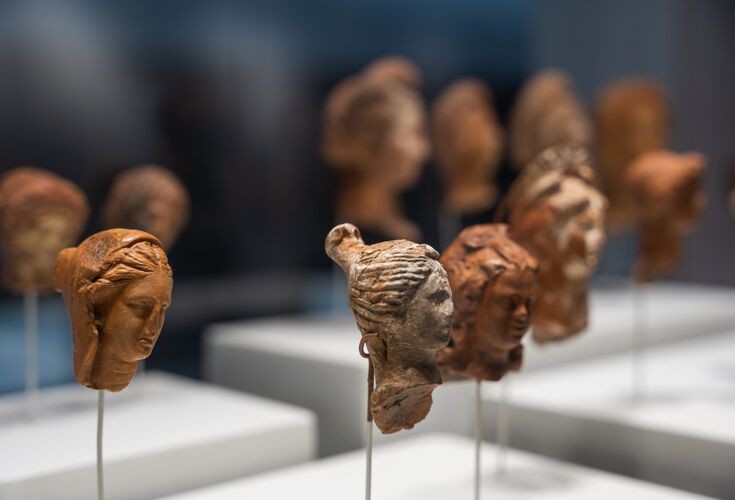
Completing your tour of ancient Pella is the onsite museum housing many of the artefacts from the city’s heyday. The standout exhibits are a marble head of Alexander the Great and artefacts shedding light on daily life in antiquity, including a collection of intricate floor mosaics and 5m-tall wall decorations. There are also fascinating artefacts from the agora and burial treasures, as well as depictions of the palace revealing a layout of great sophistication and artistry.
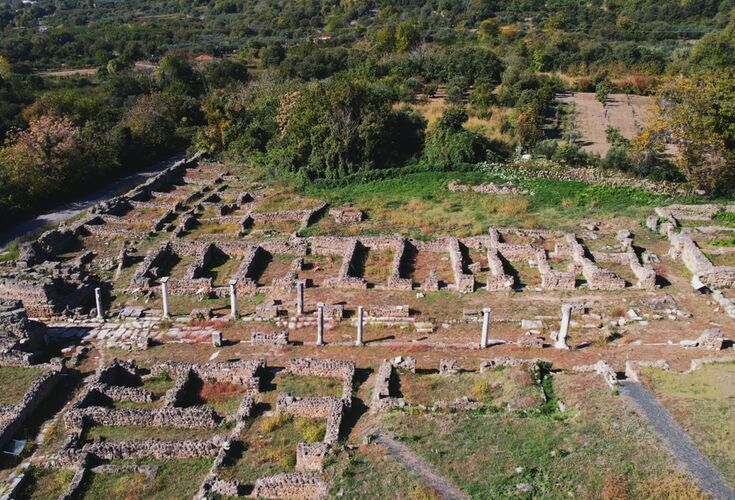
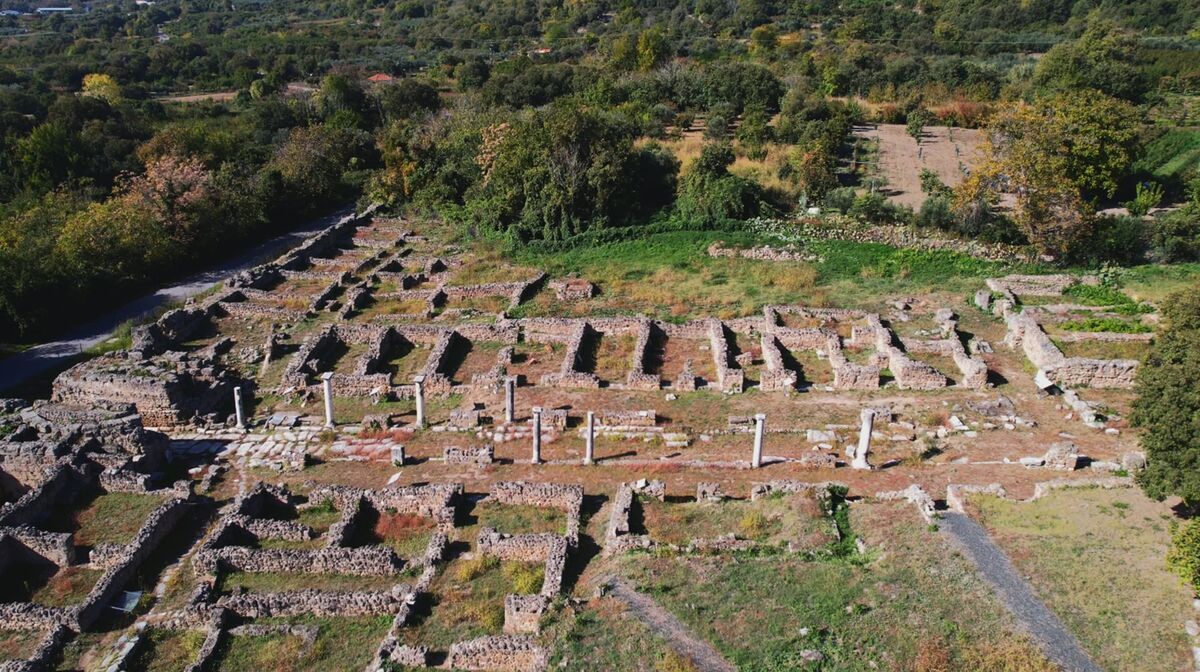
Just before arriving at Edessa, you stop at the lesser-known Archaeological Site of Longos, at the foot of Edessa’s acropolis. Once part of the Lower City of ancient Edessa, Longos was a thriving urban centre from the late 4th century BC, featuring a well-organised city plan with paved streets, public buildings, workshops and homes. Fortification walls, towers and gates testify to its strategic importance, while an advanced irrigation and drainage system highlights the role of water in shaping daily life. The site remained active into early Christian times before being gradually abandoned in the 7th century AD, as the population relocated to the fortified acropolis above.
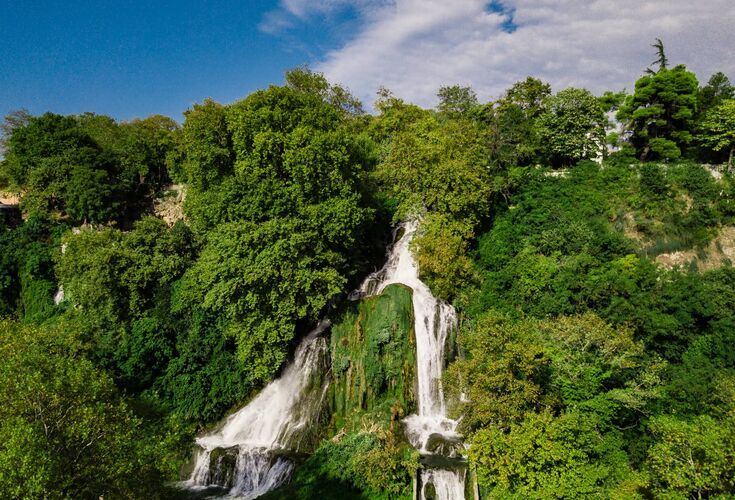
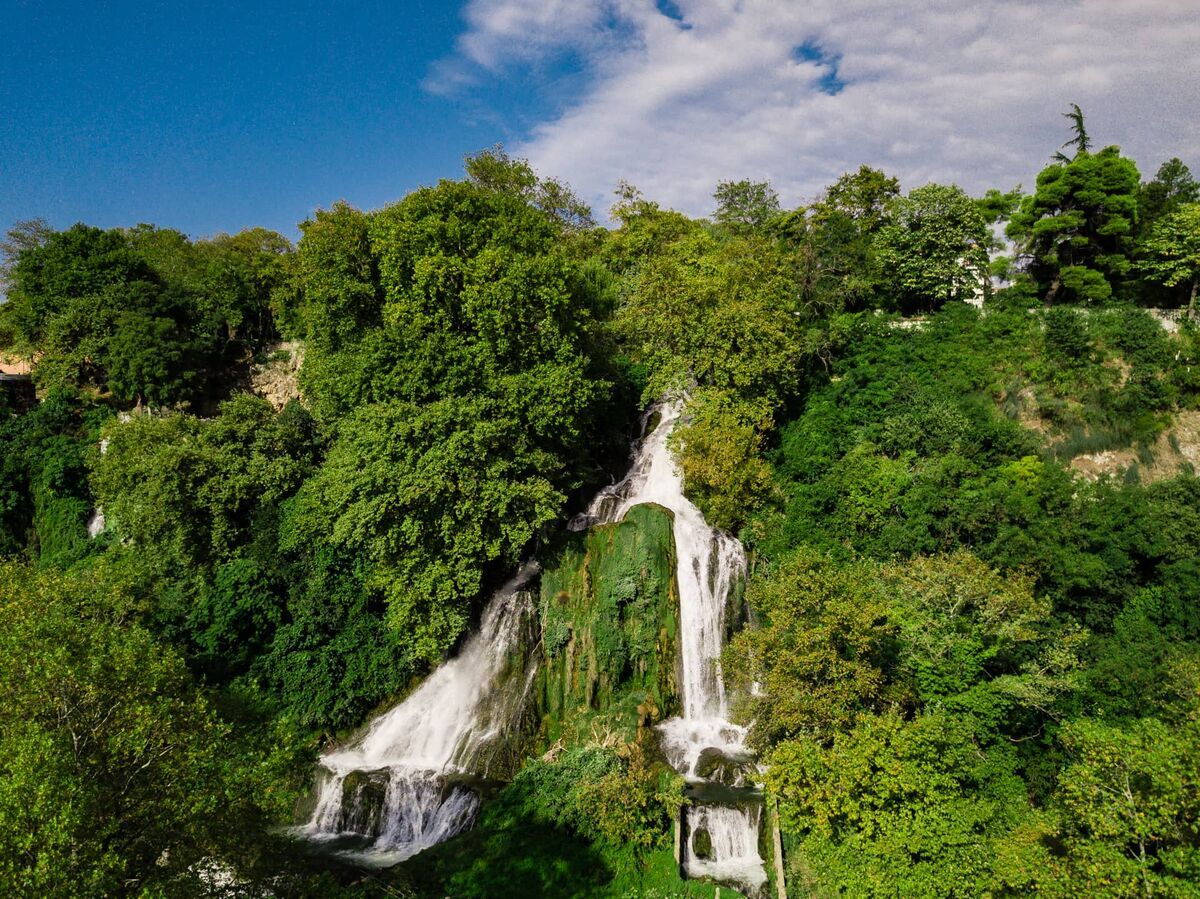
Edessa is Greece’s city of waterfalls. You can hear them before you see them, especially the 70m-tall Karanos Waterfall (which has a footpath that takes you behind a thunderous curtain of water). There’s an Open Air Water Museum, where you can learn about Edessa’s once-prosperous water-powered textile industry, and a Folklore Museum. And your day ends in Varosi – a Christian district during Ottoman rule, with restored two-storey traditional Macedonian houses – at a tsipouradiko (meze restaurant) or taverna.
You head back to Thessaloniki today. One day is barely enough to do justice to this fascinating city, so feel free to extend your stay. But you’re about to discover everything this fantastic city offers in terms of cultural wealth. Just be sure to make time to enjoy the famous food and nightlife scene. After all, culture comes in many forms.
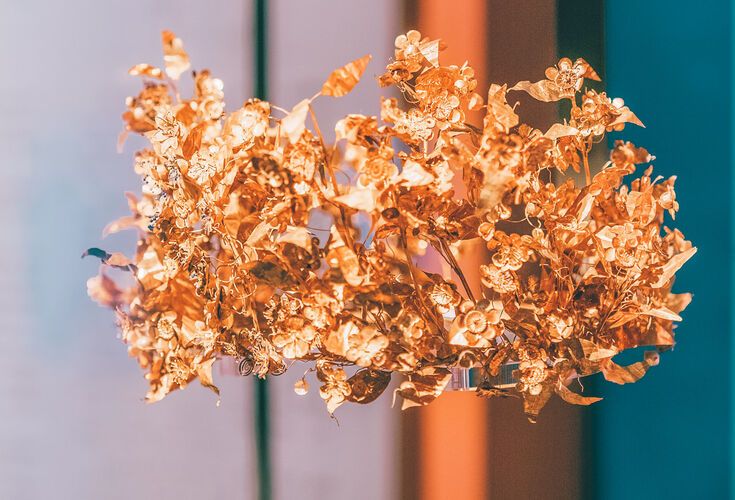
Delve even deeper into Macedonian history at Thessaloniki’s Archaeological Museum. The Petralona Hoard of bronze tools dates back to the 3rd millennium BC, and the collection traces the region’s evolution from an early kingdom to Thessaloniki’s role as a seat of the eastern Roman Empire. Don’t miss the craftsmanship of the Macedonian tomb of Agia Paraskevi and the intricate gold wreaths that symbolise the artistry of ancient Macedon.
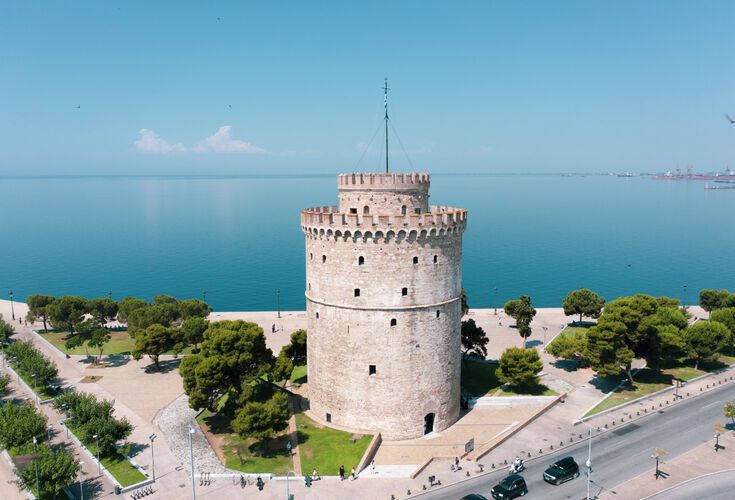
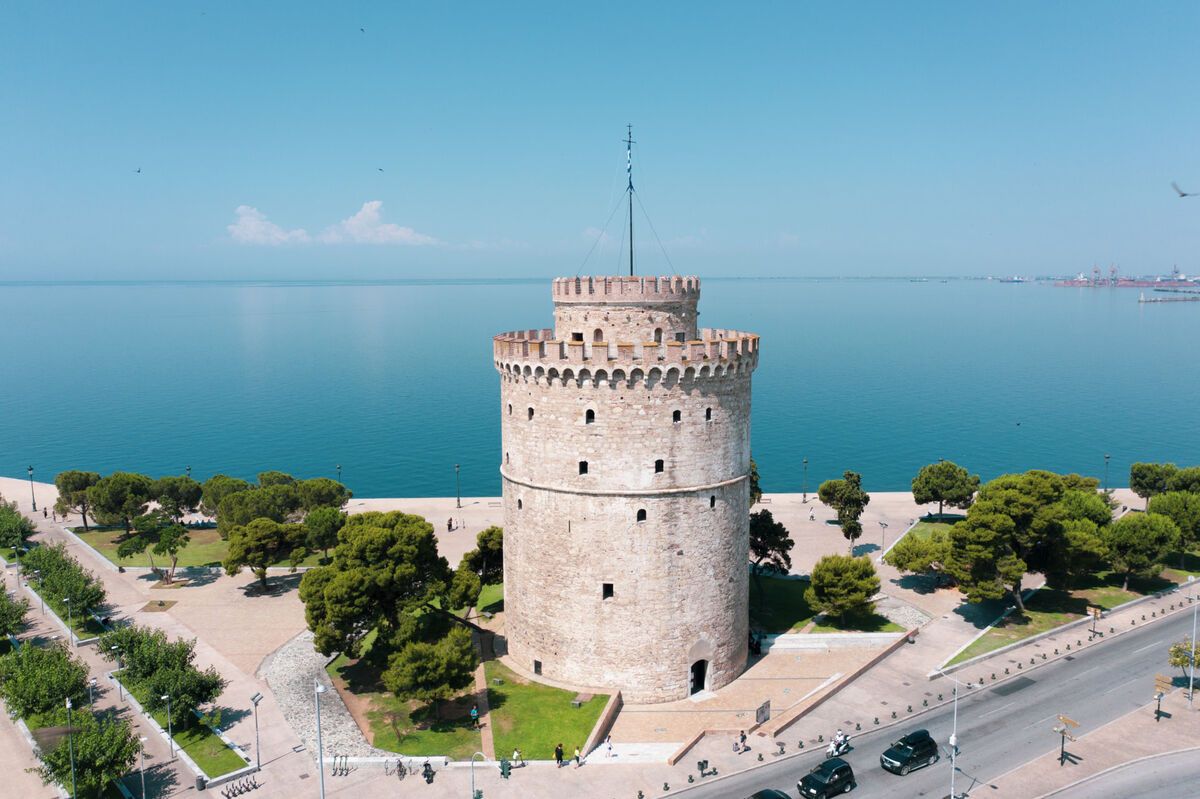
Time to step into the streets of Thessaloniki, where every corner reveals a layer of history. Start at the Museum of the White Tower and the nearby statue of Alexander the Great. From the Galerian Complex (including the Arch of Galerius, Octagon, Apsidal Hall and UNESCO-listed Rotunda) to the Roman agora, the city's Roman past is ever-present. Walking around the city is like taking an open sights tour. Byzantine heritage is reflected in churches such as Hagia Sophia and Agios Dimitrios, both UNESCO World Heritage Sites, while Ottoman-era villas and the Bezesteni Market add yet another cultural thread.
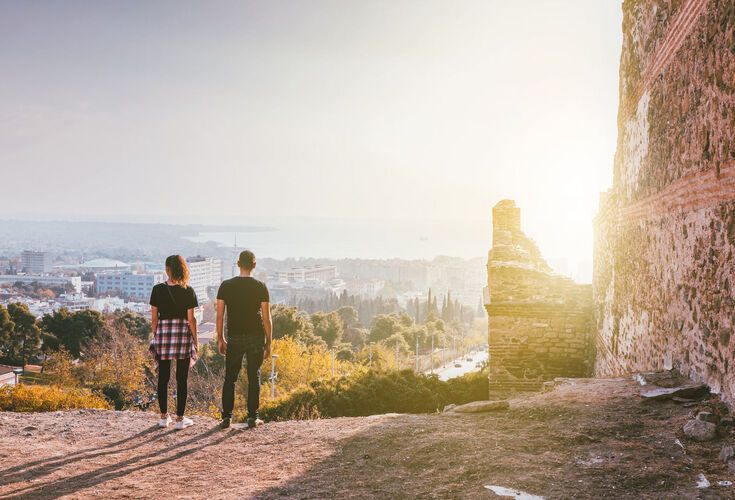
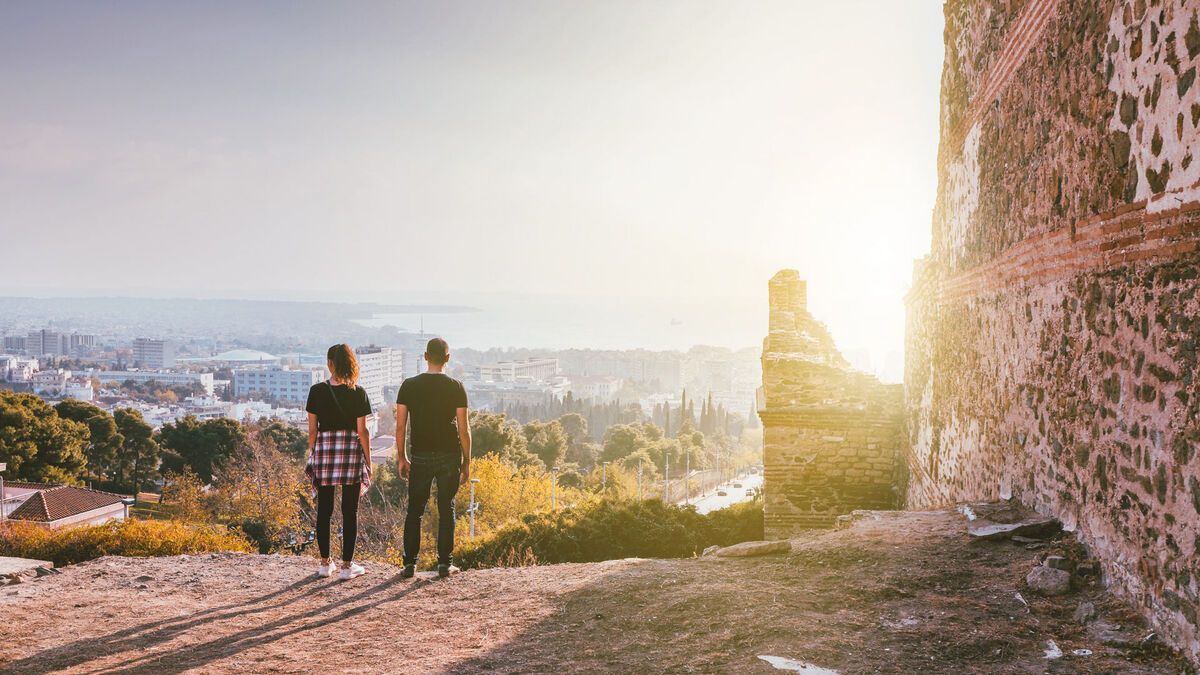
Your day ends in Ano Poli, Thessaloniki’s Upper Town. This atmospheric hilltop district is full of hidden gems, from the Byzantine church of Hosios David (with its vibrant murals) to the Vlatadon Monastery, both UNESCO-protected. The Ottoman-era Pasha’s Gardens are also worth a detour. But the highlight is the network of Byzantine towers and fortifications known as the Kastra (Castles), including the Heptapyrgion and Trigoniou Tower, which offer sweeping views over the Thermaic Gulf. Round off your day in a traditional taverna, ideally with a terrace view.
Today, you drive deep into central Halkidiki, exploring two of the region’s most important archaeological sites, each revealing a different chapter of classical Macedonian history. Your journey ends in the mountain village of Arnea, where you’ll enjoy a taste of traditional Halkidiki village life.
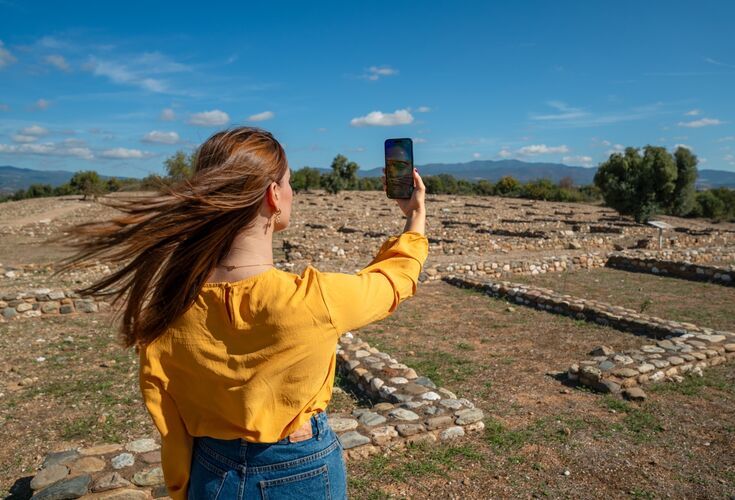
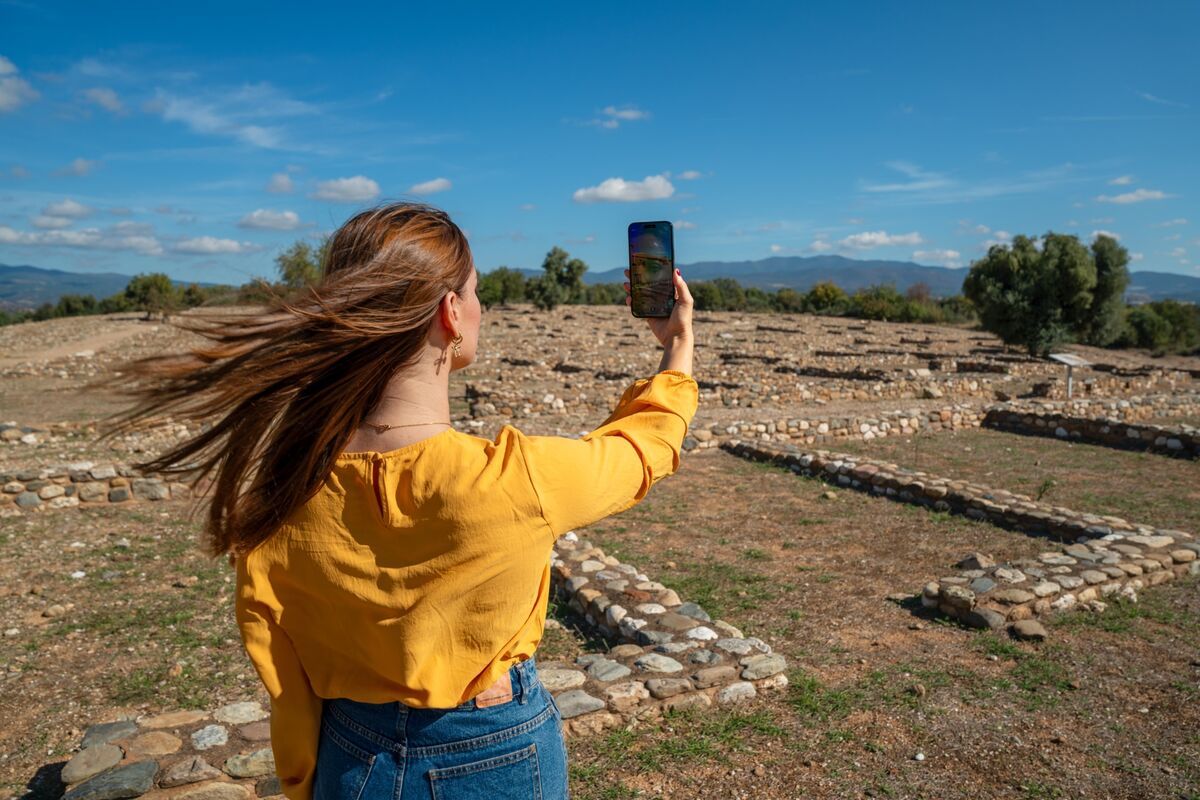
Your day begins at the archaeological site of Ancient Olynthos, once the leading city of the Chalcidian League before its destruction by Philip II in 348 BC. Built on two hills by the Toroneos Gulf, it displays one of the best-preserved examples of Hippodamian urban planning, with houses arranged in a grid system and many featuring mosaics and two storeys. You can clearly make out streets, workshops and homes as you walk the site, while the surrounding views add to the sense of scale. An on-site audio-visual centre brings the city’s story to life, from excavation to social customs.
A short drive north brings you to the archaeological site of Ancient Akanthos, once a powerful city-state on the northeastern coast of Halkidiki. Founded in the 7th century BC by colonists from Andros, Akanthos grew wealthy through trade, shipbuilding and nearby silver mines. It minted its own coins and played a key role in the shifting alliances and conflicts of classical antiquity. Its remains are spread over a hill above modern Ierissos and include sections of fortification walls, house foundations, public buildings and one of the largest cemeteries in northern Greece. Many of the artefacts uncovered here, including ceramics, tools and jewellery, can be viewed in the Archaeological Museum of Polygyros.
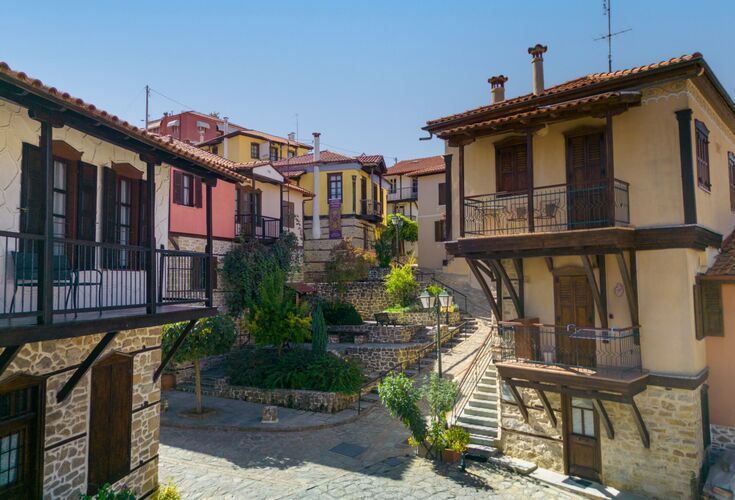
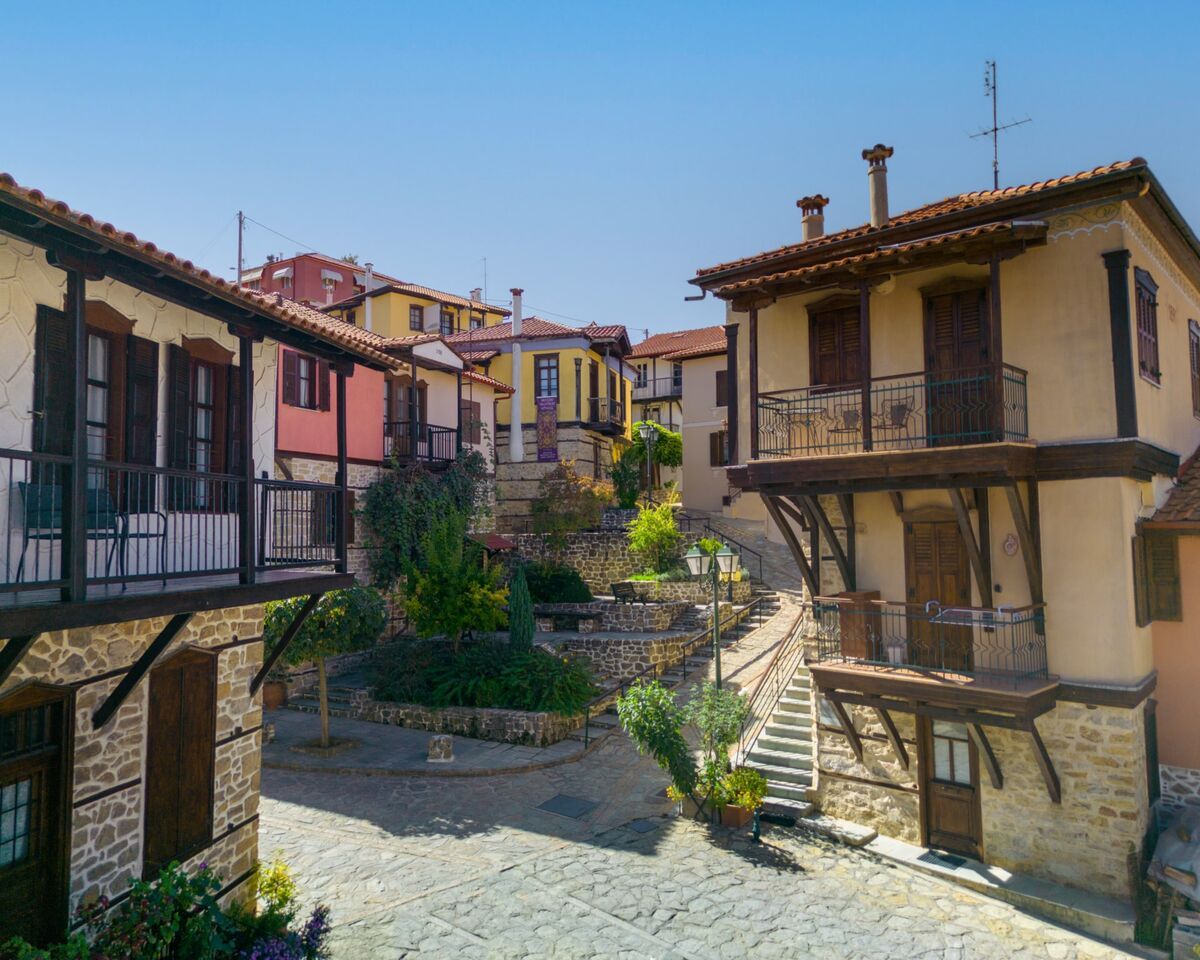
Your day ends in the mountain village of Arnea, nestled at the foot of Mount Holomontas and known for its cobblestone streets, Macedonian architecture and deeply rooted traditions. At 600 metres above sea level, it enjoys a cool, pine-scented atmosphere that adds to its charm in every season. Wandering through the village, you’ll find the Weaving Museum and Folklore Museum, housed in restored 18th- and 19th-century buildings. End your day in a traditional taverna, where local dishes, wines and a glass of tsipouro bring the flavours of mountainous Halkidiki to life.
Your final day includes two more landmark cultural sites of ancient Macedonia: Amphipolis and Stagira, the birthplace of the philosopher Aristotle. Your reward for reaching the eastern coast is to relax on the beach and enjoy a final seafood meal by the sea before returning to Thessaloniki.
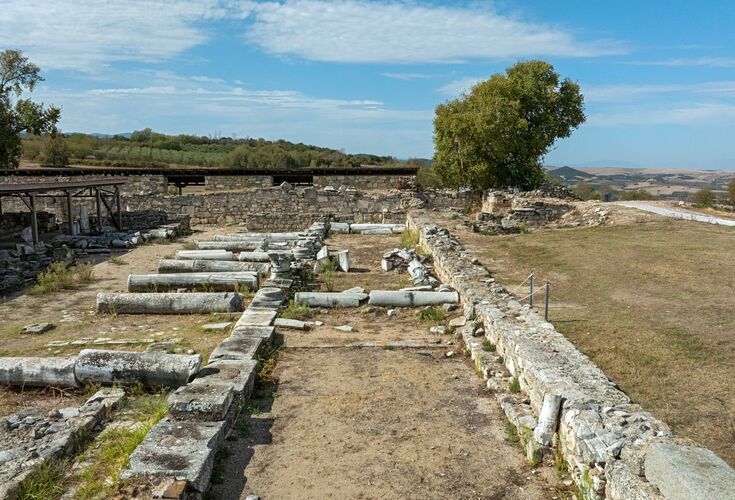
Once a wealthy city of strategic importance, Amphipolis played a key role in the ancient Macedonian kingdom and later served as a base for Alexander the Great during his Persian campaign. Located by the Strymonas River, the site includes remains of fortification walls, houses, early Christian basilicas and part of a Roman bridge. The nearby museum brings the city’s history to life through sculptures, inscriptions, jewellery and daily-use items from the Archaic to Byzantine periods. Highlights include finds from the nearby Kasta Tomb, particularly a striking mosaic and sphinx sculptures, thought to belong to one of the most important burial monuments of the ancient world.
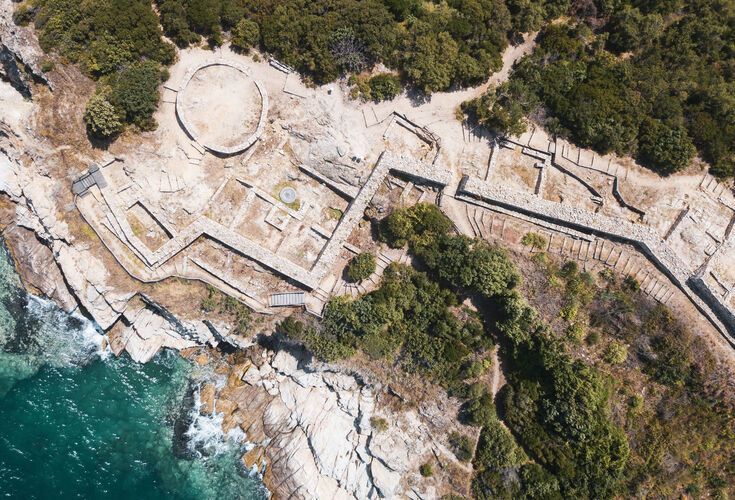
The ancient city of Stagira was founded in the 7th century BC, with Aristotle being born here three centuries later. Regarded as one of the greatest thinkers in history, Aristotle laid the foundations of Western philosophy and science, influencing fields as diverse as logic, ethics, biology and politics. The archaeological site also includes walls from the Byzantine period, showing that Stagira remained significant long after Aristotle’s time. Also worth visiting is nearby Aristotle’s Park, where interactive instruments such as a prism, optical discs, compass, sundial, parabolic reflectors and wind turbines let you explore the natural phenomena described by Aristotle.
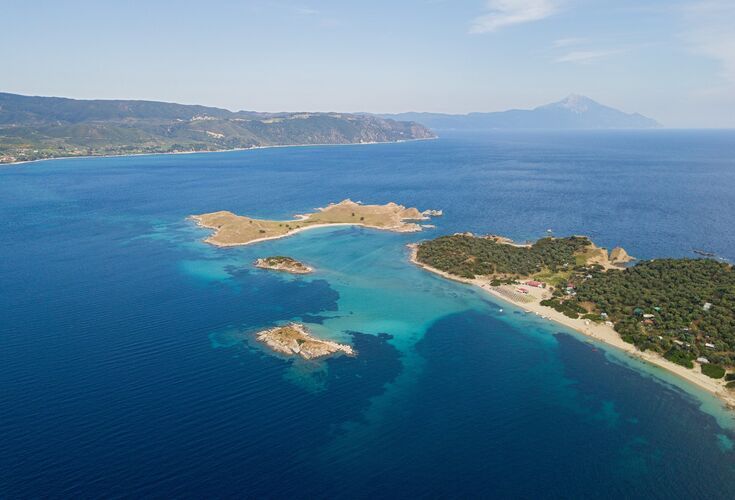
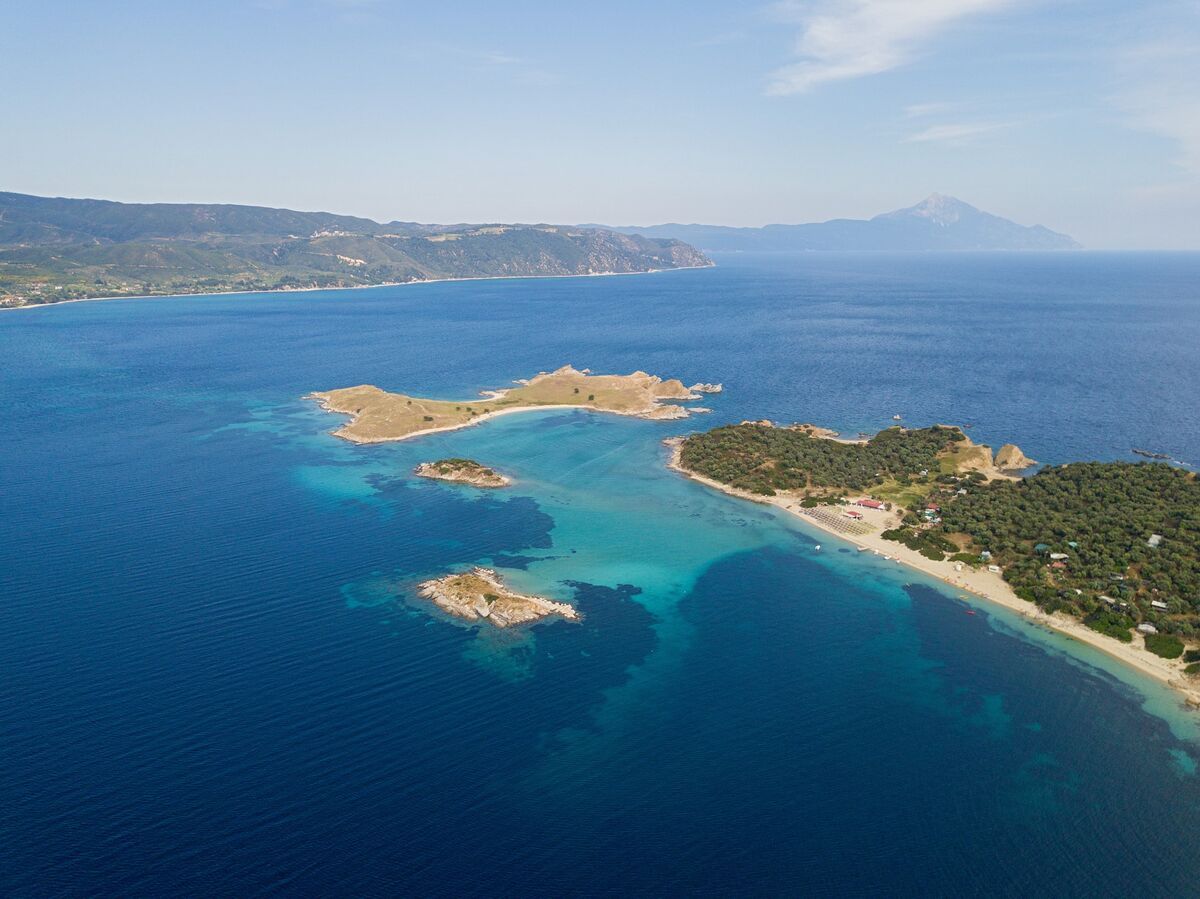
With all that culture under your belt, the rest of your day is spent on the beach. Just by Ancient Stagira is Olympiada beach, a generous stretch of sand with facilities and waterfront tavernas. A more intimate cove, around 5km away, is Gourgourou beach, with a beach bar and the same blue-green water. If you prefer to skip the cultural visits, or have an extra day, you can also visit Ammouliani, Halkidiki’s only inhabited island. It’s just two nautical miles from the mainland and boats leave throughout the day from Tripiti (40km from Ancient Stagira). It has fantastic beaches of its own and, from there, you can take a boat trip to the exotic Drenia isles. Otherwise, it’s time to head back to Thessaloniki.
We hope you’ve enjoyed your journey through the landmarks of the ancient Macedonian kingdom. Some highlights are too big to miss, but don’t hesitate to tailor your itinerary to your interests and time in Greece. And feel free to add any of the other wonderful experiences of northern Greece to your adventure.
Share a few details about the trip you have in mind. We’ll connect you with a vetted Travel Specialist who’ll typically reply within 24 hours (Monday-Friday).
You’ll work one-to-one with the specialist to refine the route, pace, accommodation and experiences, and add any local tips or activities you’re interested in.
Once you’re happy with the schedule and inclusions, your Travel Specialist prepares the final trip plan and takes care of the booking for you.
Yes. It introduces you to the most important sites of Ancient Macedonia, from royal tombs and sanctuaries to the birthplace of Aristotle, while also giving you time to enjoy modern Thessaloniki.
Yes. A car is essential for reaching archaeological sites such as Dion, Aigai, Pella and Ancient Stagira, and for moving easily between towns.
You’ll stay in a different place most nights, typically Litochoro, Veria, Edessa and Thessaloniki, keeping driving distances limited and allowing you to explore each area at a relaxed pace.
Spring and autumn are ideal for comfortable sightseeing and pleasant weather. Summer is also a good option if you want to combine the itinerary with beach time in Halkidiki.
Yes, especially for families with older children or teenagers who enjoy history. Distances are manageable and most sites have museums or outdoor areas that are easy to explore.
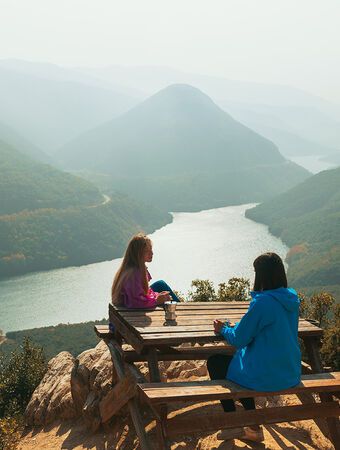
Absolutely. Litochoro is the gateway to Mount Olympus and Edessa has walking paths around its waterfalls. The area around Dion also has short nature trails.
Yes. You can condense it into 3–4 days by skipping one stop or extend it with extra nights in Thessaloniki or Halkidiki. A Travel Specialist can help adjust the route to your interests.