

What is Lefkada best known for?
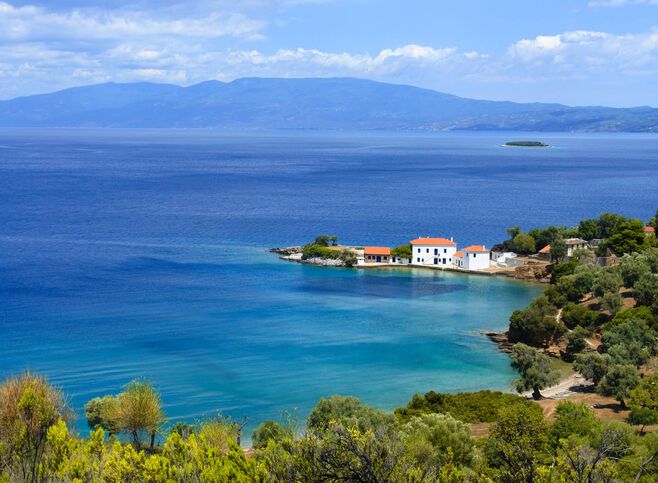
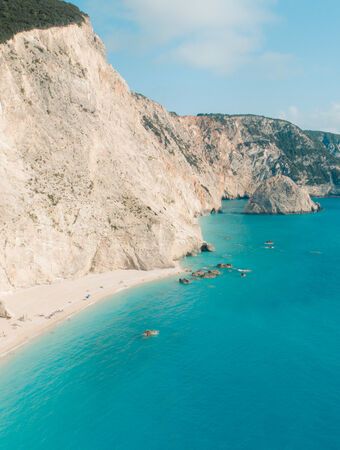
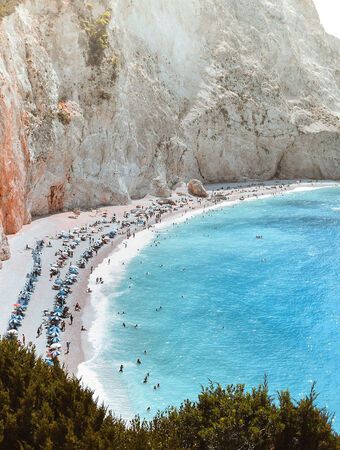
Lefkada – or Lefkas – is celebrated for some of the most beautiful beaches in the Mediterranean, with towering white cliffs and Caribbean-blue water that have made it a favourite for photographers and travellers. Beaches like Porto Katsiki, Egremni and Kathisma regularly feature in lists of the most beautiful beaches in Greece.
It is also famous for its windsurfing and kitesurfing, thanks to steady summer winds and long, open bays that draw enthusiasts from around the world, and it is a popular base for island-hopping in the Ionian Sea.
The only Ionian island you can reach directly by car, Lefkada is connected to the mainland by a short bridge and its capital, Lefkada town, is known for its pastel-coloured houses and lively atmosphere. It also has a quieter side in its mountain villages, where traditional life endures and Ionian cuisine can be enjoyed in family-run tavernas.
What to do in Lefkada
Holidays in Lefkada begin in the main town, just across the floating bridge, where you are greeted by the Castle of Agia Mavra, built by the Franks in the 13th century and later fortified by the Venetians. The colourful houses and lively shops and cafes and the sailing boats in the marina create a cosmopolitan yet relaxed atmosphere.
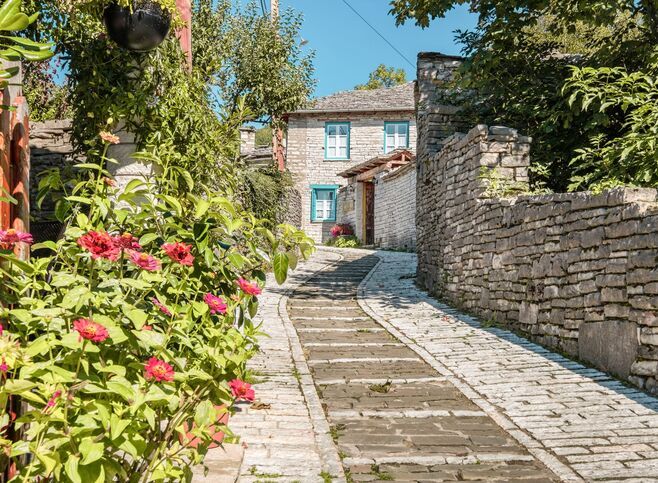
The traditional villages of Lefkada include Karya, known for its embroidery, and Eglouvi, in the heart of the island. Further south, Syvros and Vournikas charm with stone houses and Exanthia, high above the west coast, rewards visitors with spectacular sunset views. Meanwhile, Kalamitsi is built amphitheatrically on the slopes above the sea, close to some of Lefkada’s best-known beaches on the west coast.
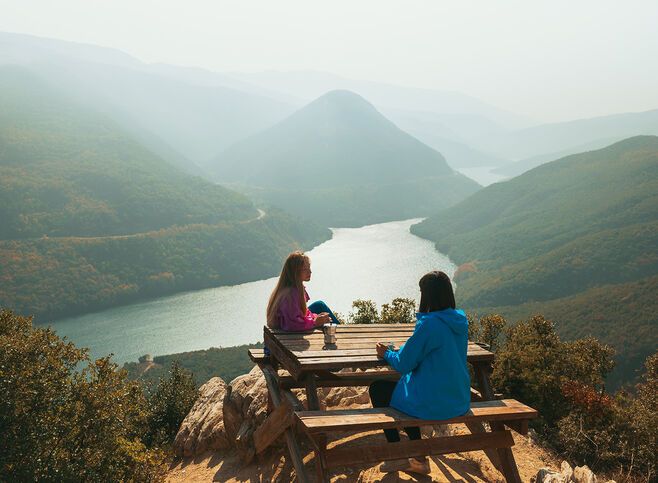
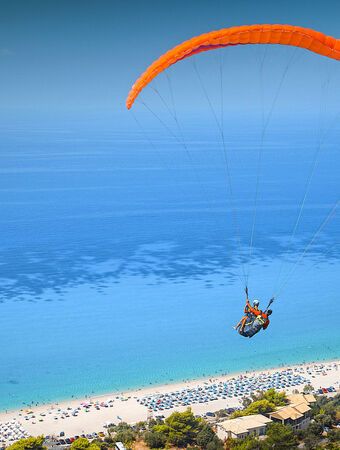
There are countless ways to explore Lefkada’s green, hilly interior, where former shepherd’s trails connect mountain villages. Popular hiking routes include the trail from Dimossari Gorge to the Nydri Waterfalls, the Eglouvi to Agios Donatos loop, which passes the island’s famous lentil fields, and the Springs Trail around Syvros and Vournikas. There is also an Ancient Paths route that leads from the Monastery of Evangelistria (Kokkini Ekklisia). For more adventure, try paragliding over Kathismabeach or horseback riding through olive groves.
The Faneromeni Monastery overlooks Lefkada Town from a pine-covered hill and houses a small museum that preserves treasured icons and artefacts. For a deeper connection to local life, the Fabbrica Olive Museum in Syvros showcases the island’s olive oil tradition, and there are farms offering cooking classes and olive oil tastings. A handful of wineries also welcome visitors, using native and European grape varieties.
Best Beaches in Lefkada
Lefkada’s dazzling white cliffs and blue-green waters have made some of its beaches world-famous, but there are plenty to choose from and each has its own personality – whether you’re looking for water sports, family fun or pure relaxation.
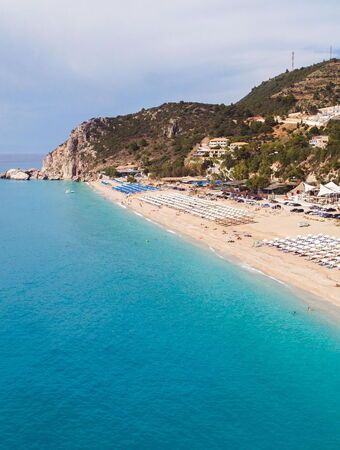
Porto Katsiki is Lefkada’s poster beach, backed by sheer white cliffs that plunge into the sea and reached by steps cut into the rock. Nearby Egremni is another showstopper, a long stretch of sand beneath towering cliffs that feel completely removed from the world. And Kathisma, with its lively beach bars and beauty sunsets, perfectly blends natural beauty with comfort.
The most famous windsurfing and kitesurfing beaches include Vassiliki, on the south coast, thanks to the steady afternoon winds, and Agios Ioannis, near Lefkada Town, whose shallow waters and dependable breeze fill the horizon with colourful sails.
Other beaches worth discovering include Milos, accessible by path or boat from Agios Nikitas and known for its wild beauty, and Pefkoulia, shaded by pines that reach the shore. On the calmer east coast, Ammoussa and Mikros Gialos are family favourites with crystal-clear waters. Other highlights include Avali, Agiofili and Megali Petra, which – like all the beaches on the west coast – offer unforgettable sunsets that mark not just the most beautiful, but also the quietest moments of the day.
Best time to visit Lefkada
Lefkada is at its busiest in July and August, when the beaches and resorts are full of energy and the sea is at its warmest. This is the most popular time for swimming, sunbathing and water sports, and settlements like Lefkada town, Nydri and Vassiliki are at their liveliest. For a more relaxed experience, the quieter months of May-June and September-October are ideal. The weather is still warm, the sea remains inviting and the island is calmer – perfect for hiking, sightseeing and exploring the mountain villages at your own pace. Windsurfing and kitesurfing conditions are excellent throughout this period, especially in Vassiliki and Agios Ioannis, where the steady summer winds continue into early autumn.
In spring (April-May), the countryside is at its greenest, with wildflowers in bloom and cooler temperatures for walking or cycling. Lefkada's easy road access means it can be visited at any time of year – something few Greek islands can offer.
How to get to Lefkada
Lefkada is the only Ionian island connected to the mainland by a bridge, making it easy to reach by car without a ferry.
By air: The nearest airport is Aktio/Preveza Airport, located about 20 km (25 minutes) from Lefkada Town. It receives domestic flights from a selection of Greek mainland and island destinations and direct international flights from European cities during the summer holiday season. From the airport, you can hire a car, take a taxi or use a transfer service to reach the island.
By road: Lefkada is easily accessible by car or bus from major Greek cities. From Athens, the drive is approximately 360 km (5 hours), via the Rio-Antirrio Bridge and the coastal route through Amfilochia. From Thessaloniki, it is about 370 km (4.5 hours) via Ioannina and the Egnatia Odos motorway. Intercity KTEL buses connect Lefkada with Athens, Thessaloniki and Patras several times a week, offering a convenient option for those not driving.
Island hopping from Lefkada
Lefkada is well situated for island hopping in the Ionian Sea. With its modern marina in the main town and boat connections from Nydri on the east coast and Vassiliki in the south, it is easy to explore the islands nearby, each offering a different mood and rhythm of life.
Just across the water, Meganisi is the closest island to Lefkada and the most popular for a day trip. Only a short boat ride from Nydri, it charms visitors with tranquil beaches, sea caves and the authentic character of its villages. Many day cruises also stop at Kalamos and Kastos and pass by Skorpios – the private island once owned by Aristotle Onassis – and Madouri.
From Nydri, you can also take seasonal ferries to Kefalonia (Fiskardo) and Ithaca (Frikes and Kioni). Kefalonia impresses with its mountain landscapes, caves and beaches like Myrtos, while Ithaca offers a peaceful escape with walking paths, quiet villages and hidden coves.
Private boat charters and small cruises from Lefkada allow you to combine several of these destinations, whether for a day trip or a longer Ionian itinerary.



Plan Your Lefkada Itinerary
Get AI-powered suggestions or work with expert travel specialists
Tours & Activities in Lefkada
Discover authentic local experiences and secure your bookings for activities and tours with our official online rates.
Kefalonia: Excursion to Melissani - Myrt...
Lefkada: Farm-to-Table Dining in a Farm
Corfu: Northwest Jeep Coastal Dreams & V...
From Kefalonia: Ithaca Exploration Full ...
Kefalonia North: Road Trip to Myrtos Bea...
Lefkada: Phyllo Pies Baking Class in a F...
Book your Ferry Now
Ferries to & from Lefkada
Find routes, ports & schedules - search below
Lefkada offers a wide range of accommodation options to suit every budget and style, from luxury resorts and seaside villas to family-run hotels. Lefkada Town is a great choice if you want easy access to shops, restaurants and nightlife, as well as the marina. Along the east coast, Nydri and Nikiana are popular with families and sailing enthusiasts, offering a mix of beachside hotels and apartments close to tavernas and small harbours.
On the west coast, Agios Nikitas and Kathisma combine easy access to some of Lefkada’s most famous beaches, while Vassiliki, in the south, is ideal for water sports lovers and also has excellent facilities for families. For peace and seclusion, inland mountain villages like Karya and Eglouvi offer traditional guesthouses surrounded by nature.
Lefkada’s cuisine is a delicious reflection of its Ionian character – simple, generous and deeply connected to the sea. Fresh seafood features prominently on many taverna menus, with squid, cuttlefish, eel, crab and sardines among the island’s favourites. You’ll also find specialities like avgotaracho (cod roe) and air-dried salami, both products with a long local tradition.
In the mountain village of Eglouvi, the famous lentils are still cultivated by hand in the plateau fields and form the base of hearty dishes served in tavernas across the island. Local cheeses, honey and olive oil add to the flavours, and Lefkada also produces its own wine, best enjoyed with seafood and meze.
Dining in Lefkada ranges from seaside tavernas to family-run restaurants in villages surrounded by olive groves. Whether you’re sharing grilled fish by the sea, sampling lentil soup in Eglouvi or enjoying a glass of wine at sunset, Lefkada’s food is all about freshness, local ingredients and warm hospitality.
The climate in Lefkada is typically Mediterranean, with hot, dry summers and mild winters. Sunshine is abundant from May to September, when average daytime temperatures range from 26°C to 33°C, making it perfect for swimming, sailing and outdoor activities. Cooling sea breezes help keep conditions comfortable, especially along the coast.
Spring and autumn are warm and pleasant, with temperatures between 18°C and 25°C, ideal for hiking, cycling and exploring the villages and countryside. The sea remains warm into October, so you can still enjoy beach days with fewer crowds.
Rainfall is rare in summer but increases between November and March, when the island turns green and quiet. Even then, Lefkada enjoys many sunny days, adding to its appeal as a year-round destination.
Lefkada is a safe and welcoming destination, known for its relaxed pace and friendly locals. As with any popular holiday spot, it’s sensible to take basic precautions – keep an eye on your belongings in busy areas and avoid leaving valuables unattended on the beach. Solo travellers will find the island easy to get around and comfortable to explore independently, both in the towns and the countryside.
There is a general hospital in Lefkada Town and several pharmacies across the island, particularly in larger settlements like Nydri and Vassiliki. Medical services are reliable, and most accommodation providers can help arrange assistance if needed.
Bottled water is widely available and you should always follow local advice on whether tap water is drinkable. If you’re hiking or exploring more remote areas, carry water, sunscreen and a hat, especially in summer. The emergency number in Greece is 112, which connects you to medical, police and fire services.
Lefkada is part of the Ionian Islands, off the west coast of mainland Greece. It lies between Corfu and Kefalonia, connected to the mainland by a short bridge near Preveza, making it the only Ionian island you can reach directly by car. Its location in the central Ionian Sea makes it ideal for exploring nearby islands such as Meganisi, Ithaca and Kefalonia, as well as for combining with a mainland holiday in Epirus or Western Greece.
There are several easy ways to explore Lefkada. The most flexible way is to bring a car, or hire a car or scooter locally, allowing you to reach beaches and villages at your own pace. The island is well signposted, and most roads are in good condition, though some coastal routes can be winding.
Local buses connect Lefkada Town with Nydri, Vassiliki and several beaches, especially during the summer months. Taxis and private transfers are also available, particularly around the main towns and ports.
For a different perspective, boat trips from Nydri and Vassiliki are a great way to explore the coastline and nearby islands.
Lefkada’s highlights start with its famous beaches, with Porto Katsiki, Egremni and Kathisma among the most beautiful in Greece. In Lefkada Town, you can visit the Castle of Agia Mavra, built by the Franks in the 13th century, and take time to stroll along the marina and waterfront, lined with cafes and sailing boats.
Nature lovers will enjoy hiking to the Nydri Waterfalls or exploring the mountain village of Eglouvi, known for its lentil fields and traditional stone houses. The Faneromeni Monastery, overlooking Lefkada Town, is the island’s most important religious site, while the Fabrica Olive Museum and vineyards offer a taste of local life through olive oil traditions and winemaking.
Yes, Lefkada is a very good destination for family holidays in Greece. Its easy access from the mainland makes travel simple, and it combines beautiful beaches, nature and relaxed seaside towns. Many beaches – especially on the east and south coasts, such as Mikros Gialos, Ammoussa and parts of Vassiliki – have calm, shallow waters that are ideal for children.
There are boat trips to nearby islands and easy hiking trails to waterfalls and mountain villages. Accommodation ranges from beachside hotels to apartments and villas, giving families plenty of flexibility.
Yes, Lefkada and Lefkas are the same place. Lefkas is the island’s older name, derived from the ancient Greek word leukos, meaning white, a reference to the island’s striking white cliffs on the south coast. Over time, the modern Greek form Lefkada became the official name, but both are widely used
To experience the best of Lefkada, you’ll want to stay for at least 4-5 days. This gives you enough time to enjoy the island’s famous beaches, explore Lefkada Town, and take a boat trip to nearby islands like Meganisi.
If you’d like to discover more of the island’s interior – such as the mountain villages of Karya and Eglouvi, the Nydri Waterfalls, and hiking trails through olive groves and gorges – consider staying a week or longer. Lefkada is also a great base for island-hopping in the Ionian Sea, so extending your stay allows time for day trips to Ithaca and Kefalonia.
Yes, Lefkada is one of the best bases for island-hopping in the Ionian Sea. Ferries connect Lefkada to Kefalonia and Ithaca, while boat trips from Nydri on the east coast visit Kalamos and Kastos and pass by privately owned Skorpios and Madouri.
There are also organised day cruises that visit several islands near Lefkada, combining swimming stops in hidden bays with sightseeing in small harbours and traditional villages. With its modern marina in Lefkada Town and easy access to nearby islands, Lefkada is a natural base for exploring the Ionian archipelago by sea.