

What is Tinos best known for?
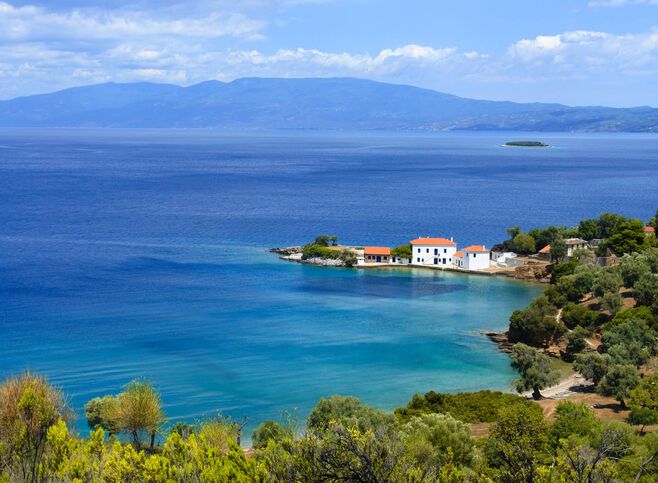
Tinos has all the hallmarks of a classic Cycladic island – blue-domed churches, sandy beaches and clear blue water – but with a quieter, more unhurried personality than some of its neighbours.
Its food is exceptional, with local products including artichokes, thyme honey, capers, cheeses and cured meats. And its centuries-old tradition of marble carving has produced some of Greece's most important modern sculptors. It is full of unexpected creative touches, such as the hundreds of ornately decorated dovecotes that are as much works of craft as they are part of the landscape.
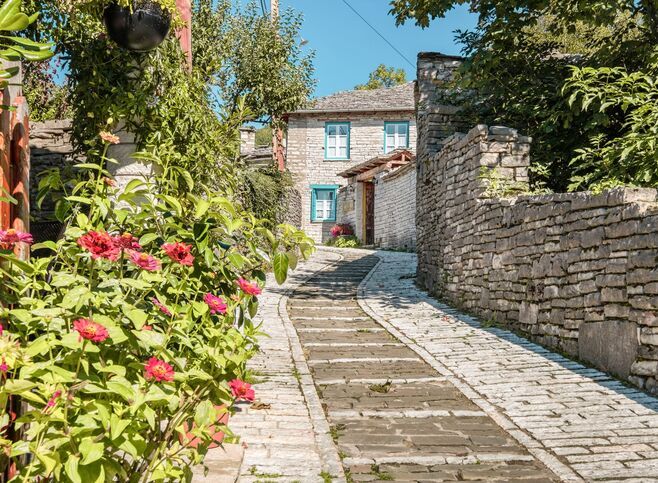
Tinos is also known for its villages, often connected by winding stone paths on which the island moves at its own pace. At its spiritual heart stands the Church of Panagia Evangelistria in Hora, home to a revered icon of the Virgin Mary which is the centrepiece of one of Greece’s most important pilgrimages, held every year on August 15.
What to do in Tinos
Any holiday in Tinos should begin by exploring Hora, the island's main town and port, where the Church of Panagia Evangelistria draws pilgrims and curious travellers alike. The church also houses a gallery of works by major Greek and foreign painters, and Hora’s cobblestone alleys are filled with chapels, neoclassical buildings and small shops.
Beyond Hora, the beaches are the island’s summer heartbeat, just as the villages of Tinos are its year-round soul. Pyrgos is Tinos' most celebrated marble village, with sculpting workshops and museums. And Isternia, Panormos and Volax (with its extraordinary lunar landscape of granite boulders) each have their own special character – but there are dozens more villages to explore along the coast and inland.
From a breakfast of local cheese and loutza (cured pork) in Hora to a seafood lunch by the water in Panormos, eating in Tinos is an experience in itself. There are farm-to-table cooking classes and winery visits for those who want to go deeper.
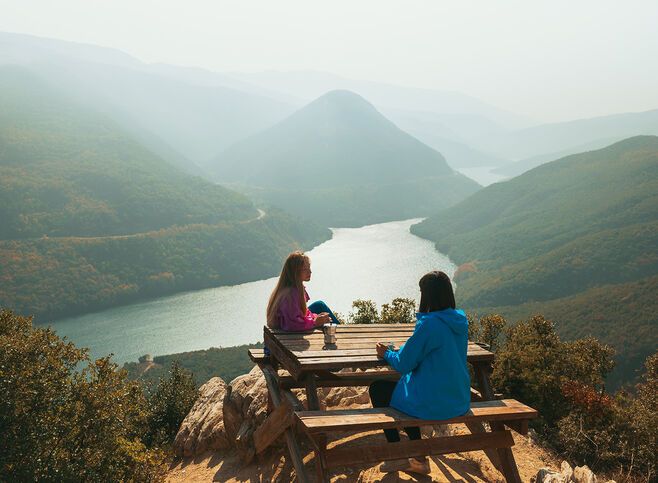
Art lovers will find plenty to enjoy, from marble workshops to the Cultural Foundation of Tinos, which hosts permanent and temporary exhibitions and musical events. And then there are the outdoor activities. The hiking paths of Tinos include a network of over 150km of marked trails, connecting villages and passing dovecotes and monasteries, with the sea rarely out of sight. The granite mass of Exomvourgo – a natural fortress with Venetian ruins at its peak – also offers rock climbing, with routes suited to all levels.
Best Beaches in Tinos
Tinos has beaches to suit every mood, spread along a varied coastline that ranges from fully organised sandy bays to wild, untouched coves that reward the effort it takes to reach them.
On the south coast, Agios Ioannis Porto and Agios Sostis are two of the island's most popular and family-friendly beaches, with long stretches of sand, calm shallow water and views across to Mykonos and Delos. Nearby Agios Fokas is the closest beach to Hora and one of the longest. For something more secluded on the same coast, Apigania requires a short hike but delivers fine sand and wild beauty, while Pachia Ammos – true to its name – is known for its soft, deep sand.
On the north coast, Kolympithra – split into Mikri and Megali Kolympithra – is the island's best known swimming spot, with the larger of the two beaches a favourite for surfing and water sports. Panormos Bay also has several beaches within easy reach of each other, including the scenic Agia Thalassa and the bohemian Rochari. And for those willing to venture further, Livada is one of Tinos' most remote and rewarding beaches.
Best time to visit Tinos
Tinos lends itself to a visit for much of the year. Summer is the time for beaches and long sunny days, with June and September bringing all the warmth with fewer visitors. Spring and autumn are the best seasons for hiking and exploring the countryside, when the temperatures are milder, the landscape is greener and the island feels entirely your own. And the villages reward a visit at any time of year, with many remaining lively well outside the summer months, offering a different and equally rewarding side of the island.
How to get to Tinos
Tinos is easily reached by ferry from Athens. The closest port is Rafina, around 30km from the city centre. Frequent connections include high-speed services that reach Tinos in around two hours, while conventional ferries take three and a half to four hours. Ferries also run from Piraeus, with journey times of around four to five hours. Both ports have good public transport links from central Athens.
If you’re wondering if Tinos has an airport, it cannot be reached directly by plane. Flying into Mykonos and then taking the short ferry crossing to Tinos (20–30 minutes) is a practical alternative. During summer, connections between Tinos and Mykonos are frequent.
Make sure to book ferry tickets in advance during the summer months, particularly in July and August when demand is at its highest.


Plan Your Tinos Itinerary
Get AI-powered suggestions or work with expert travel specialists
Tours & Activities in Tinos
Discover authentic local experiences and secure your bookings for activities and tours with our official online rates.
Tinos: Village Hopping Private Tour
Food tour in Tinos old Town
Tinos: Hiking Tour Through the Rocks
Tinos: Cooking Class - Μeet the Locals
Taste the wine land of Tinos:
Tinos: Exo Meria Sunset Private Tour
Where to stay in Tinos
Tinion Urban Hotel
Aeolos Bay Hotel Tinos
Blue Gres Tinos
Tinos Beach
Infinity View Hotel Tinos
Sun Aeriko
Book your Ferry Now
Ferries to & from Tinos
Find routes, ports & schedules - search below
Tinos has a range of accommodation to suit different styles of travel, from family-run guesthouses and small hotels in the main town to private villas and boutique hotels tucked into the hillsides and coastal areas. Most hotels are concentrated around Hora and the southern beaches – Agios Ioannis, Agios Sostis and Agios Romanos – while the villages and smaller settlements offer a growing number of villa rentals for those who want a quieter base. Book well in advance during summer.
Eating well on Tinos requires very little effort. Local tavernas and seafood restaurants form the backbone of the dining scene, with most menus reflecting the island's exceptional local produce. Look out for fourtalia (a potato omelette with local sausage), louza (air-dried cured pork) and Tinos' famous artichokes. The cheese tradition is equally impressive – spicy gravieraki, creamy myzithra, mastic-scented kastelano and the PDO-protected kopanisti are all worth seeking out, along with the local butter. A slice of galaktoboureko (filo pastry with a custard filling, soaked in syrup) or portokalopita (orange pie) is a highlight of any village visit. Tinos is also home to several wineries and the Nissos microbrewery, which produces a craft beer and offers guided tours – all part of a food culture celebrated each May at the Tinos Food Paths festival.
The climate in Tinos is typically Mediterranean – hot and dry in summer, mild and wetter in winter. July and August are the warmest months, with temperatures regularly exceeding 30°C, though the Meltemi winds help keep temperatures down and make Tinos particularly appealing to windsurfers. Spring and autumn bring milder temperatures and greener landscapes, ideal for hiking and village hopping. Winters are quiet and mild, with most tourist facilities closed outside the main season.
Tinos is a safe and welcoming destination with a relaxed atmosphere and friendly locals. As with any popular destination, it is wise to take basic precautions – keeping an eye on your belongings in busy areas and avoiding leaving valuables unattended on the beach. The island has a health centre in Hora and pharmacies in the main settlements. Food and water safety standards are high, and bottled water is widely available. Always follow local advice on drinking tap water. If you plan to hike or explore remote areas, carry water, sunscreen and a hat, and ask about trail conditions before setting out. Roads to some of the more remote beaches can be narrow and unpaved, so take extra care if driving. The emergency number for all services in Greece – medical, police and fire – is 112.
A rental car is the most practical way to explore Tinos, given its size and the spread of beaches and villages. Public buses (KTEL) connect Hora with the main villages and beaches during the summer months, and taxis are available from the port, though it is advisable to book ahead in peak season. Rental bikes and scooters are also popular for shorter distances.
Tinos is generally more affordable than some other Cyclades islands, such as Mykonos or Santorini. Accommodation, dining and activities all tend to offer good value, though prices in Hora and the more visited southern beaches may be higher than elsewhere on the island. Eating in village tavernas and buying produce directly are good ways to make your holiday budget go further.
A minimum of three to four days gives you enough time to explore Hora, visit a handful of villages, spend time at the beaches and enjoy the food. A week allows for an even more relaxed experience, including hiking, winery visits and getting off the beaten path.
Yes. Tinos has numerous sandy, shallow-water beaches well suited to families, a relaxed pace of life and plenty to keep all ages engaged – from exploring villages and taking part in food experiences to hiking and water sports. The southern coast beaches, including Agios Romanos and Agios Ioannis Porto, are popular with families.
Tinos is an excellent base for island hopping. Mykonos is just 20-30 minutes away by ferry, Syros around 15-35 minutes away, and Andros is also well connected. Further afield, regular ferry services run to Paros, Naxos and Santorini, making Tinos a natural stop on a Cyclades island hopping itinerary.
No – Tinos is not known for nightlife in the way that some other Cycladic islands are. There are bars that are lively in summer – particularly in Hora and on some beaches – but the overall atmosphere is relaxed. It is best suited to travellers who want good food, beautiful landscapes and a slower pace.